
Dogs love peanut butter, but is it safe for them? Since peanut butter consists of peanuts, does this mean peanuts are good for dogs?Â
Unfortunately, the answers to these questions are not as simple as a “yes” or “no.” Some types of peanut butter can cause an allergic reaction or be fatal for your dog. Lets find out why.
If you give your dog peanut butter as an occasional treat, be sure to watch for any signs of allergic reaction. (Photo credit: DigitalVision/Getty s)
As a dog owner, I’m always wondering what human foods are safe to share with my furry friend. One question that comes up often is: are peanuts ok for dogs? If you’ve ever caught yourself about to share a peanut with your pup and hesitated, you’re not alone. Let’s dive into everything you need to know about dogs and peanuts.
The Quick Answer
Yes dogs can eat peanuts but with several important conditions. Dry-roasted (or raw), unsalted, shelled peanuts are safe for dogs to eat in small quantities. However, peanuts should never make up more than 10% of your dog’s daily caloric intake.
Types of Peanuts Dogs Can Eat
Not all peanuts are created equal when it comes to your dog’s health. Here’s what you need to know:
Safe Peanuts for Dogs:
- ✅ Dry-roasted, plain peanuts (without shells)
- ✅ Raw, unsalted peanuts (without shells)
- ✅ Unseasoned peanuts
Peanuts to Avoid:
- ❌ Salted peanuts
- ❌ Honey-roasted peanuts
- ❌ Seasoned or flavored peanuts
- ❌ Peanuts in shells (choking hazard)
- ❌ Boiled peanuts with seasonings or salt
Health Benefits of Peanuts for Dogs
Peanuts do offer some nutritional benefits for dogs, They contain
- Protein
- Vitamin B6
- Vitamin E
- Phosphorus
- Potassium
- Niacin
- Healthy fats
Risks of Feeding Peanuts to Dogs
While peanuts can be an occasional treat, they come with several risks:
1. High Fat Content
Peanuts are rich in fat which can be difficult for dogs to digest. Consuming too many fatty foods may lead to
- Digestive upset
- Vomiting
- Diarrhea
- Pancreatitis (a painful and potentially serious inflammation of the pancreas)
2. Salt Content
Salted peanuts contain too much sodium for dogs. Excessive salt intake can lead to:
- Increased thirst
- Urination
- In severe cases, sodium ion poisoning
3. Choking Hazard
Peanut shells are fibrous and can pose a choking risk, especially for smaller dogs.
4. Allergies
While uncommon, some dogs can be allergic to peanuts. Watch for signs like:
- Difficulty breathing
- Swelling in face or skin
- Itching
- Hives
What About Peanut Butter?
Most dogs love peanut butter, and it can be safe in moderation if you choose the right kind. However, there’s one critical danger to be aware of:
Xylitol Danger
Some peanut butters contain xylitol, an artificial sweetener that is EXTREMELY toxic to dogs, even in small amounts. Xylitol can cause:
- Rapid drop in blood sugar (hypoglycemia)
- Liver failure
- Seizures
- Death
Always check ingredient labels and avoid any peanut butter that contains:
- Xylitol
- “Natural sweetener”
- “Sugar alcohol”
- Any product labeled “sugar-free” or “no sugar added” (as these may contain xylitol)
The safest options are:
- Plain, unsalted peanut butter with no additives
- Homemade peanut butter (where you control the ingredients)
- Peanut butter specifically made for dogs
Which Dogs Should Avoid Peanuts Entirely?
Some dogs should never have peanuts or peanut butter:
- Dogs with heart disease or kidney issues (due to sodium content)
- Dogs on specific veterinary-prescribed diets
- Overweight dogs (due to high fat content)
- Dogs with pancreatitis or a history of pancreatic issues
- Dogs with known peanut allergies
How Many Peanuts Can a Dog Eat?
Moderation is key! Here are some guidelines:
- Limit to just a few peanuts per serving
- Wait 2-3 days between peanut treats
- Never exceed 10% of daily caloric intake
- Always remove shells before giving to your dog
- Monitor your dog after introducing peanuts for the first time
What About Other Nuts?
While we’re discussing peanuts (which are technically legumes, not nuts), it’s worth noting which nuts are safe and which are dangerous:
Generally Safe (in small amounts):
- Cashews (unsalted, plain)
Unsafe:
- Macadamia nuts (highly toxic to dogs)
- Almonds (choking hazard)
- Most other nuts (high fat content and potential toxicity)
Healthy Ways to Offer Peanuts to Your Dog
If you want to give your dog the occasional peanut treat, here are some safe ways to do so:
-
Plain, unsalted peanuts: Just a few as an occasional treat.
-
Small amount of safe peanut butter:
- Inside a Kong toy
- Used to hide medication
- As a rare special treat (½-1 teaspoon for small dogs, 1 tablespoon for larger dogs)
-
Homemade peanut butter dog treats: Control the ingredients by making your own.
Signs of Trouble to Watch For
If your dog has eaten peanuts or peanut butter and shows any of these signs, contact your vet immediately:
- Vomiting
- Diarrhea
- Lethargy
- Abdominal pain
- Loss of appetite
- Excessive thirst or urination
- Disorientation
- Seizures
- Panting
- Staggering or collapsing
These could indicate pancreatitis, an allergic reaction, or xylitol poisoning.
Real-Life Example
My neighbor’s Lab, Max, once got into a jar of peanut butter while they were away. Thankfully, it didn’t contain xylitol, but Max still developed digestive upset from eating so much fat at once. He needed a trip to the vet and special food for a few days. Remember, even safe foods can cause problems in large quantities!
Frequently Asked Questions
What happens if a dog accidentally eats a peanut?
If it’s just one plain, unsalted peanut, most dogs will be fine. Monitor for any unusual symptoms and contact your vet if concerned.
Can puppies eat peanuts?
It’s best to avoid giving puppies peanuts. Their digestive systems are more sensitive, and they’re at higher risk for choking.
Is it OK to use peanut butter to give my dog pills?
Yes, as long as it’s xylitol-free peanut butter and used in small amounts. This is actually one of the most common uses of peanut butter for dogs.
How do I know if my peanut butter contains xylitol?
Always check the ingredient list. Xylitol may be listed as “xylitol,” “sugar alcohol,” or “birch sugar.” When in doubt, contact the manufacturer or choose a product specifically labeled as safe for dogs.
The Bottom Line
While plain, dry-roasted, unsalted peanuts are safe for most dogs in very small quantities, they should be considered an occasional treat rather than a regular part of your dog’s diet. Always remove shells, avoid salted or flavored varieties, and never give peanut butter containing xylitol.
When it comes to treating your furry friend, it’s always better to err on the side of caution. If you’re ever unsure about a food’s safety for your dog, consult your veterinarian before sharing.
Do you have any experiences with giving peanuts to your dog? I’d love to hear your stories in the comments below!
Remember, every dog is different, and what works for one may not work for another. The health and safety of your four-legged family member should always be your top priority when considering which human foods to share.
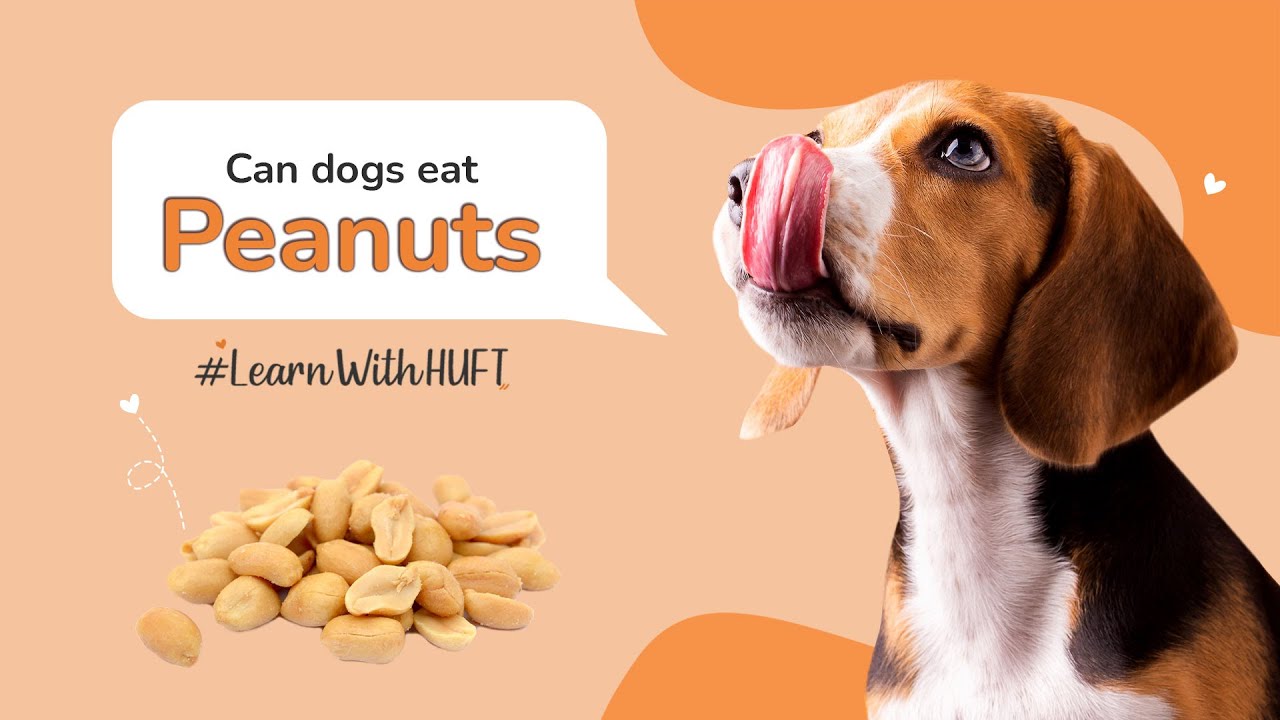
Can Dogs Eat Peanut Butter?
Many people like to give their dogs peanut butter as a treat. Some pet owners spread peanut butter inside hollow chew toys to occupy their dogs. Others use peanut butter for hiding medication.Â
In small amounts, most peanut butter is safe for dogs to eat. The healthiest options are unsalted peanut butter and brands that do not contain added sugar or xylitol, a sugar substitute that is highly dangerous for dogs. There are some peanut butters made specifically for dogs. These should also be used in moderation.
Homemade peanut butter is a safer option for dogs, since you can control the amount of oil and sodium (salt) that is added. Since peanuts and peanut butter are high in fat, which can upset your dogs digestion and cause pancreatitis, even homemade peanut butter is best given in small quantities.
Can dogs eat peanut butter and jelly?
To best answer this question, lets look at the ingredients of a peanut butter and jelly sandwich. We know that unsalted peanut butter without xylitol is safe in small amounts for dogs who are not allergic.Â
Bread is also safe for dogs, as long as they are not allergic to wheat. Make sure your bread does not contain ingredients like xylitol, garlic (which is toxic to dogs), nuts and seeds that can cause stomach upset, or raisins. Never feed your dog raisin bread. Raisins (and grapes) are poisonous to dogs.
Because grapes are highly toxic to dogs, grape jelly is off-limits. Jellies and jams that contain xylitol as a sweetener should also be avoided. Products labelled “sugar-free” or “no sugar added” may also contain xylitol (a type of “sugar alcohol”) so it is safest to avoid giving your dog any food with this description.Â
If your dog has a bite of your peanut butter and (grape-free, xylitol-free) jelly sandwich, it will probably not cause a problem. Since jelly is naturally high in sugar, its better to avoid feeding it to your dog.
What Is the Safe Amount of Peanuts to Feed My Dog?
Moderation is the key to determining the proper peanut dosage for your dog. If your dog loves peanuts, you shouldnt allow them to eat more than a few peanuts a day.Â
Plan to take a break of two to three days in between the intake.Â
Its better to remove the peanut shells before giving them to your dog, especially the smaller breeds. Thats because the fibrous material can make your four-legged friend choke.Â
If you have more questions or concerns, visit your vet and determine the right and safe peanut dosage for your furry friend.