
We see the same level of controversy in government policies. Youll find countries such as Australia, the U.K. and Italy banning ownership altogether. Many parts of the U.S. and the Netherlands have no restriction, while countries like Japan have implimented laws restricting the ownership of these breeds. We will take a global look at the countries where Pitbulls are allowed and banned, and where there are restrictions.
Have you ever fallen in love with those adorable, muscular Pitbull pups only to wonder if you’re even allowed to own one? You’re not alone! As a dog lover myself I’ve spent countless hours researching the confusing patchwork of laws surrounding these misunderstood pooches.
The truth is Pitbull ownership isn’t as straightforward as bringing home most other dog breeds. Depending on where you live you might face anything from complete bans to strict regulations – or no restrictions at all.
In this comprehensive guide I’ll walk you through everything you need to know about Pitbull legality across the United States including
- Which states have Pitbull bans
- The different types of restrictions you might face
- Recent changes to Pitbull legislation
- What to do if you already own a Pitbull
Let’s dive right in and clear up the confusion around these lovable but controversial dogs!
Understanding Breed-Specific Legislation (BSL)
Before we look at specific states, it’s important to understand what we’re really talking about. Most Pitbull restrictions fall under what’s called Breed-Specific Legislation (BSL).
BSL refers to laws that restrict or ban certain dog breeds based on their appearance or breed rather than their behavior. These laws often target “Pitbull-type” dogs, which can include:
- American Pit Bull Terriers
- Staffordshire Bull Terriers
- American Staffordshire Terriers
- American Bulldogs
- Mixed breeds that share physical characteristics with these dogs
Many of these laws don’t even use the term “Pitbull” specifically, but the wording is often broad enough to include these breeds. This creates challenges since identification is subjective – many dogs get caught in these restrictions simply because they “look like” Pitbulls.
15 States With Pitbull Bans or Restrictions
Let’s look at the states where Pitbull ownership is most heavily regulated. Remember that even within these states, regulations can vary dramatically by city and county.
1. Iowa
Iowa has over 90 municipalities with BSL. In Council Bluffs, for example, it’s illegal to sell, own, keep, harbor, maintain, possess, transport, or exercise control over a Pitbull. The only exceptions are for dogs that were already licensed when the ordinance was implemented.
2. Kentucky
In Kentucky, 36 out of 120 counties prohibit Pitbull ownership. Their justification is “preventing injury or death to the public.” Unfortunately, their definition of what constitutes a Pitbull is extremely broad, often capturing mixed-breed dogs with only traces of Pitbull genetics.
3. Ohio
While Ohio removed the “vicious” label for Pitbulls at the state level, more than 80 municipalities still ban them. Several cities in Northeast Ohio also ban other breeds like Akitas, Huskies, Rottweilers, Dobermans, and German Shepherds. Some cities require special green, glow-in-the-dark collars and muzzles for breeds classified as aggressive.
The good news? ASPCA helped lift the Pitbull ban in Reynoldsburg, Ohio, showing that these laws can change.
4. Kansas
Kansas state law doesn’t specifically target Pitbulls, but many municipalities within the state do. In Topeka, for instance, you can transport a Pitbull through the city as long as you take measures to ensure public safety. Violations can result in fines up to $499 and jail time up to 179 days!
5. Missouri
Missouri has over 70 municipalities with Pitbull bans, including Independence, Montgomery, and many areas in St. Louis County. In Independence, violating the Pitbull ban can result in a $500 fine and 60 days in jail. Even worse, your dog could be sterilized, impounded, and potentially euthanized.
Missouri also monitors other breeds including Mastiffs, Rottweilers, Dalmatians, Chow-chows, and German Shepherds.
Interestingly, data from Florissant, Missouri showed that during their 10-year Pitbull ban (2005-2015), dog bites actually doubled despite the ban and declining population!
6. Wisconsin
Over 60 local Wisconsin communities have banned Pitbulls or labeled them as vicious/dangerous. The Wisconsin Court of Appeals has upheld these restriction ordinances. Owners can face fines or jail time for violations, and their dogs may be euthanized.
7. Mississippi
Mississippi has 29 municipalities and counties with Pitbull ordinances, with 11 completely banning the breed. In Rankin County, Pitbulls are classified as “wild animals” and considered dangerous to the public. To own one, you need a variance approved by the Board of Supervisors, property inspection, and $100,000 in homeowner’s liability insurance.
8. Arkansas
Several cities in Arkansas ban Pitbulls, including Bebee, Carlisle, Caraway, Gassville, Lake City, Batesville, Dardanelle, Jacksonville, Caddo Valley, and Mountain Home. In Garland County and Hot Springs Village, Pitbulls are classified as “high-risk” breeds.
Cabot, Arkansas had a 10-year Pitbull ban but lifted it in April 2019. Residents can now own Pitbulls, but must register them with the city, obtain a $150 annual permit, keep vaccines updated, and microchip their dogs.
9. Louisiana
Cities like Morgan City have outright Pitbull bans, while other areas have labeled them as dangerous or imposed severe restrictions. In 2016, Westwego City officials worked to toughen Pitbull regulations and prohibited breeding Pitbulls within city limits.
10. Georgia
In 2015, Georgia considered preventing local governments from banning Pitbulls but abandoned the idea. Cities and counties with Pitbull bans or restrictions include Dawson, Marietta, East Point, La Grange, College Park, Floyd County, Lawrenceville, and Terrell County.
11. Alabama
Alabama has strict dog regulations following incidents in Jacksonville. Owners can face prison time if their dog seriously injures or kills someone. Several cities have Pitbull ordinances:
| City | Banned Breed | Type of Ordinance |
|---|---|---|
| Albertville | Pit Bulls | Declared “Dangerous” |
| Center Point | Pit Bulls | Ban |
| Fayette | Pit Bulls | Ban |
| Gadsden | Pit Bulls | Declared “Dangerous” |
| Irondale | Pit Bulls and Presa Canario | Ban |
| Jacksonville City | Pit Bulls, Rottweilers, and Wolf-Dogs | Declared “Dangerous” |
| Lanett | Pit Bulls and Presa Canario | Ban |
| Midfield | Pit Bulls | Ban |
| Tarrant | Pit bulls, Bull Rottweilers, and Terriers | Declared “Vicious” |
| Weaver | Pit Bulls | Declared “Vicious” |
12. North Dakota
Fourteen North Dakota cities have ordinances against Pitbulls: Ray, Velva, Minot, Wilton, Center, Cando, Williston, Hillsboro, Bowman, Des Lacs, Glenburn, Burlington, Devils Lake, and Watford City. Some cities have extended their bans to other breeds they consider dangerous.
Kenmare doesn’t ban Pitbulls outright but requires mandatory licensing with proof of $300,000 liability insurance.
13. Tennessee
In Selmer, Tennessee, it’s illegal to possess, sell, or harbor a Pitbull. Violations can result in a $50 fine and your dog being seized. Dyer also bans Pitbulls, with exceptions for those owned before the ordinance passed (with muzzling, confinement, and $100,000 liability insurance requirements).
Other Tennessee cities with Pitbull bans include Sparta, Jasper, Etowah, Morrison, Middleton, Somerville, Rutherford, Henderson, Rogersville, South Pittsburg, and Hardeman County.
14. Florida
Miami-Dade County is the only county in Florida with a Pitbull ban, which has been in effect for over 30 years. Recently, a proposed bill aims to end breed-specific bans in Florida, focusing on judging dogs by behavior rather than breed.
15. Indiana
Several Indiana towns have ordinances against Pitbulls. In Kirklin, Rottweilers, Chow Chows, and mixed breeds are also banned. Benton County bans Pitbulls, and Schererville prohibits them from dog parks.
Indiana lawmakers have proposed Senate Bill No. 18, which would prevent local governments from enacting breed-specific bans.
What About Other Major States?
Are Pitbulls Illegal in California?
Good news! Pitbulls are legal in California. The only breed-specific legislation is a sterilization ordinance requiring all Pitbulls or Pitbull mixes to be spayed or neutered. San Francisco was the first city to implement this in 2005, which led to a decrease in Pitbull bites, euthanasia rates, and shelter occupancy.
Are Pitbulls Illegal in Denver?
After 30 years of banning Pitbulls, Denver finally lifted its ban! Denver residents can now own Pitbulls if they secure a Breed-Restricted Permit from Denver Animal Protection. This requires a 30-45 minute assessment and a $55 fee, plus annual renewals ($30/year) for three years.
Are Pitbulls Illegal in Texas?
Pitbulls aren’t illegal in Texas, but some cities have restrictions:
- Garland: Requires Pitbulls, American Bulldogs, and their crossbreeds to be caged
- Magnolia and Forest Hill: Presume Pitbulls as “dangerous” animals
- Childress: Doesn’t allow Pitbulls, Chow Chows, and other “dangerous” dogs to be adopted out
Forms of Pitbull Restrictions
“Banned” doesn’t always mean completely prohibited. Restrictions on Pitbulls can include:
- Mandatory spay/neuter requirements
- Muzzling requirements in public
- Special licensing or registration (often with higher fees)
- Mandatory liability insurance (often $100,000-$300,000)
- Specific confinement requirements (fencing standards, housing limitations)
The Legal Battle Over Breed-Specific Legislation
BSL has faced numerous legal challenges across the country. Opponents argue these laws:
- Violate due process (vague definitions of “Pitbull-type” dogs)
- Violate equal protection (unfair discrimination against certain breed owners)
- Are arbitrary and ineffective at addressing public safety
Court rulings have been mixed. Some uphold BSL as a legitimate exercise of jurisdiction to protect public safety, while others have struck down these laws as unconstitutional or overly broad.
The Trend Toward Preemption Laws
A growing number of states have passed preemption laws prohibiting local governments from enacting breed-specific ordinances. This ensures a uniform approach to dog regulation statewide.
States like Iowa and Ohio have such laws preventing local jurisdictions from passing breed-specific bans. The trend is moving away from breed-specific regulations toward dangerous dog laws based on individual animal behavior.
Are Pitbull Bans Effective?
According to a study from Michigan State University College of Law, breed-specific laws don’t effectively control dog behavior or owner responsibility. Similar research from Denmark found that BSL didn’t reduce the number of hospital-treated dog bites.
In Florissant, Missouri, dog bites actually doubled during their 10-year Pitbull ban despite a declining population!
What Should Pitbull Owners Do?
If you own or want to own a Pitbull, here’s my advice:
- Research local laws: Check state, county, and city ordinances before getting a Pitbull
- Consider microchipping: This helps identify your dog if they get lost
- Keep vaccination records current: Required in most places
- Invest in training: A well-behaved dog is your best defense
- Consider liability insurance: Protects you and may be required by law
- Advocate for change: Support organizations fighting against BSL
Final Thoughts
The legal landscape for Pitbulls in America is complicated and constantly changing. While many areas still ban or restrict these dogs, the trend is moving toward behavior-based regulations rather than breed-specific ones.
If you’re a Pitbull lover, stay informed about your local laws and be prepared to meet any special requirements. With proper care, training, and compliance with local regulations, you can provide a loving home for these often misunderstood dogs.
Remember, a dog’s behavior is typically more influenced by its environment, training, and socialization than by its breed alone. Responsible ownership is the key to changing public perception and ultimately eliminating these breed-specific restrictions.
Have you experienced Pitbull restrictions in your area? I’d love to hear your stories in the comments below!
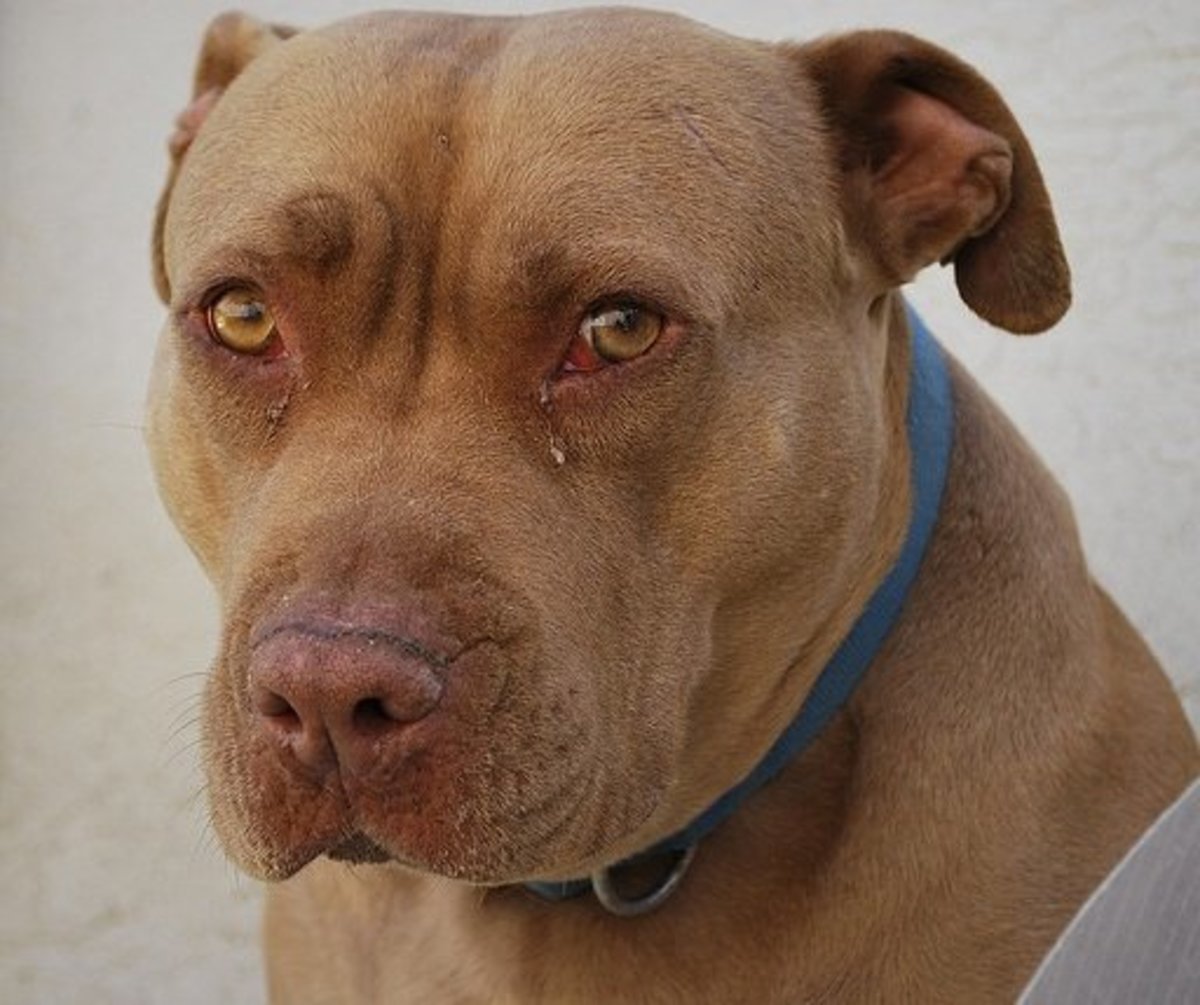
They Have a Dark Dog Fighting Past
It is not easy to change beliefs based on history. People who watched dog fighting sports talked about how ferocious Pit Bulls are. Automatically, people think about how savagery Pitbull attacks on humans can be. In actuality, human aggression would be considered a fault to this breed as they have never been bred to cause harm to humans; they have been used relentlessly by humans due to their undying loyalty to them
We dont refute that these dogs have a history and some generic traits of dog-to dog and animal aggression – as do many working breeds of similar or larger size and stature. Owning a dog with a high prey drive, high energy level and strong will is not for the novice dog owner, but also is not illegal.
History of Breed-Specific Legislation
Breed-specific legislation (or BSL) is term to reference law for regulating certain dog breeds. Many governments have come up with laws governing how these dogs interact with the public. BSL was introduced in the late 1970s to earl 80s when dog attacks became more common and gained more media coverage.
One of the cases is when a 3-year-old child was mauled to death by a Pit Bull-type dog in 1986. The incident triggered a public outcry. Then, in 1989, Rev. Wilbur Billingsley was attacked and suffered two broken legs and 70 bites. He was rescued by a neighbor who fired at the dog.
The cases gained national attention, and the media reported a narrative of these breeds being aggressive and unpredictable. In turn, Denvers City Council introduced a strict breed-specific law targeting Pit Bulls. The law was one of the strictest in the country and outright banned the ownership, breeding, and harboring of Pit Bull-type dogs within city limits.
Researchers werent left behind in this also. The Centers for Disease Control and Prevention collaborated with the American Veterinary Medical Association and the Humane Society of the United States to look at dog bite-related fatalities in the U.S. from 1979 through 1998.
The study reviewed 238 fatalities caused by dog bites over the nearly 20-year period. In the review, the frequently mentioned breeds for causing fatal attacks were Pit Bulls, Rottweilers, and German Shepherds. Many of these breeds were placed on a Dangerous Dogs list, limiting owners from having their dogs altogether or being able to access various public facilities or insurance plans while owning these dogs.
The study concluded that these breeds were more likely to cause fatal injuries due to their strength and the severity of their bites. At that time, the CDC research findings helped lawmakers and advocates put pressure on the creation of banned breed lists.
The primary method for identifying the breed of a dog involved in an attack is visual characteristics. That means the report relies on witnesses, animal control officers, or victims. Mixed-breed dogs often exhibit physical traits from multiple breeds, and this makes it difficult to definitively categorize them as a specific breed based on appearance alone. The judgment is even more flawed when witnesses and victims are traumatized or unfamiliar with dog breeds. So, this undermines the reliability of the study.
Even animal welfare organizations and legal bodies have turned against BSL. The American Veterinary Medical Association, American Bar Association, Humane Society of the United States, and the American Society for the Prevention of Cruelty to Animals say that BSL is based on misinformation and flawed data.
On the other hand, some insurance companies use these breed lists when issuing liability policies. The Insurance Information Institute reports show that dog bites account for more than one-third of all homeowners insurance liability claims. In 2022, these claims resulted in nearly $1.1 billion in payouts.
Thats why the American Property & Casualty Insurance Association doesnt want the practice to end. The lists make it hard for Pitbull owners to get sufficient insurance coverage. An alternative is for the insurer to provide coverage but charge higher premiums.
The limitation of this method is that is puts the blame on the breed and takes it away from the owner, without shining light on responsible dog breeding and ownership. A 2008 study in the Journal of the American Veterinary Medical Association surveyed more than 800 dog owners and concluded that “dog owners frequently had only limited knowledge of dog behavior and often were unaware of factors that increased the risk of dog bites to children.” The paper recommends further “education of dog owners regarding dog behavior, including body language, social signals, resource-guarding, and self-defense, and the risks of dog bites to infants and young children.” This applies to all breeds, as many dogs can inflict serious injury if they bite an adult ohild.
This Breed is BANnED!! #dogbreed #pitbull #short
FAQ
What states are pitbulls illegal in?
Why is it illegal to own a pitbull?
Can I have a pitbull as a pet?
Yes, it can be okay to have a pit bull if you are responsible and well-managed: Temperament Pit bulls are known for being loyal, protective, and affectionate, and are considered to have one of the most stable temperaments of any purebred dog. Family dogs Pit bulls can be great family dogs and playmates for children.
What to do if your neighbor has a pitbull?