
This afternoon, I found my dog sniffing around the kitchen counter and realized she had gotten into some spilled Old Bay seasoning. Im worried because I don’t know if any of the spices in it are harmful to dogs. Should I be concerned about her having any adverse reactions from this?
If your dog ingested Old Bay seasoning, you should monitor for any adverse reactions, as this popular spice blend contains ingredients that can be problematic for dogs.
Old Bay seasoning typically contains a mixture of spices such as paprika, pepper, and sometimes garlic or onion powder—both of which can be toxic to dogs. High salt content is also concerning, as it can lead to sodium ion poisoning. Although a small amount might not cause problems, any signs of distress should prompt a call to your veterinarian for advice.
If youre concerned about your dogs health after this incident or notice any of the symptoms above, please consider scheduling a consultation with a veterinarian. Visit Dial A Vet to book an appointment.
Have you ever been in the kitchen seasoning your favorite seafood dish with Old Bay when your furry friend gives you those big puppy dog eyes? I know I have! It’s so tempting to share a little taste with our canine companions, but before you do, it’s important to understand whether Old Bay seasoning is safe for dogs.
As a dog owner myself I’ve researched this topic thoroughly to make sure I’m keeping my pup safe while still enjoying my favorite foods. Let’s dive into everything you need to know about dogs and Old Bay seasoning.
The Short Answer: Not Recommended
No, dogs should not have Old Bay seasoning. While small amounts might not cause immediate harm, Old Bay contains ingredients that can be toxic to dogs, particularly garlic powder and onion powder, which can damage your dog’s red blood cells and potentially lead to anemia.
What Exactly is Old Bay Seasoning?
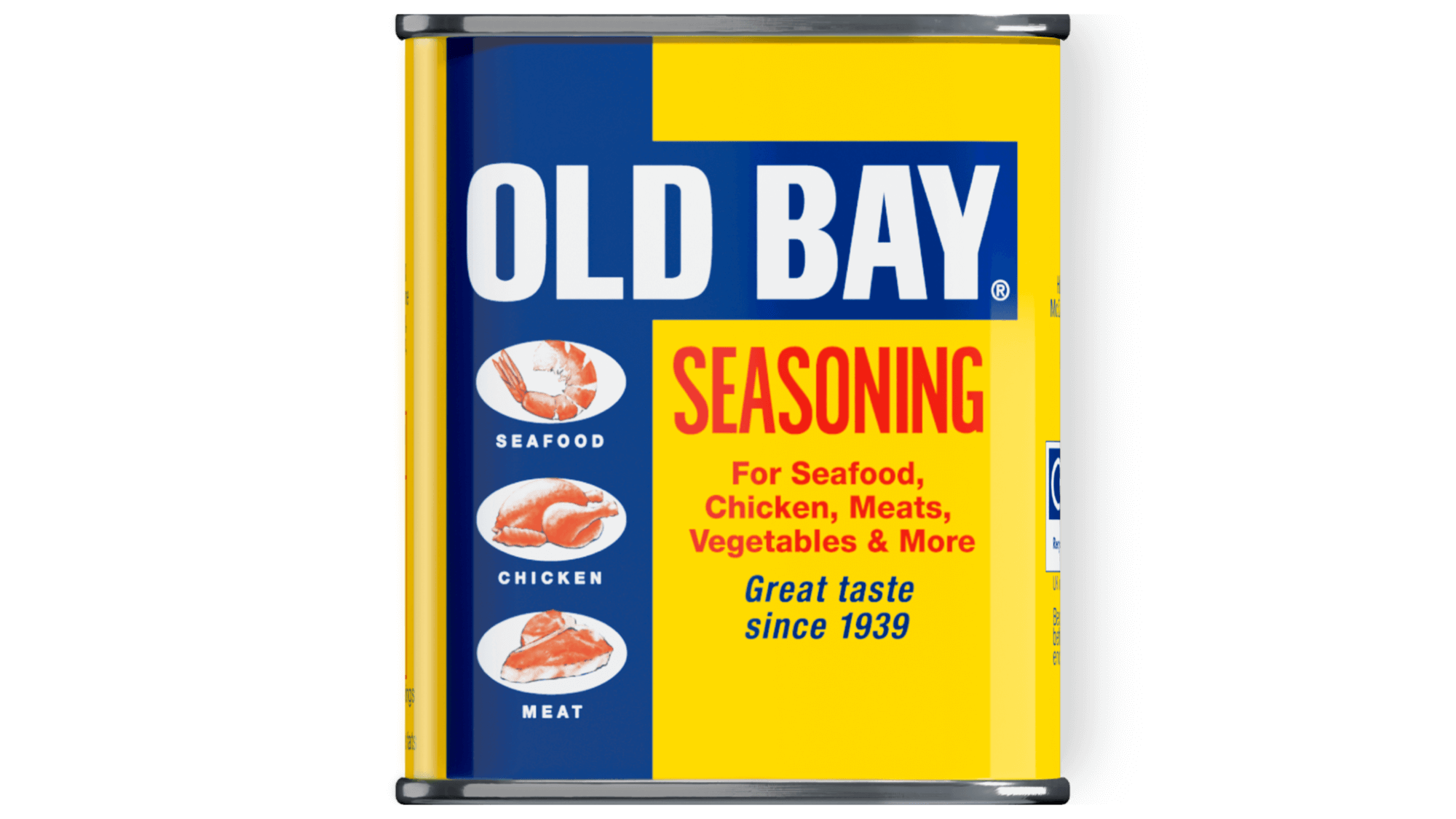
Old Bay is a popular seasoning blend that’s been around since 1939. Originally intended for seafood, it’s now used on everything from shrimp to chicken, and even popcorn! The classic spice mixture contains several ingredients that can be problematic for dogs:
- Celery salt (including salt and celery seed)
- Black pepper
- Crushed red pepper flakes
- Paprika
- Mustard
- Garlic powder
- Onion powder
- Cardamom
- Cloves
- Ginger
- Other spices
Why Old Bay is Dangerous for Dogs
Toxic Ingredients
The most concerning ingredients in Old Bay for dogs are:
-
Garlic and Onion Powder: These are both members of the Allium family and contain compounds that can damage a dog’s red blood cells, potentially leading to anemia. Even in powder form, these ingredients can be harmful.
-
High Salt Content: Dogs only need about 6g of sodium per day. The high salt content in Old Bay can lead to salt poisoning, causing excessive thirst, vomiting, diarrhea, and in severe cases, seizures.
-
Spices: Many of the spices in Old Bay, like black pepper and chili powder, can irritate a dog’s digestive system, leading to stomach upset, vomiting, and diarrhea.
Potential Health Issues
If your dog consumes Old Bay seasoning, they might experience:
- Gastrointestinal upset (vomiting, diarrhea)
- Abdominal pain
- Excessive thirst
- Lethargy
- Difficulty breathing (in severe cases)
- Anemia (from garlic and onion toxicity)
- Salt poisoning
What to Do If Your Dog Eats Old Bay
Accidents happen! If your dog has gotten into some food seasoned with Old Bay, here’s what you should do:
-
Assess the amount consumed: A tiny lick probably won’t cause serious issues, but larger amounts could be problematic.
-
Provide fresh water: Make sure your dog has access to plenty of clean water to help flush their system.
-
Monitor for symptoms: Watch for signs of gastrointestinal distress like vomiting or diarrhea.
-
Contact your vet: When in doubt, call your veterinarian. They might recommend:
- Giving Pepto-Bismol (1 teaspoon per pound of your dog’s weight, every 6-8 hours)
- Withholding food for 24 hours to rest the digestive system
- Bringing your dog in for examination if symptoms are severe
One vet on JustAnswer noted that “a one-time ingestion of a small amount of Old Bay seasoning is unlikely to cause significant problems, but monitoring for vomiting or diarrhea is recommended.”
Safe Alternatives to Season Your Dog’s Food
If you want to add some flavor to your dog’s meals, there are safer options than Old Bay:
Dog-Safe Herbs and Spices (in small amounts)
- Parsley
- Turmeric
- Ginger (in small amounts)
- Dill
- Basil
- Rosemary
Healthy, Flavorful Additions for Dog Food
- Unseasoned, boiled chicken
- Plain, cooked vegetables like carrots or green beans
- Small amounts of plain pumpkin puree
- Bone broth (no salt or onions)
Common Questions About Dogs and Seasonings
Can dogs have any human seasonings?
While most commercial seasonings are best avoided, some single-ingredient herbs can be safe in small amounts. Always research each ingredient individually and introduce new foods gradually.
Is garlic powder safe for dogs?
No, garlic powder is not safe for dogs. While tiny amounts might not cause immediate symptoms, garlic can damage red blood cells and should be avoided.
Are dogs allergic to spices?
Dogs can have individual sensitivities to various spices. While not technically “allergies” in all cases, spices can cause digestive upset and other issues in many dogs.
Can I give my dog food that was cooked with Old Bay if I wash it off?
I wouldn’t recommend it. Even if you rinse the food, some of the seasonings may have penetrated the food during cooking, and trace amounts might remain.
My Personal Experience
Last summer, I accidentally dropped a piece of Old Bay-seasoned shrimp on the floor, and my Lab grabbed it before I could even blink! I called my vet right away, who reassured me that such a small amount would likely be fine but to watch for any signs of upset stomach. Luckily, my dog had no issues, but I’ve been much more careful since then.
Bottom Line: Keep the Old Bay for Yourself
While it might be tempting to share your seasoned foods with your furry friend, it’s best to keep the Old Bay for human consumption only. Our dogs’ digestive systems aren’t designed to handle the spices and ingredients found in most human seasonings.
Instead, focus on providing your dog with a balanced diet of high-quality dog food, and if you want to give them an occasional treat, stick to plain, dog-safe foods. Your pup’s health is worth the extra effort!
Remember, when it comes to our beloved pets, it’s always better to be safe than sorry. The next time you’re enjoying those delicious Old Bay shrimp, maybe set aside a plain one for your four-legged friend instead!
Have you ever accidentally given your dog foods with seasonings? What happened? I’d love to hear your experiences in the comments!
Would it be a problem if my dog got into some marinated chicken last night?
Last night, my dog managed to sneak into the kitchen and eat some marinated chicken that I had left on the counter. Im worried about the ingredients in the marinade, such as garlic and onions, and how they might affect him. Should I be concerned about any potential health issues, or is this something that will likely pass without any problems?
Yesterday my dog got bitten while checking out some new land, should I be worried?
Yesterday, while I was letting my dog explore some new land we recently acquired, I noticed he was bitten by another animal. I managed to clean the area a little, but Im worried about potential infections or diseases from the bite. Should I take him to see a vet, or is there something specific I should watch out for that indicates more urgent care is needed?