
AKC is a participant in affiliate advertising programs designed to provide a means for sites to earn advertising fees by advertising and linking to akc.org. If you purchase a product through this article, we may receive a portion of the sale.
Question: My local drive-thru ice-cream shop offers “pup cones,” very small portions of soft serve vanilla ice cream in a tiny ice cream cone. When my Yorkie watches me with her sweet “please share” eyes on a hot day, I’m tempted. Can I feed my dog ice cream, frozen yogurt, or popsicles?
Answer: While I’m sure this ice cream shop has kind intentions, you probably made the right choice by opting out. I do have dog owners in my practice that feed their dogs dairy, but there are several reasons to avoid feeding your dog ice cream, frozen yogurt, and popsicles regularly, especially when you cannot read the ingredients.
As summer temperatures rise, you might wonder if sharing your favorite frozen treat with your four-legged companion is safe. I’ve definitely caught my dog giving me those puppy eyes while I enjoy a cool popsicle on a hot day! Let’s dive into everything you need to know about dogs and popsicles
The Quick Answer: Yes, But Be Careful
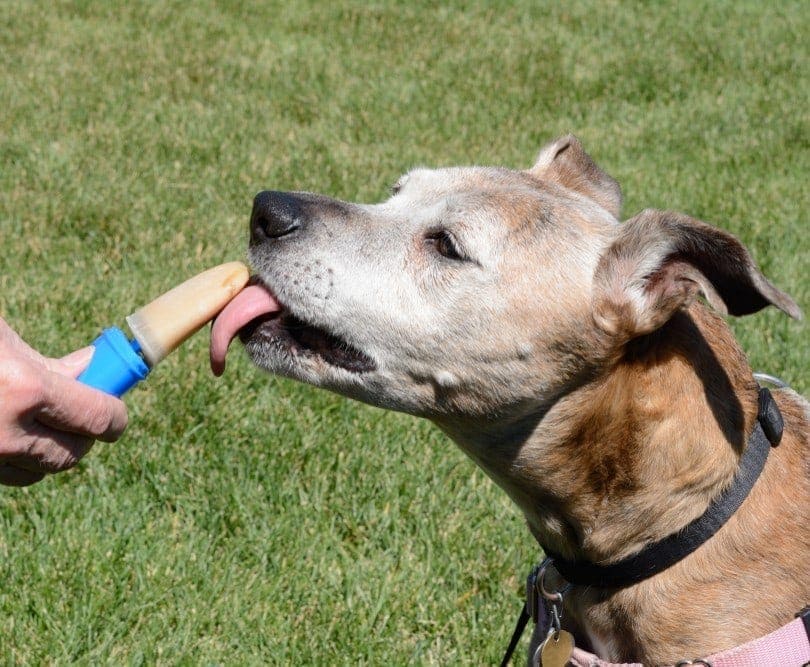
Yes dogs can lick popsicles, but not all popsicles are created equal when it comes to canine consumption. While sharing your frozen treat might seem like a kind gesture, many store-bought popsicles contain ingredients that could harm your furry friend.
As a responsible pet parent, I always check ingredients before sharing any human food with my dogs. When it comes to popsicles, there are definitely some do’s and don’ts to keep in mind.
Potential Health Concerns with Store-Bought Popsicles
Store-bought popsicles designed for humans often contain ingredients that can be problematic for dogs
-
Sugar and artificial sweeteners: Too much sugar can contribute to obesity and dental problems in dogs. Worse yet, xylitol (an artificial sweetener) is extremely toxic to dogs even in small amounts.
-
Dairy products: Many popsicles contain ice cream or frozen yogurt. While small amounts might be okay for some dogs, many canines are lactose intolerant and can experience gas, diarrhea, bloating, and vomiting after consuming dairy.
-
Chocolate: Some popsicle varieties contain chocolate, which contains theobromine that’s toxic to dogs. Dark chocolate with high cocoa content is especially dangerous, requiring only a small amount to cause serious problems.
-
Other toxic ingredients: Some popsicles might contain raisins, macadamia nuts, or other ingredients that are toxic to dogs.
Beyond toxicity concerns, the artificial flavors and sweeteners common in commercial popsicles can be particularly problematic for dogs with diabetes.
Benefits of Dog-Friendly Popsicles
Despite the concerns with store-bought options, dog-friendly popsicles offer several benefits:
-
Cooling effect: Popsicles can help keep your dog cool during hot weather, preventing dehydration and heat stroke.
-
Hydration: The water content in frozen treats helps with hydration, which is critical during summer months.
-
Enrichment: Frozen treats provide mental stimulation and can help prevent boredom.
-
Training rewards: Homemade popsicles can serve as healthy, special treats for training or rewarding good behavior.
My pup Maxie gets so excited when I pull out the homemade frozen treats during our training sessions in summer!
Healthy Frozen Treat Ideas for Your Dog
Instead of sharing your popsicle, why not create nutritious and safe frozen treats specifically for your canine companion? Here are some ideas:
Frozen Kong or Puzzle Toys
One of my favorite ways to give frozen treats is using a Classic Kong or West Paw Toppl. These rubber toys have hollow centers perfect for stuffing with healthy ingredients before freezing:
- Mashed banana
- Canned pumpkin (no more than a tablespoon per serving)
- Canned dog food mixed with kibble
- Peanut butter (xylitol-free)
- Diced apples, peas, or carrots
- Plain yogurt
- Dog treats
Simply mix your chosen ingredients, fill the toy, seal the top with a bit of peanut butter, and freeze overnight. I keep a few in my freezer at all times for those days when I need to keep my pup occupied!
Simple Fruit and Veggie Popsicles
Frozen fruits and vegetables make excellent popsicle alternatives:
- Frozen green beans
- Banana chunks
- Strawberries
- Blueberries
- Peach pieces
- Frozen carrots
My dog absolutely loves frozen carrot sticks in summer – they’re like nature’s popsicles!
Homemade Popsicle Recipes
Try these simple recipes for dog-friendly popsicles:
Peanut Butter Banana Pops:
- Blend peanut butter and banana until smooth
- Pour into ice trays or paper cups
- Freeze for several hours
Yogurt Fruit Pops:
- Mix plain yogurt with fresh fruit juice
- Puree until smooth
- Freeze in popsicle molds
Hydration Popsicles:
- Dilute Pedialyte or Gatorade with water (to reduce sugar)
- Freeze in popsicle containers
- Serve to help with hydration on hot days
I’ve tried all these recipes with my dogs, and the peanut butter banana pops are definitely their favorite!
Simple Ice Cubes
Sometimes the simplest solution is best. Plain water frozen in ice cube trays makes a perfectly acceptable “popsicle” for most dogs. They often enjoy the coldness more than anything else.
Tips for Serving Popsicles to Dogs
When giving your dog any frozen treat, keep these tips in mind:
-
Moderation is key: Too many treats, even healthy ones, can lead to obesity and other health issues. Treats should make up no more than 10% of your dog’s daily calorie intake.
-
Introduce slowly: As with any new food, introduce frozen treats gradually to ensure your dog doesn’t have any adverse reactions.
-
Be aware of your dog’s needs: Some dogs with sensitive teeth might find very cold treats uncomfortable. Others might try to swallow pieces whole, creating a choking hazard.
-
Consider size: For smaller dogs, large frozen treats could be a choking hazard. Always supervise your pet when enjoying frozen goodies.
-
Know your dog’s allergies and intolerances: Be aware of any food sensitivities your dog has before creating homemade treats.
When Popsicles Can Actually Help
There are situations where popsicles (the right kind) can actually help your dog:
-
Heat waves: During extremely hot weather, frozen treats can help prevent heat stroke.
-
After exercise: A small frozen treat can help cool down an active dog after exercise.
-
Hydration support: For dogs who don’t drink enough water, frozen treats can provide additional hydration.
One summer, my dog was showing signs of mild dehydration during a heat wave. Homemade frozen treats with diluted Pedialyte helped tremendously in getting him to take in more fluids.
Signs Your Dog May Be Having Issues with Popsicles
Watch for these signs that could indicate your dog isn’t tolerating the frozen treats well:
- Vomiting or diarrhea
- Excessive drooling
- Lethargy
- Abdominal discomfort
- Allergic reactions (hives, itching, swelling)
If you notice any of these symptoms after your dog has enjoyed a popsicle, discontinue offering them and consult your veterinarian.
Community Tips from Other Dog Owners
Many dog owners have shared their experiences with giving popsicles to their pets:
Norah says she makes fruit popsicles for her two dogs, who also enjoy healthy foods like lettuce, carrots, broccoli, apples, and bananas.
Richard has a clever approach for dog park visits: “When it is over 80 degrees I bring ice cubes to the dog park. I empty the whole tray into a small cooler. My Lab shows the other dogs how to bob for ice cubes so they can help themselves when they want a cool treat.” (Just be cautious with small dogs as ice cubes could be a choking hazard.)
Final Thoughts
So, can dogs lick popsicles? Yes, but it’s best to offer dog-specific frozen treats rather than sharing your human popsicle. By making homemade frozen treats with dog-safe ingredients, you can provide your furry friend with a refreshing snack that’s both enjoyable and healthy.
Remember that moderation is key, and treats should make up only a small portion of your dog’s diet. When in doubt about an ingredient, it’s always better to err on the side of caution or consult with your veterinarian.
I’ve found that making homemade popsicles for my dogs is not only safer but also more economical than buying specialized dog treats. Plus, there’s something special about seeing the joy on their faces when they get their very own frozen goody on a hot summer day!
What’s your experience with giving your dog frozen treats? Have you found a recipe that your furry friend particularly enjoys? I’d love to hear about it!
DIY Dog-Friendly Frozen Treats
While yogurt is a dairy product and it’s best to steer clear of dairy with dogs, fresh plain yogurt with good bacteria is often easier for dogs to tolerate. To avoid dairy altogether, substitute coconut milk (read the label to look for xylitol or other harmful ingredients).
Frozen green beans or fruits (such as a few blueberries or small chunks of banana, strawberries, or peaches) are a quick treat. If you’re purchasing packaged frozen items from the grocery store, be sure to read the labels to ensure there is no added seasoning.
Combine ripe banana, pumpkin, or sweet potato with plain yogurt or coconut milk together and freeze in a mold or ice cube tray. Or use a blender or food processor to puree watermelon, cantaloupe, or honeydew. Fill ice cube trays or silicone molds and freeze.

You can also use the pureed melon to make “ice cream” by stirring frozen yogurt or coconut milk into the pureed fruit. Freeze in a freezer-safe bowl.
Another option is to fill an ice cube tray with pureed bananas and add a dollop of freshly-ground peanut butter on top and freeze. The best way to make sure the peanut butter you use is xylitol-free is to use only freshly-ground peanut butter, often available at natural food stores.
Combine grilled chicken, yogurt (or chicken broth), and cooked carrot in a food processor and freeze. Or you can fill your dog’s favorite chew toy with one of the above recipes and freeze it for added chew time.
Along with the above fun treats, enjoy the summer months with your dog with plenty of activity and fresh, clean water for hydration.
Reasons to Avoid Feeding Dogs Ice Cream
Dairy products top the list of food intolerances for dogs. For some dogs, dairy consumption can result in vomiting, diarrhea, and abdominal discomfort. For that reason, only small amounts should be offered at a time. You can wait to see if and how your dog reacts.
However, keep in mind that chocolate and macadamia nuts are toxic to dogs, so only plain vanilla or fruit flavors should ever be considered. Weight management is key to a healthy dog. Lots of added sugars, such as in ice cream and other sweet treats, can cause weight gain and dental issues.
Another hidden potential hazard is xylitol. Many ice creams, frozen yogurts, and popsicles contain this highly toxic and potentially deadly ingredient. You should ask if there are any artificial sweeteners in the ice cream before offering it to your dog, especially if your dog is such a small breed.
Additionally, popsicle sticks can become lodged in a dog’s mouth and possibly cause severe splintering or intestinal dangers.
The good news is that you can still spoil your dog on a hot day with vet-approved frozen treats and dog-friendly “ice cream” options you can prepare and store in your freezer.
The Ending Is Crazy
FAQ
Can dogs eat popsicles?
Many dogs are lactose intolerant meaning that they have difficulty digesting milk and other dairy products. Popsicles designed for humans can also include toxic substances such as the artificial sweetener xylitol, macadamia nuts, and raisins. Xylitol and raisins are toxic to dogs even in small amounts, so they should be always avoided.
Are Popsicle sticks poisonous to dogs?
There are two main risks for dogs when it comes to popsicle sticks and they are poisonous wood and piercing sticks. Sticks are usually made of wood, but there are many different types of wood and some of them could be potentially poisonous for your pup. Applewood, for example, is especially toxic for dogs as it contains high levels of cyanide.
Can dogs have ice cold Popsicle treats?
With this approach, your dog can have an ice cold popsicle treat anytime. An ordinary ice tray does the trick! There are many cases of dogs losing consciousness from sun exposure. Heat stroke can easily occur when they get badly dehydrated and the damage can quickly worsen once your dog is weakened and vulnerable.
Should I give my Dog a popsicle?
If you decide to give your dog a popsicle, it’s important to focus on moderation and portion size. Always keep an eye on your dog after giving them a popsicle, watching for signs of stomach upset or any other negative reactions. If you notice any issues, stop feeding them popsicles immediately.
Are popsicles bad for dogs with diabetes?
Even if the sugar, artificial flavors, or sweeteners that are common in popsicles are not toxic, they can contribute to obesity and can be a particular problem for dogs with diabetes. Healthy frozen treats can be helpful to keep your dog cool on hot days, as a special treat to reward your dog, and for enrichment.
Are frozen popsicles bad for dogs?
Too many treats, on top of a healthy diet, can lead to canine obesity and this can wreak havoc on your dog’s body, especially if your dog is prone to joint issues like hip dysplasia. Many manufactured popsicles include frozen dairy items such as ice-cream or frozen yogurt.
What happens if a dog licks a popsicle?
Dogs may experience mild gastrointestinal upset or allergic reactions from ingesting citrus products. Lime ingestion in small amounts, such as two licks of a popsicle, is generally not toxic to dogs. Symptoms to watch for include drooling, vomiting, or diarrhea.
What flavor popsicles can dogs eat?
For dogs, popsicles can be made from any dog-friendly vegetables and fruits like watermelon, carrots, pumpkin, blueberry, yogurt, bone broth, and peanut butter.
Is it okay to give my dog popsicles?
No, dogs generally cannot eat human popsicles because they often contain toxic ingredients like xylitol and high amounts of sugar, which can cause digestive upset, obesity, and other health issues. Instead of human popsicles, provide dogs with homemade frozen treats made from dog-safe ingredients like fruit purées and plain yogurt to keep them cool and hydrated on hot days. Always monitor your dog for adverse reactions and consult a veterinarian if you’re unsure about any new food.