
As responsible dog parents, we all know how crucial it is to keep our furry family member hydrated. Water is undoubtedly the best and most essential drink for dogs. However, you may wonder if there are any other safe and healthy options to offer your canine family members. In this blog post, we will explore various alternatives to water that dogs can safely enjoy.
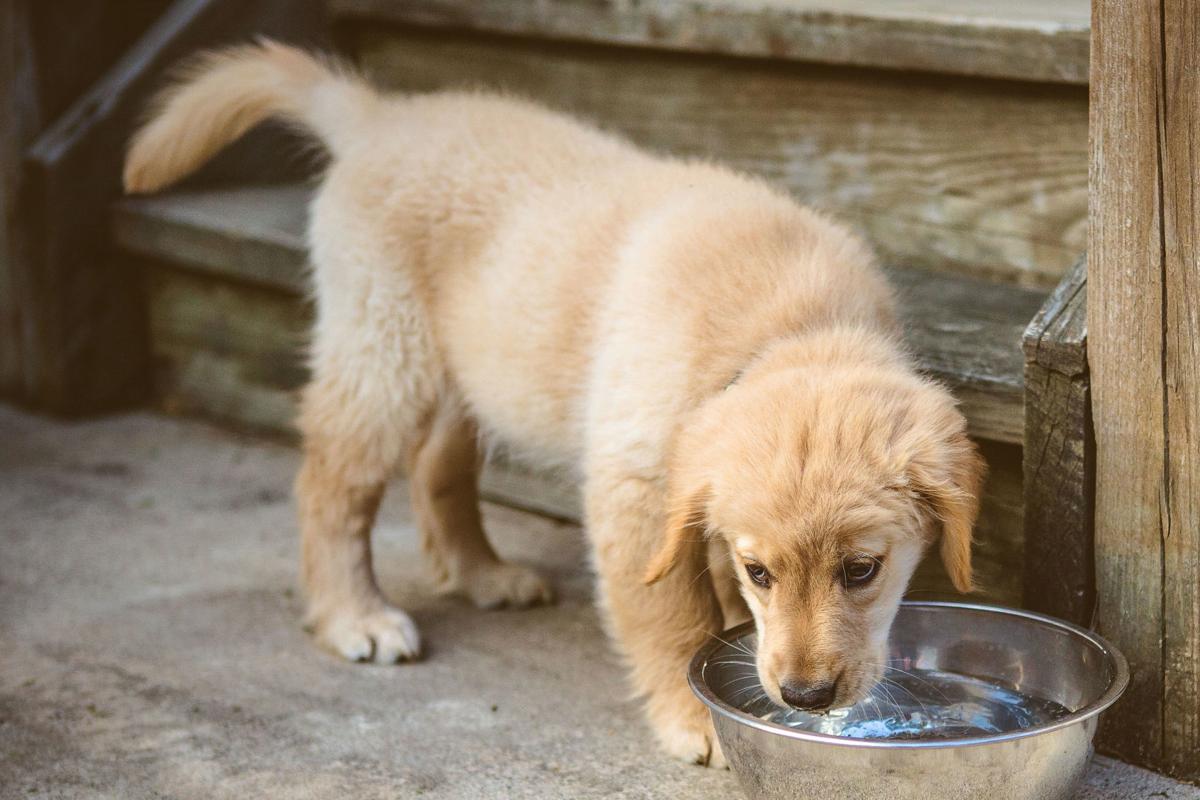
Before exploring safe drinking options for dogs, it’s vital to understand the significance of their daily water intake. Water serves as the primary source of hydration for our canine companions, playing a crucial role in maintaining their overall health and well-being. Dogs rely on an adequate water supply for proper organ function, transportation of nutrients, cognitive support, and more. Just like humans, water is essential to dogs, and dehydration can lead to severe health issues. Therefore, ensuring a constant supply of clean, fresh water is paramount for keeping our furry friends happy and healthy.
Bone broth is a nutrient-rich liquid made by simmering animal bones and connective tissues. It provides essential minerals and amino acids, which can be beneficial for dogs’ joint health and digestion. Make sure the bone broth is homemade or specifically formulated for dogs, without any added seasonings or onions.
Coconut water is a refreshing and hydrating drink for both humans and dogs. It contains electrolytes, vitamins, and minerals that can help replenish lost fluids. However, it’s essential to choose unsweetened and unflavored coconut water, as added sugars and artificial flavors can be harmful to dogs.
Certain herbal teas, when properly prepared, can be safe for dogs to consume. Chamomile tea, for instance, is known for its calming properties and may help dogs with anxiety or upset stomachs. Other suitable options include peppermint and ginger tea, which can aid in digestion. Always ensure that the tea is caffeine-free and free from any additives.
Goat’s milk is a nutritious alternative to cow’s milk for dogs. It is easier to digest and contains lower levels of lactose. Goat’s milk is rich in vitamins, minerals, and probiotics that promote a healthy gut. However, it’s crucial to select goat’s milk specifically meant for dogs, as regular goat’s milk may not be suitable due to differences in composition.
Kefir, a fermented milk product rich in probiotics, offers numerous benefits for dogs. Probiotics, the “good bacteria,” enhance gut health and alleviate digestive issues. Introducing kefir to your dog’s diet can promote a healthier digestive system and contribute to overall well-being.
To keep your adult dog from experiencing any digestive issues, nut milk is the ideal choice as many adult dogs are lactose intolerant. Nut milk, such as almond or cashew milk, is packed with beneficial nutrients like vitamin E and vitamin B3. Just remember to opt for unsweetened varieties without any added ingredients, and offer only small amounts to your furry friend.
Some fruit and vegetable juices can be safe for dogs in moderation. Juices made from dog-friendly fruits like apples, oranges, or watermelons can offer a refreshing treat while providing hydration. It’s important to dilute the juice with water to reduce the sugar content and avoid excessive consumption.
On hot summer days, ice cubes and homemade dog-friendly popsicles can help keep your pup cool and hydrated. You can freeze low-sodium chicken or beef broth, diluted fruit juices, or even pureed fruits and vegetables to make tasty frozen treats. Always ensure the ingredients are safe and suitable for dogs.
Pedialyte, an electrolyte-enhanced drink, is safe for dogs and can help quickly rehydrate their bodies. Ensure you choose the unflavored type and follow the dosage recommended by your veterinarian. Start by offering a small amount to check if your pup enjoys this healthy Pedialyte option.
There are also electrolyte hydration products on the market specifically designed for dogs, such as HydrADE, you can give your dog if he or she becomes dehydrated, such as after trauma, stress, illness, travel or exercising more than usual.
While these alternatives can supplement your dog’s water intake, it’s crucial to keep a few key considerations in mind:
Now that you know about the alternative drinks for your furry friend, you may wonder how often you can offer them. While each dog’s stomach sensitivity differs, it’s generally safe to treat your pup with these beverages 3-4 times per week. Remember, these drinks should be considered treats and should not exceed the 10% calorie rule. Your dog’s daily treat intake, including dog-safe beverages, should never exceed 10% of their daily caloric intake. Ensuring moderation will help maintain a balanced diet and overall well-being for your canine companion.
Dogs may have individual sensitivities or allergies to certain ingredients. Introduce any new drink gradually and observe your dog’s response. If any adverse reactions occur, discontinue the drink immediately and consult your veterinarian.
If you have concerns about your dog’s hydration or if they have specific health conditions, it’s best to consult with your veterinarian. They can provide personalized guidance based on your dog’s needs.
Have you ever caught your fur baby giving you those puppy dog eyes while you sip on your morning coffee or afternoon juice? As pet parents, we often wonder if our four-legged friends get bored with plain old water day after day. I mean, we humans enjoy a variety of beverages, so shouldn’t our dogs have some options too?
The short answer is fresh, clean water is still the best choice to keep your dog hydrated But does that mean water is the only safe option? Not necessarily!
In this comprehensive guide, I’ll walk you through everything you need to know about canine hydration – from why water is essential to what other liquids might be safe for occasional treats Let’s dive in and quench our curiosity about what our pups can safely drink!
Why Water is Essential for Dogs
Before we explore alternatives. let’s understand why water is so crucial for our canine companions
- Regulates body temperature – especially important during hot weather or after exercise
- Aids digestion and helps nutrients get absorbed properly
- Flushes toxins from your dog’s system
- Keeps joints lubricated for better mobility
- Supports organ function and overall health
A healthy dog should drink approximately 1 ounce of water per pound of body weight each day. So a 50-pound dog needs about 50 ounces (or about 6 cups) of water daily, though this can vary based on activity level, weather, and diet.
Do Dogs Get Bored with Water?
Many pet owners wonder if their dogs might enjoy some variety in their drinking options. However, unlike humans, dogs typically don’t get “bored” with water. Wild canines rely entirely on water for hydration throughout their lives (except during nursing as puppies).
That said, some picky pups might need a little encouragement to drink enough, which is where some of our safe alternatives might come in handy!
7 Safe Alternatives Dogs Can Drink Besides Water
While water should always be your dog’s primary source of hydration, here are seven dog-friendly liquids that can be offered occasionally:
1. Low-Sodium Vegetable or Meat Broth
Unsalted broth makes a tasty treat that many dogs absolutely love! You can either:
- Purchase commercial dog-safe broths
- Make your own from beef or chicken (ensuring all bones are removed)
Bone broth is particularly nutritious, offering:
- Glucosamine and chondroitin for joint health
- Additional protein
- A tempting aroma that encourages drinking
Just remember – the key word here is LOW-SODIUM. Regular broths can contain way too much salt for your pup.
2. Coconut Water (Unsweetened)
Coconut water is safe for dogs and packs some nutritional benefits:
- Contains potassium
- Provides vitamin C and B-vitamins
- Helps with rehydration
Always ensure it’s plain coconut water without added sugars or flavors.
3. Pedialyte (Unflavored)
Pedialyte is an electrolyte-enhanced water that can be especially helpful for:
- Dogs recovering from illness
- Pups who may be dehydrated
- Active dogs after strenuous exercise
Only offer the unflavored version, and check with your vet for proper dosage recommendations.
4. Small Amounts of Pure Fruit Juice
Your dog can enjoy tiny amounts of pure fruit juice from dog-safe fruits occasionally. However:
- Avoid grape juice (toxic to dogs)
- Skip citrus juices (too acidic)
- Never give juices with added sugars
A few tablespoons of diluted apple juice might be OK as a rare treat, but this shouldn’t be a regular offering.
5. Nut Milks (Unsweetened)
Some dogs enjoy nut milks like:
- Almond milk
- Cashew milk
These can provide vitamins E and B3, but must be:
- Unsweetened
- Free from additives
- Given in small amounts
Avoid macadamia nut milk as macadamias are toxic to dogs.
6. Vegetable Juice
Pure juice made from dog-safe vegetables can be a nutritious addition:
- Carrot juice
- Cucumber juice
- Broccoli juice
However, in most cases, feeding the whole vegetable is more beneficial than just the juice.
7. Kefir (Plain, Unsweetened)
Plain kefir in small amounts can offer probiotic benefits for some dogs. However, since many adult dogs are lactose intolerant, watch carefully for any signs of digestive upset.
What Dogs Should NEVER Drink
Just as important as knowing what’s safe is understanding what beverages are dangerous for your furry friend:
Absolute No-Nos:
-
Alcohol – Can cause serious problems including:
- Breathing difficulties
- Vomiting and diarrhea
- Potential death even in small amounts
-
Caffeinated Drinks – Contains methylxanthine which is toxic to dogs:
- Coffee
- Tea
- Energy drinks
-
Chocolate Drinks – Contains theobromine which negatively affects:
- Circulatory system
- Nervous system
- Kidneys
-
Grape Juice or Wine – Grapes can cause kidney failure in dogs
-
Sugary Drinks – Can lead to:
- Obesity
- Dental problems
- Diabetes
-
Anything with Artificial Sweeteners – Especially xylitol, which can cause:
- Seizures
- Liver failure
- Death
-
Cow’s Milk – Many adult dogs are lactose intolerant, leading to:
- Gas
- Diarrhea
- Stomach discomfort
When Might Alternative Drinks Be Helpful?
While water should always be your dog’s main beverage, there are some situations where alternatives might serve a purpose:
As an Occasional Treat
Just like we enjoy a special drink sometimes, your dog might appreciate a little variety as a treat. Freezing low-sodium broth into ice cubes can make a refreshing summer treat!
For Picky Drinkers
Some dogs don’t drink as much water as they should. Adding a splash of something tasty to their water bowl might encourage better hydration habits.
During Recovery
If your dog is recovering from illness or surgery, electrolyte solutions like unflavored Pedialyte (with vet approval) might help them bounce back more quickly.
To Supplement Nutrition
Some liquid additions might provide extra nutrients. For example, bone broth can add protein and joint-supporting compounds to your dog’s diet.
How to Introduce New Liquids to Your Dog
When offering your dog something besides water:
- Start small – Begin with just a tablespoon or two
- Monitor for reactions – Watch for any signs of digestive upset
- Introduce gradually – Don’t suddenly replace water with new liquids
- Consult your vet – Especially important for dogs with existing health conditions
My Experience: What Worked for My Pup
My golden retriever, Max, has always been a good water drinker, but during summer hikes, I noticed he sometimes seemed reluctant to drink enough afterward. I started freezing low-sodium chicken broth into ice cubes that I bring along in a small cooler.
He absolutely LOVES these frozen treats after a long walk, and they help ensure he’s getting some extra hydration when he needs it most. It’s become our little post-adventure ritual!
FAQs About What Dogs Can Drink
Can puppies drink anything besides water?
Puppies should primarily drink water and mother’s milk or appropriate puppy formula if needed. Other liquids should only be introduced under veterinary guidance.
How do I know if my dog is dehydrated?
Signs include:
- Dry gums
- Loss of skin elasticity
- Lethargy
- Sunken eyes
- Dark urine
Can dogs drink tap water?
In most places, tap water is safe for dogs. If you’re concerned about your water quality, filtered water is a good option.
Should I leave water out for my dog all day?
Yes! Dogs should have access to fresh, clean water at all times unless otherwise directed by your veterinarian.
Can dogs drink bottled water?
Yes, bottled water is safe for dogs, though not necessary if your tap water is clean and safe.
The Bottom Line
While fresh, clean water is still the best choice to keep your dog hydrated, there are several safe alternatives that can be offered occasionally. Remember to avoid sugary drinks and cow’s milk, both of which can cause digestive upset. If you do offer alternatives, stick to low-sodium broths or no-sugar-added electrolyte drinks.
Every dog is unique, so what works for one might not work for another. Always observe your dog’s reaction to new beverages and consult with your veterinarian if you have any concerns about your pet’s hydration needs.
What about your furry friend? Have you discovered a dog-friendly beverage they particularly enjoy? Share your experiences in the comments below!
Liquids You Should Never Give Your Dog
While there are various safe and healthy liquid options for dogs, it’s essential to be aware of the liquids that should never be given to your canine companion. Here are some liquids you should never give to your dog:
-
Alcoholic Beverages
Alcohol is toxic to dogs and can cause severe health complications, including intoxication, liver damage, and even death. Never offer alcoholic beverages to your dog under any circumstances.
-
Caffeinated Drinks
Drinks like coffee, tea, energy drinks, or soda contain caffeine, which is harmful to dogs. Caffeine can lead to increased heart rate, restlessness, tremors, and in severe cases, caffeine poisoning. Keep these beverages out of your dog’s reach.
-
Milk and Dairy Products
While puppies can tolerate milk during their early stages, many adult dogs are lactose intolerant. Milk and dairy products can cause digestive issues, including diarrhea and upset stomach. Avoid giving your dog regular cow’s milk, cheese, or ice cream.
-
Sugary Drinks
Drinks with high sugar content, such as fruit juices or sweetened beverages, should not be given to dogs. Excessive sugar consumption can lead to obesity, dental problems, and an increased risk of diabetes. Stick to unsweetened and diluted options if offering fruit juices in moderation.
-
Drinks Containing Artificial Sweeteners
Drinks containing artificial sweeteners should never be given to dogs. Artificial sweeteners like xylitol are highly toxic to dogs and can lead to a rapid drop in blood sugar levels, liver damage, and even death. It’s crucial to read labels carefully and ensure that any drinks you offer your dog are free from artificial sweeteners to keep them safe and healthy.
-
Carbonated Drinks
Carbonated beverages can cause bloating and discomfort in dogs. The carbonation can lead to excess gas and potentially gastric dilatation-volvulus (GDV), a life-threatening condition. Avoid giving your dog carbonated drinks, including soda or sparkling water.
-
Fruit Juice Concentrates
Concentrated fruit juices are typically high in sugar and may contain additives and preservatives that are unsafe for dogs. Always check the labels and avoid giving your dog concentrated fruit juice.
-
Medications and Human Supplements
Never administer human medications or supplements to your dog without veterinary guidance. Many medications can be toxic to dogs, and the dosage needs to be specifically prescribed by a veterinarian.
While water should always be the primary source of hydration for dogs, there are safe and healthy alternatives to explore. Bone broth, coconut water, herbal teas, goat’s milk, kefir, fruit and vegetable juices, Pedialyte, and homemade frozen treats can provide variety and additional hydration for your furry friends. Remember to offer these alternatives in moderation and prioritize your dog’s overall health and well-being. As always, consult with your veterinarian for specific recommendations and guidelines tailored to your dog’s needs.
What’s your dog’s favorite beverage to drink? Has he or she tried any of the water alternatives listed above? Please leave a comment below!