
Litter box training is usually associated with cats, but its a viable solution for dogs as well. Contrary to common belief, with proper training and patience, dogs can use litter boxes effectively. Owners living in apartments or without immediate access to outdoor spaces might find this option particularly beneficial. Training a dog to use a litter box is not just a possibility but can be a practical component in a pet’s life.
Determining whether litter box training is suitable for your dog involves understanding your dogs size, habits, and the commitment required for training. Small breeds are generally more adaptable to using a litter box due to their size, while larger dogs may need alternative solutions. Regular maintenance and hygiene are crucial to ensure the health and comfort of both the pet and the owner, as well as to prevent any unwanted odors or messes in the home.
Is Your Pooch Ready for the Litter Box Life?
Hey there, fellow dog parents! I’ve been wondering about this question for ages, and I bet you have too. Can dogs actually use kitty litter? The good news is YES – dogs can absolutely use cat litter, and some pups can learn this skill pretty easily!
As someone who’s had both cats and dogs under one roof, I’ve experimented with this solution during those crazy workdays when I couldn’t get home for a midday potty break. Let me share everything I’ve learned about dogs and kitty litter to make your life (and your furry friend’s life) a whole lot easier.
Why Would You Want Your Dog to Use Kitty Litter?
Life happens, and sometimes our regular dog routines get disrupted. Here are some real situations where teaching your dog to use kitty litter might be a gamechanger:
- You work long hours and can’t always make it home for a potty break
- Your dog is recovering from illness and has limited mobility
- Extreme weather conditions make outdoor potty breaks miserable or dangerous
- You live in a high-rise apartment with no quick access to outdoor areas
- Your senior dog has trouble holding it through the night
These days, more and more dog owners are looking into litter box training as a backup solution. It provides peace of mind knowing your pup won’t be uncomfortable if they need to go when you’re not around.
Signs Your Dog Needs to Go (And It’s Litter Box Time!)
Unlike cats who naturally gravitate toward litter, dogs need a bit more guidance. They don’t have the same instincts about burying their business. To successfully litter train your pup, keep an eye out for these tell-tale potty signals:
- Sitting by the door and whining or barking
- Trying desperately to get your attention
- Acting restless and unsettled
- Sniffing around at the floor or doorways
- Going around in circles
- Pacing back and forth nervously
When you notice these signs, that’s your cue! For small dogs or puppies, gently place them in the litter box. For larger dogs, you’ll need to coax them toward it. A super helpful tip I’ve found is placing your doggo in the litter box after meals or drinks – this helps develop good bathroom habits.
The Fascinating History of Kitty Litter (That Now Benefits Dogs!)
Did you know that cat litter was invented by businessman Edward Lowe? It was originally designed exclusively for cats (hence the name), but the applications for dogs have become increasingly important in recent years.
While most dogs handle their business outdoors during walks or backyard playtime, there are plenty of situations when that’s just not possible. That’s why more dog parents are teaching their pooches to use litter boxes as a backup option.
Picking the Right Litter for Your Dog
Cat owners know this struggle all too well – cats can be SUPER picky about their litter. If they don’t like it, they’ll flat-out refuse to use it!
Dogs might not be quite as fussy, but they definitely have preferences. You might need to experiment with different types until you find one your pup is comfortable with. Once you discover the winning formula, your dog will be much more likely to use the litter box instead of your fancy carpet.
Here are some common types of litter to consider:
- Crystal litter – Highly absorbent but can be rough on sensitive paws
- Wood chip litter – Natural option with good odor control
- Clumping cat litter – Makes cleanup easier but can be dusty
- Odor control litter – Great for keeping your home fresh
I personally recommend investing in high-quality litter even though it costs a bit more. The premium options are typically more appealing to dogs, control odors better, keep your house cleaner, and need changing less frequently because they’re more absorbent. Trust me, your nose will thank you!
How to Train Your Dog to Use Kitty Litter
Alright, here’s where the rubber meets the road! Training your furry friend to use litter requires patience and consistency, but it’s totally doable. The approach varies depending on your dog’s age and size:
For Puppies:
Puppies are like little sponges – they learn new tricks faster than older dogs To litter train a puppy
- Watch for potty signals (circling, sniffing, whining)
- Gently pick them up and place them in the litter box
- Put them in the box after meals, naps, and playtime
- Use the scoop to make noise in the litter – this helps them understand it’s okay to dig
- Praise and reward them enthusiastically when they use it correctly!
For Bigger Dogs:
With larger dogs, you obvi can’t just pick them up and plop them in the box. Try this approach instead:
- Start by placing the litter box in your backyard where they normally go potty
- Guide them to use it outside where they’re already comfortable
- Once they’re used to the box outside, gradually move it indoors
- Use consistent commands like “go potty” when they’re near the box
- Celebrate successes with treats and praise
One technique that worked wonders with my stubborn Labrador was introducing the litter gradually. I mixed a small amount of litter with soil from his favorite outdoor potty spot. The familiar scent helped him understand what the litter box was for.
Pros and Cons of Dogs Using Kitty Litter
Like anything in life, there are upsides and downsides to teaching your dog to use kitty litter. Let’s be real about it:
Pros:
- Emergency bathroom option when you can’t get home
- Perfect for extreme weather conditions
- Great for dogs with mobility issues or seniors
- Helpful for apartment dwellers without easy outdoor access
- Peace of mind when you’re away from home longer than expected
Cons:
- Some dogs never quite get the hang of it
- Larger dogs need bigger boxes which take up more space
- More frequent cleaning required compared to cat litter boxes
- Some dogs may try to eat the litter (yuck!)
- Can be messy if your dog is a digger or kicker
Common Questions About Dogs Using Kitty Litter
Is cat litter safe for dogs?
Most cat litters are non-toxic, but that doesn’t mean they should be ingested. If your dog tends to eat strange things, you’ll need to monitor them closely or choose a dog-specific litter.
What size litter box does my dog need?
The box should be large enough for your dog to turn around completely. For medium to large dogs, you might need to repurpose a storage container as most commercial litter boxes are too small.
How often should I clean the litter box?
Much more frequently than for cats! I recommend scooping solid waste immediately and changing the litter completely every 2-3 days.
Will using litter confuse my house-trained dog?
Not typically. Think of litter training as an additional skill, not a replacement for outdoor potty breaks. Continue your regular walking schedule while offering the litter box as a backup.
What if my dog refuses to use the litter box?
Some dogs just aren’t into it, and that’s okay! Try different types of litter, locations for the box, or consider alternative indoor potty solutions like pee pads or artificial grass patches.
My Personal Experience with Dog Litter Training
I’ll be honest – getting my Boston Terrier mix to use kitty litter wasn’t exactly a walk in the park. The first few attempts were straight-up disasters with more litter outside the box than in it! But with consistency and a ton of positive reinforcement, he eventually got the hang of it.
The game-changer for us was using a covered litter box. My little guy loved the privacy, and it cut down on the mess dramatically. Now he uses it confidently when we can’t make it outside in time.
One thing I wish I’d known earlier: puppy-specific litter exists and can be super helpful during the training process! These products often contain attractants that encourage dogs to use them.
Final Thoughts on Dogs and Kitty Litter
Teaching your dog to use kitty litter can be a total lifesaver in certain situations. While not every dog will take to it naturally, with patience and the right approach, many can learn this handy skill.
Remember that litter box training should complement regular outdoor potty breaks, not replace them completely. Dogs still need their walks for exercise, mental stimulation, and the joy of sniffing everything in sight!
Have you tried litter training your dog? I’d love to hear about your experiences in the comments! Did it work? What type of litter did your pup prefer? Any clever training techniques that made the process easier?
And if you’re just starting your litter training journey, don’t get discouraged if there are accidents along the way. Every dog learns at their own pace, and celebrating small victories is key to successful training. You’ve got this, and your furry friend will thank you for the indoor option when nature calls and you’re not available for door duty!
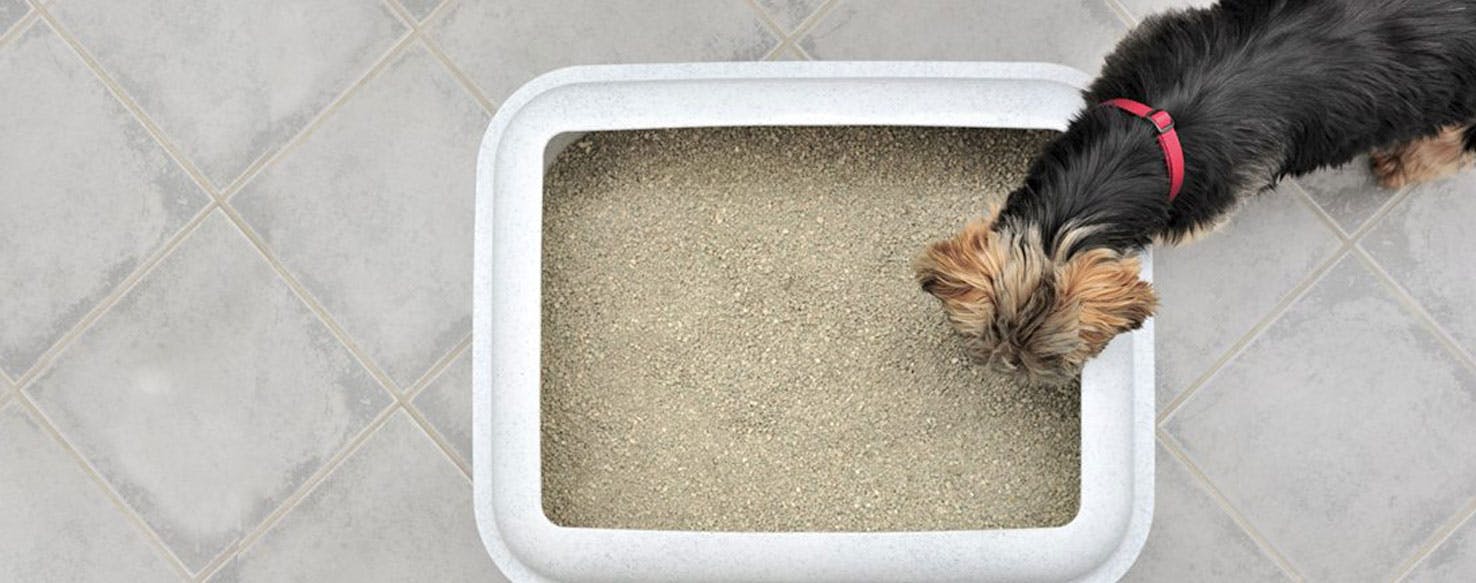
Understanding Your Dog’s Preferences
Every dog is an individual with unique preferences, and some may take to a litter box more readily than others. Observing ones pet and understanding their behavior and habits is crucial to discern if a litter box is a good fit for their needs.
- Behavioral Observation: Note your dogs bathroom habits and preferences.
- Consistency: Maintain a regular schedule and area for the litter box to help your dog adapt.
Understanding Litter Box Training for Dogs
Source and Video Credit: Hazel_TheMiniWiener
Litter box training for dogs is a practical option for pet owners, especially those living in apartments or without immediate outdoor access. This training involves teaching a dog to use a litter box for elimination, a practice more commonly associated with felines.