
Soft Coated Wheaten Terriers are beautiful and friendly terriers that once played the role of farm dogs in Ireland. Their name came from the golden wheat on the farmlands. But Soft Coated Wheaten Terriers are more than a silky coat and a handsome goatee! Read on to learn more about this breed.
Are you tired of finding dog hair all over your house? Wondering if Wheaten Terriers could be the solution to your furry dilemma? Well, you’ve come to the right place! As someone who’s spent years around these adorable furballs, I’m gonna share everything you need to know about Wheaten Terriers and their shedding habits.
The Quick Answer: Do Wheaten Terriers Shed?
Yes, Wheaten Terriers do shed – but very little! These pups are considered low-shedding dogs and are often listed as hypoallergenic breeds. This makes them a fantastic choice for people with allergies or those who simply hate cleaning up dog hair.
Understanding the Wheaten Terrier’s Unique Coat
One of the most distinctive features of the Soft Coated Wheaten Terrier is their gorgeous, silky coat Unlike many other dog breeds, Wheaten Terriers don’t have an undercoat – they only have a single coat layer This is a major reason why they shed so little compared to double-coated breeds.
Their coat has a few special characteristics:
- Soft, silky texture (hence the name “Soft Coated”)
- Wavy appearance
- Wheat-like color (ranging from pale beige to gold)
- Grows continuously, similar to human hair
Because their hair grows continuously rather than following a seasonal shedding cycle Wheaten Terriers lose hair gradually throughout the year instead of “blowing their coat” seasonally like many other breeds.
The Reality of Living with a Wheaten Terrier
When I first brought my Wheaten Terrier, Barley, home, I was thrilled about the low-shedding qualities. But here’s the honest truth – while they don’t shed much, they’re not completely “shed-free” dogs. You’ll still find some hair around your home, just considerably less than you would with high-shedding breeds like German Shepherds or Huskies.
Here’s what you can expect
- Minimal hair on furniture and clothes
- Less frequent vacuuming needed
- Fewer allergens in your home
- Some loose hair during brushing sessions
- More shedding after baths
The Trade-Off: Grooming Requirements
While Wheaten Terriers spare you from constant vacuuming, they demand something else in return – regular grooming! Their beautiful coats require consistent maintenance to prevent matting and tangles.
Essential Grooming Tips for Wheaten Terriers
-
Brush regularly: Aim to brush your Wheaten Terrier at least every other day. This helps remove loose hair and prevents painful mats from forming.
-
Use the right tools: Invest in quality grooming tools specifically designed for their coat type:
- Slicker brush
- Metal comb
- De-shedding tool (occasionally)
-
Bathing schedule: Bathe your Wheaten every 6-8 weeks. More frequent bathing can dry out their skin and actually increase shedding. Pro tip: brush thoroughly BEFORE bathing to remove loose hair.
-
Professional grooming: Consider taking your Wheaten to a professional groomer every 2-3 months for a trim. This helps maintain coat health and reduces matting.
-
Watch for mats: Pay special attention to areas prone to matting like behind the ears, under the legs, and around the collar area.
Here’s a simple grooming schedule I follow with my Wheaten:
| Grooming Task | Frequency |
|---|---|
| Brushing | Every 2-3 days |
| Bathing | Every 6-8 weeks |
| Professional grooming | Every 2-3 months |
| Ear cleaning | Weekly |
| Nail trimming | Monthly |
Wheaten Terriers and Allergies: Are They Truly Hypoallergenic?
Many people consider getting a Wheaten Terrier because they’re marketed as “hypoallergenic.” But I need to clear something up – no dog is 100% hypoallergenic. What makes Wheaten Terriers better for allergy sufferers is:
- They produce less dander (the primary allergen)
- They shed minimally, which means less hair carrying allergens around your home
- Their coat traps many of the allergens instead of releasing them into the air
If you have severe allergies, I recommend spending time with a Wheaten Terrier before bringing one home permanently. Even low-allergen dogs can cause reactions in highly sensitive individuals.
Beyond Shedding: What to Expect from a Wheaten Terrier
While their low-shedding coat is a major selling point, there’s so much more to Wheaten Terriers than just their hair! These energetic Irish farm dogs have distinctive personalities that make them wonderful companions.
Temperament and Personality
Wheaten Terriers are:
- Exuberant and energetic
- Deeply devoted to their families
- Friendly with strangers (generally)
- Just stubborn enough to remind you they’re terriers!
- Great with children and other pets when properly socialized
My Wheaten, Barley, is the perfect example of the breed’s personality. He’s incredibly affectionate but also has that classic terrier determination that occasionally makes training… interesting!
Exercise and Activity Needs
These dogs need plenty of physical and mental stimulation. Without adequate exercise, they may develop behavioral problems (which could include excessive shedding due to stress).
A Wheaten Terrier typically needs:
- At least 30-60 minutes of daily exercise
- Regular play sessions
- Mental stimulation through training or puzzle toys
Common Shedding Questions About Wheaten Terriers
Do Wheaten Terriers shed more during certain seasons?
Not really! Unlike double-coated breeds that “blow their coat” seasonally, Wheaten Terriers shed minimally year-round. You might notice slightly more shedding after baths or during brushing sessions, but there’s no major seasonal difference.
Will my Wheaten Terrier make my allergies worse?
Probably not, but it depends on your specific allergies. Most people with mild to moderate allergies do well with Wheaten Terriers due to their low-dander, low-shedding qualities. However, if you have severe allergies, you might still experience symptoms.
Can diet affect how much my Wheaten Terrier sheds?
Absolutely! A balanced diet rich in omega-3 fatty acids can improve coat health and potentially reduce shedding. Poor nutrition, on the other hand, often leads to increased hair loss and dull coat quality.
Pros and Cons of Owning a Wheaten Terrier
Pros:
- Minimal shedding
- Great for allergy sufferers
- Friendly, affectionate temperament
- Adaptable to various living situations
- Good with families
Cons:
- High grooming requirements
- Can be stubborn (typical terrier trait)
- Potential for separation anxiety
- High energy level requires plenty of exercise
- Professional grooming costs can add up
Final Thoughts: Is a Wheaten Terrier Right for You?
If you’re looking for a dog that won’t cover your home in fur but still provides all the love and companionship you could want, a Wheaten Terrier might be your perfect match. They’re energetic, loving, and yes – they shed very little!
However, be prepared to invest time in grooming and exercise. The trade-off for minimal shedding is more hands-on coat maintenance. If you’re willing to brush regularly and schedule periodic professional grooming sessions, you’ll be rewarded with a beautiful, clean-looking pup and a relatively hair-free home.
We’ve had our Wheaten Terrier for over 5 years now, and I can honestly say the minimal shedding has been amazing. The extra grooming time has been totally worth it for us, especially since it doubles as bonding time with our furry family member.
So if you’re asking “do Wheaten Terriers shed?” – the answer is yes, but barely enough to notice if you keep up with their grooming needs. And trust me, their loving, enthusiastic personalities make any extra maintenance completely worthwhile!
Disclaimer: Every dog is an individual, and some Wheaten Terriers may shed more than others. This article reflects general breed characteristics and my personal experiences with these wonderful dogs.
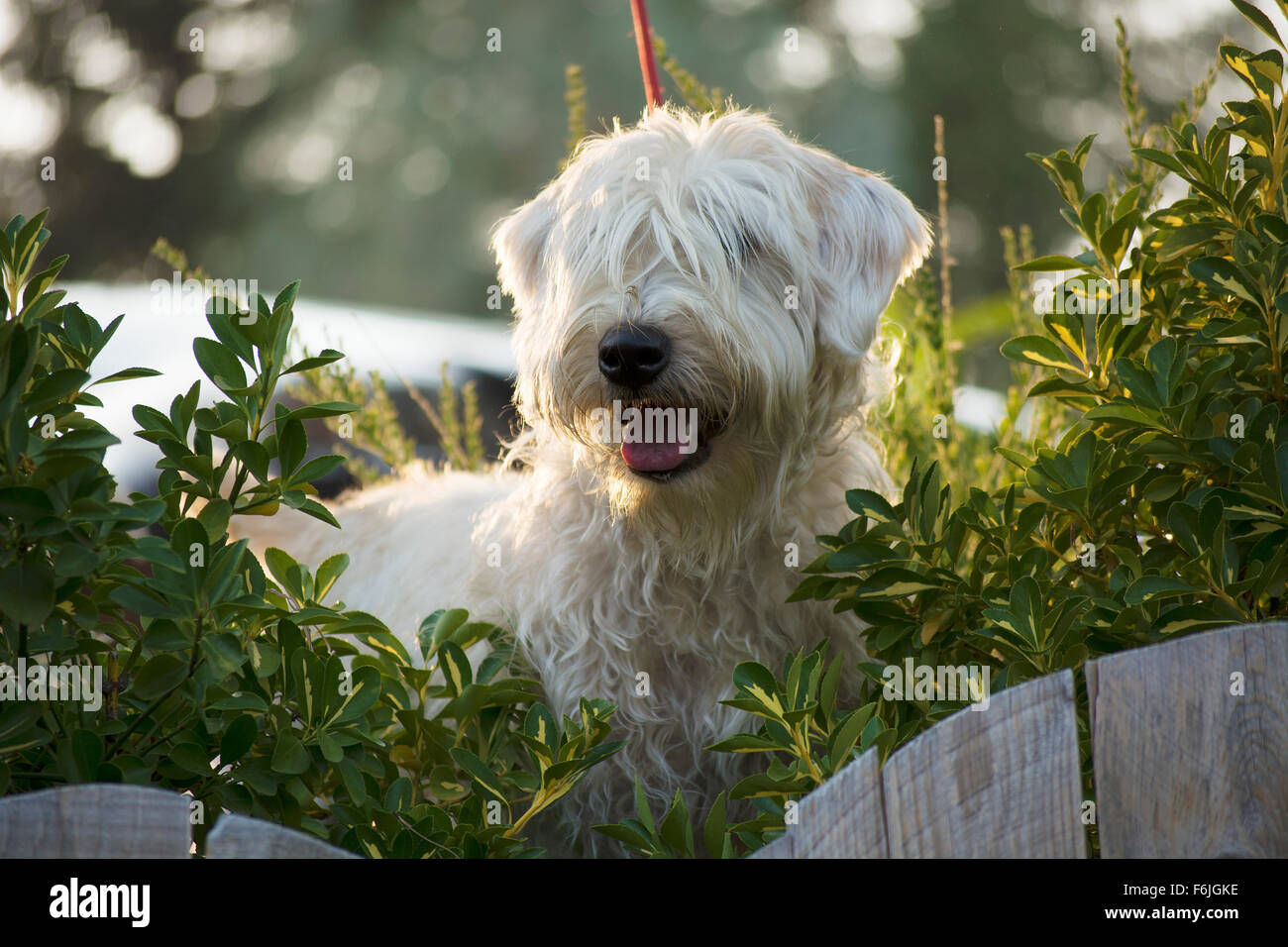
History of Soft Coated Wheaten Terriers
Soft Coated Wheaten Terriers are a young breed. Irish farmers first bred them around 200 years ago to herd, watch, and protect livestock. They even hunted vermin that plagued their farms.
Ireland didnt recognize Wheaten Terriers as an official breed until 1937. The United Kingdom recognized them in 1943 and the United States in 1973.Â
The popularity of Wheaten Terriers continues to grow. Theyre currently the 69th most popular dog breed, according to the American Kennel Club.
Soft Coated Wheaten Terrier Health Issues
Wheaten Terriers are generally healthy dogs. There are a few conditions that can be common in Wheaten Terriers.Â
Kidney disease. Kidneys work to remove toxins from your dogs blood. Renal dysplasia is particularly common in young Soft Coated Wheaten Terriers.
If your Wheaten Terrier has renal deficiencies, you may notice the following symptoms:
- Lethargy
- Drinking too much
- Excessive urination
- Lack of appetite
The symptoms of kidney disease can result from some other health problems. Catching these symptoms early and taking your dog to the vet can help catch kidney disease before it becomes too severe.
Treating kidney disease is hard when your dog loses their appetite. Specialty diets and medications hidden in treats can help treat kidney disease.
Protein-losing enteropathy (PLE). PLE isnt a single disease. Its a type of disease that causes your dog to lose proteins from their bloodstream in the gastrointestinal (GI) tract. Some of these diseases include:
- Primary GI disease
- Heart disease
- Lymphatic system diseases
The different diseases will have unique symptoms, but many of them can cause diarrhea, fluid buildup in the abdomen, inconsistent weight, and lethargy.
Soft Coated Wheaten Terriers may be genetically prone to PLE. Prevention and treatment depend on the type of PLE your dog has. A typical treatment is an adjusted diet appropriate for the disease.
Addisons disease (hypoadrenocorticism). A Wheaten Terrier with Addisons disease has adrenal glands that dont produce aldosterone or cortisol. These hormones regulate internal organs and systems.Â
The causes of Addisons disease arent well understood. Autoimmune conditions are a common suspect. Damage to the adrenal gland can also lead to Addisons disease.Â
Addisons disease causes a variety of symptoms that often mimic other diseases. Unfortunately, Addisons disease is typically diagnosed during a life-or-death situation like your dog going into shock.Â
An Addisons disease attack is treated with hospitalization and therapy. Once the initial crisis is resolved, your Wheaten Terrier will receive lifelong hormone replacement medications.
You cant prevent Addisons disease unless its caused by medication. For example, overdosing on medications like mitotane or trilostane can cause Addisons disease. Talk to your vet about medications that may cause Addisons disease.Â
Soft Coated Wheaten Terrier: Do They Shed a Lot?
FAQ
What are the cons of the wheaten terrier?
- Grooming. Wheaten Terriers have a soft, silky coat that requires regular grooming. …
- High Energy Level. Wheaten Terriers are energetic and require regular exercise to stay happy and healthy. …
- Stubbornness. …
- Barking. …
- Health Concerns. …
- Slow Maturity. …
- Separation Anxiety.
Are wheaten Terriers hypoallergenic?
Soft Coated Wheaten Terriers, as their name implies, have a wheat-colored, silky, and soft coat. Their single-layer coat doesn’t shed much, but it does require a lot of brushing, detangling, and trimming. This breed has a reputation for being a hypoallergenic dog.
Do wheaten Terriers like to cuddle?
Do Wheatens like to cuddle? Yes, most Wheatens are very affectionate and enjoy being close to their people. While they’re energetic outdoors, many become calm and cuddly when they’re relaxing at home.
Are wheaten Terriers high maintenance?
Unlike double-coated dogs, they do not shed, but they require constant clipping and grooming. Wheaten terriers require brushing and combing nearly every day and sometimes as often as three times or more a day to prevent mats. These are high maintenance dogs.