
When your furry friend refuses to eat, it can be incredibly stressful. I’ve been there – watching my dog turn away from his favorite food, feeling helpless and worried. While force-feeding should never be your first option, sometimes it becomes necessary for your dog’s health and recovery.
In this comprehensive guide, I’ll walk you through when force-feeding might be necessary, safe methods to try, and alternatives that might work better. Remember, your dog’s health always comes first!
When Should You Consider Force-Feeding Your Dog?
Before attempting to force-feed your pup it’s important to understand when this approach is actually necessary
- After 24-48 hours without eating: Healthy adult dogs can typically go 2-3 days without food, but waiting too long can lead to complications
- Post-surgery recovery: When your dog needs nutrients to heal but lacks appetite
- During illness: When medication or illness has suppressed their appetite
- Weight loss concerns: If your dog is rapidly losing weight
- Medication requirements: When your dog needs to take medicine with food
However, force-feeding should never be your first resort. Always consult with your veterinarian before attempting any force-feeding methods, as there could be underlying medical issues causing the lack of appetite.
Signs Your Dog’s Loss of Appetite Is Serious
How do you know if your dog’s refusal to eat requires immediate veterinary attention? Watch for these warning signs:
- Vomiting
- Lethargy
- Weight loss
- Diarrhea
- Gagging
- Wheezing
- Coughing
- Signs of dehydration (dry gums, sunken eyes)
If you notice any of these symptoms alongside appetite loss, contact your vet immediately.
10 Safe Methods to Encourage or Force-Feed Your Dog
1. Try Hand-Feeding First
Before resorting to more invasive methods, try the gentle approach of hand-feeding
- Hold small pieces of food near your dog’s nose
- Speak in an encouraging tone
- Be patient and don’t rush the process
- Praise your dog for any attempt to eat
Many dogs respond well to this personal touch when they’re feeling under the weather.
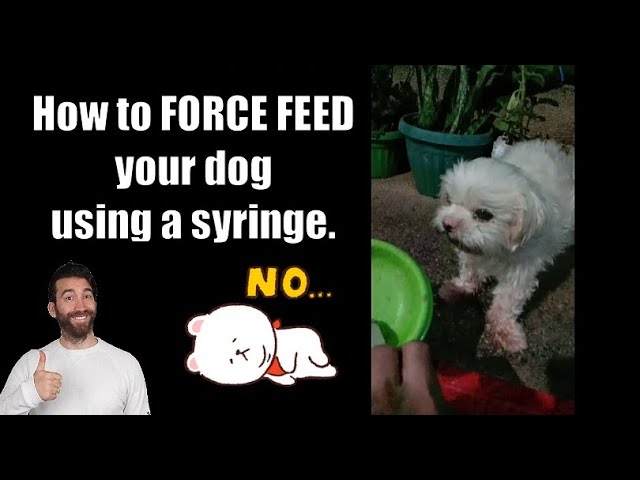
2. Syringe Feeding (When Necessary)
If hand-feeding doesn’t work and your vet has recommended it, syringe feeding is an option:
What you’ll need:
- A pet-friendly feeding syringe (no needle!)
- Liquified food or broth
- Towels to prevent mess
How to do it:
- Fill the syringe with liquified food
- Gently place the syringe in the side of your dog’s mouth (not directly down the throat!)
- Slowly release small amounts of food
- Allow your dog to swallow between each small amount
- Be gentle and patient throughout the process
⚠️ WARNING: Never force the syringe straight down your dog’s throat, as this can cause choking or aspiration pneumonia. Always introduce food from the side of the mouth.
3. Warm Up Their Food
Sometimes the issue isn’t that they won’t eat – it’s that the food isn’t appealing enough:
- Slightly warm the food to enhance aroma
- Stir well to distribute the heat evenly
- Test the temperature before offering (should be warm, not hot)
This simple trick works wonders for dogs with a reduced sense of smell due to illness.
4. Add Flavor Enhancers
Make their regular food more enticing with these safe additions:
- Low-sodium chicken broth
- Bone broth
- A sprinkle of parmesan cheese
- A small amount of wet food mixed with dry kibble
5. Offer Specialized High-Calorie Options
When every calorie counts, these high-calorie options can help:
- Commercial nutritional supplements (like Nutrical)
- High-calorie wet foods recommended by your vet
- Veterinary recovery formulas designed for sick dogs
6. Try Different Food Textures
Sometimes the issue is texture rather than flavor:
- If they normally eat dry food, try wet food
- If they normally eat wet food, try a different consistency
- Consider semi-solid options like pumpkin or sweet potato
7. Use a Feeding Tube (Vet-Administered Only)
In severe cases, your vet might recommend a temporary feeding tube:
- This is only done under veterinary supervision
- Provides direct nutrition when a dog absolutely cannot or will not eat
- Usually a short-term solution while addressing the underlying issue
8. Medication to Stimulate Appetite
Your vet might prescribe:
- Appetite stimulants like Entyce
- Anti-nausea medication if that’s the underlying issue
- Medications to address specific health concerns affecting appetite
9. Baby Food Method baby food can be surprisingly effective:
- Choose meat-based varieties (chicken, turkey, lamb)
- Ensure they contain NO onion or garlic (toxic to dogs)
- Offer small amounts on your finger or a spoon
10. The “Tough Love” Approach (For Picky Eaters Only)
If your vet has ruled out medical issues and your dog is just being picky:
- Offer food for 30 minutes
- If they don’t eat, remove it
- Offer again at the next scheduled meal time
- No treats or other food between attempts
Note: This method is ONLY appropriate for otherwise healthy dogs who are being picky eaters, NOT for sick dogs!
What to Feed a Dog Who Won’t Eat
The type of food matters just as much as the method. Here are some easily digestible options that might tempt your reluctant eater:
Bland Diet Options:
- Boiled chicken and white rice: A classic, easy-to-digest combination
- Bone broth: Nutrient-rich and hydrating
- Canned pumpkin: (Plain, not pie filling) Helps with digestion
- Plain boiled white fish: Gentle protein source
- Scrambled eggs: (No butter or seasoning) High in protein
Commercial Options:
- Wet food varieties (often more aromatic than dry food)
- Prescription recovery diets from your vet
- Hill’s a/d or Royal Canin Recovery diet (available through vets)
Don’t Forget About Hydration!
When focusing on food, it’s easy to overlook hydration, which is actually MORE important than food in the short term:
- A dog can survive 5-7 days without food but only 2-3 days without water
- Dehydration can quickly become life-threatening
Signs of Dehydration:
- Dry, sticky gums
- Loss of skin elasticity
- Dry nose
- Sunken eyes
- Lethargy
How to Encourage Water Intake:
- Add ice cubes to their water bowl
- Offer water from your cupped hands
- Try pet-friendly electrolyte solutions (ask your vet first)
- Use a clean syringe to gently offer small amounts of water
Foods to AVOID When Force-Feeding
Even when desperate to get your dog to eat, NEVER offer these harmful foods:
| Food to Avoid | Why It’s Dangerous |
|---|---|
| Onions & Garlic | Can cause anemia |
| Grapes & Raisins | Can cause kidney failure |
| Chocolate | Toxic to dogs |
| Xylitol (in sugar-free foods) | Can cause rapid insulin release and liver failure |
| High-fat foods | Can trigger pancreatitis |
| Dairy products | Many dogs are lactose intolerant |
| Bones | Risk of choking or intestinal puncture |
When to Call the Vet Immediately
While temporary appetite loss isn’t always an emergency, certain situations require immediate veterinary attention:
- Your dog hasn’t eaten for more than 48 hours
- Your dog is showing signs of dehydration
- Your dog is vomiting or has diarrhea
- Your dog appears to be in pain
- Your dog is very lethargic or unresponsive
- Your puppy (under 6 months) refuses more than 1-2 meals
My Personal Experience
When my shepherd mix, Max, had dental surgery last year, he refused to eat for almost two days. I was worried sick! After consulting with our vet, I tried warming up some wet food and hand-feeding him small amounts. It took patience, but he eventually started eating again.
The key was staying calm (even though I was panicking inside) and being consistent. Dogs can sense our anxiety, which sometimes makes them even less likely to eat.
Final Thoughts
Force-feeding your dog should always be a last resort, used only when necessary and ideally under veterinary guidance. In most cases, making food more appealing or addressing underlying medical issues will be more effective and less stressful for both you and your furry friend.
Remember, every dog is different. What works for one might not work for another. The most important thing is to work closely with your veterinarian to determine the best approach for your specific situation.
Has your dog ever refused to eat? What worked for you? Share your experiences in the comments below – your story might help another worried pet parent!
Disclaimer: This article is for informational purposes only and is not a substitute for professional veterinary advice. Always consult with your veterinarian before attempting to force-feed your dog or if you have concerns about your pet’s health.
How to Feed a Sick Dog
FAQ
Should I force feed my dog that won’t eat?
No, you should not force-feed a dog that won’t eat; it’s dangerous and not recommended. Instead, contact your veterinarian immediately, especially if your dog hasn’t eaten for more than 24-48 hours or is showing other signs of illness, like vomiting, diarrhea, or lethargy. While you wait for the vet, you can try to entice your dog with warm, wet food, a small amount of broth, or other tasty toppers, but their underlying health issue needs to be diagnosed by a professional.
Is there something to stimulate a dog’s appetite?
Yes, there are veterinary appetite stimulants for dogs, including prescription medications like Entyce (capromorelin) and Mirtazapine, which increase feelings of hunger by acting on hormones or receptors in the brain. Natural options like adding certain herbs (fennel, dill, ginger) or a small amount of dehydrated liver to food, or giving <>Vitamin B12, may also help. You should always consult your veterinarian to determine the cause of your dog’s poor appetite and to get a prescription for any appropriate medication.
How to feed a starving dog that won’t eat?
Wet Food: Canned dog food can be easier for a starving dog to eat and digest. It also provides hydration. Bone Broth: This can help provide nutrients and hydration. Avoid Rich Foods: Steer clear of fatty foods, dairy, and human food that is high in sugar or salt, as these can upset the dog’s stomach.
How long can a dog go without eating when sick?