
Many dog owners wonder if their furry friends need conditioner like humans do After bathing your pup, you might be tempted to reach for your own hair care products, but is this actually good for your dog? I’ve researched this topic thoroughly to help you make the best decision for your four-legged companion
The Benefits of Using Dog Conditioner
Just like human hair, your dog’s coat can benefit from proper conditioning. Here are the key advantages:
1. Softer, Shinier Coat
Dog conditioner adds moisture and replenishes natural oils that shampoo may strip away during bathing. This results in:
- A healthier-looking coat with more shine
- Softer fur that feels better to pet
- A coat that reflects light better, giving your dog that “show dog” appearance
2. Reduces Tangles and Matting
For dogs with longer fur. conditioner can be particularly helpful by
- Making brushing easier and less painful
- Loosening stubborn tangles that form in longer coats
- Preventing painful mats from forming in the first place
- Shortening grooming time for both you and your dog
3. Soothes Itchy or Irritated Skin
Dogs with skin issues can benefit greatly from the right conditioner
- Adds hydration back to dry, itchy skin
- Helps wash away irritants like pollen (great for dogs with allergies)
- Provides relief from inflammation caused by medicated shampoos
- Supports the skin’s natural barrier function
4. Helps Maintain Skin Moisture After Baths
Regular bathing with shampoo alone can be drying. Conditioner:
- Restores your dog’s natural skin oils
- Keeps skin elastic and properly moisturized
- Prevents the dry, flaky skin that can occur after frequent bathing
- Is especially helpful for dogs using medicated shampoos
Is Conditioner Right for Your Dog?
Not all dogs have the same grooming needs. Consider these factors before adding conditioner to your dog’s bath routine:
Coat Length and Type
Different coat types have different conditioning needs:
- Long coats: Dogs like Afghan Hounds or Maltese benefit greatly from conditioner to prevent tangles
- Curly coats: Breeds with curly fur need moisturizing conditioners to keep curls soft
- Short coats: May need lighter conditioning to avoid greasiness
- Double coats: Need formulas that protect both the undercoat and topcoat
Bathing Frequency
If your dog gets bathed often, conditioner becomes more important:
- Dogs who love mud puddles and need frequent baths
- Dogs on medicated shampoo regimens
- Active outdoor dogs who need regular cleaning
- Show dogs who receive frequent grooming
Skin Sensitivity
For dogs with sensitive skin:
- Look for gentle, hypoallergenic formulations
- Avoid products with artificial fragrances, dyes, and harsh chemicals
- Consider conditioning to counteract the drying effects of medicated shampoos
- Watch for signs of irritation after introducing a new product
Bath Time Experience
Be realistic about your dog’s bath time behavior:
- If bath time is already a wrestling match, keep it simple
- Consider quick-rinse formulations for fussy dogs
- 2-in-1 products might be more practical for difficult bathers
- Weigh the benefits against your dog’s stress level
Can I Use Human Conditioner on My Dog?
No, you should not use human conditioner on your dog.
While it may be tempting to reach for your own conditioner bottle, this is one area where you should definitely use a product formulated specifically for dogs. Here’s why:
- Dogs have a different skin pH level than humans
- Human conditioners can strip rather than protect your dog’s coat
- Ingredients safe for humans may irritate your dog’s skin
- Human products often contain fragrances and chemicals that can be harmful to dogs
Choosing the Right Dog Conditioner
When shopping for a dog conditioner, look for these beneficial ingredients:
Good Ingredients to Look For:
- Aloe vera (soothes skin)
- Oatmeal (reduces itching)
- Coconut oil (moisturizes)
- Vitamin E (supports healthy skin)
- Chamomile (calms irritation)
Ingredients to Avoid:
- Artificial fragrances and dyes
- Sulfates (can dry out skin)
- Parabens (potential hormone disruptors)
- Drying alcohols
- Essential oils (some can be toxic to dogs)
How to Properly Apply Conditioner to Your Dog
Using conditioner correctly ensures maximum benefit with minimum risk:
Step-by-Step Application Guide
- Before the bath: Brush your dog thoroughly to remove loose fur and tangles
- During the bath: Use lukewarm water and dog-specific shampoo first
- Rinse completely: Make sure ALL shampoo is rinsed out before applying conditioner
- Apply conditioner: Focus on the fur, avoiding eyes, ears, and mouth
- Let it work: Allow the conditioner to sit for 3-5 minutes (follow product instructions)
- Rinse thoroughly: Ensure no residue remains that could irritate skin
- Dry properly: Towel dry and allow to air dry or use a dog-safe dryer
Application Tips:
- Apply conditioner only to the coat, not directly to the skin
- Pay special attention to areas prone to tangling
- Use more conditioner on particularly dry or matted areas
- Make sure you rinse completely – leftover product can cause irritation
How Often Should I Condition My Dog?
Finding the right frequency depends on your individual dog:
- Most dogs: Every 2-4 weeks is sufficient
- Long-haired breeds: May benefit from conditioning with each bath
- Dogs with dry skin: More frequent conditioning may help
- Dogs with oily coats: Less frequent conditioning to prevent greasiness
I recommend adjusting based on your dog’s specific needs. If your pup spends lots of time outdoors getting dirty, you might need more frequent conditioning than an indoor lap dog.
Signs Your Dog’s Conditioner is Working (or Not)
Positive Signs:
- Smoother, shinier coat
- Fewer tangles and mats
- Skin feels softer and less dry
- Less scratching and itching
- Dog seems more comfortable
Warning Signs to Watch For:
- Red or irritated skin
- Excessive scratching
- Swelling or rash
- Hair loss in treated areas
- Unusual bumps
- Signs of discomfort
If you notice any negative reactions, stop using the product immediately and consult your veterinarian. Your dog might be allergic to an ingredient in the conditioner.
Natural Alternatives to Commercial Dog Conditioners
If you prefer a DIY approach, there are several natural options:
Simple DIY Dog Conditioner Recipe:
- 1 cup plain yogurt (moisturizes)
- 1 tablespoon honey (antibacterial properties)
- 1 tablespoon coconut oil (conditions coat)
Mix ingredients together and apply after shampooing. Let sit for 5 minutes, then rinse thoroughly.
Other Natural Options:
- Apple cider vinegar rinse (diluted 1:10 with water)
- Coconut oil (small amount worked through coat)
- Oatmeal rinse for itchy skin
Remember, even natural ingredients can cause reactions in some dogs, so always test a small area first.
Special Conditioning Situations
Puppies
Wait until puppies are a bit older before using conditioner. Their skin and coat are still developing, and they may be more sensitive to products. Consult your vet for the right age to start.
Senior Dogs
Older dogs often have drier skin and may benefit from more frequent conditioning, but use gentle formulations as their skin can be more sensitive.
Dogs With Skin Conditions
If your dog has diagnosed skin issues, talk to your vet before using any conditioner. They may recommend specific medicated products.
Final Thoughts: Should You Condition Your Dog?
After reviewing all the information, my answer is: Yes, most dogs can benefit from conditioner, but it’s not absolutely necessary for every dog.
The decision should be based on:
- Your dog’s specific coat type and length
- Skin sensitivity and existing conditions
- Bathing frequency
- Your grooming routine and time constraints
For long-haired breeds prone to mats and tangles, conditioner can be a game-changer. For short-haired breeds with naturally oily coats, conditioning might be an occasional treat rather than a necessity.
The most important thing is to choose products specifically formulated for dogs, apply them correctly, and watch for any adverse reactions. When in doubt, consult with your veterinarian or a professional groomer for recommendations tailored to your specific dog.
Have you tried conditioning your dog’s coat? What products have worked best for you? We’d love to hear about your experiences in the comments!
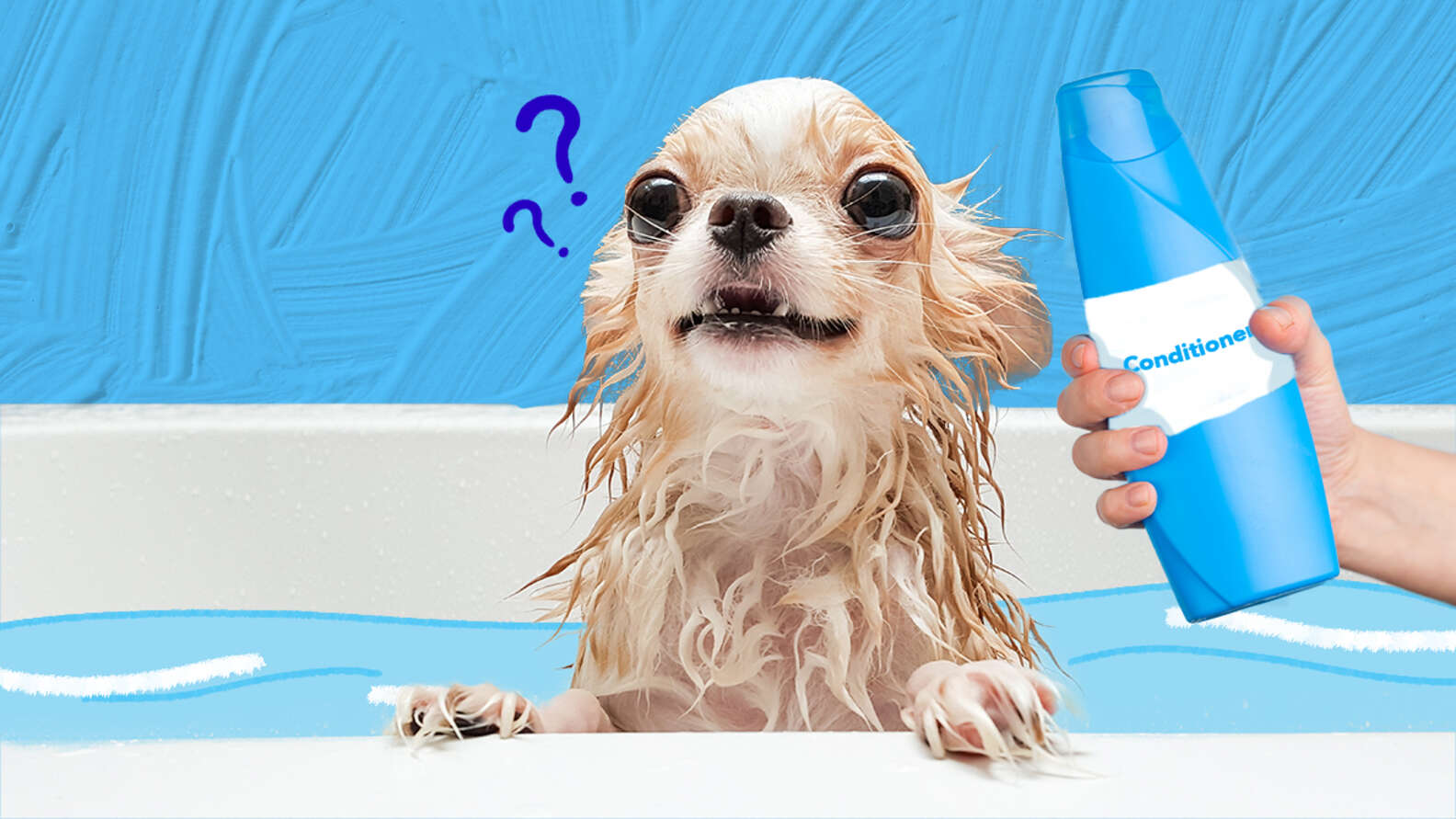
Detangle Your Dog’s Long Coat
Pups with especially long fur, like Afghan Hounds or Maltese breeds, are prone to tangles and mats that can be hard to brush out after their bath. Conditioner helps soften their fur and loosen stubborn tangles, making their after-bath brush a breeze. This also helps reduce the time it takes to groom them, which both you and your pup can appreciate.
How Often Your Dog Gets Bathed
If your dog is a regular in the bathtub, whether they love playing in backyard mud puddles or they have medicated shampoo from their vet, dog conditioner can have a significant impact on your pup’s skin health. The conditioner will add the hydration and moisture that your dog’s skin will desperately need, leaving them feeling soothed and refreshed.
Do I Really Need To Use Conditioner On My Dog? | Healthy Clean Pet
FAQ
Can you use human hair conditioner on a dog?
What dog breeds need conditioner?
If you have a short-haired breed like a pug, you might want to pick up a mild conditioner. On the other hand, if you have a long-haired breed like a terrier or a German shepherd, you might need a thick conditioner that can penetrate the topcoat and undercoat.