
Learn about key differences between spaying and neutering procedures and discover when is the best age to spay or neuter your pup, and why.
Many dog owners struggle with the question of whether to spay or neuter their pets. Unless youre a responsible breeder or show dogs, usually its best to have them “fixed” to prevent unwanted puppies and for a whole host of health reasons. But whats the best age for a dog to undergo these procedures? Thats a question that has come under debate for pet owners in recent years. Below, we dive into when is the best age to spay or neuter your pup, and why.
Thinking about getting your furry best friend spayed? You’re making one of the most important decisions in your dog’s life! As a pet parent who’s been through this journey with several pups, I can tell you that spaying your female dog offers way more benefits than most people realize.
While the obvious reason might be preventing unwanted puppies, there are so many health, behavioral, and even financial advantages that make this simple procedure truly worth it. Let’s dive into why spaying your female dog is one of the best gifts you can give her (and yourself!).
What Does Spaying Actually Mean?
Before we jump into the benefits, let’s make sure we’re on the same page about what spaying actually involves:
Spaying (technically called an ovariohysterectomy) is a surgical procedure where a veterinarian removes your female dog’s ovaries and uterus. This prevents her from becoming pregnant and eliminates her heat cycles.
Sometimes. your vet might perform
- An incomplete ovariohysterectomy (where a portion of the uterus remains)
- An ovariectomy (removing only the ovaries while the uterus stays)
The complete procedure is usually recommended for maximum health benefits.
11 Amazing Benefits of Spaying Your Female Dog
1. Drastically Reduces Cancer Risk
This benefit alone makes spaying worth it! When you spay your female dog, you:
- Eliminate the possibility of ovarian and uterine cancer completely
- Reduce breast cancer risk by up to 99.5% if spayed before her first heat cycle
- Improve survival odds significantly (breast cancer in dogs has only a 50% survival rate)
Dr Andrea Peda, a DVM professor at Ross University School of Veterinary Medicine, confirms that “spaying a female pet can help prevent life-threatening infections and tumors of the reproductive tract, as well as breast tumors”
2. Prevents Pyometra (A Life-Threatening Infection)
Pyometra is a severe potentially fatal uterine infection that affects about 1 in 4 unspayed female dogs by age 10. This dangerous condition
- Often requires emergency surgery
- Can be incredibly expensive to treat
- Has a high mortality rate if not caught early
Spaying your dog eliminates this risk entirely!
3. No More Messy Heat Cycles
If you’ve ever dealt with a dog in heat, you know it’s not fun for anyone involved. When you spay your dog, you avoid:
- Blood spotting around your house
- The need for doggy diapers
- Frequent cleaning of furniture and floors
- 2-4 weeks of this messiness several times a year
4. Prevents Unwanted Pregnancy
This one’s obvious but crucial! An unspayed female can produce up to 16 puppies per year. With 3.3 million dogs entering U.S. shelters annually and 670,000 being euthanized each year (according to SPCA data), preventing unwanted litters is a responsibility we all share.
5. Eliminates Roaming Behavior
Unspayed females have a strong biological drive to find a mate when in heat. This can lead to:
- Escape attempts from your yard or home
- Dangerous wandering (traffic accidents)
- Potential loss of your beloved pet
Male dogs can smell a female in heat from up to THREE MILES away! That’s a lot of unwanted suitors showing up at your door.
6. Improves Overall Behavior
Many dog owners notice positive behavior changes after spaying, including:
- Less territorial marking
- Decreased mood swings
- Less irritability
- More consistent temperament
7. Better Household Harmony
If you have multiple pets, spaying helps create peace in your home by:
- Eliminating the hormonal mood changes during heat cycles
- Reducing conflict between pets
- Preventing male dogs (even neutered ones) from being overly interested in your female
8. Longer, Healthier Life
Research consistently shows that spayed dogs live longer, healthier lives than their unspayed counterparts. This is due to:
- Reduced cancer risks
- Elimination of reproductive infections
- Fewer hormone-related health issues
- Less chance of injuries from roaming or fighting
9. Cost Savings in the Long Run
While spaying does have an upfront cost, it saves you money in the long term by avoiding:
- Expenses related to pregnancy and whelping
- Potential emergency surgeries for pyometra
- Cancer treatments
- Products needed during heat cycles (doggy diapers, cleaning supplies)
- Higher boarding fees for unaltered dogs
- Damage to your home from marking or escape attempts
10. Debunking Common Myths
Let’s clear up some misconceptions:
Myth: “My dog should have one litter before being spayed.”
Truth: There are NO health benefits to letting your dog have puppies before spaying. In fact, early spaying provides the maximum cancer-prevention benefits.
Myth: “Spaying will make my dog fat.”
Truth: Weight gain after spaying is related to metabolism changes that can be easily managed with proper diet and exercise—not the procedure itself.
Myth: “Spaying will change my dog’s personality.”
Truth: The core personality of your dog won’t change. Any behavioral changes are typically positive ones!
11. Community Responsibility
By spaying your dog, you’re:
- Helping reduce pet overpopulation
- Decreasing the burden on animal shelters
- Being a responsible member of your community
- Setting a good example for other pet owners
When Should You Spay Your Female Dog?
The best time to spay your dog depends on her breed, size, and health status, but generally:
- Small to medium breeds: Between 6-9 months of age
- Large to giant breeds: Some vets recommend waiting until 12-18 months
Always consult with your veterinarian to determine the optimal timing for your specific dog.
What to Expect During Recovery
After spaying, your dog will need some special care:
- 10-14 days of recovery time
- Limited activity (no running, jumping, or playing)
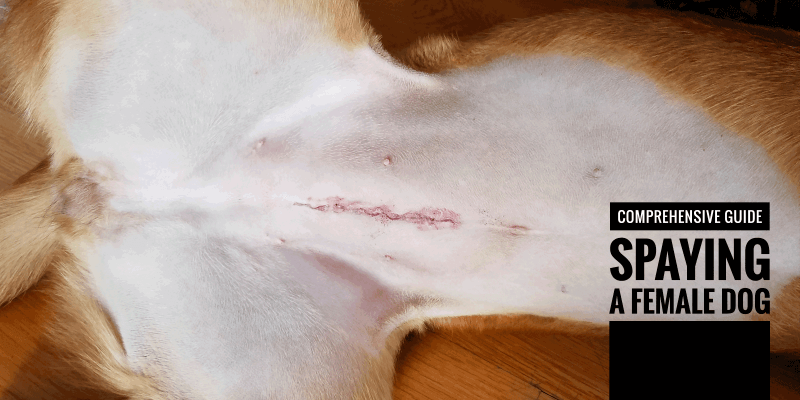
- Monitoring the incision site for redness, swelling, or discharge
- Watching for signs of pain or lethargy
- Preventing licking of the surgical site (usually with a cone)
Most dogs bounce back quickly and are back to their normal selves within a couple of weeks!
The Bottom Line
Spaying your female dog is one of the most loving decisions you can make as a pet owner. The benefits extend far beyond just preventing unwanted puppies—they impact her health, behavior, longevity, and your wallet too!
While the procedure might seem intimidating at first, the long-term advantages are absolutely worth it. Remember, you’re not just making life easier for yourself—you’re giving your furry friend the gift of a longer, healthier, more comfortable life.
I’ve never regretted spaying any of my dogs, and I bet you won’t either. Talk to your vet today about the best timing for your particular pup!
Have you already spayed your dog? What changes did you notice afterwards? Share your experience in the comments below!
Busting Dog Spay and Neuter Myths
A lot of myths and misconceptions surrounding both spaying and neutering may keep some responsible dog parents from making the best choices for their dogs health. Here are some of the most common myths.
Myth: It’s healthier for a female dog to have at least one litter of puppies before being spayed.
The truth is that pregnancy places a lot of stress on a females body and opens them up to pregnancy complications such as dystocia, a condition that prevents puppies from being able to pass through the birth canal. This requires an emergency C-section, which is both costly for a pet parent and requires a long recovery time for your dog.
Additionally, there is no scientific evidence that allowing a dog to go through at least one pregnancy offers any health benefits to the dog.
On the other hand, spaying your dog before her first heat cycle eliminates any chance of pyometra and uterine and ovarian cancers and vastly reduces her risk of developing mammary cancer. The risk of mammary cancer goes up with each heat cycle, until after her fourth heat, at which point spaying would do nothing to reduce cancer risk.
Dog Spay Risks and Benefits
FAQ
Should you spay a female dog?
The best-known benefit of spaying a female dog is to prevent pregnancies and unwanted litters of puppies. But there are also very important behavioral and health benefits to consider. Spaying will eliminate your dog’s heat cycles and associated hormone fluctuations.
Why is it a good idea to spay a dog?
Spaying provides irreplaceable health benefits to the pet, convenience to the pet owner, benefit to the community, and it is now legally required. Check the laws in your area, or ask your veterinarian. Now That We Know Why it is a Good Idea to Spay, What Exactly Happens? The patient may have an intravenous catheter placed. Photo by MarVistaVet
Should you spay or neuter a female dog or cat?
· Spaying a female dog or cat eliminates its heat cycle, which can last twenty-one days, twice a year, in dogs, and anywhere from three to fifteen days, three or more times a year, in cats. Females in heat often cry incessantly, show nervous behavior, and attract unwanted male animals. · Spayed and neutered pets are less likely to bite.
Does Spaying a dog calm a female dog?
Having your dog spayed will often calm a dog, both her hyperactivity and any aggression that she shows due to hormone fluctuations. She won’t guard her “litter,” hunt for a mate or go through a heat cycle. Spaying can calm a female dog when she struggles with aggression and hyperactivity due to her hormone fluctuations.
Should a dog be spayed if he doesn’t have puppies?
The benefits to the dog far outweigh simply not having puppies, though as pet overpopulation is a wide-spread societal problem, it is important to consider the bigger picture as well and be part of the solution rather than part of the problem. Spaying involves the removal of the uterus and ovaries.
What happens if a dog gets spayed?
Treatment involves surgery on a potentially unstable patient. Mortality rates with surgery have been reported as high as 17%. Spaying prevents the whole thing. Older, unspayed female dogs have an irregular heat cycle. There is no end of cycling comparable to human menopause.
Why is it important to spay your female dog?
Spaying helps prevent uterine infections and breast cancer, which is fatal in about 50 percent of dogs and 90 percent of cats.
Are female dogs better after being spayed?
Spaying your female dog stops her from going into heat and getting pregnant ever again after the surgery. Aggressive behavior, marking territory, etc will disappear or greatly decrease. Dog will be healthier and live longer without being worn out from having litter after litter of puppies.
Is there a downside to spaying a dog?
What are the advantages of spaying?
Kitts. Dr. Peda says, “Spaying a female pet can help prevent life-threatening infections and tumors of the reproductive tract, as well as breast tumors.Nov 1, 2023