
Whether you have a new furry addition to your family, or a pet that has been with you for some time, it’s important to be able to recognize signals that your dog is fearful of someone or something. If you’ve had your dog for a while, you are probably able to identify certain situations that will make your dog feel afraid. If you dog is new to you, you may still be learning to read the signals and understand what it causing your dog’s fear. If your newly adopted dog is showing fearful behavior, it’s important to remember that sometimes, fearful behavior will manifest in a shelter environment but may not surface in a stable home environment and other times, behavior seen in the shelter may carry over to the new home.
Have you ever walked into a room and noticed your furry friend cowering in the corner? Or maybe they tuck their tail between their legs whenever you raise your hand to pet them? It’s heartbreaking when your dog seems scared of you, especially when all you want to do is love them.
As a long-time dog owner and blogger, I’ve experienced this firsthand, and lemme tell you – it’s not a great feeling. But don’t worry! There are lots of reasons why dogs might develop fear toward their humans, and most importantly, there are effective ways to rebuild that precious trust.
Signs Your Dog Is Scared of You
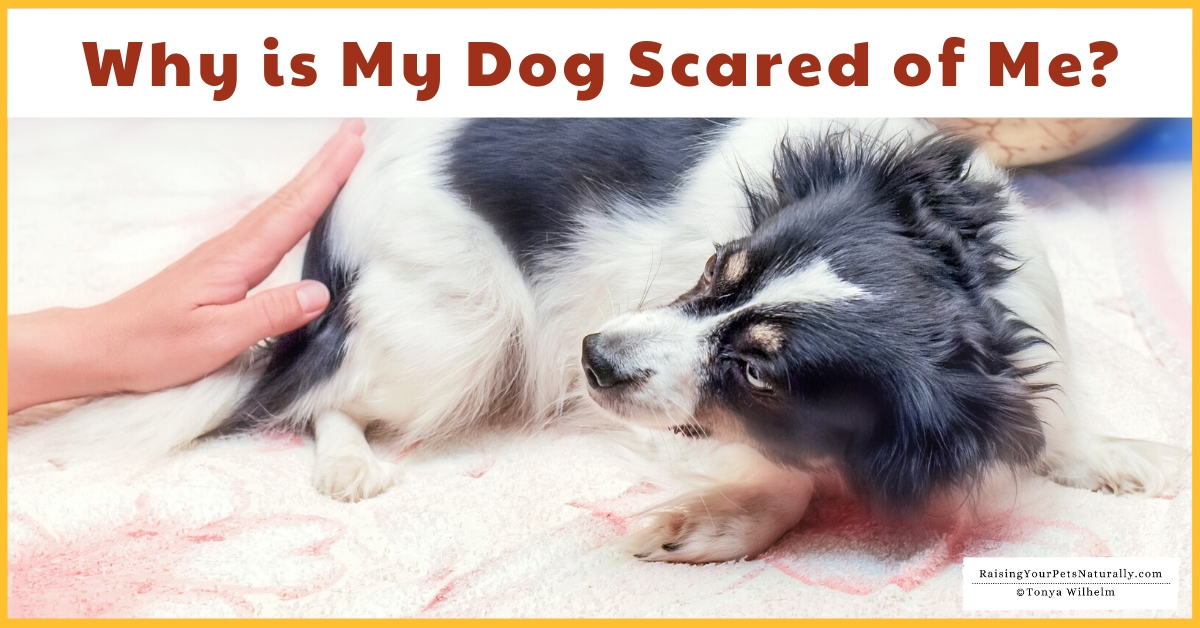
Before diving into why your dog might be afraid, it’s important to recognize the signs of fear Dogs communicate primarily through body language, and these signals can tell you a lot about how they’re feeling
- Tucked tail – When a dog puts their tail between their legs, it’s a classic sign of fear
- Avoidance behaviors – Leaving the room when you enter or hiding from you
- Whale eyes – When you can see the whites of their eyes as they look at you
- Flattened ears – Ears pressed back against their head indicate anxiety
- Submissive urination – Peeing when you approach or try to pet them
- Trembling or shaking – Physical manifestations of fear
- No eye contact – Deliberately avoiding looking at you
- Cowering or crouching – Making themselves appear smaller
- Whining or whimpering – Vocalization of distress
- Fawning behavior – Excessive, anxious affection to appease you
If your dog displays several of these behaviors specifically around you, they might indeed be scared of you. But why would this happen?
Why Is My Dog Scared of Me? 10 Common Reasons
1. Your Dog Is Naturally Shy
Some dogs are just born with shy or timid personalities. This is especially common in dogs who spent their early weeks in isolation or pet stores without proper socialization. William E. Campbell, a respected dog behaviorist, explains that shy dogs often display submissive behavior that can be misinterpreted as fear of their owner.
Dogs that haven’t been properly socialized during their critical development period (7-15 weeks) might be generally fearful of humans – including you
2. Past Trauma or Abuse
If you’ve adopted your dog, they may have experienced trauma with previous owners. Even if you’ve never raised your voice or hand to your pet, they might associate certain movements, tones, or even your appearance with past negative experiences.
This is particularly common in rescue dogs who may have endured harsh treatment before coming to your home. They need time to learn that you’re different from those who hurt them in the past.
3. Accidental Negative Experiences
Dr. Sarah Wooten, a veterinary journalist, points out that common accidents can trigger fear responses in dogs. These might include:
- Accidentally stepping on their paw or tail
- Startling them while they were sleeping
- Raising your voice during an argument (even if not directed at them)
- A collision when they darted under your feet
These events might seem minor to us, but to a dog, they can create lasting associations between you and pain or fear.
4. Harsh Training Methods
Using aversive training techniques like shock collars, prong collars, or physical punishment can make your dog afraid of you. Research shows these methods can trigger fear, anxiety, and aggression in dogs over time.
As Rick Allen, an obedience specialist, explains, “Dogs can’t understand the purpose behind punishment – they only understand that you’re causing them discomfort or pain.”
5. You Smell Different
Dogs have incredibly sensitive noses! If you’ve recently:
- Changed perfumes or colognes
- Started using new laundry detergent
- Been around other animals
- Started new medications that alter your body chemistry
Your dog might be confused or unsettled by your unfamiliar scent.
6. Health Issues
Sometimes, a dog that appears scared might actually be in pain or discomfort. When dogs don’t feel well, they may become irritable or withdraw from interaction. If the behavior change was sudden, consider scheduling a vet checkup to rule out medical causes.
7. Changes in Household Dynamics
Dogs thrive on routine and predictability. Major life changes can trigger anxiety, such as:
- Moving to a new home
- Adding a new family member (human baby or pet)
- Someone moving out
- Changes in your work schedule
8. Your Own Emotional State
Dogs are incredibly perceptive to human emotions. If you’re going through a stressful period, dealing with depression, or experiencing anxiety, your dog might pick up on these emotions and become anxious themselves.
Kim Brophey, an applied behavioral ethologist, notes that “dogs belonging to high-stress/anxiety clients are often higher than average in their stress levels and exhibit more anxiety or hyperarousal.”
9. Lack of Socialization
Dogs that weren’t properly socialized as puppies may develop generalized fear of humans or specific types of people. If you’re tall, have a deep voice, or wear certain items (like hats or sunglasses), these traits might trigger fear in an under-socialized dog.
10. You Invaded Their Space
Dogs, like humans, need personal space. If you’ve been overly affectionate, hugging them too much, or not respecting their boundaries, your dog might start avoiding you to protect their space.
10 Ways to Help Your Dog Trust You Again
Now for the good news – you can rebuild trust with your scared dog! Here’s how:
1. Be Patient Above All Else
Rebuilding trust takes time – sometimes weeks or even months. Don’t expect overnight changes. Respect your dog’s pace and celebrate small victories along the way.
2. Give Them Space
Every scared dog needs a safe retreat. This could be a crate, a bed in a quiet corner, or another room where they can go when feeling overwhelmed. NEVER force interaction when your dog has chosen to retreat.
As Dr. Wooten advises, “Let a frightened dog come to you, not the other way around.”
3. Use Positive Reinforcement Only
Ditch any punishment-based training methods immediately. Instead, reward behaviors you like with treats, praise, and affection. This helps your dog associate you with good things rather than scary ones.
When training, use high-value treats that your dog absolutely loves. Make interactions with you the BEST part of their day!
4. Follow a Predictable Schedule
Dogs feel secure when life is predictable. Feed them, walk them, and play with them at the same times each day. Consistency helps reduce stress hormones like cortisol that can make fear worse.
5. Make Genuine Connections Through Play
Play is powerful! Find games your dog enjoys and engage with them regularly. This might be fetch, tug (played with proper rules), or hide-and-seek with treats.
Start with low-pressure games where they control the interaction, like finding treats hidden around the house or gently tossing toys near them without reaching for the toy yourself.
6. Try Classical Conditioning
This training technique pairs your presence with positive experiences. Every time you enter a room, toss a treat to your dog without making eye contact or approaching them. Over time, they’ll associate your arrival with good things happening.
7. Pay Attention to Your Body Language
Scared dogs are extremely sensitive to threatening postures. Try these techniques:
- Avoid direct eye contact
- Turn your body sideways rather than facing them directly
- Sit or kneel to appear smaller
- Speak in a soft, high-pitched voice
- Move slowly and predictably
8. Go Outdoors Together
Neutral territory can help reset your relationship. Take your dog to new, interesting places where you can share positive experiences. Walks in nature are particularly effective for building bonds.
9. Use Calming Aids When Needed
Consider products designed to reduce anxiety in dogs:
- Anxiety vests like ThunderShirts
- Calming supplements (with veterinary approval)
- Pheromone diffusers
- Calming music specifically designed for dogs
10. Consider Professional Help
If your dog’s fear is severe or not improving, consult with a professional:
- A certified dog behaviorist
- A veterinarian who specializes in behavior
- A positive-reinforcement trainer with experience in fear issues
Sometimes, dogs with severe anxiety might benefit from short-term anti-anxiety medications prescribed by your veterinarian while behavioral modification is underway.
What NOT to Do With a Scared Dog
When trying to help your fearful dog, avoid these common mistakes:
- Don’t force interaction – Never corner your dog or make them endure petting when they’re showing fear signals
- Don’t punish fear behaviors – This only confirms to your dog that they have reason to be afraid
- Don’t use loud voices – Yelling or using harsh tones will make things worse
- Don’t stare at them – Direct eye contact is threatening to dogs
- Don’t rush the process – Patience is essential; there are no quick fixes
Final Thoughts: Building a Foundation of Trust
The journey to rebuild trust with a scared dog isn’t always easy, but it’s incredibly rewarding. Remember that every small step forward is a victory worth celebrating.
Most importantly, understand that your dog isn’t rejecting you personally – their fear response is based on their experiences and perception. With consistent kindness, respect for their boundaries, and positive interactions, most dogs can overcome their fears and develop a deep, trusting bond with their humans.
Have you had experience with a scared dog? What techniques worked best for you? I’d love to hear your stories in the comments below!
Examples of Signals that a Dog May Display Out of Fear
- Avoidance (moving away from the person, object, or situation)
- Averting eye contact
- Tail tucked underneath belly
- Slow movement or ‘freezing’
- Displacement behaviors such as lip-licking or yawning
- Dilated pupils
- Trembling
- Flattening his body to the ground
- Panting or pacing
- Refusal to accept food/treat
Here are some general tips:
- Give your dog some space. Do not force a fearful dog to interact; instead, let the dog make the choice to interact when he feels comfortable.
- Do not allow family members, guests, or strangers to rush up to or pressure your dog to interact; many fearful dogs do best if they are politely ignored.
- Try to keep your movements slow and predictable.
- Use a soft, pleasing tone of voice.
- Use gentle, non-threatening body language when interacting with a dog who is displaying fearful behavior. Stand sideways instead of ‘head-on’ and avoid direct eye contact. If possible, turn sideways and kneel down while turning your eyes slightly away from the dog.
- Do not engage in body language that may be perceived as threatening such as direct eye contact, reaching into the dog’s space, putting hands over the dog’s head or neck, looming or standing over the dog.
- Always keep your dog on leash when outdoors. A martingale-style collar can be beneficial as a dog can slip out of it if he gets startled or spooked by a noise or something in the environment.
- Even if you have a fenced yard, it may be helpful to take the dog out on a leash or long line in the yard so you can gently guide the dog to and from your home.
The single most important way to help prevent your dog from displaying fearful behavior is to commit to early and continued positive socialization. If you have a new puppy, take your puppy out and make every experience positive – a puppy kindergarten class is the best place to get started on the right foot. Remember, whether the experience is positive or not is determined by how your dog feels, not by what we think of the interaction! If you have just adopted an adult dog, get to know your dog and build a relationship with him in a basic obedience class. Allow your dog time to acclimate to your home and pay attention to what his body language is saying. If your dog is afraid of something, do not force an interaction; that can make the fear worse.
Shy and Fearful Dogs with JJ Belcher
(Please note that we only share specific YouTube videos that we believe are helpful. We are not recommending the YouTube channel, but rather only the specific video posted here)
Why is my dog afraid of everything? 5 Reasons dogs become fearful- Dog Training Video
FAQ
How do I stop my dog from being scared of me?
To stop a dog from being scared, allow it space and time to approach you on its own terms, avoid direct eye contact and looming body language, and use positive reinforcement by tossing high-value treats to create positive associations. Create a calm, safe environment with a consistent routine, be patient and understanding, and never punish the dog for fearful behavior. If the fear is severe or persists, consult a professional certified in positive-reinforcement methods.
Why does my dog suddenly seem afraid of me?
Why does my dog all of a sudden not like me?
Fear is one of the most common reasons behind unusual or “unfriendly” dog behavior. Changes in the environment, loud noises, unfamiliar people, or even past trauma can trigger anxiety. Your dog isn’t avoiding you or growling out of hate—they’re scared and trying to protect themselves.
How long will a dog be scared of you?
… we see the shift in their behavior typically occur in puppies between 8-11 weeks old and 6-14 months old, and they usually last for approximately 2-3 weeks