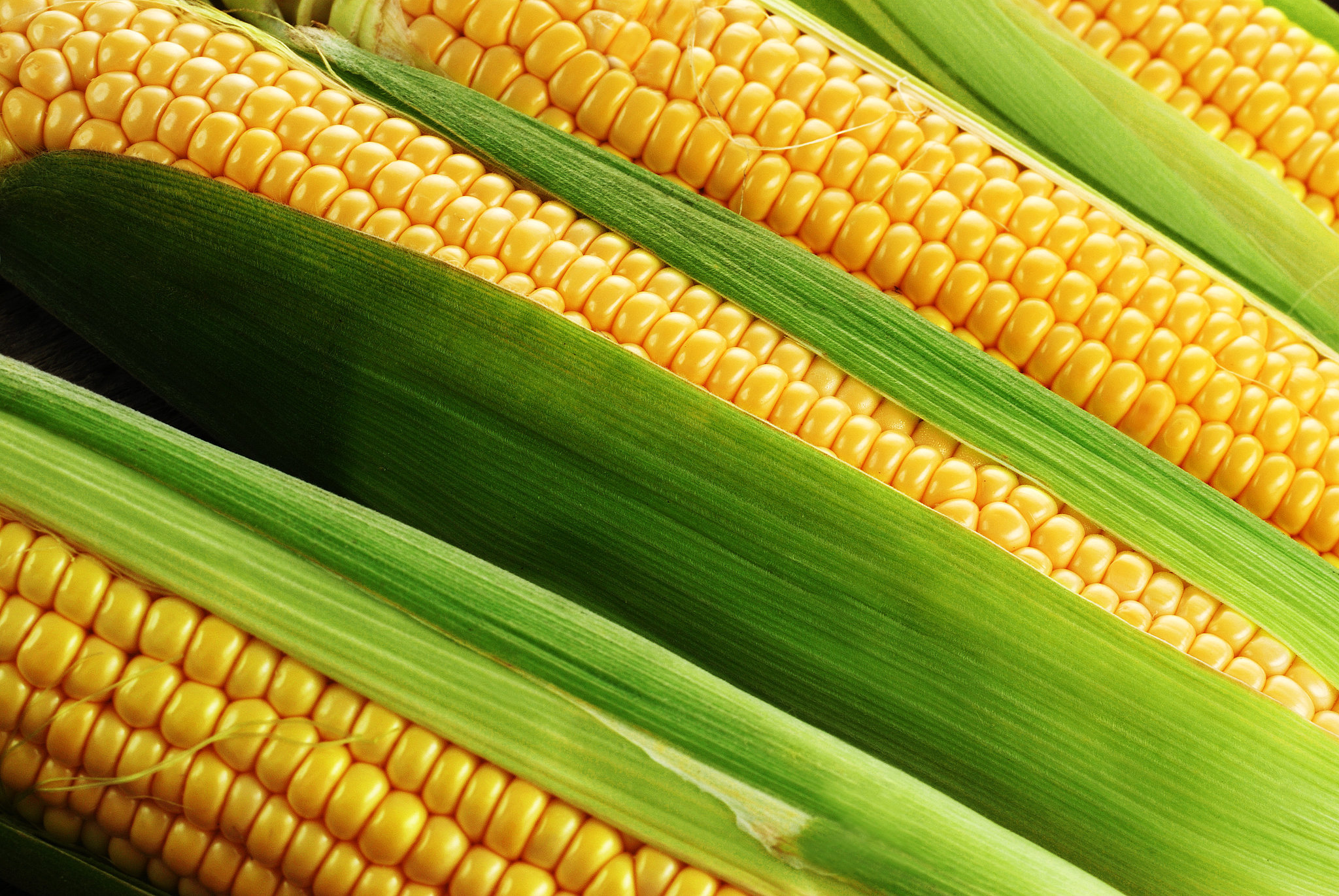
Because dogs are omnivores, they are capable of digesting carbohydrates well – in fact, they use the same enzyme as humans to do so.
We use whole grain cereals in our dog food because they help us provide your dog with many of the nutrients that are essential to their health; including carbohydrates. With all the adventures your dog looks forward to during the day, its important that they have a readily useable source of both slow-and quick-release energy. Thats where carbohydrates come in! Carbohydrates are used for energy, leaving the carefully chosen sources of fat and protein in our dog food for other uses – such as maintaining a healthy skin, coat and immune system. The carbohydrates in some cereals also contain fibre that helps support your dogs digestive health (just like it does in humans). Cereals help us bind everything in our dog food together, so your dog can enjoy the delicious texture they love in every single kibble.
Have you ever been enjoying your morning bowl of Corn Flakes and noticed your furry friend giving you those irresistible puppy dog eyes? I know I have! As a dog owner, I’m always wondering which human foods are safe to share with my pup. Today, we’re diving deep into whether those crunchy breakfast flakes are OK for your canine companion.
The Quick Answer: Yes, But With Cautions
Yes, dogs can eat Corn Flakes in moderation! These popular breakfast cereals are generally safe for your four-legged friend, but there are some important things to keep in mind before you start sharing your breakfast bowl.
What Are Corn Flakes Made Of?
Before feeding anything to our dogs, we should know what’s in it. Traditional Corn Flakes typically contain:
- Milled corn
- Sugar
- Malt flavoring
- Salt
- Various vitamins and minerals
The simple ingredients list is good news, as there aren’t many harmful additives in plain Corn Flakes However, the nutritional profile isn’t ideal for dogs as a regular food source.
Benefits of Corn Flakes for Dogs
While Corn Flakes shouldn’t become a staple in your dog’s diet, they do offer some benefits when given occasionally:
- Low fat content: Plain Corn Flakes are relatively low in fat
- Crunchy texture: Many dogs enjoy the satisfying crunch
- Iron and vitamins: Corn Flakes are fortified with some nutrients
Potential Risks and Concerns
Despite being generally safe, there are several reasons to be cautious when feeding Corn Flakes to your dog:
1. Carbohydrate Overload
Corn Flakes are primarily carbohydrates with very little protein. Dogs need a diet high in protein, not carbs! Too many carbohydrates can lead to:
- Weight gain
- Blood sugar spikes
- Energy crashes
- Long-term health issues
2. Added Sugar
Most commercial Corn Flakes contain added sugar, which isn’t good for dogs Regular consumption of sugary foods can contribute to
- Dental problems
- Obesity
- Diabetes
- Behavioral issues
3. Salt Content
Corn Flakes typically contain salt, which should be limited in your dog’s diet. Too much sodium can lead to:
- Increased thirst
- Potential kidney issues
- High blood pressure
4. Corn Allergies
While relatively uncommon, some dogs can be allergic to corn. Signs of a corn allergy might include:
- Excessive itching
- Ear infections
- Digestive upset
- Skin rashes
If you notice any of these symptoms after giving your dog Corn Flakes, stop immediately and consult your veterinarian.
The Milk Problem
Here’s where things get tricky. Most humans enjoy Corn Flakes with milk, but this combo is a definite NO for dogs.
Many dogs are lactose intolerant, meaning they lack the enzyme needed to properly digest milk sugar. If your dog consumes milk, they might experience:
- Gas and bloating
- Diarrhea
- Stomach discomfort
- Vomiting
If you want to share Corn Flakes with your pup, always serve them dry – no milk added!
How to Safely Feed Corn Flakes to Your Dog
If you’ve decided to give your dog some Corn Flakes as an occasional treat, here’s how to do it safely:
- Start small: Begin with just a few flakes to see how your dog reacts
- Serve dry: Never add milk or other toppings
- Choose plain varieties: Avoid flavored or sugar-frosted versions
- Monitor for reactions: Watch for any signs of digestive upset or allergies
- Use as a treat only: Corn Flakes should make up no more than 10% of your dog’s daily caloric intake
Better Alternatives to Corn Flakes
If you’re looking for healthy human foods to share with your pup, consider these better options:
| Food | Benefits | How to Serve |
|---|---|---|
| Plain cooked chicken | High protein, low fat | Small, boneless pieces |
| Carrots | Vitamin A, dental health | Raw or cooked |
| Blueberries | Antioxidants | Fresh, a few at a time |
| Plain pumpkin | Fiber, digestive health | 1-2 tablespoons |
| Plain rice | Gentle on stomach | Fully cooked, small amounts |
What About Other Breakfast Cereals?
While we’re focusing on Corn Flakes, you might be wondering about other breakfast cereals too. Here’s a quick guide:
- Cheerios: Generally safer than Corn Flakes due to lower sugar content
- Rice Krispies: Similar to Corn Flakes – OK in moderation
- Frosted or chocolate cereals: Avoid completely due to high sugar or chocolate content
- Granola: Usually too high in fat and sugar for dogs
Real Experience: My Dog and Corn Flakes
I remember the first time my Lab mix, Cooper, stole a few Corn Flakes that fell on the floor. He seemed to love the crunch! Since then, I’ve occasionally given him a small handful as a special treat. He gets so excited when he hears that cereal box rattle!
However, I’m always careful to keep it to just a few flakes, and I never give him Corn Flakes with milk. Even though he gives me those pleading eyes when I’m enjoying my cereal with milk, I know it’s better for his tummy to have his own separate, dry portion.
When to Call the Vet
While plain Corn Flakes in small amounts are unlikely to cause serious problems, you should contact your veterinarian if your dog shows these signs after eating them:
- Persistent vomiting
- Ongoing diarrhea
- Signs of pain or discomfort
- Hives or facial swelling (could indicate an allergy)
- Extreme lethargy
Bottom Line: Moderation is Key
To sum it all up, Corn Flakes are not toxic to dogs and can be given as an occasional treat. However, they offer little nutritional value for your canine friend and should never replace high-quality dog food.
The most important takeaways:
- Yes, dogs can eat plain Corn Flakes in moderation
- Never serve with milk
- Watch for corn allergies
- Keep portions small
- Consider healthier alternatives when possible
FAQs About Dogs and Corn Flakes
Can puppies eat Corn Flakes?
Puppies have more sensitive digestive systems and specific nutritional needs. It’s best to avoid giving Corn Flakes to puppies under one year of age.
What if my dog ate a large amount of Corn Flakes?
If your dog consumed a large quantity of plain Corn Flakes, they might experience some digestive upset but should be fine. Monitor them for vomiting or diarrhea and ensure they have access to fresh water.
Can dogs eat flavored Corn Flakes?
No, flavored varieties often contain more sugar, artificial flavors, and sometimes ingredients like chocolate that are toxic to dogs. Stick with plain Corn Flakes only.
Are there any dogs who should never have Corn Flakes?
Dogs with known corn allergies, diabetes, or weight issues should avoid Corn Flakes completely.
How many Corn Flakes can I give my dog?
This depends on your dog’s size. A few flakes for a small dog, up to a small handful for large breeds, is plenty. Remember, treats should make up no more than 10% of your dog’s daily caloric intake.
Final Thoughts
When it comes to sharing human food with our furry friends, it’s always better to err on the side of caution. While Corn Flakes aren’t harmful in small amounts, they’re not particularly beneficial either.
Your dog relies on you to make good nutritional choices on their behalf. The occasional Corn Flake treat is fine, but focusing on a balanced, high-quality dog food and healthy treats designed specifically for canines is always the best approach.
So next time those puppy dog eyes are begging for a bite of your breakfast, you can safely share a few dry Corn Flakes – just don’t make it a daily habit!
What human foods do you share with your dog? Have you ever given them Corn Flakes? We’d love to hear about your experiences in the comments!