
Dog owners often worry about whether their furry friend’s health issues can affect their own well-being. One common concern is about intestinal parasites – specifically can humans catch worms from their dogs? The answer is yes certain types of dog worms can indeed be transmitted to humans, and it’s important to understand the risks involved.
Can Humans Get Worms From Dogs?
Unfortunately, the chances of your dog spreading worms to you or someone in your household can be surprisingly high. It depends on the type of worms your dog has and both your dog’s actions and your own hygiene practices.
According to Sentry Pet Care, worms can lay up to 200,000 eggs every day, making transmission a real possibility if proper precautions aren’t taken.
Which Dog Worms Can Infect Humans?
Not all worms that affect dogs can be transmitted to humans but several common types pose a zoonotic risk (meaning they can spread from animals to humans)
Roundworms
These are perhaps the most concerning in terms of human transmission. Roundworms:
- Look like cooked spaghetti noodles in dog stool
- Can be 8-10cm long (sometimes up to 18cm)
- Can cause serious conditions in humans called visceral larva migrans (VLM) when larvae migrate through organs like the liver, lungs, and brain
- Can also cause ocular larva migrans (OLM) if larvae migrate to the eyes, potentially causing vision problems or blindness
Hookworms
These smaller parasites:
- Are very small (rarely over 2cm) and thin, almost translucent
- Can penetrate human skin, usually through the feet
- Cause a condition called cutaneous larva migrans (CLM) or “creeping eruption”
- Create an itchy, red, winding rash as the larvae migrate under the skin
Tapeworms
These segmented worms:
- Can grow extremely large (50-250cm)
- Are typically transmitted to humans through accidental ingestion of infected fleas
- Are less commonly transmitted to humans than roundworms or hookworms
- Often cause mild or no symptoms in humans
How Are Worms Transmitted From Dogs to Humans?
Understanding transmission routes is crucial for prevention:
Roundworms
Transmission typically occurs when humans accidentally ingest microscopic roundworm eggs from:
- Contaminated soil or surfaces
- Touching a dog that has eggs on their fur, especially around the anal area
- Handling dog feces and then touching your mouth without washing hands
Hookworms
These are typically transmitted when:
- Hookworm larvae penetrate human skin, often through bare feet
- Walking barefoot in areas where dogs have defecated
- Coming into contact with contaminated soil or sand
Tapeworms
Transmission usually happens when:
- A person accidentally swallows an infected flea
- Children are at higher risk due to their close contact with pets and less developed hygiene habits
Who’s at Higher Risk?
Some people are more susceptible to worm infections from dogs:
Children
Kids are particularly vulnerable because they:
- Often put their hands in their mouths
- May have less-refined hygiene skills
- Love getting kisses from family dogs
- Play in dirt or sandboxes that might contain worm eggs
Pregnant Women
Pregnant women should be extra cautious as:
- Worm infections can cause abdominal pain, bleeding, and diarrhea
- Infections may deprive the body of nutrients needed for the baby
- Consulting with an OBGYN is recommended if your dog has worms
Immunocompromised Individuals
People with weakened immune systems face greater risks from parasitic infections.
Symptoms of Worm Infections in Humans
Be alert for these symptoms if you suspect a worm infection:
General Symptoms
- Diarrhea
- Vomiting
- Abdominal pain
- Weight loss
- Fatigue
- Gas
- Fever
- Rash around the anus
- Blood in stool
Specific Symptoms by Worm Type
- Roundworms: Fever, cough, abdominal pain, enlarged liver; vision problems if larvae migrate to eyes
- Hookworms: Itchy, red, winding rash on skin (typically feet, legs, or buttocks)
- Tapeworms: Often asymptomatic, but may cause abdominal discomfort, nausea, or weight loss
Can Dog Worms Be Dangerous to Humans?
While most cases are mild, untreated worm infections can sometimes become serious:
- Roundworms are considered the most dangerous type as they can travel throughout the human body
- If they affect the heart or lungs, severe complications could potentially be fatal
- Children and immunocompromised individuals are at higher risk for serious complications
Prevention: Protecting Yourself and Your Family
The good news is that with proper hygiene and pet care practices, you can significantly reduce the risk of transmission:
Personal Hygiene
- Wash your hands thoroughly after handling dogs, their waste, or spending time outdoors
- Avoid letting dogs lick your face, especially around the mouth
- Teach children proper handwashing techniques
Pet Care
- Have your dog on a regular deworming schedule as recommended by your vet
- Take your dog for regular veterinary check-ups including fecal examinations
- Promptly clean up your dog’s feces from your yard or public areas
- Control fleas on your dog to prevent tapeworm transmission
Home Management
- Regularly steam clean and disinfect floors, carpets, and your dog’s belongings
- Cover sandboxes when not in use to prevent animals from using them as litter boxes
- Don’t let dogs with worms sleep in your bed
- Keep young children from walking barefoot in areas where dogs defecate
Treatment for Humans
If you suspect you’ve contracted worms from your dog:
- Consult a doctor for proper diagnosis, which may involve stool samples or blood tests
- Treatment typically involves anti-parasitic medications that either kill the worms or paralyze them
- In rare cases of severe intestinal blockage, surgery might be required
- If one family member has worms, all household members should be treated
Some people have reported success with natural remedies containing anti-parasitic properties, such as:
- Garlic
- Unripe papaya
- Pumpkin seeds
- Coconut
- Carrots
However, these should complement, not replace, medical treatment.
Debunking Common Myths
Let’s clear up some misconceptions:
Myth: You can get worms just by petting your dog.
Fact: Direct petting won’t transmit worms, but if your dog has eggs on their fur and you touch your mouth without washing hands, transmission is possible.
Myth: Only outdoor dogs get worms.
Fact: Indoor dogs can also get worms through contaminated soil brought in on shoes or from eating infected insects.
Myth: Only children get worms from dogs.
Fact: While children are at higher risk, adults can also become infected.
Bottom Line
While the idea that you can get worms from your dog might be concerning, remember that with proper hygiene, regular veterinary care, and prompt treatment when needed, the risk can be significantly reduced. By understanding how transmission occurs and taking preventative measures, you and your family can continue to enjoy a healthy relationship with your canine companion.
If your dog shows signs of a worm infestation (visible worms in stool, weight loss, bloated abdomen, etc.), contact your veterinarian right away. And if you suspect you’ve contracted worms, don’t hesitate to seek medical attention. Early treatment is key to preventing more serious complications.
What happens if I contract worms from a dog?
It is important to be aware of what types of worm can be transmitted from dogs to humans. Symptoms of worms in people vary depending on the type of worm but may involve parts of the body such as the eye, skin or internal organs. If you are concerned about any symptoms that develop it’s always best to visit your doctor.
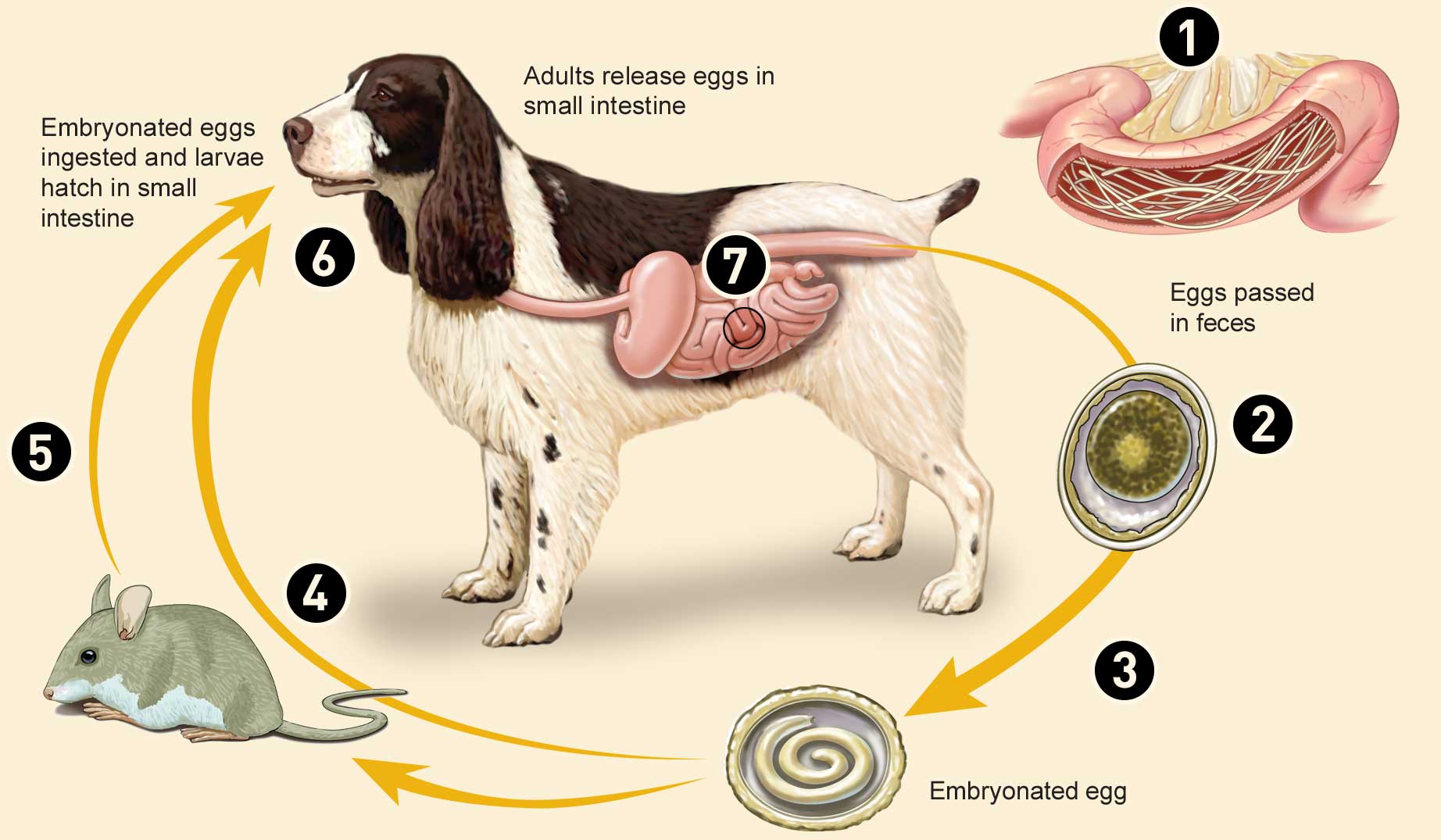
Roundworm symptoms in humans can occur if roundworm eggs are accidently ingested by a human. Roundworm eggs can be found in soil wherever dogs have passed faeces, and if ingested, the larvae (juvenile worms) can migrate to internal organs, affecting muscles, eyes and the brain. Young children are considered most at risk as they are more likely to play in contaminated areas, place things in their mouths, and are less likely to have ideal hand hygiene.
Dogs with hookworm infestations will pass eggs in their faeces which hatch into larvae. The hookworm larvae can infest humans through skin contact (e.g. if walking barefoot on contaminated sand or soil). The larvae migrate through the skin and can cause skin lesions and other more serious diseases in humans. As it’s possible to get hookworm from your dog, it’s important to deworm your dog regularly.
Dogs are infested with hydatid tapeworm by eating raw offal (organs) from domestic grazing animals (e.g. sheep) or native wild animals (e.g. kangaroos) which have been infested with the parasite. Because of this, it primarily affects farm dogs fed raw offal or dogs which scavenge from carcasses. Hydatid tapeworm is 100% preventable if dogs are restricted from eating raw offal or scavenging carcasses. But what are the symptoms of tapeworm in humans? People can become infested with hydatid tapeworm if they ingest eggs passed in the faeces of an infested dog. Hydatid disease in humans is a potentially serious condition caused by cysts that form in vital organs such as the liver, lungs, and brain. Symptoms may include diarrhoea, unexplained weight loss, a swollen abdomen and fatigue.
While whipworm is an important cause of disease in dogs, cases of whipworm passing from dogs to people are very rare and the parasite poses little risk to humans. A different species of whipworm, Trichuris trichiura, affects humans but this is not the same as the canine whipworm and is not transmitted by dogs.
Reports of heartworm infections in people are very rare. Heartworm is a primarily a parasite of dogs but on very rare occasions humans can get heartworm after being bitten by an infected mosquito. In humans the juvenile heartworms never make it to the heart, but the inflammation caused by the worms can cause lung damage. It is impossible for the parasite to be spread directly from dogs to humans.
Can You Get Worms from Your Pet?
FAQ
How likely is it for a human to get worms from a dog?
Do I need to treat my house if my dog has worms?
If your dog has been diagnosed with worms, quarantine is generally not necessary. However, you should take specific precautions to prevent the spread of the worms and protect your dog’s health: Veterinary Treatment: Consult your veterinarian for an appropriate deworming treatment.
Can a dog lick you and give you worms?
Certain parasites like giardia, roundworms, and hookworms can also be transmitted through licks.