
As a dog owner, I’m always worried about what my furry friend might get into especially during the holiday season. With Christmas approaching, many of us will bring fir trees into our homes – but have you ever wondered if these festive additions could be harmful to your four-legged family members? Let’s dive into everything you need to know about fir trees and their potential risks to dogs.
The Short Answer
Yes fir trees can be mildly toxic to dogs. While not severely poisonous, they contain oils that can cause digestive upset and irritation if your dog decides to chew on the branches or needles.
Understanding the Risks of Fir Trees to Dogs
When it comes to Christmas trees fir, spruce, and pine varieties are popular choices. According to the information from TheDogToday, these trees are considered “mildly toxic” to pets. The primary concerns include
- Tree oils: Fir trees contain oils that can irritate your dog’s mouth and stomach
- Needles: Not digestible and can cause gastrointestinal issues
- Potential for vomiting: Dogs who chew on fir needles may experience excessive drooling or vomiting
As Hartz points out, “They are not digestible and can be mildly toxic depending upon your dog’s size and how much she ingests. The fir tree oils can irritate your dog’s mouth and stomach and cause her to vomit or drool excessively.”
The good news is that serious poisoning from fir trees is relatively rare. Most dogs won’t consume enough of the tree to cause severe symptoms, and many will be deterred by the taste and texture of the needles.
Beyond the Tree: Other Holiday Plant Hazards
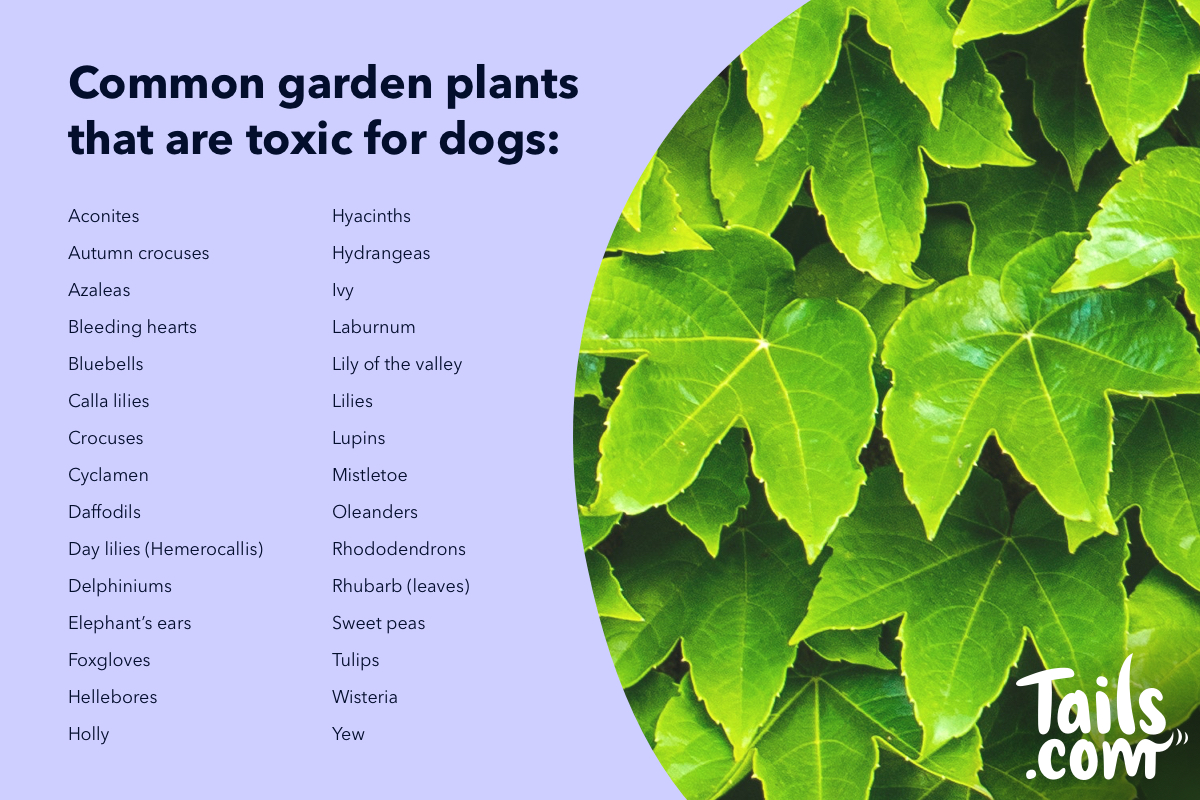
While we’re focusing on fir trees, it’s worth mentioning that several other holiday plants pose greater risks to your pets. If you’re decorating your home for the holidays, be aware of these more dangerous plants:
Mistletoe
This holiday favorite is seriously toxic to dogs. If consumed, mistletoe can cause:
- Severe gastrointestinal problems
- Breathing difficulties
- Heart issues
- Nerve or brain damage
Holly
Those pretty red berries and pointed leaves can be problematic:
- The pointed leaves can cause mechanical injuries
- Berries contain soap-like compounds called saponins
- Can lead to salivation, vomiting, and diarrhea
Lilies
While more commonly associated with Easter, lilies might appear in holiday arrangements:
- Extremely toxic to cats (can cause kidney failure)
- May cause gastrointestinal upset in dogs
- Can lead to heart arrhythmias and convulsions in severe cases
Amaryllis
This beautiful winter-blooming plant has hidden dangers:
- The bulb is particularly toxic
- Can cause oral irritation and salivation
- Large quantities may lead to gastrointestinal upset
Christmas Tree Water: An Unexpected Hazard
I’ve learned something surprising – the water in your Christmas tree stand might actually be more dangerous than the tree itself! According to Hartz, “Preservatives, pesticides, fertilizers, and other agents, such as aspirin, are frequently added to tree water to keep the tree fresh.”
If your dog drinks from this water, they could experience:
- Stomach upset
- Potential poisoning from chemicals
- Other health issues depending on what’s been added to the water
The solution? Make sure to cover your tree’s water reservoir so your curious pup can’t access it. There are special tree skirts and covers designed specifically for this purpose.
Other Christmas Tree Dangers for Dogs
It’s not just the tree itself that can pose risks. Other tree-related hazards include:
Ornaments
Glass or edible ornaments can be particularly problematic:
- Risk of injury from broken glass
- Potential intestinal blockages if swallowed
- Some materials used in ornaments may be toxic
Hooks
Those small wire hooks we use to hang ornaments can:
- Snag your dog’s ear or tail
- Cause throat or intestinal damage if swallowed
Tinsel
This shiny decoration is particularly attractive to pets but extremely dangerous:
- Can block intestines if swallowed
- May require surgery to remove
- Causes symptoms like decreased appetite, vomiting, diarrhea, and lethargy
Lights
Electrical cords and hot lights present their own hazards:
- Risk of burns from hot lights
- Electrical shock if cords are chewed
- Potential for mouth burns and even pulmonary edema (fluid in lungs)
Comparing Fir Trees to Other Toxic Trees
While fir trees pose a mild risk, it’s worth knowing about other trees that are more seriously toxic to pets. According to Trees by Jake, several common trees can be dangerous to pets:
Mimosa Trees
- Seedpods are poisonous to pets
- Interfere with neurotransmitters
- Can cause muscle tremors, spasms, and convulsions
Fruit Trees
- Apple, crabapple, apricot, cherry, peach, and plum trees contain chemicals that metabolize into cyanide
- The stems, leaves, and seeds are toxic
- Can cause dilated pupils, difficulty breathing, darkened gums, seizures, and shock
Boxwood Trees
- Entire tree is poisonous to dogs (orally and topically)
- Contains alkaloids that can cause congestion of vital organs
- Even one leaf can cause significant symptoms
- Can lead to organ shutdown and death in severe cases
Oak Trees
- Acorns contain tannic acid which is toxic
- Can cause vomiting, diarrhea, and abdominal discomfort
- Acorns themselves can cause obstruction
Red Maple Trees
- Leaves can be dangerous if ingested
- Can impair red blood cell function
- May cause abdominal pain, change in urine color, darkened membranes, and lethargy
Black Walnut Trees
- The mold that grows on nuts is toxic to dogs and horses
- Can lead to fluid buildup, increased heart and respiratory rate, and increased body temperature
How to Keep Your Dog Safe Around Your Christmas Tree
We don’t need to skip the Christmas tree altogether! Here are some practical tips to make sure your dog stays safe during the holiday season:
-
Secure your tree – Make sure it’s in a sturdy base that won’t tip over if your dog bumps it
-
Block access – Consider using a gate or barrier to keep your dog away from the tree when unsupervised
-
Cover the water – Use a tree skirt or specialized cover to prevent your dog from drinking the treated water
-
Skip the tinsel – This is one decoration that’s best avoided if you have pets
-
Use pet-safe ornaments – Avoid glass, edible, or small ornaments that could be swallowed
-
Secure electrical cords – Tape them down and check regularly for chew marks
-
Hang ornaments higher – Keep decorations on upper branches where curious paws can’t reach
-
Train your dog – Teach commands like “leave it” to discourage tree investigation
-
Provide alternatives – Give your dog plenty of appropriate toys to keep them occupied and away from the tree
-
Supervise – Don’t leave your dog alone with the tree until you’re confident they’ll ignore it
What to Do If Your Dog Eats Part of a Fir Tree
If you catch your dog munching on your Christmas tree, don’t panic. Here’s what to do:
-
Remove any remaining plant material from your dog’s mouth if possible
-
Monitor for symptoms like:
- Excessive drooling
- Vomiting
- Diarrhea
- Lethargy
- Loss of appetite
-
Call your veterinarian if symptoms develop or if you’re concerned about the amount ingested
-
Have emergency contact information handy – Keep your vet’s number and the nearest emergency clinic information readily available
Safer Alternatives to Traditional Christmas Trees
If you’re concerned about the risks, there are alternatives to consider:
- Artificial trees – Though be aware these can also pose risks if your dog chews on them and ingests plastic pieces
- Table-top trees – Smaller trees placed out of reach can reduce temptation
- Pet-safe plants – Consider decorating with truly non-toxic plants like Boston ferns or spider plants
- Creative alternatives – Wall-mounted tree designs or flat decorative trees can provide the holiday spirit without the hazards
The Bottom Line on Fir Trees and Dogs
So, are fir trees poisonous to dogs? Yes, but only mildly. Most dogs who nibble on fir needles will experience minor digestive upset at worst. The greater dangers actually come from the water additives, ornaments, lights, and other decorations.
With proper precautions, there’s no reason why you and your dog can’t enjoy a beautiful Christmas tree this holiday season. Just be vigilant, keep an eye on your furry friend, and make sure they have plenty of appropriate alternatives to keep them busy.
I’ve had my share of Christmas mishaps with my own dogs over the years, but with these precautions in place, we’ve managed to have many safe and happy holidays together. A little planning goes a long way in keeping the season bright for everyone – including our four-legged family members!
Remember, when in doubt, always consult with your veterinarian about any concerns specific to your dog’s health and safety. Every dog is different, and what might cause minor issues for one could be more serious for another.
Have you had any experiences with your dog and Christmas trees? I’d love to hear your stories and any additional tips you might have!
15 Trees Toxic to Dogs
FAQ
Are trees poisonous to dogs?
There are a number of trees that are poisonous to dogs and can be fatal if they ingest any part of the tree. Pay attention to the things your dog eats and chews while walking in parks or other wild areas. Consider bringing a ball for your dog to chase rather than tossing a stick.
Is an Iron Tree toxic to dogs?
An Iron Tree is non-toxic for dogs, according to the ASPCA. This makes it a safe choice for pet owners.
Are cherry trees poisonous to dogs?
Found from New Hampshire to Florida and west to Oklahoma and Montana. Poisonous facts: Stems, leaves, and seeds are poisonous to dogs and can lead to death. 4) Cherry Tree, Prunus serotina (Black Cherry), Rose family, Almond Plum sub-family. Identification: Can grow to 80 feet high with small white flowers and black or purple cherries.
Are boxwood trees poisonous to dogs?
The boxwood is a flowering evergreen tree and is often used in gardens or yards as shrubs or dividers. The entire tree is poisonous to dogs, both orally and topically, it is best to have the tree removed if they are anywhere a dog will have access to and completely remove the tree. Why are Boxwood trees poisonous to pets?
Can dogs eat fruit trees?
Everyone loves a good fruit tree. However, some species of fruit trees, particularly apple/crabapple, apricot, cherry, peach, and plum can be toxic to dogs, cats, and horses. Why are Fruit trees dangerous to pets? The stems, leaves, and seeds all contain a chemical that once ingested, is metabolized into cyanide.
Are mimosa trees poisonous to dogs?
The seedpods from mimosas can present a danger to pets. The boxwood is a flowering evergreen tree and is often used in gardens or yards as shrubs or dividers. The entire tree is poisonous to dogs, both orally and topically, it is best to have the tree removed if they are anywhere a dog will have access to and completely remove the tree.
What type of tree is poisonous to dogs?
Everyone loves a good fruit tree. However, some species of fruit trees, particularly apple/crabapple, apricot, cherry, peach, and plum can be toxic to dogs, cats, and horses.
What kind of Christmas trees are safe for dogs?
Live Trees: Fir, spruce, and pine trees make excellent Christmas trees and are generally non-toxic to pets. The needles, however, can cause oral irritation and in excessive amounts, gastrointestinal upset.
What in a yard can be poisonous to dogs?
What Common Yard Plants are Dangerous to Pets? Many common plants, including Easter Lilies, Poinsettias, American Holly, and Alocasia, are toxic to pets.Aug 30, 2025
Is a fir tree toxic?
Fir trees are actually mildly toxic, especially to a number of animals. Fir oils, when ingested, can lead to vomiting and diarrhea. The needles themselves aren’t easy to digest, and can even puncture internal organs. Of course, you probably don’t make it a habit of munching on your trees.