
Space heaters are responsible for an average of 1,700 home fires, approximately 70 deaths and 160 injuries every year, while fireplaces account for nearly 16,000 fires that result in 20 deaths and 50 injuries every year. Not just a fire risk, home heating equipment can also cause injuries through carbon monoxide (CO) poisoning. While there aren’t statistics specifically about pets, we know that space heaters and fireplaces can cause burns, a fire if your curious dog or cat knocks something over, or even smoke that is dangerous for you and your pet to inhale.
If you have one of these heating devices in your home, you may wonder how to keep your pets safe around a space heater or fireplace. Read our top tips below for keeping your dog or cat — and your home — safe this winter.
As the temperature drops and winter settles in, many of us reach for that trusty space heater to keep our homes cozy. But if you’re a dog parent like me, you might be wondering: are heaters actually bad for dogs? The short answer is: heaters themselves aren’t inherently bad for dogs, but they can pose serious risks if not used properly.
Let’s dive into everything you need to know about keeping your four-legged family members safe while staying warm this winter.
Why Dogs and Heaters Need Special Attention
Our furry friends have different temperature needs than we do. Did you know that dogs actually run hotter than humans? While our normal body temperature sits around 37°C (98.6°F), dogs maintain a toasty 39°C (102°F). This means what feels comfortable to us might actually be a bit chilly for them!
That’s why when there’s a warm spot by the heater, dogs are naturally drawn to it. But here’s where problems can arise – their fur coats that normally protect them from cold can actually work against them near heat sources.
The Furry Blanket Effect
Dr. Chris Brown, a veterinarian, explains that a dog’s fur creates a unique situation: “Their fur coat’s normal job is to insulate them against the cold. But it also insulates them against radiant heat just as well. It essentially acts like an insulating blanket, meaning their skin can be moderately warm while the outer protective layers are quite literally smoking. And they’ll have no idea.”
This is super scary! Your pup could be getting dangerously hot or even burned without showing any signs of discomfort until it’s too late
Common Heater Dangers for Dogs
There are several specific risks when it comes to dogs and heaters
- Burns and singed fur: Dogs lying too close to heaters can end up with burned skin or singed fur
- Tipping hazards: Active dogs can knock over portable heaters, creating fire risks
- Cord chewing: Some dogs might chew on electrical cords, risking electric shock
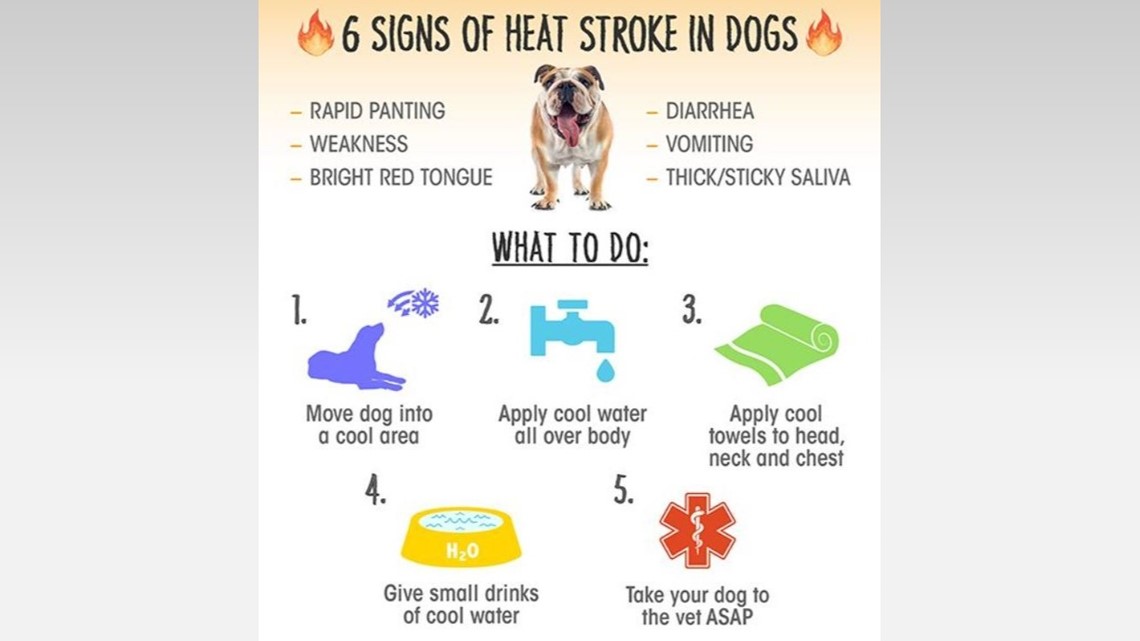
- Overheating: Certain breeds, especially brachiocephalic (flat-faced) dogs like Bulldogs and Pugs, have more difficulty cooling down
- Poor air quality: Some heaters can dry out the air or produce fumes that affect sensitive dogs
Which Dogs Need Extra Caution Around Heaters?
Not all dogs have the same risk level when it comes to heaters
Higher Risk Dogs:
- Brachiocephalic breeds (Bulldogs, Pugs, Boston Terriers): These flat-faced pups already struggle with breathing and temperature regulation
- Short-coated or smooth-coated breeds: They lose body heat more quickly and may seek out heaters more aggressively
- Puppies and senior dogs: They often have more trouble regulating their body temperature
- Dogs with mobility issues: They might not be able to move away if they get too hot
Choosing the Safest Heater for Homes with Dogs
If you’re shopping for a new heater and have furry family members, here are some features to look for:
Must-Have Safety Features:
- Overheat protection/shutoff: Automatically turns off if the unit gets too hot
- Tip-over protection: Shuts down if knocked over
- GFCI plug: Provides protection against electrical shock
- Cool-touch exterior: Prevents burns if your dog touches the heater
- Small front vents/grills: Prevents paws from getting inside
- Safety certification: Look for testing agency approval
Best Heater Types for Dog Households
According to MetLife Pet Insurance, ceramic heaters are generally considered safer for homes with pets because:
- They stay cool to the touch
- They provide consistent, even heating
- They heat up quickly
- They’re compact and portable
Radiant heaters can also work well in specific situations, offering:
- Energy efficiency
- Instant heat
- Targeted warmth
- Quiet operation
- Low maintenance
Heaters to Avoid with Dogs
Some heating options are just not worth the risk in homes with pets:
- Propane or kerosene heaters: These increase the risk of carbon monoxide poisoning and should be avoided indoors around pets
- Heaters with open elements: Any heater with accessible heating coils is too dangerous
- Oil-filled radiators: While generally safer than some options, they can get extremely hot to the touch
Smart Heater Placement for Dog Safety
Where you put your heater matters almost as much as what type you choose:
- Elevated positions: Place heaters on tables or shelves where dogs can’t directly access them
- Blocked access: Use baby gates or other barriers to create a “no dog zone” around the heater
- Away from traffic areas: Position heaters where dogs aren’t likely to run or play
- Cord management: Hide or cover all electrical cords to prevent chewing
- Clear surroundings: Keep the area around the heater free from toys, bedding, or other flammable items
Proper Heater Sizing and Heat Regulation
One often overlooked aspect of heater safety is proper sizing. A heater that’s too powerful for the space can create dangerous hot spots.
To calculate the right size:
- Determine heat rise: Find the difference between desired indoor temp and outdoor temp
- Calculate space volume: Measure room dimensions (length × width × height)
- Use the BTU formula: It takes about 0.24 BTU to raise 1 cubic foot of air by 1°F
- Convert if needed: 1 watt = 3.41 BTUs
Proper heat regulation is just as important as raw heating power. Look for models with adjustable thermostats that maintain consistent temperatures.
Creating Safe Warm Spots for Your Dog
Instead of letting your dog lie dangerously close to a heater, create safer alternatives:
- Heated pet beds: These provide gentle, controlled warmth
- Microwavable heating pads: These are designed specifically for pets
- Elevated beds: Keep your dog off cold floors
- Cozy corners: Create warm nooks away from drafts
- Extra blankets: Give them materials they can burrow into
The “Ring of Fire” Rule
Dr. Chris Brown suggests pet owners be proactive about moving pets away from what he calls the “ring of fire” around heaters. As he puts it, “You have to be the judge of what’s too close and move them back from the ‘ring of fire’. Otherwise, like hundreds of pets each year, your mate might have that sweet sleep interrupted.”
Don’t worry about your dog giving you the side-eye when you move them – a little doggy attitude is better than a trip to the emergency vet!
Should You Leave the Heater On for Your Dog When You’re Gone?
Many dog parents wonder if they should leave a heater running for their pet when they’re not home. Most veterinarians advise against this practice for several reasons:
- Dogs have natural temperature regulation through their fur
- Most healthy dogs can stay warm enough without supplemental heat
- Unattended heaters pose fire and burn risks
- Dogs can’t call for help if something goes wrong
If you’re worried about your dog being cold while you’re away, better options include:
- Providing plenty of blankets
- Using a self-warming pet bed
- Keeping your home at a moderate temperature
- Blocking drafts with weather stripping
Warning Signs Your Dog is Too Hot
Even with precautions, it’s important to monitor your dog for signs they’re overheating:
- Excessive panting
- Drooling more than usual
- Restlessness or inability to get comfortable
- Red gums or tongue
- Seeking out cool surfaces like tile floors
- Lethargy or weakness
If you notice these signs, move your dog to a cooler area immediately and provide fresh water.
Creating a Winter Safety Plan for Your Dog
The best approach combines several strategies:
- Choose the right heater with proper safety features
- Place it strategically where dogs have limited access
- Supervise always when heaters are in use around pets
- Provide alternative warming options like heated beds
- Know your dog’s specific needs based on breed, age, and health
- Establish a no-go zone around heating elements
Final Thoughts: Balance is Key
Heaters aren’t inherently bad for dogs, but they do require thoughtful management. As Dr. Chris Brown puts it, “ignore the burn of their glare when you move them back, the alternative could be far worse.”
I’ve found that my own dogs quickly adapt to the house rules around heaters. While they might give me that “how could you?” look when I move them from their toasty spot, they’re just as happy snuggling into their heated bed or extra blankets.
With the right precautions, both you and your furry family members can enjoy a warm, safe winter together. Remember that a little inconvenience now prevents heartbreak later – something any dog lover understands all too well.
Have you had any close calls with your dogs and heaters? What solutions worked best for keeping your pups warm but safe? I’d love to hear your experiences in the comments!
Offer a Heated Pet Bed
Giving your pet her very own heated bed in a “safe zone” is a great way to encourage her to stay away from a heater or fireplace. Be sure to find one certified to be safe, like a K&H heated bed. All K&H heated beds are tested and MET-certified to meet electrical safety standards.
The K&H Thermo-Kitty Cat Tunnel Bed is a fan favorite of cats that like to really snuggle in. And it’s ideal for a multi-cat family thanks to two entrances to the donut tunnel plus a cozy top that acts as an additional bed.
The K&H Thermo-Pet Lounge Sleeper Heated Cat & Dog Bed is another heated pet product to help keep your cat or dog warm when the temperature drops. The removable heating pad is thermostatically controlled to warm to your pets normal body temperature — only when your pet is lying in it — eliminating the risk of the bed getting too hot and burning your pet.
While human heating pads can get too hot and injure your pet, the K&H Thermo-Kitty Mat is a simpler option with the same type of safe temperature control. This reversible heated mat goes anywhere your cat does – on the couch, on top of an unheated cat bed, or in a cozy nook in the corner of your home office.
To ensure the bed is safe every season, regularly check your pets heated bed to make sure there are no tears or worn spots, that the electrical cord is still intact, and that the heating element is tucked safely into the bed. And if its a new purchase, its a good idea to test your pets bed and understand how it works before using it.
Use a Fireplace Screen
A fireplace screen is typically made of metal (like wrought iron, brass, or copper) or glass, though some are made of mesh. A fireplace screen goes either directly in front of the fireplace or sits flush against the face of the fireplace, acting as a barrier. This not only prevents your pet from sticking his nose where it shouldn’t be but also stops embers from popping out into your home.
EdenPURE heaters are safe for kids and pets! (short version)
FAQ
Is it okay for my dog to lay in front of the heater?
You have to be the judge of what’s too close and move them back from the ‘ring of fire’. Otherwise, like hundreds of pets each year, your mate might have that sweet sleep interrupted. Unfortunately I have seen dogs and cats end up with singed hair or even serious burns from lying too close.
Are heaters okay for dogs?
While most modern space heaters built now have safety features, ceramic space heaters are considered safe for use with kids and pets because they do not get …Jan 17, 2022
Can dogs sleep with the heater on?
Temperature Sensitivity: Dogs do not tolerate heat the same way humans do. Their bodies are more susceptible to overheating, which can lead to heatstroke—a potentially fatal condition.
Is it safe to put a heater in a dog house?
Placing a heater inside a dog house could potentially put your pet at risk. It is not advisable to do so.Jan 21, 2024