
The short answer is no. Huskies are not considered naturally dangerous dog breeds. However, there are still many preventable husky dog bite incidents that occur in the US. Reports from the Centers For Disease Control (CDC) suggest that huskies are not regarded among the top 5 dangerous dogs. Generally, huskies are playful dogs that are safe as pets, provided they are not trained to be aggressive by their owners.
If you’re considering bringing a beautiful Siberian Husky into your home, you might be wondering about their reputation With their wolf-like appearance and energetic nature, Huskies often raise questions about potential dangers. As someone who’s researched extensively into dog breeds and their classifications, I want to clear up some misconceptions and provide accurate information about whether Huskies are actually considered dangerous dogs
The Short Answer: It’s Complicated
Huskies are not inherently dangerous dogs, but they do appear on some blacklists – particularly for insurance companies. They rank 6th in terms of dog attack fatalities, responsible for approximately 3% of total fatalities between 2005 and 2017, causing harm to 13 people during that period.
However, their inclusion on these lists doesn’t tell the whole story.
Huskies and Official Dangerous Dog Lists
According to data from the Centers for Disease Control (CDC), Huskies aren’t even among the top 5 most dangerous dogs when measured by bite fatalities. Statistics show they’re responsible for about one fatality per year on average.
Interestingly, Huskies have recently joined the list of breeds blacklisted by some insurance companies for homeowner’s insurance. Insurance companies partly base their criteria for blacklisting on several factors, including bite frequencies. This approach may be problematic, however, as accurate breed bite rates are difficult to calculate.
The 11 breeds currently blacklisted by some insurance carriers include:
- Akita
- Alaskan Malamute
- Chow Chow
- Doberman Pinscher
- German Shepherd
- Pitbull Terrier (and their mixes)
- Presa Canario
- Rottweiler
- Staffordshire Bull Terrier
- Wolf Hybrid
- Siberian Husky
It’s worth noting that not all insurance companies blacklist breeds. State Farm and Farmers Insurance, for example, don’t single out particular breeds but instead look at individual circumstances for underwriting purposes. On the other hand, the Automobile Association embraces a blacklisting policy and won’t offer homeowner’s insurance to those who own most of the breeds mentioned above.
Why Can Huskies Sometimes Be Considered “Dangerous”?
While not inherently aggressive, there are several factors that contribute to Huskies sometimes being perceived as potentially dangerous:
1. Their Size Matters
Siberian Huskies are medium-sized dogs weighing between 45-60 pounds for males and 35-50 pounds for females. Even without aggressive intent, they have the ability to knock over small children and seniors due to their size and energy level.
As one Husky owner mentions: “If you have a household with small kids, you better have trained them prior to letting them interact! My husky loves nothing more than to play, which includes jumping on people!”
2. Extremely High Energy Levels
According to the AKC, Huskies are outgoing and mischievous. They were bred to pull sleds for extremely long distances – sometimes up to 100 miles a day! These dogs compete in Iditarod racing, running about 1000 miles within a span of a week.
This makes them what some would call an “ultra-hyper dog breed.” Without proper outlets for their energy, they might release pent-up energy on humans or other animals, even without aggressive intent.
One Reddit user describes: “Every owner knows Huskies are hyper dogs, but no one is actually ready for it until they meet one. Be prepared to attempt to keep up.”
3. Exercise Requirements
The PDSA recommends that Siberian Huskies need a whopping 2 hours of exercise each day! That’s a huge commitment many owners struggle to provide. Without adequate physical and mental stimulation, Huskies may develop destructive or potentially aggressive behaviors.
The Reality: Are Siberian Huskies Actually Dangerous?
The average Siberian Husky has these characteristics:
- Size: Large
- Average Height: 51-60 cm
- Average Weight: 16-27 kg
- Average Lifespan: More than 10 years
- Minimum exercise required (daily): 2 hours
Siberian Huskies are active and intelligent dogs and are among the fastest sled dog breeds. They can run for hours without tiring.
However, studies attempting to determine the most aggressive dog breeds show somewhat surprising results. Huskies are not found to be among the most naturally aggressive dog breeds.
In fact, published studies in the literature most often implicate German Shepherds, Chow Chows, and Jack Russell Terriers as the breeds most frequently involved in dog bite incidents.
According to the Canine Behavioral Assessment and Research Questionnaire (C-BARQ), the breeds showing most aggression towards unfamiliar dogs and strangers include Dachshunds, Jack Russell Terriers, German Shepherds, Chihuahuas and English Springer Spaniels – not Huskies.
When Do Huskies Bite?
Huskies typically showcase two main types of biting:
- Puppy biting – considered normal in development but needs proper training
- Excitement biting – can result in bruises, scratches, and scars if not controlled
The aggression level in any dog, including Huskies, depends heavily on how owners treat and train their puppies. With consistent, effective training, these biting habits can be reduced or eliminated.
Preventing Aggressive Behaviors in Huskies
If you’re considering bringing home a Husky but are concerned about potential aggressive tendencies, don’t worry. With proper training and preparation, you can raise a calm and obedient dog.
Here are some essential steps to prevent your Husky from developing aggressive behaviors:
1. Acknowledge Any Signs of Aggression Early
The worst thing you can do is ignore early signs of aggression in a Husky puppy. Because puppies are small and “can’t cause serious damage,” some owners let them jump on strangers or chew on fingers because it seems “cute.”
The problem? Huskies grow extremely quickly. Once they reach adult size, these same behaviors can cause real damage. Address and stop any sign of aggression immediately, regardless of the dog’s age.
2. Implement Obedience Training
Teaching basic commands like “stop,” “down,” “sit,” and “no” gives you more control over your Husky’s actions. These commands can be invaluable in preventing potential mishaps.
I should note that Huskies are notoriously independent and stubborn dogs. They may take longer than other breeds to learn commands, but with patience, it can be done. Always use positive reinforcement rather than punishment.
3. Prioritize Socialization Training
One of the best ways to prevent aggressive behaviors is through extensive socialization. Start as early as 3 weeks of age, with the most crucial learning period between 16 and 20 weeks.
During this window, your Husky can experience the world without becoming fearful of new stimuli. Options for socialization include:
- Obedience school
- Doggie day camps
- Dog parks
- Regular exposure to different people and environments
4. Provide Ample Physical Exercise
Given their incredible energy levels, providing daily exercise is crucial for preventing destructive or aggressive tendencies. Remember, these dogs were bred to run for hours!
If possible, a large enclosed space like a backyard is ideal. Having another active dog as a playmate can also help burn off excess energy.
5. Don’t Forget Mental Stimulation
Mental stimulation is just as important as physical exercise for a happy, balanced Husky. Options include:
- Obedience training
- Dog puzzles (like the Nina Ottosson Dog Puzzle)
- Hide and seek games
- Smart toys (like the StarMark Bark-A-Lot)
- Word recognition training
Types of Huskies
There isn’t a specific “Husky dangerous dog list,” but there are several breeds that fit under the Husky classification:
- Siberian Husky
- Greenland Dog
- Sakhalin Husky
- Alaskan Husky
- Mackenzie River Husky
Regardless of the specific breed, all Huskies need proper socialization, training, and exercise to prevent potential aggressive incidents.
Final Thoughts: Should You Be Worried?
While Huskies do appear on some dangerous dog lists (particularly for insurance purposes), they’re not inherently aggressive or dangerous dogs. Their wolf-like appearance is quite misleading – it doesn’t reflect a wolf-like temperament.
However, they are high-energy working dogs that require significant exercise, training, and mental stimulation. Without these, problems can develop. In the right home with owners who understand their needs, Huskies make wonderful companions.
If you’re considering a Husky, ask yourself if you can commit to:
- Providing 2 hours of daily exercise
- Consistent training and socialization
- Mental stimulation activities
- Accommodating their independent nature
With the proper care and training, the question isn’t “Are Huskies dangerous?” but rather “Are you the right owner for a Husky?”
Have you had experience with Huskies? Did you find them to be dangerous or just misunderstood? We’d love to hear your thoughts in the comments!
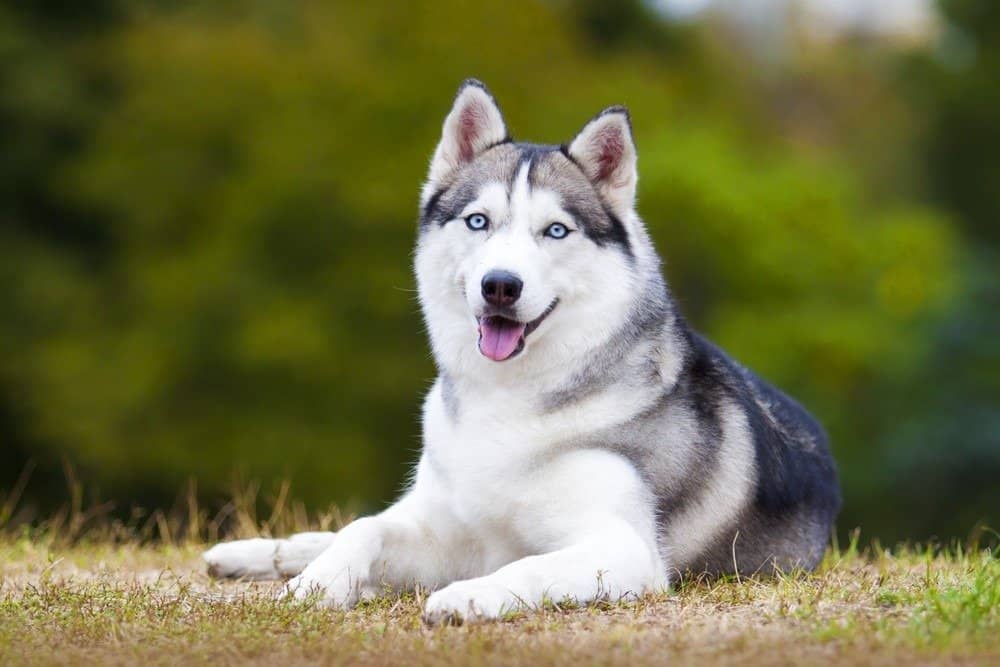
Where are huskies originally from?
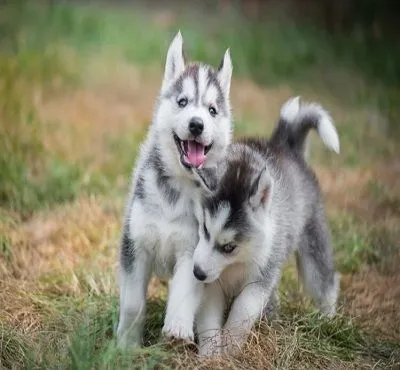 “Husky” was a name given to dogs who were bred to pull sleds in northern regions such as Alaska. Huskies are generally very fast, high-energy dogs. Consequently, they are often born and bred to be athletic.
When you mix a propensity to be athletic and physical with an attempt to domesticate, the chance of a violent outburst becomes more likely. When this happens, dog bites and injuries can occur.
There is no Husky dangerous dog list that indicates breeds that are sure to be dangerous. However, there are many different specific breeds that meet the definition of Husky. Some of the major types include:
- Siberian Husky
- Greenland Dog
- Sakhalin Husky
- Alaskan Husky
- Mackenzie River Husky
Some huskies have different looks. Some have agouti-colored husky or blue eyes while there are also miniature huskies. Regardless of breed, a dog must be socialized and walked or exercised in order to prevent aggression and potential incidents.
Huskies as a breed rank 6th where dog attack fatalities are considered. From 2005 to 2017, huskies have caused 3% of total fatalities, causing harm to 13 people.
Are Siberian Huskies dangerous?
Siberian Huskies are regarded as one of the most powerful huskies. If these dogs become aggressive, they can cause harm and injuries to children or adults.
The Average Siberian Husky
| Size | Large |
|---|---|
| Average Height | 51-60 cm |
| Average Weight | 16-27 kg |
| Average Lifespan | More than 10 years |
| Minimum exercise required (daily) | 2 hours |
Siberian huskies are considered to be an active and intelligent dog breed. They are known to be one of the fastest sled dog breeds. Typically, they can run for hours without getting tired.
Are Huskies DANGEROUS? (Yes or No?)
FAQ
Are Huskies aggressive?
Generally, huskies are not aggressive. It’s not in their nature. They are avid hunters, thanks to their high prey drive. However, they typically have low levels of aggression when it comes to people and other dogs. The American Temperament test is designed to measure aspects of a dog’s temperament.
Are Siberian Huskies dangerous?
Siberian huskies have a wolf-like appearance, which can be intimidating. They are also a large breed, with a high energy level. These factors can leave you wondering, are huskies dangerous? The truth is, dog bites do happen, but they are very rare.
Can a husky bite a dog?
Dogs can bite, but that doesn’t make them inherently dangerous. In fact, Huskies are excellent family dogs and are known for their playful and friendly personalities. So, while a Husky’s bite can cause serious damage, it doesn’t mean they are dangerous. In fact, you’ve probably seen how cute and hilarious they can be on YouTube!
Are Huskies a good dog breed?
Pit Bulls and Boxers are among the dog breeds in the Top 10 list of breeds with a tendency to show aggression towards other dogs. So the answer is no. Huskies are a type of high-energy working dog who have pulled sleds in the old days but have now adapted to living in a modern, technological environment.
Can a husky hurt a small child?
It’s very possible a Husky can inadvertently hurt a small child. Dog behaviorists will agree that essentially every dog has the potential to be a “good” or a “bad” dog, but it depends on various factors. These factors can include genetic predisposition, life history and of course, upbringing. RECOMMENDED: 10 Most Dangerous Dog Breeds
Can a husky attack a dog?
If a strange dog comes into your yard, a friendly husky can become aggressive. Typically, they won’t attack, but they will let the dog know where their boundaries are. This is a natural instinct. In the wild, a dog’s ability to protect their resources and territory are directly linked to their ability to survive.
Why are huskies banned from insurance?
Nonetheless, Siberian Huskies are now included in the list of breeds banned by insurance companies for homeowner’s insurance. Insurance companies in part based their criteria for blacklisting a breed on several factors, one of which includes bite frequencies for the breed.
Are huskies considered a dangerous breed?
Huskies are not considered to be aggressive or dangerous dogs in terms of temperament but these strong working dogs are physically very powerful. Huskies are generally known for their playful, fun-loving temperaments and mischievous side so need lots of physical exercise and mental stimulation to keep them busy!
What is the #1 most aggressive dog breed?
While no single dog breed is definitively the “most aggressive,” pit bulls are frequently cited as the most dangerous due to their high involvement in fatal attacks and a history of being bred for fighting. However, factors like poor training, bad ownership, and the tendency to mislabel breeds in statistics also significantly influence aggression. Other breeds often linked to serious incidents include Rottweilers, German Shepherds, and even Chihuahuas, although their reputation for aggression is more about behavioral issues and aggression in smaller dogs.
Are huskies restricted breeds?
Breed restrictions:While Husky is a restricted breed in some California cities,this doesn’t automatically imply your dog is considered dangerous or vicious. Your dog’s past behavior and any relevant registration or temperament assessments could be relevant to the case.