
When you’re trying to figure how to give a dog a pill, the truth is that there’s no one-size-fits-all solution. Some dogs are very easy to pill, while others will spit out the pill 50 times before you get them to swallow it.
Pet parents will often use food to get reluctant pets to take their prescription pet medication. But did you know that certain foods can be unsafe for your dog or inadvertently affect the potency of the medication?
If you need to administer medication to your pet, check out this list of foods to avoid when giving dogs pills.
When it comes to giving our furry friends medication, many of us have experienced the struggle. You carefully hide a pill in food, only to find your clever canine has somehow eaten everything EXCEPT the medicine! This is why pill pockets became so popular. But are pill pockets bad for dogs? Let’s dive into what these treats are, their benefits and potential downsides, and explore some alternatives.
What Are Pill Pockets?
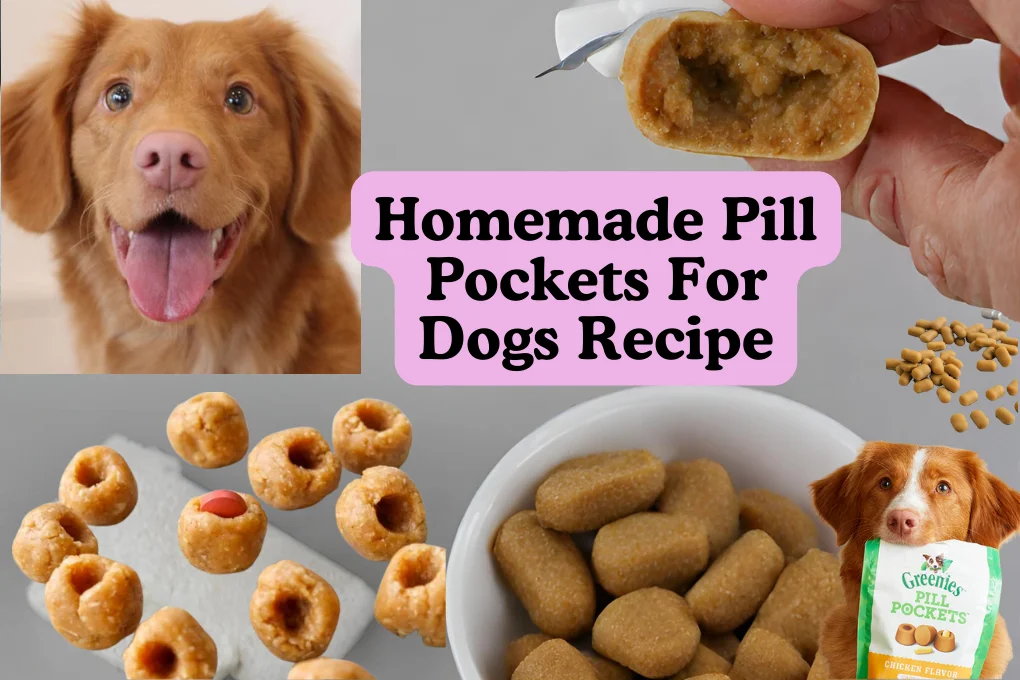
Pill pockets are specially designed soft treats with a hollow center where you can hide your dog’s medication. Greenies Pill Pockets are one of the most popular brands, but there are several options on the market. They come in various flavors like chicken, peanut butter, and hickory smoke to entice your pup to take their medicine.
The concept is simple – you place the pill inside the pocket, pinch it closed, and offer it to your dog as a treat. For many dogs, this works like magic!
Are Pill Pockets Safe for Dogs?
The short answer is: Yes, pill pockets are generally safe for most dogs when used as directed. They’re specifically formulated for dogs and are designed to make medication administration easier.
However like any treat they should be given in moderation and with some considerations
Pros of Using Pill Pockets
- Convenience: They make giving medication much less stressful
- Effective concealment: The texture and strong flavors help mask the pill
- Less traumatic: Avoids the need to force pills down your dog’s throat
- Variety of flavors: Options to match your dog’s preferences
- Different sizes: Available for both capsules and tablets
Potential Concerns with Pill Pockets
- Calorie content: They add extra calories to your dog’s diet
- Ingredients: Some contain additives that might not be ideal for dogs with specific health conditions
- Cost: They can be more expensive than using regular food
- Not suitable for all dogs: Dogs with certain health conditions might need to avoid them
Who Should Avoid Pill Pockets?
While pill pockets are safe for most dogs, there are some situations where they might not be the best choice:
- Dogs with diabetes: Due to the sugar content in some pill pockets
- Dogs prone to pancreatitis: Some pill pockets may be too rich
- Dogs with food allergies: Check ingredients carefully
- Dogs on low-sodium diets: Some varieties contain higher sodium levels
- Dogs on strict prescription diets: Check with your vet first
Always consult with your veterinarian before introducing pill pockets, especially if your dog has any health conditions or dietary restrictions.
How to Use Pill Pockets Correctly
If you decide to use pill pockets, here’s how to use them effectively:
- Hold the pill pocket in one hand
- Place your dog’s pill or capsule in the center pocket
- Pinch it closed with your hand that hasn’t touched the medication (this prevents transferring the pill’s scent to the outside)
- Feed the sealed pill pocket to your dog like a normal treat
Pro tip Keep your dog’s pill-taking experience positive by giving an empty pill pocket as a treat occasionally This prevents them from becoming suspicious every time they see one!
Alternatives to Commercial Pill Pockets
If commercial pill pockets aren’t right for your dog, don’t worry! There are plenty of alternatives you can try. Here are some vet-recommended foods that can work well for hiding pills:
1. Peanut Butter
Peanut butter is sticky and has a strong flavor that masks medication well. Most dogs love it!
Important safety note: Always check the label to ensure it doesn’t contain xylitol (also listed as “birch sugar”), which is extremely toxic to dogs. Also, peanut butter is high in fat, so it’s not ideal for dogs prone to pancreatitis.
2. Marshmallows
Marshmallows have a gooey consistency that’s good for concealing pills, and they’re low in fat. Mini marshmallows often work perfectly for small pills.
Caution: They’re high in sugar, so not great for diabetic dogs. Always avoid sugar-free marshmallows as they might contain xylitol.
3. Plain Cooked Chicken or Turkey
Lean meats like chicken or turkey breast can work well for hiding pills. The strong smell is very appealing to dogs.
Note: Avoid deli meats due to their high sodium content. And don’t use raw meat due to bacterial contamination risks.
4. Plain Yogurt or Greek Yogurt
Plain yogurt can be good for hiding pills and may provide probiotic benefits. It’s also less likely to cause pancreatitis than some richer options.
Important: Don’t use yogurt when giving antibiotics, as the calcium can bind with antibiotics and make them less effective. Also, some dogs are lactose intolerant.
5. Canned Dog Food
If your dog normally eats dry kibble, a small amount of canned food can be a special treat that works well for hiding pills. Ideally, use the canned version of your dog’s regular food.
6. Bananas
Bananas can be used to hide pills and have a sweet taste dogs often enjoy. However, they’re high in sugar and potassium, so they may not be appropriate for dogs with certain health conditions like diabetes or those on medication for heart disease.
Foods to Avoid for Hiding Pills
Some foods aren’t good choices for hiding medication:
- Cheese – Can interfere with antibiotic absorption and potentially trigger pancreatitis
- Cream cheese – Same concerns as regular cheese
- Ice cream – Too rich and contains lactose
- Raw meats – Risk of bacterial contamination
- Deli meats – High sodium content
- Hot dogs (as a regular solution) – High in fat, sodium, and preservatives
Important Precautions When Giving Pills in Food
- Always consult your vet about which foods are safe for your dog’s specific condition
- Check medication labels – Some medications can’t be given with food
- Don’t crush tablets or open capsules unless specifically directed by your vet
- Make food pieces small enough for your dog to swallow whole
- Have a backup plan if your dog becomes wise to your pill-hiding tactics
Homemade Pill Pocket Recipes
If you want to make your own healthier version of pill pockets, here’s a simple recipe:
Basic Homemade Pill Pockets
Ingredients:
- 1 cup whole wheat flour (or coconut flour for grain-free)
- 1/3 cup peanut butter (xylitol-free)
- 1/4 cup unsweetened applesauce
- 2 tablespoons water
Instructions:
- Mix all ingredients in a bowl until a dough forms
- Roll into small balls and make an indentation in each
- Let dry slightly before using
- Store in refrigerator in airtight container for up to a week
Final Thoughts
Pill pockets aren’t inherently “bad” for dogs – they’re actually quite helpful tools when used appropriately. The key is to consider your individual dog’s health needs and use them wisely.
If you’re still unsure about whether pill pockets are right for your furry friend, have a chat with your vet. They can help you determine the best method for giving your dog medication based on their specific health needs.
Remember, the most important thing is that your dog gets their medication consistently and with minimal stress. Whether that means commercial pill pockets, homemade alternatives, or another method entirely, find what works for you and your pup!
Have you tried pill pockets with your dog? What’s your go-to method for giving your furry friend medication? I’d love to hear your experiences in the comments!
FAQs About Pill Pockets for Dogs
Q: Can I use pill pockets every day for long-term medication?
A: Yes, but monitor your dog’s weight since they add calories. For daily long-term use, consider rotating between pill pockets and other methods.
Q: Are there grain-free pill pocket options?
A: Yes, some brands offer grain-free varieties for dogs with grain sensitivities.
Q: My dog found the pill inside the pill pocket. What now?
A: Try making the pill pocket smaller so your dog swallows it whole, or try a different food or method.
Q: Can I cut pill pockets in half to make them last longer?
A: Yes! For small pills, you can often cut pill pockets in half or even thirds.
Q: Are there pill pockets for cats too?
A: Yes, there are pill pockets specifically formulated for cats in flavors they prefer.
Remember, giving medicine doesn’t have to be a battle. With the right approach, it can actually become a positive experience for both you and your furry friend!
Use Dog Pill Pockets
While pill pockets for dogs might not always be the healthiest option, they offer a convenient, pet-friendly choice for many pet owners to hide and successfully administer medications to their pets, says Dr. Osborne.
Pill pockets are specifically designed to be tasty and appealing to dogs. They come in dozens of flavors, making it convenient to rotate flavors and find what your pet’s favorite is, says Dr. Trimble. “Plus, with pill pockets, you don’t have to worry about fat, sodium and artificial sugars,” he adds.
When choosing a pill pocket, however, Dr. Osborne recommends reading the labels to pick a brand that isn’t too high in calories.
There are products, like Greenies Pill Pockets, that can make the process of giving dogs their pills a lot more efficient and effective. You’ll also have peace of mind in knowing that none of the ingredients will affect your dog or their medication.
Not All Foods Are Safe for Giving Pills to Dogs
While it may be tempting to just use any food you have around to get your pup to eat their medication, that is not always a safe bet. Different types of foods can have different impacts on the efficacy of the medication, and they can have detrimental health impacts for dogs with certain conditions.
Always be sure to talk to your veterinarian prior to choosing a type of food for delivering your pet’s medications so that you can be sure it is safe.
Bananas can be an acceptable way to hide pills for your pet, but they are high in sugar, says integrative veterinarian Dr. Carol Osborne, DVM, who owns Chagrin Falls Veterinary Center & Pet Clinic. “If your dog is a diabetic or is suffering from [a particular] illness, bananas may not be the best choice,” Dr. Osborne says.
Bananas should also not be used for dogs that have potassium-regulation problems or are on prescription pet medication for blood pressure or heart disease, says Dr. Jess Trimble, DVM, Head of Health at Fuzzy Pet Health. “The potassium in bananas has a possibility of affecting the effectiveness of certain medications,” Dr. Trimble explains.
Cheese might work for some dog medications, especially if you use softer cheeses that you can mold around pills, says Dr. Trimble. “It’s important to give a small amount to your pet first before trying it with a pill—some pets are lactose intolerant or can have vomiting and diarrhea from dairy products,” says Dr. Trimble. “Cheese can also be high in fat too, so remember to use only enough to get the pill covered and decrease [the number of] other treats.”
The same goes for cream cheese. “Cream cheese, as a dairy product, has a higher likelihood of causing stomach upset, so use the smallest amount possible to hide the pill—if you have to use more than ½ teaspoon, find a different method,” advises Dr. Trimble.
If your pet should avoid high-fat food as a part of their illness, then you may want to skip the cheese completely.
Also keep in mind that dairy products can negatively affect other medications, like dog antibiotics.
“Calcium-rich foods, like dairy products, can interfere with some medications,” says Dr. Trimble. “Specifically, some antibiotics can bind to the calcium in dairy products; once bound to the calcium, the antibiotics can no longer be absorbed in the intestines, making the antibiotic useless.”
So, if you’re giving prescription pet antibiotics, avoid using cheese, yogurt or other calcium-rich foods to hide the pills.
Peanut butter can sometimes be a good option for giving a dog pills, and the creamy kind can be more effective. “Peanut butter especially can be tough for pets to lick off and spit out the pill—just check the label to ensure there is no xylitol or other sugar substitutes starting in ‘xy-,’ as those sugar substitutes are toxic to dogs,” says Dr. Trimble.
You should not use peanut butter if your pet needs to avoid high-fat foods, says Dr. Osborne.