
Are male dogs more intelligent? More loving? Are female dogs more temperamental? Find out what the experts believe along with the interesting findings from this 50-dog study. Plus: How breed characteristics can turn everything upside down.
Obviously, male and female dogs are different anatomically, but what are the behavioral differences between them? Is one gender more intelligent or compliant than the other?
The question of which is “better,” male or female dogs, is a subject that has yet to be studied scientifically. But most dog lovers have definite opinions based on their own experience. According to PetMD:
Most knowledgeable dog people agree that a canines behavior depends on his upbringing and training. Affection, aggression, and other traits — both positive and negative – are fostered by a dogs environment and his human caretakers.
Have you ever wondered whether that loyal furry guardian keeping watch over your home would be more protective as a male or female? It’s a question many potential dog owners ask themselves when choosing their next four-legged family member As someone who’s spent years around dogs of both genders, I’m excited to dive into this fascinating topic and share some insights that might surprise you!
The answer isn’t as straightforward as you might think. While there are some gender-based tendencies, the truth is that female dogs are generally considered more protective than male dogs – but there’s a lot more to the story than just that simple statement.
Understanding Protectiveness vs. Aggression
Before we dive deeper, we need to clear up a common misconception Many dog owners mistake aggressive behavior for protectiveness, which can be a dangerous assumption.
Aggression is NOT Protection
Aggressive behavior is inherently selfish. An aggressive dog may show hostility toward anyone who makes them uncomfortable or challenges their dominance – even you or your family members! There are two main types of aggression to watch for:
-
Dominant Aggression: These dogs try to dominate others in their environment. They might lunge at strangers, deliberately disobey commands, and guard their food aggressively. The scary part? They often attack without warning.
-
Defensive Aggression: These dogs are insecure and unpredictable. They display submissive body language (ears back, lowered head, tucked tail) but may attack if approached or touched.
True Protection is Different
Protective behavior, on the other hand, is about safeguarding you and your family. A truly protective dog:
- Distinguishes between actual threats and normal situations
- Doesn’t show aggression toward family members
- Responds appropriately to dangerous situations
- Returns to normal behavior when the threat is gone
So Which Gender is More Protective?
Research suggests that female dogs tend to be more protective than males, though this isn’t an absolute rule. Here’s what the evidence shows:
Why Female Dogs Often Show More Protective Behaviors
-
Faster Maturity: Female dogs typically mature quicker than males, making them easier to train. Since protectiveness is built on trust and respect, females often develop protective instincts earlier.
-
Less Aggression: Female dogs are generally less aggressive than males, making them better protectors around children and family. They’re less likely to misinterpret situations as threatening.
-
Maternal Instincts: As females mature, they develop strong maternal instincts that extend to their human “pack.” This natural drive to protect their puppies translates to protecting human family members, especially children.
One canine behavior specialist notes: “In my experience, female dogs tend to be more protective of their families, especially when it comes to children. They have a nurturing instinct that drives them to keep their loved ones safe at all times.”
What About Male Dogs?
While females might have some natural advantages in the protection department, male dogs shouldn’t be counted out:
- Male dogs tend to be more territorial
- They often have a more imposing physical presence
- They can be equally loyal and protective with proper training
- Neutering can help reduce aggression while maintaining protective instincts
A veterinary behaviorist explains: “While male dogs may exhibit more dominant behaviors, it doesn’t necessarily translate to being more protective. Female dogs can be just as fierce and loyal when it comes to protecting their territory and loved ones.”
Factors More Important Than Gender
Truth be told, gender is just one of many factors that influence how protective a dog will be. These other elements often play a much bigger role:
1. Breed Characteristics
Some dog breeds were specifically developed for protection and guarding, regardless of gender. These include:
- German Shepherds
- Rottweilers
- Dobermans
- Boxers
- Akitas
- St. Bernards
These breeds typically have protective instincts hardwired into their DNA from generations of selective breeding.
2. Individual Personality
Just like humans, every dog has their own unique personality. I’ve met extremely protective female Labradors and completely chill male Dobermans who wouldn’t hurt a fly. A professional dog trainer confirms: “I’ve worked with both male and female dogs, and I’ve seen a wide range of protective instincts in both genders. It really comes down to the individual dog.”
3. Training and Socialization
This is HUGE! How you raise and train your dog has a much bigger impact on their protective behavior than their gender ever will. A well-trained dog of either gender will know:
- When protection is appropriate
- How to assess threats
- How to respond without excessive aggression
- When to stand down
4. The Bond With Their Owner
Dogs who share a strong bond with their owners tend to be more protective, regardless of gender. This connection is built through:
- Consistent positive reinforcement
- Trust and respect
- Quality time together
- Meeting their physical and emotional needs
Common Questions About Dog Protectiveness
Based on my experience and research, here are answers to some questions you might have:
Will a female dog be as protective as a male dog?
Absolutely! Female dogs can be just as protective as males, and in many cases, even more so due to their maternal instincts.
Are small dogs protective too?
Size doesn’t determine protectiveness! Small dogs can be incredibly vigilant and protective – sometimes even more vocal about potential threats than larger breeds.
How can I encourage protective behavior in my dog?
Focus on building a strong bond through positive training methods, proper socialization, and establishing yourself as a trustworthy leader. Never encourage aggression as a substitute for protection.
Can a dog be too protective?
Yes! Over-protectiveness can lead to aggression and behavioral problems. A balanced dog should be able to distinguish between real threats and normal situations.
My Personal Experience
In my years of working with dogs, I’ve noticed that my female shepherds have been particularly watchful over children in the family. One of my girls, Luna, would always position herself between strangers and my nephew, not aggressively, but clearly “on duty.”
Meanwhile, my male retriever, Cooper, is more focused on territory – he alerts us to anyone approaching the property line but is less concerned with monitoring people once they’re inside our home.
Both are protective in their own ways, but their focus differs slightly. I wouldn’t say one is “better” than the other – just different.
Making Your Decision
If you’re trying to decide between a male or female dog specifically for protection, consider these points:
- Female dogs might be better if you have young children and want a dog with nurturing protective instincts
- Male dogs might be preferable if territorial protection is your primary concern
- Either gender can be an excellent protector with proper training and socialization
- Breed tendencies often outweigh gender differences
- Individual personality matters more than gender stereotypes
Final Thoughts
While research suggests female dogs might have a slight edge in protectiveness due to maternal instincts and less aggressive tendencies, the difference isn’t dramatic enough to make gender the deciding factor in choosing a protective dog.
The breed, individual temperament, training, and the bond you build with your dog will have a much stronger influence on their protective behavior than their gender ever will.
Whether you choose a male or female, remember that responsible ownership includes proper training, socialization, and never encouraging aggression. A well-balanced dog of either gender can be both a loving family member and a reliable protector when needed.
Have you noticed differences in protective behavior between male and female dogs? I’d love to hear your experiences in the comments below!
Disclaimer: This article is based on general trends and research. Individual dogs may vary significantly from these patterns. Always consult with a professional trainer or behaviorist for advice specific to your dog.
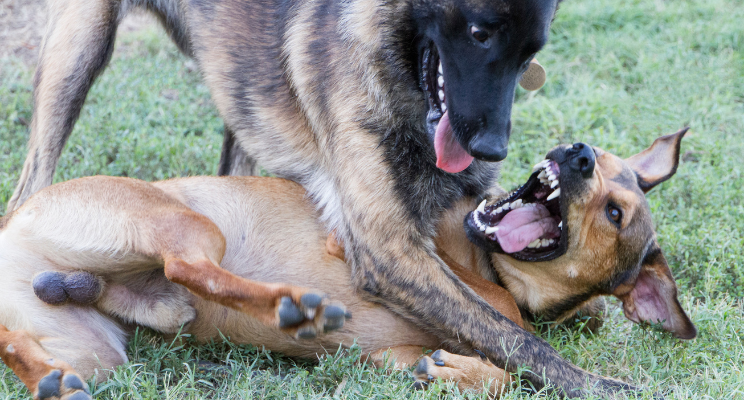
Female Dogs May Be More Visually-Oriented Than Males
The results, according to Veterinary Pet Insurance, demonstrated a distinct difference between how the male and female dogs responded:
The University of Vienna researchers think its doubtful there is an evolutionary reason behind the difference in visual skills between female and male dogs. However, psychologist and canine expert Stanley Coren, professor emeritus at the University of British Columbia in Canada and author of The Intelligence of Dogs: A Guide to the Thoughts, Emotions, and Inner Lives of Our Canine Companions, has a different opinion:
He makes the point that female dogs might need to rely on sight over smell to keep track of a litter of puppies, who all tend to smell the same. Male dogs are more scent-oriented (which is why they are often preferred for trailing and tracking work), so they may be less impressed by nuances in their visual field.
Breed Also Plays a Role in Male Vs. Female Behavior
Breed characteristics can also account for certain behavioral tendencies and turn widely held beliefs about males vs. females upside down. Spadafori cites these examples:5
- In dominant breeds like the Rottweiler, females are often sweeter and more biddable than males
- In breeds that tend to be a little skittish, such as the Shetland Sheepdog, males may tend to be more extroverted and approachable
- And in some breeds, such as the Golden Retriever, there can be almost no noticeable distinction between the sexes — especially in Goldens that have been spayed or neutered
Spadafori offers this advice for prospective dog guardians: