
Adobe Stock/JAVIER LARRAONDONOTE: Always check with your veterinarian first before giving your dog any new foods, especially “people foods.” What might be OK for one
Potatoes are a staple food in kitchens all over the world. Hungry humans have been incorporating taters into meals for centuries, and there are countless ways to enjoy them—chopped, sliced, diced, boiled, mashed, fried, baked … the list is endless. Such a popular food makes it easy to wonder if dogs can eat potatoes, too.
Good news: It’s safe for dogs to eat potatoes; they’re actually a popular ingredient in commercial dog food and treats. But even though potatoes are considered a safe “human food” for dogs to enjoy, there are a few things to keep in mind about how to safely share this starch with your pooch.
Ever caught your furry friend giving you those big puppy eyes while you’re enjoying a delicious plate of mashed potatoes? I know I have! As a dog parent, it’s natural to wonder if sharing your favorite comfort food with your canine companion is a good idea So, are mashed potatoes good for dogs? The answer isn’t as simple as a yes or no – it’s complicated!
The Short Answer
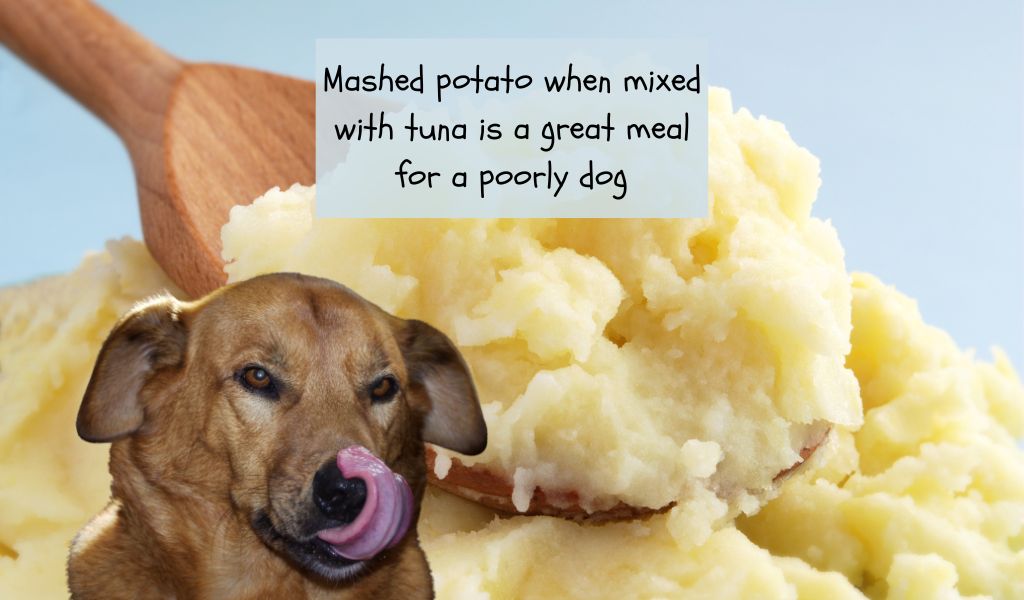
Yes dogs can eat plain mashed potatoes in moderation, but there’s a big BUT here. The key words are “plain” and “moderation.” Those creamy buttery, garlicky holiday mashed potatoes you love? Not so great for Fido.
Let me break down everything you need to know about feeding mashed potatoes to your pup – the benefits, risks, and how to serve them safely.
Nutritional Benefits of Potatoes for Dogs
Believe it or not, plain potatoes do offer some nutritional value for your furry friend. They contain:
- Vitamin C – Supports your dog’s immune system
- Vitamin B6 – Helps with brain function and hormone regulation
- Potassium – Supports heart health and kidney function
- Magnesium – Important for bone growth and metabolism
- Iron – Essential for healthy blood cells
- Fiber – Helps keep your dog’s digestive system moving smoothly
- Antioxidants – Protect cells from damage and the brain from oxidative stress
Dr. Nita Vasudevan a veterinary consultant confirms that “potatoes contain essential nutrients like vitamin C, B6, and potassium, and they provide a good source of fiber.” So there are some legitimate benefits to sharing a small amount with your pup.
The Risks: When Mashed Potatoes Turn Dangerous
Here’s where things get tricky. While plain potatoes themselves aren’t toxic to dogs, many ingredients we typically add to make mashed potatoes delicious can be harmful or even toxic to our canine companions.
Dangerous Additions to Watch Out For:
- Butter and oil – Extra fats can lead to obesity and pancreatitis
- Salt – Too much can cause excessive thirst, urination, and even sodium ion poisoning
- Garlic and onions – HIGHLY TOXIC to dogs, can cause anemia and damage red blood cells
- Milk and cream – Many dogs are lactose intolerant
- Spices and seasonings – Can cause stomach upset
Dr. Vasudevan warns that “holiday mashed potatoes often include added ingredients like butter, cheese, cream, and garlic—all of which can upset a dog’s stomach or lead to long-term health issues. Garlic and onion powder are especially toxic for dogs.”
Other Health Concerns:
- Blood sugar spikes – Potatoes are high in carbs, which can be problematic for dogs with diabetes
- Weight gain – The starch in potatoes can contribute to obesity if overfed
- Solanine poisoning – Raw potatoes contain solanine, which is toxic to dogs (cooking reduces this)
My Dog Accidentally Ate Mashed Potatoes! What Now?
We’ve all been there – you turn your back for one second, and suddenly your pup has helped themselves to your plate of mashed potatoes. Don’t panic!
If your dog ate plain mashed potatoes with minimal seasonings, they’ll likely be fine. Just keep an eye out for any signs of digestive upset like vomiting or diarrhea.
However, if your mashed potatoes contained toxic ingredients like garlic or onions, it’s time to call your vet or the Pet Poison Helpline immediately. Watch for signs of poisoning such as:
- Lethargy
- Decreased stamina
- Loss of appetite
- Pale gums
- Elevated heart rate or rapid breathing
- Discolored urine
- Yellow eyes, skin, or gums
How to Safely Prepare Mashed Potatoes for Dogs
If you really want to share some mashed potatoes with your furry friend, here’s how to do it safely:
- Peel the potatoes completely – Remove all skin, especially any green parts
- Boil in unsalted water – Skip the salt entirely
- Mash with nothing or minimal additions – Maybe just a tiny splash of plain yogurt if needed
- Serve in moderation – A couple of tablespoons is plenty as an occasional treat
Pro tip: If you’re making mashed potatoes for the family, set aside a small portion for your dog BEFORE adding all the tasty (but problematic) ingredients for the human version.
How Much is Too Much?
According to veterinary advice, high-starchy foods like mashed potatoes should only make up about 10-20% of your dog’s daily diet. For most dogs, a couple of tablespoons as an occasional treat is plenty.
Remember, treats of any kind (including mashed potatoes) should be given in moderation. The majority of your dog’s calories (about 90%) should come from their regular balanced dog food.
Better Alternatives to Mashed Potatoes
If you’re looking for healthier options to share with your pup, consider these dog-friendly alternatives that can be mashed or pureed:
- Sweet potatoes – Lower glycemic index, packed with vitamins
- Pumpkin – Great source of fiber, most dogs love it
- Carrots and parsnips – Sweet flavors with plenty of vitamins
- Butternut squash – Full of vitamins A and C, fiber, and potassium
- Cauliflower – A great low-carb option
These alternatives generally have a lower glycemic index than white potatoes, meaning they cause fewer blood sugar spikes. Plus, they’re rich in vitamins and antioxidants!
Special Considerations: When to Avoid Mashed Potatoes Completely
Some dogs should avoid mashed potatoes altogether:
- Dogs with diabetes – The high carb content can cause dangerous blood sugar spikes
- Overweight dogs – The extra calories can contribute to obesity
- Dogs with certain allergies – Some pups may be sensitive to potatoes
- Dogs with certain digestive issues – The starch might exacerbate problems
Real Talk: My Experience Sharing Potatoes with My Dog
I’ve got two Labs who would literally eat anything that doesn’t eat them first. One Thanksgiving, my younger pup managed to swipe a spoonful of our family’s buttery, garlicky mashed potatoes before anyone could stop him. Let me tell you, the resulting tummy troubles were NOT fun for either of us!
Since then, I’ve learned my lesson. If I want to share some potato goodness with my dogs, I set aside a small portion of plain boiled potatoes before adding all the yummy stuff for the humans. My older girl loves this special treat, and we’ve had zero digestive issues this way.
FAQs About Dogs and Mashed Potatoes
Can dogs eat instant mashed potatoes?
It’s best to avoid feeding your dog packaged instant mashed potatoes as they typically contain salt, preservatives, and other additives that aren’t good for dogs.
Can dogs eat frozen mashed potatoes?
Dogs can eat frozen mashed potatoes if they’re cooked properly and don’t contain any harmful ingredients like butter, salt, or seasonings.
Can puppies eat mashed potatoes?
While not toxic, it’s best to avoid giving puppies mashed potatoes. Their digestive systems are still developing, and they need specially formulated puppy food to meet their nutritional needs.
Can dogs with diabetes eat mashed potatoes?
No, dogs with diabetes should avoid mashed potatoes altogether. The high carbohydrate content can cause dangerous blood sugar spikes.
What should I do if my dog ate mashed potatoes with garlic?
Contact your veterinarian immediately. Garlic is toxic to dogs and can cause anemia and damage to red blood cells.
The Bottom Line
So, are mashed potatoes good for dogs? They can be, in small amounts, when prepared properly without any harmful additions. Plain, cooked potatoes offer some nutritional benefits and can be an occasional treat for healthy dogs.
However, the mashed potatoes we typically enjoy are loaded with ingredients that can be harmful to our canine companions. If you want to share, always prepare a separate, plain portion for your pup.
Remember, moderation is key! Your dog’s primary nutrition should come from high-quality dog food formulated specifically for their needs. Treats like mashed potatoes should make up no more than 10% of their daily caloric intake.
When in doubt, consult with your veterinarian about what foods are safe to share with your specific dog, taking into account their health status, weight, and dietary needs.
Now, next time your furry friend gives you those irresistible puppy eyes while you’re enjoying your mashed potatoes, you’ll know exactly what to do!
What’s your experience sharing human foods with your dog? Have you found any special treats they particularly enjoy? Drop a comment below – I’d love to hear your stories!
What Other Foods Can Dogs Eat?
Cooked, plain potatoes can be a tasty addition to a dogs diet in small amounts. Some other common “human foods” that are considered safe for dogs to eat include:
How Many Potatoes Can Dogs Eat?
Potatoes are a common ingredient in dog food and treats, so it’s OK to offer your dog cooked, plain taters as a treat or occasional food topper. As with any new ingredient, start slow. See how your hound reacts before giving him a full serving size.
Remember: These are just general guidelines for how much potato is safe for dogs to eat. Always check with your vet before making changes to your dog’s diet.