
Racing greyhounds are often portrayed as athletes living the dream – running at breathtaking speeds of up to 45 mph around a track But behind this glamorous facade lies a dark reality that many racing enthusiasts don’t want you to see. As someone who’s researched this industry extensively, I’ve uncovered disturbing patterns of mistreatment that will make you question this “sport” entirely
The Grim Reality of Greyhound Racing
Let me be straight with ya – the greyhound racing industry has a serious problem with animal welfare These magnificent dogs are treated more like racing machines than living beings with needs and feelings, The evidence is overwhelming and heartbreaking
Horrific Living Conditions
Racing greyhounds spend most of their lives in confinement Here’s what their daily existence typically looks like
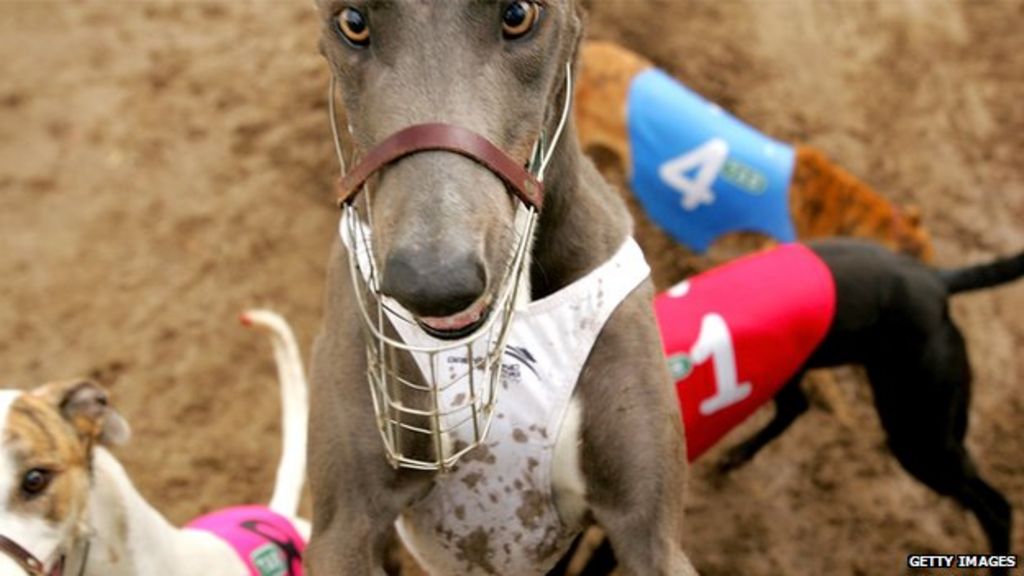
- 20-23 hours per day spent in small cages measuring just 36 x 36 x 42 inches
- Minimal human interaction or companionship
- Warehouse-style kennels without heating or air conditioning
- Brief bathroom breaks in often muddy, unsanitary pens
- Denied basic opportunities to walk, play, or socialize
As former GRNSW Chief Veterinary Officer Alex Brittan revealed in his whistleblower report, many dogs live in “industrial kennels” with “cases of extreme distress” where competing dogs had “recent pools of blood” around them after ripping off their toenails while “clawing” at their caged doors.
Catastrophic Injuries and Deaths
Many racing dogs suffer injuries while racing; according to state records, a racing greyhound dies every three days on a Florida track. These social creatures are also forced to spend most of their time alone, confined to cages for 20-23 hours a day and denied the opportunity to walk or play.
The ASPCA and GREY2K USA’s national report on greyhound racing revealed these disturbing statistics from 2008-2015:
- 11,722 documented greyhound injuries
- More than 3,000 dogs suffered broken legs and other catastrophic injuries
- 909 racing greyhound deaths (with the true number likely higher)
- 27 cases of greyhound cruelty and neglect
In West Virginia alone, 8,159 dog injuries and 398 deaths were recorded at just two tracks over a ten-year period. And these are just the documented cases – many more likely go unreported.
The Drugging Scandal
Wanna know something that’ll make your blood boil? Racing greyhounds are often drugged to enhance performance.
- Florida tracks documented 438 positive drug tests, including 73 cases with cocaine
- Other drugs found in dogs’ systems include novocaine, lidocaine, opiates, amphetamines, and morphine
- The Florida Greyhound Association admits about 50% of female racing greyhounds are injected with anabolic steroids
Dr. Brittan’s whistleblower report also claimed that GRNSW worked with veterinarians “unaccepting of modern medicine” who were prone to euthanizing dogs without proper cause.
The Disposal Problem
When these dogs can no longer race profitably (usually between 18 months and 5 years of age), they face uncertain futures:
- Many are simply killed when deemed “unprofitable”
- Others are sent back to breeding facilities
- Some are exported to countries with minimal animal protection laws
- A lucky few find homes through adoption groups
In Australia, as many as 17,000 greyhounds are killed annually. Ireland reportedly murders 38 greyhounds per month and up to 6,000 due to overbreeding. One individual reportedly killed over 10,000 dogs in 15 years.
According to Alex Brittan’s testimony, of the 4,200 dogs entering the industry yearly in NSW, only about 1,600 found homes, with the rest living out their days in industrial kennels.
The Diet Dilemma
The food these dogs receive is often substandard. Many racing greyhounds are fed what’s known as “4-D meat” – from dead, dying, diseased, or disabled animals. This cheap meat:
- Contains harmful pathogens like salmonella and E. coli
- Is often served raw (based on the false belief it increases speed)
- May contain denatured charcoal to meet minimal regulations
- Provides inadequate nutrition for elite athletes
Declining Public Support
The good news? Public awareness is forcing change. People are speaking out against this cruel industry:
- Florida voted to end dog racing with a 70% majority in 2018
- 41 US states have now banned greyhound racing
- Over 30 dog tracks have closed since 2001
- Australia’s multi-billion-dollar industry is facing increasing scrutiny
In NSW, Australia’s premier Chris Minns has faced criticism for not taking stronger action despite the latest abuse claims. Animal Justice MP Emma Hurst stated, “The reality is the greyhound racing industry cannot exist without systemic animal cruelty. It will be shut down – it’s just a matter of when.”
Organizations Fighting for Greyhounds
I’m proud to say there are many wonderful organizations working tirelessly to help these dogs:
- Grey2K USA Worldwide – the largest global protection organization for racing greyhounds
- The Humane Society and ASPCA – leading the fight against greyhound racing
- USA Defenders of Greyhounds – rescuing dogs bred for racing
- Friends of Retired Greyhounds – placing dogs in adoptive homes
- National Greyhound Adoption Program – educating prospective adopters
What You Can Do to Help
We can’t just stand by while this continues. Here’s how you can make a difference:
- Stop betting on greyhound races – without funding, the industry collapses
- Contact your representatives to support anti-racing legislation
- Share information about greyhound mistreatment with friends and family
- Support greyhound rescue organizations financially or by volunteering
- Consider adopting a retired racing greyhound
- Sign petitions like those from Grey2K USA to join the united front against racing
The Industry’s Response
The greyhound racing industry often claims they’ve “cleaned up their act” since previous scandals. But the evidence suggests otherwise. After Australia’s 2015 investigation revealed up to 17,000 young dogs were being killed annually, the industry promised reform.
Yet in 2024, GRNSW’s own chief veterinarian resigned after exposing ongoing abuses, calling the industry a hotbed of “exploitation and suffering.” While GRNSW claims it “welcomes” investigations and takes animal welfare concerns “very seriously,” their actions tell a different story.
Is There Any Justification?
Some argue that greyhound racing provides jobs and entertainment. But let’s be real – no economic benefit justifies this level of suffering. The truth is that most tracks actually lose money, with state governments often spending more to regulate the sport than they receive in revenue.
Over the past decade, gambling on dog racing has declined by 66%, and greyhound breeding has fallen by 57%. The sport is dying, and for good reason.
My Personal Take
I’ve spent countless hours researching this topic, and I can’t help but feel outraged by what these dogs endure. These gentle, sensitive animals deserve so much better than to be treated as disposable gambling tools.
The evidence is clear – racing greyhounds are systematically mistreated. From cramped cages to catastrophic injuries, drug abuse to premature deaths, the industry fails these dogs at every turn. As more people learn the truth, I’m hopeful that this cruel “sport” will eventually be consigned to history.
What do you think? Did you know about these issues before reading this article? Have you ever considered adopting a retired racing greyhound? I’d love to hear your thoughts in the comments below.
So, are racing greyhounds mistreated? The evidence overwhelmingly says yes. This isn’t about a few bad apples – it’s about an industry built on systematic exploitation of dogs. The good news is that public awareness is growing, and more states and countries are taking action to ban this cruel practice.
We must continue speaking out for these dogs who cannot speak for themselves. Every bet placed on a greyhound race contributes to this cycle of suffering. Together, we can end it.
Greyhound cruelty and neglect around the world
Greyhound abuse occurs around the world. Since 2008, more than thirty cases of greyhound cruelty and neglect have been documented in the United States alone. These included physical abuse, parasitic infestations, starvation, and depriving dogs of veterinary care. Worldwide, recent exposes have documented the routine killing of thousands of unwanted greyhounds. Greyhounds often exhibit signs of the neglect they endure in the industry, and overburdened rescues work to rehabilitate as many dogs as they can.
During a routine kennel inspection in Florida, Dooley the greyhound was found injured. (Palm Beach County Sheriffs Office)
Ronnie Williams, Sr. was found to have 37 dead greyhounds and several who were severely malnourished in his Florida kennel. (Inspector CW Taylor)
In Australia, Robert Newstead was caught using an electric cattle prod on a greyhound before the race. (ABC News, Australia)
- In Australia, NSW greyhound breeder Trevor Rice bashed four greyhounds in the head with a sledgehammer. The bodies of the dogs were found buried in his garden. After an investigation by the Greyhound Welfare and Integrity Commission, he was banned from the industry in February 2024.
- In May 2022, it was revealed that eight greyhounds linked to New Zealand’s largest greyhound breeder John McInerney were offloaded to an adoption kennel with severe signs of neglect and mistreatment, including examples of blindness, open wounds, bite marks, old injuries left untreated, lacerations, and severe worms. The next day, Newshub revealed up to 300 improvement notices were sent to “almost all” kennels in New Zealand, with failures including unvaccinated dogs, unapproved medications administered, incomplete treatment records, and an increase in dental issues.
- In 2020 and 2021, GREY2K USA Worldwide documented live lure training in the four key America greyhound breeding states of Colorado, Kansas, Oklahoma and Texas. Live lure training or baiting, also called “blooding,” refers to the use of small animals to excite and enhance a chase instinct in young dogs. Screaming rabbits were dangled before greyhounds, dragged in front of them on ropes, or simply set loose to be attacked and killed. Twelve industry participants were observed, including a deputy sheriff and his daughter, as well as Ursula ODonnell, who had previously escaped prosecution as part of a conspiracy to kill thousands of Florida greyhounds in 2001. O’Donnell was filmed live baiting in a field just outside the headquarters of the National Greyhound Association in Abilene. Authorities have refused to take action against any of these perpetrators.
- On May 5, 2017, Florida investigators conducted an inspection of Blanchard Kennels, owned and operated by National Greyhound Association (NGA) Director James Blanchard. Blanchard initially advised his staff to refuse entry, although investigators were eventually allowed to inspect the kennels. They discovered three greyhounds with expired vaccination records and an additional 43 greyhounds missing proof of vaccinations. Blanchard was also unable to provide a kennel roster for greyhounds in either of his two kennel buildings, and could not produce dates of receipt and release, greyhound names, tattoo numbers, names of owners, names of trainers, nor the names and license numbers for those transporting the greyhounds.
- In January of 2017 in South Australia, greyhound handler Tony Rasmussen was televised sexually stimulating a greyhound before a race, which resulted in a $1,000 fine.
- In October of 2016, Florida kennel operator Michael Klingbeil discovered his greyhound BC Diablo Sam looking “lethargic, drawn, and dehydrated” prior to a race. Instead of seeking veterinary care or withdrawing his dog from the race, he administered his own medical care and raced the dog anyway. After the race, BC Diablo Sam was found dead in his crate. Though he was originally charged with failing to treat his dog humanely, he and Florida regulators agreed to a stipulated order in which he only acknowledged wrongfully possessing a hypodermic needle.
- In July of 2016, in New South Wales, Australia, kennel operator Robert Newstead was caught on film using an electric cattle prod on a greyhound before a race, an action which resulted in a 15-month suspension.
- In April of 2016, West Virginia kennel operator Taylor Jones was found keeping greyhounds in very dirty conditions. Greyhounds were sleeping in wet urine-soaked beds, and she was found to be keeping restricted medical supplies in her kennel. For all of this, Jones was given a warning.
- In December 2015, ABC News broke the story that Australian greyhound breeders were exporting greyhounds to countries with no welfare standards, such as China and Vietnam. There are no known adoption programs in these countries, so this is essentially a death sentence. Since the ABC story broke, the Irish greyhound industry has also come under fire for exporting dogs to these same countries.
- On March 5, 2015 in Ireland, it was discovered that farmer and dog breeder David Kirwan left his three greyhounds in such an emaciated stated that one had to be put down. Two of the greyhounds were “severely underweight,” and all three had lesions and pressure sores from inadequate bedding. Kirwan was fined €2,350, but was allowed to keep his non-racing dogs and herd of cows.
- In June of 2014, Arkansas breeder Shane Vonderstrasse was found with 141 malnourished greyhounds and two dead greyhounds. These deaths occurred from a lack of food and water. In a police report, an NGA official stated that Vonderstrasse could financially support fewer than half the dogs he had. The NGA revoked his membership but refused to press official charges.
- In 2011, greyhound Jack Sprat was forced to race in the United Kingdom’s former Wimbledon Stadium until his owner discovered he was blind.
- In October of 2010, Ronnie Williams, Sr. was found with 37 dead and five severely malnourished greyhounds in his Florida kennel. In addition to his license being revoked, Williams was charged with 42 felony counts of animal cruelty, fined $170,000, and sentenced to prison for five years.
- On March 4, 2009, during a routine inspection of Suncoast Kennel at the Palm Beach Kennel Club in Florida, an investigator found a severely injured greyhound named Dooley. The dog had an approximately four-inch open and infected wound on his neck that was dripping blood and fluid. The track veterinarian had examined Dooley on February 25, determined he had suffered a “very serious injury,” and told trainer Osman Martinez to take the dog to a veterinarian immediately. Despite this instruction, Martinez did not obtain professional care for Dooley and instead treated him with unprescribed medication. It was not until state investigators discovered the dog that Dooley finally received proper medical attention. Dooley was subsequently released for adoption to Greyhound Pets of America, Florida Southeast Coast Chapter. Martinez was arrested for felony cruelty to animals. Several months later he entered into a deferred prosecution agreement with the State Attorneys Office.
Ways to help dogs
- FILTER BY:
- NEWS
- ALERTS
- BLOG
“It is a broken sport that exploits animals.”
— Pensacola News Journal, Editorial
GRAPHIC FOOTAGE: Greyhounds ‘live baited’ with piglets, possums during training
FAQ
What happens if a greyhound is forced to race?
Injuries common to Greyhounds forced to race include severed toes, broken legs, spinal cord paralysis, broken necks and cardiac arrest. Join the ASPCA in the fight against animal cruelty today. Thousands of Greyhounds are killed or injured by the cruel racing industry. Opposition is spreading, but there are over 20 tracks still operating in the US.
Is greyhound racing dangerous?
That is, unless you take into account how genuinely harmful greyhound racing can be. Dog racing itself is potentially deadly for the participants, and greyhound racing dogs sometimes suffer lifelong animal abuse, or a retirement that consists of abandonment or euthanasia.
Do racing greyhounds die?
Racing Greyhounds perform in a sport that cares about one thing–winning bets. Once the winning dog pays off, some owners send them to the worst animal facilities in underdeveloped countries where Greyhounds die. Racing dog breeders abuse their dogs in many ways. Kenneling them in stacked wire pens and warehouse-style kennels is the accepted norm.
Why do Greyhounds get killed?
Some get killed because they aren’t fast enough. Many Greyhounds suffer injuries, broken legs, or lose their competitive edge, or never had it in the first place. Dog racing on active tracks is in decline. Thanks to the efforts of advocates who fight diligently to stop Greyhound racing. However, this sport has many betting fans in the USA.
Are Greyhounds dangerous?
Racing greyhounds face significant risks on the track. Since 2017, the Greyhound Board of Great Britain has reported an average of 4,520 injuries and 188 deaths per year on UK tracks. These injuries often result from the high speeds and the physical demands of racing, leading to broken bones, torn muscles, and other severe injuries.
Will the greyhound racing industry be shut down?
“The reality is the greyhound racing industry cannot exist without systemic animal cruelty,” says NSW Animal Justice MP Emma Hurst. “It will be shut down – it’s just a matter of when.” Australia has been touted as the world’s largest commercial greyhound racing industry – with roughly 60 tracks in operation.
Is greyhound racing Cruel?
Is greyhound racing cruel? Yes, greyhounds are dying trackside from injuries sustained in the races.
Are greyhounds known to be aggressive?
Is it bad to race greyhounds?
They are an incredibly loving breed, who also enjoy sleeping for up to 18 hours (yes, 18!) a day. Sadly, these sensitive dogs are exploited by the greyhound racing industry. An industry that is rife with welfare issues such as injuries, deaths, doping and inadequate living conditions.
What is the rule 69a in greyhound racing?
a) a Veterinary Surgeon’s certificate is produced stating that the Greyhound is unfit to run, giving precise details of the indisposition, the time and place of examination and colour, sex and earmarking of the Greyhound.