
If youre a puppy lover, chances are youve given your dog a rawhide bone before. And if youre a new puppy owner, you may be wondering if its ok to give your pup one of these bones. Well, Im here to tell you that the answer is no.
Before you go out and buy your pup his or her next Rawhide bone, you should read this blog post. Here are six reasons why you shouldnt buy rawhide bones for puppies.
With these six reasons, you might prefer to switch to safer rawhide alternatives. There are plenty of safe and fun toys that your puppy will love just as much as a rawhide bone.
When it comes to dog chews, there are plenty of options available for puppies. Many pet stores carry safe and fun alternatives to rawhide bones, such as Salmon skin bones, bully sticks, and BetterBone.
BetterBone is hypoallergenic and has all the benefits of safe dog bones making it safe for even for puppies!
As a dog parent I’m always on the lookout for safe chew options for our furry friends. One question that comes up a lot in our puppy parent community is whether rawhide chews are actually safe for puppies. With so many conflicting opinions out there it’s hard to know what’s best for your new fur baby. So, let’s dig into the facts about rawhide chews and puppies to help you make the best decision for your little chomper.
What Exactly Are Rawhide Chews?
Before we dive into safety, let’s clarify what rawhide actually is Rawhide chews are made from the inner layer of cow or horse hides – basically, they’re dried animal skin that’s been processed and formed into various shapes for dogs to chew on These treats have been around for decades and are super popular because they last a long time and dogs typically love ’em.
The “It Depends” Answer About Rawhide Safety
The short answer to whether rawhide is safe for puppies is, “it depends.” There’s no universal yes or no here. The safety of rawhide chews depends on several factors including:
- Your puppy’s size
- Their chewing style and intensity
- The quality of the rawhide
- Where the rawhide was manufactured
- How closely you supervise your pup
Puppy-Specific Concerns with Rawhide
Puppies present some unique considerations when it comes to rawhide:
-
Developing teeth and jaws – Puppies’ teeth are still coming in, and their jaw strength is developing. Super-hard chews might not be appropriate yet.
-
Less chewing experience – Puppies haven’t yet learned their chewing limits and might be more likely to bite off chunks they can’t handle
-
Smaller digestive systems – Even small pieces that might pass through an adult dog could cause problems in a puppy’s smaller digestive tract.
The Major Risks of Rawhide for Puppies
1. Choking Hazards
One of the biggest concerns with rawhide is the potential choking risk. Enthusiastic puppy chewers may break off chunks that are too large to swallow safely. This is especially worrying because:
- Puppies don’t always know when something is too big to swallow
- They might get excited and try to gulp down pieces whole
- These chunks can get lodged in their throat causing a life-threatening emergency
2. Digestive Blockages
Rawhide isn’t easily digested, which creates another serious risk. If your puppy swallows large pieces, these can:
- Get stuck in their digestive tract
- Cause painful and dangerous intestinal blockages
- Potentially require expensive emergency surgery to remove
Even smaller pieces that make it through can hang around in your pup’s stomach for months, leading to discomfort and digestive issues.
3. Chemical and Bacterial Contamination
Manufacturing processes vary widely for rawhide products:
- Many rawhides are made in China, where quality standards might differ
- The hides often sit in salt brines for weeks or months before processing
- Chemical treatments like lime are used to separate fat from skin
- Some rawhides may contain trace amounts of cleaning products
While many scary stories about chemical contamination are exaggerated, there have been legitimate recalls, including one in 2018 due to cleaning product contamination.
Bacterial contamination is also a potential issue. Rawhides can carry the same risks for salmonella or campylobacter as other pet treats and foods.
Your Puppy’s Chewing Style Matters A LOT
Every dog is different, and your puppy’s individual chewing style is super important when deciding if rawhide is appropriate. Consider these factors:
- Breed – Some breeds are known for more aggressive chewing
- Size – A tiny Chihuahua puppy chews differently than a Rottweiler puppy
- Age – Most puppies chew less intensely than they will as adults
- Individual personality – Some pups are naturally gentle chewers while others destroy everything in sight!
If your puppy is a “destroyer” who aggressively tears through toys, rawhide probably isn’t the best choice. But if they’re a gentle nibbler who savors their chews, rawhide might be okay with proper supervision.
Quality Matters: Not All Rawhides Are Created Equal
The manufacturing origin of rawhide chews significantly affects their safety:
- USA-made rawhides are generally higher quality but more expensive
- Imported rawhides (especially from China) may have less stringent safety standards
- Processing methods vary widely between manufacturers
Higher-quality rawhides are typically:
- Made with fewer chemicals
- Produced with better quality control
- Less likely to contain contaminants
- Slightly more digestible
Safer Alternatives to Traditional Rawhide
If you’re concerned about rawhide (and tbh, there are legitimate reasons to be), there are plenty of safer alternatives:
- Nylabone – Durable synthetic chews designed specifically for puppies
- Kong toys – Rubber toys that can be filled with treats
- Zogoflex – Tough but safer chew toys
- Bully sticks – More digestible than rawhide but can be high in calories
- Deer or elk antlers – Natural and long-lasting (though still pose some risks)
- Digestible rawhide alternatives – Some companies make more digestible versions that look similar to traditional rawhide
Many pet parents (including me!) find these alternatives provide the same benefits as rawhide with fewer risks.
How to Make Rawhide Safer If You Choose to Use It
If you do decide to give your puppy rawhide, here are some ways to minimize the risks:
-
Supervise, supervise, supervise! Never leave your puppy alone with a rawhide chew.
-
Choose the right size – Always pick a rawhide that’s appropriately sized for your puppy (too small is dangerous).
-
Inspect regularly – Check the rawhide frequently and take it away when it gets small enough to swallow.
-
Limit chew time – Don’t let your puppy chew on rawhide for hours at a time.
-
Buy quality products – Choose USA-made rawhides when possible.
-
Rinse before giving – Rinse the rawhide thoroughly under water before giving it to your puppy.
-
Watch for signs of digestive issues – If your puppy shows any signs of discomfort after chewing rawhide, discontinue use.
-
Throw away small pieces – Discard any broken-off pieces before your puppy can swallow them.
Signs Your Puppy Might Have a Rawhide-Related Problem
Keep an eye out for these warning signs after your puppy has been chewing on rawhide:
- Choking or gagging
- Vomiting
- Diarrhea
- Decreased appetite
- Abdominal pain or swelling
- Lethargy
- Constipation
If you notice any of these symptoms, contact your vet immediately as they could indicate a blockage or other serious issue.
What Veterinarians Say About Rawhide for Puppies
Veterinary opinions on rawhide for puppies vary. Many vets recommend avoiding rawhide for puppies altogether because:
- Puppies’ digestive systems are still developing
- They haven’t yet established their chewing patterns
- The risks outweigh the benefits when safer alternatives exist
Other vets believe high-quality rawhide can be okay for gentle-chewing puppies with careful supervision. Almost all vets agree that if you do give rawhide to puppies, extreme caution and supervision are necessary.
The Benefits of Chewing (With or Without Rawhide)
It’s important to remember that chewing itself is super beneficial for puppies:
- Helps relieve teething pain
- Reduces boredom and stress
- Promotes dental health by controlling tartar
- Satisfies natural instincts
- Can prevent destructive chewing of furniture and shoes
The good news is that all these benefits can be achieved with safer alternatives if you decide rawhide isn’t right for your pup.
My Personal Take on Rawhide for Puppies
After researching this topic extensively and talking with other dog parents, I’ve personally chosen to avoid traditional rawhide for puppies. The potential risks just seem too high when there are so many great alternatives available.
I prefer giving my puppies specially designed puppy Nylabones, Kong toys filled with frozen puppy-safe treats, and supervised play with appropriately sized antlers. These options provide the same chewing benefits without the worries that come with rawhide.
The Bottom Line: Should Your Puppy Have Rawhide?
The decision about whether to give your puppy rawhide chews ultimately comes down to your comfort level with the risks involved. Here’s what to consider:
- Assess your puppy’s individual chewing style
- Consider your ability to supervise consistently
- Weigh the potential risks against the benefits
- Explore safer alternatives
- Consult with your veterinarian about what’s best for your specific puppy
Remember that what works for one puppy might not work for another. Your 5-pound Chihuahua puppy will have very different chewing needs than your friend’s 100-pound Rottweiler puppy!
Final Thoughts
When it comes to our precious puppies, most of us want to err on the side of caution. While traditional rawhide chews have been popular for decades, we now have more information about their potential risks and more alternatives available than ever before.
Whatever you decide, the most important thing is to supervise your puppy with ANY chew toy or treat. No chew is 100% safe without proper supervision, so keep those puppy eyes on your pup whenever they’re enjoying a special treat!
What chew toys have worked best for your puppy? We’d love to hear your experiences in the comments below!
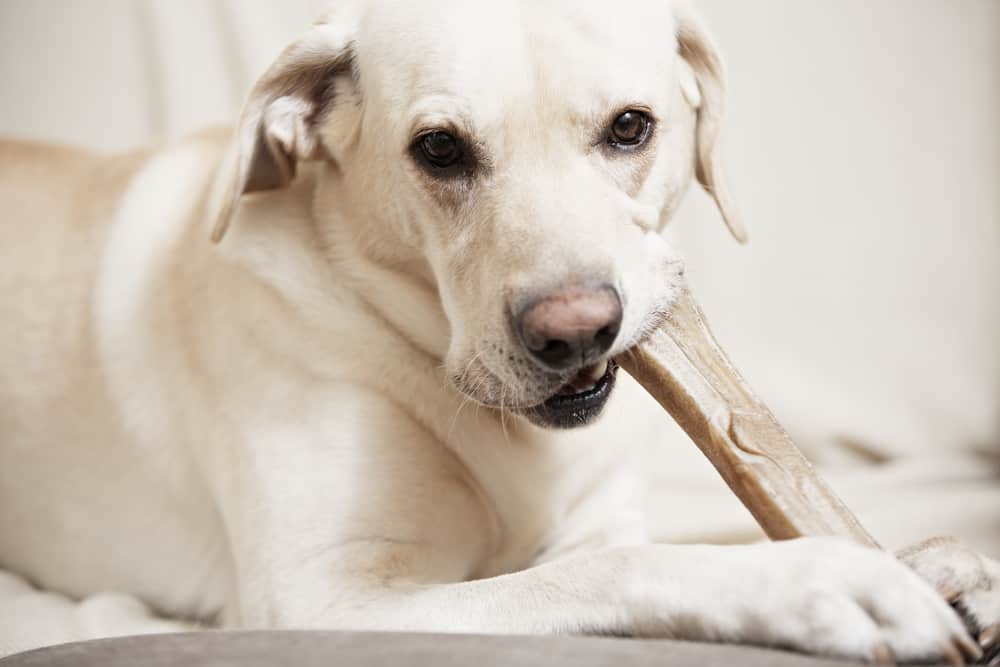
Rawhide bones can cause gastrointestinal blockages, which can be fatal
Rawhide does not dissolve in the dog’s stomach. In fact, the opposite is true — the rawhide swells up.
A foreign body in the digestive tract is an extremely serious, possibly fatal issue. In addition to food being unable to pass through to be digested, a large enough rawhide chunk could harm the gut wall, leading to tissue death and severe sepsis.
Puppies can chew through rawhide bones very quickly, leading to sharp pieces that an injure their mouth
Puppies are notoriously energetic chewers, and their razor-sharp teeth can make short work of even the toughest rawhide bones.
Unfortunately, this can lead to serious problems if the bones are not properly monitored. Rawhide bones are often filled with sharp edges that can injure a puppys mouth or digestive tract.
In addition, puppies can easily choke on small pieces of bone, so it is important to supervise them closely while they are chewing. While rawhide bones can provide an enjoyable chewing experience for puppies, it is important to use them safely and responsibly.
Dangers of Rawhide for Dogs
FAQ
Is Rawhide a good dog chew?
Many dogs love rawhides. They can be great long-lasting chews that keep puppies and dogs busy, are a tasty snack, and even help clean teeth and promote oral health. Learn how to decide if rawhide is a dog chew option to consider for your dog with some facts, common sense, and communication with your veterinarian.
Is Rawhide safe for dogs?
The short answer to whether rawhide is safe for dogs is, “it depends.” The safety of any rawhide treat will be influenced by several factors. Many dogs love rawhides. They can be great long-lasting chews that keep puppies and dogs busy, are a tasty snack, and even help clean teeth and promote oral health.
Can dogs eat rawhide bones?
Especially with puppies, treats like rawhide bones can be a great substitute for your leather shoes and the legs of the dining room table! Chewing also keeps dogs’ jaws strong, teeth clean, and breath a bit fresher. Dogs that chew regularly on rawhides and other bones or toys have less plaque and tartar build-up on teeth. 3.
Why do dogs eat Rawhide?
Can reduce destructive instincts: Dogs are naturally inclined to chew, and if you don’t provide them with something to use (like rawhide), they’ll find something themselves – whether that’s a slipper or a table leg. May help clean teeth: Whether it’s rawhide or something else, chewing can help keep dogs’ teeth clean.
Can dogs Digest Rawhide?
While dogs can digest rawhide, how quickly this happens depends on the size of the pieces. A large knot of rawhide from the end of a rawhide ‘bone’ is unlikely to break down before it leaves the stomach and travels into the intestine, where it can lodge and cause an obstruction.
Are rawhide chews toxic?
That’s where the decorative process comes in. Rawhide chews can be basted with flavors, or smoked … and dyed in different artificial colors. They may even be painted with titanium oxide, which makes them look white and attractive. Chemicals used in this process may include toxic products.
At what age can a puppy have rawhide?
Should I give my puppy rawhide chews?
No, rawhide is generally not recommended for puppies due to significant health risks including choking, digestive blockages, and potential contamination from chemicals used in processing. Puppies under six months of age have developing mouths that are particularly vulnerable to these hazards, and there are many safer, digestible alternatives available for puppies of all ages.
What is the safest thing for puppies to chew on?
Safe chews for puppies include dental treats, soft Nylabone-style chews designed for puppies, and KONG toys stuffed with puppy food or treats. For edible options, you can consider small pieces of bully sticks, or natural animal skin chews like rabbit or cow ears, ensuring they are appropriately sized and free from fur. It’s crucial to look for puppy-specific products with soft, easily digestible ingredients, and always consult your veterinarian to ensure the chew is suitable for your puppy’s specific age and size.
Does rawhide break down in a dog’s stomach?
No, rawhide does not effectively break down in a dog’s stomach because dogs lack the necessary enzymes to digest it fully; instead, it can swell and become lodged, leading to serious health risks like bowel obstructions and requiring veterinary attention. While chewing may break rawhide into smaller pieces, these pieces do not dissolve and pose a significant hazard, necessitating alternatives like collagen chews.