
A common misconception about teacup dogs is that they belong to a distinct breed appropriately sized to fit in a cup. Yet, this is more a description of size rather than a breed. Typically weighing around 4 pounds or less, these tiny pups captivate with their miniaturized charm, attracting potential owners with playful, adorable appearances. However, what many don’t realize is the complexity and potential health concerns tied to maintaining such petite sizes.
Teacup breeds began as a trend in the 20th century, driven by the desire for smaller and more portable pets. Despite their alluring appearance, it’s essential to understand their predisposition towards delicate health issues such as hypoglycemia and bone fragility. According to recent statistics, these pups may suffer up to twice the medical issues compared to their standard-sized counterparts. Responsible breeding and informed ownership are paramount to ensuring their well-being, underscoring the need for a balanced look at this enchanting yet fragile phenomena.
Teacup dog breeds, often barely larger than a cup, are not officially recognized as breeds but are tiny versions of toy breeds. They face significant health issues like fragile bones and hypoglycemia due to their size. Proper care and ethical breeding practices are crucial for ensuring their well-being.
Have you ever seen those adorably tiny pups that fit in the palm of your hand and wondered, “are teacup dogs genetically modified?” I’ve been researching this topic extensively, and what I’ve discovered might surprise you.
Many people assume these pocket-sized pooches must be some kind of scientific experiment, but the reality is both simpler and more concerning than you might think.
What Exactly Are Teacup Dogs?
First things first – teacup dogs aren’t an official breed. They’re miniaturized versions of already small dog breeds like Yorkies, Chihuahuas, Maltese, and Pomeranians. Typically, these tiny pups weigh less than 4 pounds when fully grown – that’s smaller than many cats!
The term “teacup” is essentially a marketing label created by breeders to sell extremely small dogs While they may look adorable perched in a teacup for Instagram photos, their diminutive size comes with serious health consequences.
Are They Actually Genetically Modified?
No teacup dogs are not genetically modified in the scientific sense. They aren’t created in laboratories using genetic engineering techniques. However they are the result of selective breeding practices that many veterinarians and animal welfare experts consider problematic.
Rather than using modern genetic modification technology, breeders create teacup dogs through methods such as:
- Breeding the smallest dogs (often called “runts”) from each litter
- Repeatedly inbreeding closely related small dogs
- Sometimes deliberately stunting growth through undernourishment
- Breeding dogs with dwarfism or other genetic mutations that result in smaller size
So while they’re not “genetically modified” in the way we typically use that term for GMO foods, they are definitely genetically manipulated through selective breeding practices that prioritize size over health.
How Teacup Dogs Are Created
The methods used to create these tiny pups are often questionable at best and cruel at worst:
Method 1: Breeding Runts
Breeders will specifically select the smallest puppies from litters (the “runts”) and breed them together. These runts are often the weakest puppies with already compromised health.
Method 2: Inbreeding
Close relatives are bred together to maintain and emphasize small size traits. This significantly increases the risk of genetic defects and health problems.
Method 3: Marketing Immature Puppies
Some unethical breeders will sell very young puppies before they’ve fully grown, marketing them as “teacups” when they’re simply underdeveloped.
Method 4: Malnutrition
In the most disturbing cases, some breeders will deliberately undernourish puppies to stunt their growth. This is outright animal cruelty.
Health Problems Common in Teacup Dogs
When we prioritize tiny size over health, the consequences for these dogs can be severe. Teacup dogs commonly suffer from:
- Hypoglycemia – Dangerously low blood sugar that can cause seizures or even death if they skip just one meal
- Heart defects – Their tiny hearts often can’t support even their small bodies
- Collapsing trachea – Breathing difficulties that can be life-threatening
- Hydrocephalus – “Water on the brain” causing neurological issues
- Bone fragility – Extremely delicate bones that break easily
- Dental problems – Overcrowded teeth in tiny jaws leading to severe dental disease
- Liver shunts – Birth defects affecting the liver’s ability to remove toxins, costing up to $6,000 to treat
- Patella luxation – Sliding kneecaps that affect mobility and lead to arthritis
- Temperature regulation issues – They struggle to keep warm in cool weather
- Digestive problems – Their tiny stomachs can’t process food normally
As Dr. Cathy Meeks, an internal medicine specialist, points out, “Health issues arise when you breed for the dog’s appearance rather than for the healthiest genetic stock.”
The Shorter Lifespan of Teacup Dogs
One of the saddest realities is that these tiny pups typically have much shorter lifespans than their standard-sized counterparts. While a normal small breed dog might live 12-15 years, many teacup dogs don’t make it past 7-10 years due to their numerous health challenges.
I’ve personally known people who spent thousands on a teacup puppy only to face heartbreak and massive vet bills when their beloved pet developed multiple health issues.
The Practical Challenges of Owning a Teacup Dog
Beyond health concerns, these tiny pups present unique challenges for owners:
- Accidental injuries – They can be fatally injured by common accidents like being stepped on, dropped, or jumping from furniture
- Difficult potty training – Their tiny bladders mean they need to urinate frequently and often can’t hold it
- Constant supervision – They require vigilant monitoring to prevent accidents
- Regular feeding – They need frequent small meals to prevent hypoglycemia
- Temperature management – They need protection from both cold and heat
- Expensive vet care – Their health problems mean frequent vet visits
As one vet mentioned, “They’re harder to treat. Can you picture administering an IV to a 3 pound dog?”
Popular Teacup Dog Types
Despite the concerns, certain teacup varieties remain in high demand:
- Teacup Yorkies
- Teacup Chihuahuas
- Teacup Maltese
- Teacup Pomeranians
- Teacup Shih Tzus
- Teacup Poodles
- Teacup Mixes (like Maltipoos)
The Ethical Question: Should We Support This Trend?
I believe we need to ask ourselves some tough questions about the ethics of breeding dogs primarily for their cuteness factor while ignoring their wellbeing.
When we purchase teacup puppies, we’re essentially supporting breeding practices that create dogs with lifelong health issues. Dr. Meeks suggests she would prefer if breeders stopped trying to produce these miniature puppies altogether.
Many animal welfare organizations consider the deliberate breeding of teacup dogs to be a form of animal cruelty, particularly when methods like malnutrition or extreme inbreeding are used.
Alternatives to Teacup Dogs
If you’re drawn to small dogs, there are healthier alternatives:
- Standard toy breeds – Breeds like Chihuahuas, Yorkies, and Maltese are naturally small (6-7 pounds) without the extreme health issues
- Adopt, don’t shop – Many small dogs need homes in shelters and rescues
- Research breeders carefully – If you must get a purebred, find ethical breeders who prioritize health over size
What to Do If You Already Have a Teacup Dog
If you already have one of these tiny companions:
- Establish a relationship with a knowledgeable vet
- Learn the warning signs of common health issues
- Feed them small, frequent meals to prevent hypoglycemia
- Keep them warm with sweaters in cool weather
- Create a safe environment to prevent injuries
- Purchase pet insurance to help with medical costs
- Give them all the love and care they deserve
The Bottom Line
So, are teacup dogs genetically modified? Not in the lab-created GMO sense, but they are the product of questionable breeding practices that prioritize extreme smallness over health and wellbeing.
While they may be incredibly cute, the health and ethical concerns surrounding teacup dogs should make potential owners think twice. These tiny pups often live short, medically-complicated lives and supporting their breeding encourages practices that many would consider cruel.
If you’re looking for a small companion, consider a standard toy breed from a reputable breeder or, better yet, adopt a small dog from a shelter. Your conscience (and probably your wallet) will thank you in the long run.
What do you think? Would you still consider getting a teacup dog knowing the health challenges they face? I’d love to hear your thoughts!
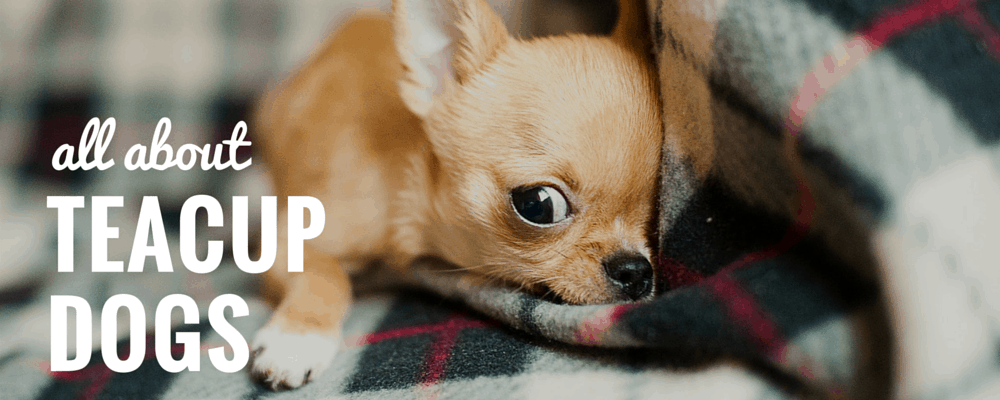
Defining Teacup Dog Breeds

Teacup dog breeds refer to extremely small versions of standard dog breeds. These tiny pups typically weigh around 4 pounds or less. They are not recognized as an official breed category by major kennel clubs. Instead, breeders select the smallest dogs from existing toy breeds to create teacup versions. This practice has increased their popularity, especially among city dwellers and those seeking small companions.
Many common teacup dog breeds include the Teacup Chihuahua, Teacup Pomeranian, and Teacup Yorkie. Each of these breeds possesses the same characteristics as their larger counterparts but in a much smaller package. Their compact size makes them easy to carry around and house in small living spaces. However, their miniature size also brings unique care needs and potential health issues.
Often, teacup dogs are bred through specific techniques. Breeders usually mate the smallest dogs to produce even smaller offspring. This process can involve multiple generations of selective breeding. It enhances certain desired traits but might also increase the risk of hereditary health problems.
Despite their tiny size, teacup dogs maintain a lot of the personality traits of their larger breed relatives. They are often energetic, friendly, and loyal, making them wonderful pets for many people. However, understanding the breed’s special needs and potential health problems is crucial for a happy and healthy teacup companion. Awareness and responsible care are essential for these pint-sized pets.
The fascination with teacup dogs traces back to the desire for uniquely small pets. As urban living became more common, the need for adaptable, small furry friends grew. Breeders capitalized on this trend by creating smaller versions of popular toy dog breeds. These breeds quickly captured hearts with their appealingly small size and cute appearance. As a result, teacup dogs started appearing in celebrity circles, boosting their demand even further.
Famous personalities often play a part in the popularity surge of any trend, including teacup dogs. When celebrities like Paris Hilton showcased their pint-sized pups, the public took notice. This exposure made teacup dogs more desirable among pet owners. Their availability in pet markets worldwide skyrocketed. Many people found themselves charmed by these easy-to-carry companions.
Despite their popularity, maintaining teacup dog breeds presents challenges. Breeding dogs to reach such small sizes requires careful selection and sometimes leads to controversial practices. These can include mating smaller and smaller dogs, which may result in health issues. Discussions about ethics and the well-being of these dogs have emerged. This prompts potential pet owners to consider the origins of their potential teacup pets closely.
Today, teacup dogs remain popular, symbolizing style and small-sized companionship. Yet, their popularity also raises awareness about responsible breeding practices. Future teacup dog owners need to know about the care these tiny dogs require. Ensuring that breeders focus on health and well-being over size is crucial. This awareness helps maintain the charm and delight teacup dogs bring into owners’ lives.
Responsible Ownership of Teacup Dogs
Being a responsible owner of a teacup dog involves understanding their specific needs. These tiny pups require special attention regarding diet and care. High-quality food suited to their size is essential for maintaining proper nutrition. Frequent, small meals prevent issues like hypoglycemia. Always consult with a vet to ensure their diet meets all nutritional requirements.
Proper housing is another crucial consideration. Teacup dogs should live in a safe, restricted environment to prevent injuries. Furniture and other household items need to be arranged thoughtfully. Potential hazards like stairs and high surfaces should be managed. Secure play areas keep them protected during their activities.
Regular veterinary care is a must for these small dogs. Routine health checks help monitor any potential medications and vaccinations they might need. Weight, teeth, and joint health should be examined frequently to catch any problems early. Building a strong relationship with a trusted vet can guide owners through maintaining their dog’s health. Prioritizing wellness can lead to a fulfilling life for your pet.
Socialization is important for teacup dogs to grow confident and friendly. Introducing them to other pets and humans helps build their confidence. Simple playdates or short walks can improve their social skills. This interaction not only keeps them happy but also well-adjusted. Training should be gentle and consistent to reinforce positive behavior.
Teacup dogs also need mental stimulation. Keeping their minds active prevents boredom and supports emotional well-being.
- Interactive toys
- Training exercises
- Short puzzle games
provide variety and keep them engaged. Including different activities ensures they remain interested and lively.
Understanding these responsibilities makes owning a teacup dog rewarding. They enrich lives with companionship and joy when well cared for. By ensuring their needs are met, owners can enjoy the delightful company these tiny friends provide. Engagement, love, and attention can truly make the difference. They indeed depend on their owner’s commitment for a joyful life.
What to know before having a teacup puppy |Teacup dog Health Problem
FAQ
Are teacup dogs natural?
Teacup dogs are the result of questionable breeding practices. The issues with these dogs begin before they are even born. Teacup dogs can naturally occur as “runts of the litter,” but more often they’re the product of intentionally breeding two undersized dogs.
Are small dogs genetically modified?
One of the main genetic mutations responsible for small size in certain dog breeds, such as Pomeranians and Chihuahuas, evolved in dog relatives long before humans began breeding these miniature companions. Researchers discovered that the mutation can even be traced back to wolves that lived more than 50,000 years ago.
Are teacup puppies genetically modified?
Teacup dogs are the name for the most miniature breeds of dogs created by humans. They are the result of selective breeding or genetic modifications occurring within laboratories.
What is the controversy with teacup dogs?
Unethical breeders and puppy mills tack on word “teacup”to whatever poor animal they are over breeding so they can charge you thousands of extra dollars for that tiny dog that fits in a purse. Breeders have many ways of stunting a dog’s growth. It’s not just a matter of breeding two small dogs and poof!