
Are you a new puppy parent wondering when to start deworming your furry bundle of joy? You’re not alone! This is one of the most common questions we get from pet owners, and for good reason. Deworming is super important for your puppy’s health and development, but figuring out the right schedule can be confusing.
In this article, I’ll break down everything you need to know about puppy deworming schedules, why it’s so crucial, and how to keep your pup parasite-free Let’s dive in!
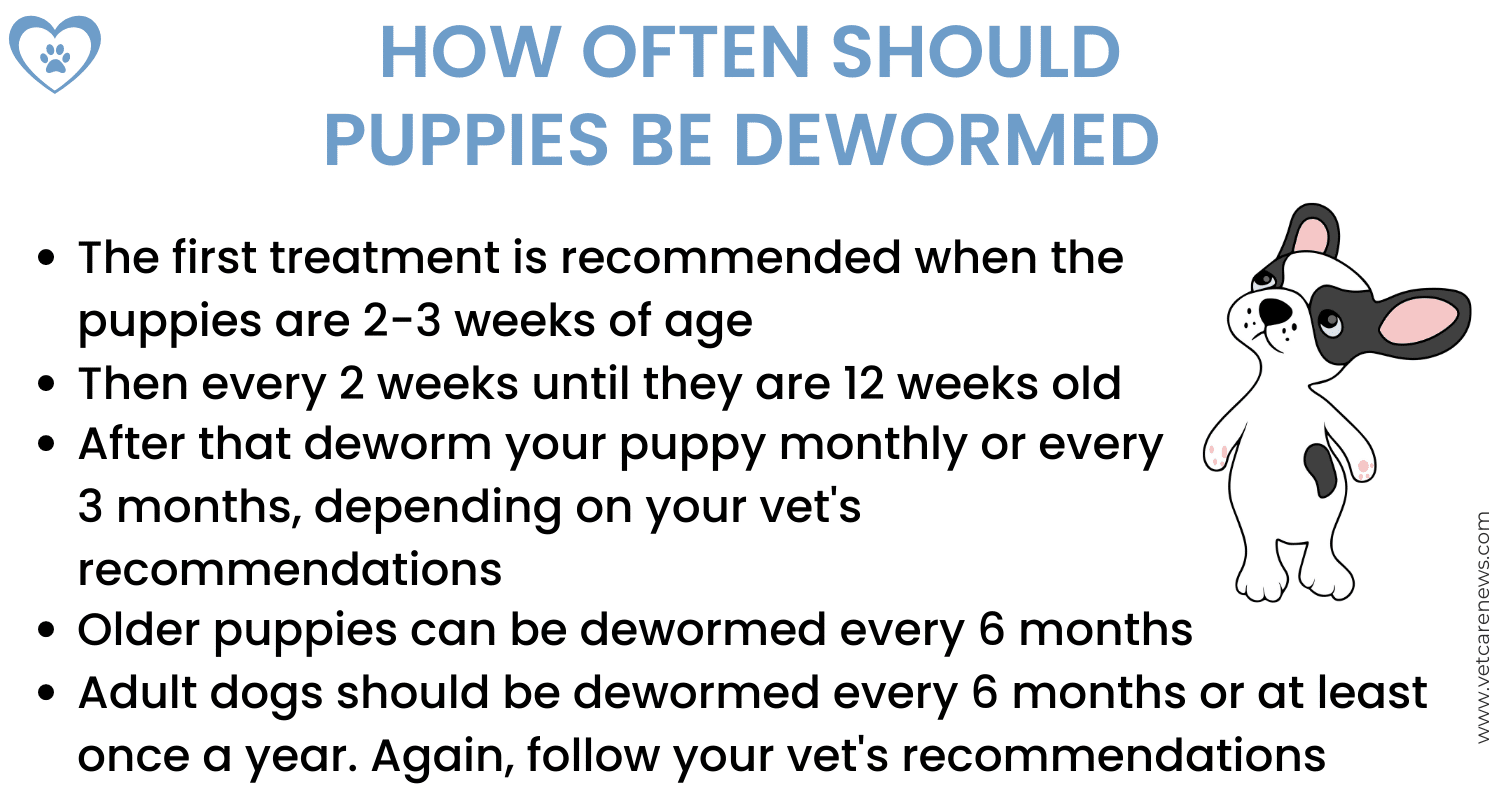
The Essential Puppy Deworming Timeline
Let’s start with the most important info – when exactly should you deworm your new puppy?
According to veterinary guidelines, here’s the recommended deworming schedule for puppies:
- 2 weeks of age: First deworming treatment
- 4 weeks of age: Second deworming treatment
- 6 weeks of age: Third deworming treatment
- 8 weeks of age: Fourth deworming treatment
- 10 weeks of age: Fifth deworming treatment
- Monthly thereafter until 6-8 months old
- Every 3-6 months as an adult dog
This schedule might seem like a lot, but there’s a good reason for it! Puppies are extremely vulnerable to parasites, and these frequent treatments ensure those nasty worms don’t get a chance to cause serious harm
Why Do Puppies Need Deworming So Early?
You might be wondering why puppies need deworming treatments starting at just 2 weeks old. The answer is actually pretty interesting!
We generally assume that all puppies have roundworms from birth. This isn’t because they’re dirty or unhealthy – it’s simply a fact of puppy life. Here’s why:
If a mother dog has been exposed to roundworms at any point in her life (which is extremely common), the larvae from these worms travel to her mammary tissue and go dormant. These are called “encysted larvae.” When she becomes pregnant and starts producing milk these larvae wake up and travel to her milk ducts.
So when puppies nurse, they get a dose of roundworm larvae along with their milk. It’s not the most appetizing thought, but it’s actually a brilliant survival adaptation for the worms!
This is why puppies need their first deworming treatment at just 2 weeks of age – to combat these inherited parasites before they can cause problems.
Common Parasites That Affect Puppies
There are several types of intestinal parasites that commonly affect puppies. The main ones to worry about are:
-
Roundworms: The most common parasite in puppies, often transferred from mother to puppy through the placenta or milk.
-
Hookworms: These nasty parasites attach to the intestinal wall and feed on blood, potentially causing anemia in puppies.
-
Whipworms: These cause irritation to the colon and can lead to bloody diarrhea.
-
Tapeworms: Often transmitted when puppies swallow infected fleas during grooming.
Each of these parasites can cause significant health problems if left untreated, including:
- Stunted growth
- Malnutrition
- Diarrhea and vomiting
- Weight loss
- Weakness and lethargy
- Potbellied appearance
- Dull coat
- In severe cases, even death
Can I Skip Some Deworming Treatments?
I know the deworming schedule seems intense, but skipping treatments is a bad idea. Here’s why:
Parasites have complex life cycles with different stages. A single deworming treatment might kill adult worms but miss larvae or eggs. The repeated treatments at 2-week intervals are designed to catch parasites at different stages of their life cycle.
Plus, puppies are constantly exploring their world with their mouths (ew, I know!), which means they’re frequently exposed to new parasites in the environment. Regular deworming helps combat these new exposures.
What Happens After the Initial Deworming Series?
Once your puppy completes their initial deworming series (at 2, 4, 6, 8, and 10 weeks), you should transition to a monthly heartworm preventative medication. Many of these products also treat and control common intestinal parasites, giving your pup ongoing protection.
Generally, puppies should continue monthly deworming until they’re 6-8 months old. At this point, they’re usually past the stage where they’re constantly putting everything in their mouths (thank goodness!).
However, there are important exceptions:
- If your dog lives in a home with small children, monthly deworming should continue throughout adulthood
- If someone in your household is immunocompromised, monthly deworming is also recommended
- Some vets recommend deworming adult dogs every 3-6 months as a preventative measure
How to Deworm Your Puppy
Deworming treatments come in several forms:
- Oral medications: Pills, chewables, or liquid suspensions
- Topical treatments: Applied to the skin
- Injectable medications: Administered by a veterinarian
For puppies, oral medications are most commonly used due to their ease and effectiveness. Your vet will recommend the right product and dosage based on your puppy’s weight and age.
Some examples of common dewormers include:
- Pyrantel pamoate
- Milbemycin (found in products like Interceptor and NexGard Spectra)
- Fenbendazole (Panacur)
- Praziquantel (Drontal Plus)
It’s important to use veterinary-prescribed dewormers rather than over-the-counter products, which may have inefficient active ingredients or improper dosages.
What to Expect After Deworming
After deworming your puppy, you might notice some side effects, which are usually mild and temporary:
- Diarrhea: This is common as the parasites are expelled from your puppy’s system
- Vomiting: Some puppies may experience mild stomach upset
- Lethargy: Your puppy might be less playful for a day or two
- Visible worms in poop: Don’t freak out! This actually means the treatment is working
These side effects typically resolve on their own within a day or two. However, if symptoms persist or seem severe, contact your vet right away.
Why Human Safety Makes Deworming Crucial
Did you know that some canine parasites can infect humans too? This is especially concerning in households with young children, who may not have the best hygiene habits (let’s be real).
Canine roundworms are particularly dangerous for humans. When they infect children, the larvae don’t just stay in the intestine – they can travel through tissues, including organs like the liver, causing damage. In rare cases, they can even travel to the eye and cause blindness.
This is another reason why sticking to a proper deworming schedule is so important – it protects not just your puppy but your entire family.
The Cost of Deworming
Deworming treatments are relatively inexpensive, especially compared to treating the health problems that can arise from parasite infestations.
A basic vet visit typically costs around $50-$75, while the cost of a fecal exam and deworming medication ranges from $50-$150, depending on the type of parasite and treatment used.
Many pet insurance plans and wellness plans cover deworming as part of preventive care, which can help offset these costs.
Common Questions About Puppy Deworming
Q: Can I deworm my puppy naturally at home?
A: No, natural remedies aren’t effective against intestinal parasites. You need proper veterinary-prescribed medication to effectively deworm your puppy.
Q: How long will my puppy poop worms after deworming?
A: Puppies typically poop worms for 2-3 days after treatment, but you might see some for up to a week. This is normal and means the treatment is working.
Q: Does deworming prevent future worm infections?
A: No, deworming only treats current infections. Your puppy can still become infected again, which is why regular treatments are necessary.
Q: Why don’t vets always do fecal testing before deworming?
A: While fecal testing can identify parasites, it’s not always reliable in puppies. Parasites don’t continuously release eggs, so a negative test doesn’t guarantee your puppy is parasite-free. Most vets deworm puppies regardless of test results.
Final Thoughts
Deworming your puppy might seem like just another task on your new pet parent to-do list, but it’s genuinely one of the most important things you can do for their health and wellbeing. By following the recommended schedule – starting at 2 weeks and continuing at 4, 6, 8, and 10 weeks – you’re giving your puppy the best chance at growing up healthy and strong.
Remember, consistency is key! Mark those deworming dates on your calendar, and don’t skip any treatments. Your puppy (and your family) will thank you for it.
Have you started deworming your puppy yet? Do you have any questions about the process? Drop a comment below – we’d love to hear from you!
How old is your dog?
Dr Alice Marshall – Vet
Alice is a honours degree veterinarian who has worked across private mixed veterinary practice, the animal nutrition and the animal pharmaceutical industries. She loves to communicate with owners about the importance of pet health and provide useful information to help them enjoy life with their pets.
Brand-new puppies are full of love and keen to express it. Many do this by licking you, your face, your children. While it is nice to feel so loved, puppies can bring some parasites with them from their previous home. As some worms can be transferred to family members, including children, it is essential – for both their health and yours – to start them off on a preventative worming schedule from the start.
In Australia, puppies are susceptible to intestinal worms, including roundworm, hookworm, whipworm and tapeworm, and also to heartworm.
Puppies are incredibly susceptible to worms. They can pick up worms from their mothers milk, from other adult dogs at the breeders or rescue shelter, and also through their constant desire to investigate, sniff at or eat most things they come across. Grooming and swallowing fleas carrying the infective stage of tapeworms can also lead to infection.
Symptoms of intestinal worms in puppies include loss of appetite, diarrhoea or ill-formed stools, vomiting, poor growth, dull coat, or scooting (dragging their bottom across the ground). In heavy infections, puppies can sometimes appear pot-bellied. The good news is that common worms are easily controllable with a reliable worming schedule.
Worming your puppy from the day you get it is a good idea. This will help keep them, your house, and your family all healthy. Check with the breeder or rescue centre for how often they wormed your puppy, including when the last dose was, and continue that schedule.
-
Puppies should be wormed every 2 weeks, from birth until 12 weeks of age.
-
Then every 3 months.
We suggest choosing an all wormer which will cover for all intestinal worms and tapeworms.
You can also ask your vet for advice about worming brands and schedules – there are tablets, spot-ons and collars all designed to help.
If you need assistance, your vet can also help show you the best way to give your puppy a tablet. For example, hiding a tablet within a puppy treat.
Poor growth, intestinal upsets, and potential to infect human family members are all good reasons to treat regularly for intestinal worms.
So its essential to deworm regularly.
Because they can inherit worms from their mothers, worming treatment in puppies should be started early. Puppies should be wormed every two weeks until twelve weeks of age, then monthly until six months of age.
Once they have reached six months of age, a puppy can transfer onto an adult worming schedule. All adult dogs need to be wormed every three months for effective protection.
That way, you can ensure you are protecting their, and your, continued good health. Always ask your veterinary health team for advice if you have concerns for your pet.
Puppies do a lot of growing in their first two months of life and this includes a number of important physical milestones. Let’s take a look at the physical milestones puppies reach during the first 2 months.
Puppies are usually fully weaned at this age, so its especially important to support their physical development. This stage of growth is rapid, so heres some tips.
Our tips for dealing with common pet parasites.
Free Puppy Training Guide
Your puppy training guidebook.