
If you’re a pet owner, you know the worst part about having a pet it isn’t cleaning up their poop. Or the torn-up furniture. It isn’t even the expensive vet bills.
Your pet is going to get old (if you’re lucky). And eventually, their body will no longer be able to house their beautiful soul.
Let me be honest with ya – nothing could’ve prepared me for the gut-wrenching pain when my furry best friend crossed the rainbow bridge. If you’ve landed on this article, chances are you’re either experiencing this pain right now or trying to understand what someone else is going through. Either way, I’m sending you a virtual hug because this journey is rough.
The Pain That Nobody Warns You About
Losing a dog isn’t just “sad” – it’s a soul-crushing experience that can leave you feeling like somebody ripped out part of your heart And you know what? Research has actually confirmed that for most people, the loss of a dog is comparable to losing a human loved one in almost every way.
Yet society doesn’t always give us permission to grieve our four-legged family members the way we need to. There’s no standard funeral, no official obituary, and sometimes not even understanding from people who’ve never bonded with a pet.
As Frank McAndrew a psychology professor shared after losing his own dog Murphy “When people who have never had a dog see their dog-owning friends mourn the loss of a pet, they probably think it’s all a bit of an overreaction; after all, it’s ‘just a dog.'”
But those of us who’ve loved a dog know the truth – they’re NEVER “just a dog”
Why It Hurts So Damn Much
There are several reasons why losing a dog hits differently than other losses:
1. Your Dog Was Your Family
When you lose a dog, you don’t just lose an animal – you lose a cherished family member and sometimes a piece of your very identity. Your dog might have been:
- Your most loyal companion
- Your source of unconditional love
- A furry shoulder to cry on
- Your exercise buddy
- Your reason to get up in the morning
2. You Lost Your Greatest Comfort Source
The cruelest irony? The very thing that would normally comfort you when you’re sad (your dog) is the reason you’re grieving. Dogs provide us with unconditional, uncritical positive feedback that honestly can sometimes be more satisfying than our human relationships.
As the saying goes, “May I become the kind of person that my dog thinks I already am.”
3. Your Entire Routine Is Disrupted
Dogs are deeply integrated into our daily lives. From morning walks to feeding schedules, playtime to goodnight cuddles – your entire day probably revolved around your furry friend.
Now suddenly:
- No one greets you excitedly at the door
- No one needs their morning walk
- No one’s waiting for their dinner at 6pm sharp
- No warm body is curled up next to you at night
This disruption of routine is actually one of the primary sources of stress when grieving a pet.
4. That Bond Was Special
Dogs have literally evolved over 10,000 years specifically to be our companions. Scientists have discovered that dog brains respond to praise from their owners just as strongly as they do to food. They can read our emotions, understand our intentions, and they choose to love us completely.
It’s no wonder we form such incredible bonds with them.
The Stages of Grief When Losing a Dog
Grief isn’t linear – it’s messy and unpredictable. You might experience all of these feelings or just some, and they might come in any order:
Denial/Shock
Initially, you might feel numb or find yourself calling out for your dog even though they’re gone. I remember walking into my house after losing my dog and instantly calling her name before reality crashed back.
This stage feels like you’re moving through life in a fog – unable to fully process what’s happened.
Bargaining
This might involve thinking thoughts like “if only I had noticed the symptoms sooner” or “what if we had tried a different treatment?” You might even find yourself making promises to a higher power in exchange for just a little more time.
Guilt
Oh, the guilt. This is especially common for pet owners who had to make the difficult decision of euthanasia. You might question if you made the right choice at the right time.
You might also feel guilty when:
- You have moments of happiness after their passing
- You consider adopting another dog
- You forgot to grieve them for a few hours
Anger
Anger might be directed at:
- Yourself (“I should have seen the signs earlier”)
- Your vet (“Why couldn’t they save him?”)
- The world (“Why do dogs have such short lives?”)
- Even your dog (“How could you leave me?”)
This anger is normal and often masks deeper feelings of hurt.
Depression
This is when the reality of the loss really hits. Your home feels empty. The silence is deafening. Simple tasks like getting out of bed might feel impossible.
During this stage, you might:
- Cry unexpectedly
- Lose interest in activities you once enjoyed
- Feel physically exhausted
- Have trouble sleeping or sleep too much
- Lose your appetite
Acceptance
Acceptance doesn’t mean you’re “over it” or that you’ve forgotten your dog. It means you’re learning to live with your new reality.
You’ll start to:
- Remember your dog with more smiles than tears
- Talk about them without breaking down
- Appreciate the time you had together
- Maybe even consider opening your heart to another dog someday
The Bonus Stage: Making Meaning
Beyond acceptance, many pet parents find ways to honor their dog’s memory and create meaning from their loss. This might include:
- Creating a memorial garden
- Making a photo book
- Donating to an animal shelter
- Volunteering with rescue organizations
- Supporting other pet parents through grief
What Nobody Tells You About Pet Loss
There are some aspects of losing a dog that might surprise you:
1. The Physical Symptoms Are Real
Grief can manifest physically as:
- Chest pain
- Difficulty breathing
- Fatigue
- Digestive issues
- Trouble sleeping
2. Phantom Experiences Are Common
Many bereaved pet owners report mistakenly hearing their dog’s nails clicking on the floor, feeling them jump on the bed, or hearing their bark. According to surveys, this is especially common shortly after the loss.
3. The Timeline Is Personal
There’s no “normal” timeframe for grieving a pet. Some people start to feel better after a few weeks, while others may take months or years to process their grief.
4. Your Other Pets May Grieve Too
If you have other animals, they may show signs of grief like:
- Changes in appetite
- Searching for their missing friend
- Sleeping more than usual
- Being more clingy or withdrawn
How to Take Care of Yourself After Losing a Dog
Self-care is crucial during this difficult time:
-
Allow yourself to grieve: Don’t minimize your feelings or rush the process.
-
Express your emotions: Cry if you need to, talk about your dog, write in a journal.
-
Create rituals: Hold a memorial, plant a tree, or find another way to honor your dog.
-
Connect with others who understand: Join a pet loss support group online or in person.
-
Take care of your basic needs: Try to maintain regular sleep, eat nutritious foods, and move your body gently.
-
Be patient with yourself: Healing isn’t linear – you’ll have good days and bad days.
-
Seek professional help if needed: If your grief feels overwhelming, a therapist can help.
When Will It Get Better?
The honest truth? The pain doesn’t completely disappear, but it does change over time. The sharp, acute pain gradually transforms into a more gentle ache – a bittersweet mixture of sadness and gratitude for the time you shared.
As psychologist Juliet Kuehnle explains, “Grief is so very personal and it is not something you ‘get over’ or ‘cure,’ but something you learn to carry differently with time.”
Final Thoughts
Losing a dog is one of life’s most difficult experiences. The bond we share with our canine companions is unique and profound, and the hole they leave behind is enormous.
But I promise you this – the love you shared was worth every ounce of pain you’re feeling now. Your dog changed your life for the better, and that can never be taken away.
As you navigate this difficult journey, be gentle with yourself. Honor your grief. And remember that someday, the happy memories will bring more smiles than tears.
Have you lost a beloved dog? How did you cope with your grief? Feel free to share your experiences or tributes to your furry friends in the comments below. Sometimes, sharing our stories helps us heal.
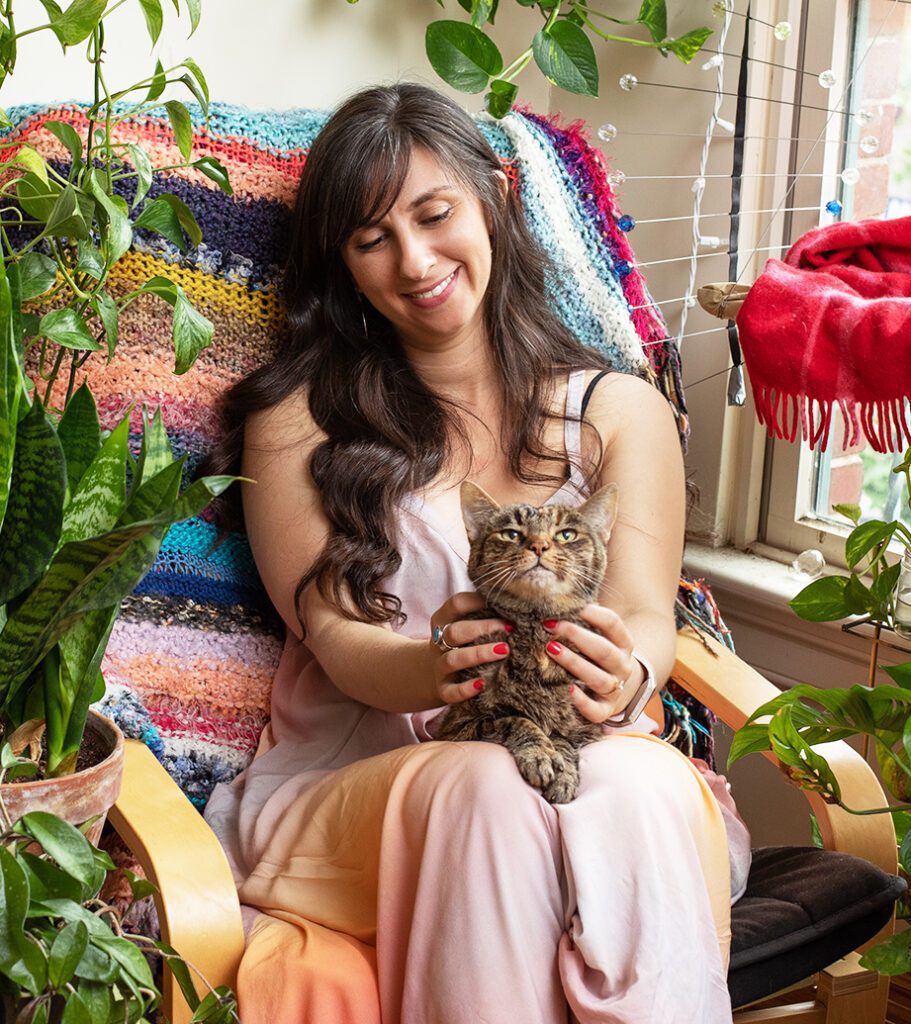
Your Pet Loves You Unconditionally
The bond and connection that you create with your pet is rare and unique. Relationships with humans come with more complications, more drama, deep insecurities and fears of what others may think.
And even though your pet can’t quite communicate their feelings with words, you know in your heart how much they love you.
Your Pet Is Your Family
Even though your pet is an animal, one fact remains: your pet is also part of your family.
And for some pet-lovers, the bond you create feels like even more; a pet might feel like part of your identity. Or even like an extension of your soul.
So when a pet dies, you don’t just lose an animal.
You lose a cherished loved one. You lose a piece of yourself.
Acknowledging the depth of your bond and validating how you feel is essential to healing. And being around others who “get it” will help too.
Pet loss grief; the pain explained | Sarah Hoggan DVM | TEDxTemecula
FAQ
Is it normal to feel devastated after losing a pet?
People who have never had a pet might not understand the loss and may invalidate your feelings as you go through the grieving process, but don’t allow them to dictate your feelings. It is normal to feel devastated after the loss of a pet.
What happens if you lose a dog?
The loss of a dog can also seriously disrupt an owner’s daily routine more profoundly than the loss of most friends and relatives. For owners, their daily schedules – even their vacation plans – can revolve around the needs of their pets. Changes in lifestyle and routine are some of the primary sources of stress.
Do you feel sad when you lose a pet?
You’re likely to feel sad for some time, and those feelings might ebb and flow. By being willing to feel your feelings, utilizing the help of therapy, and practicing self-care, you can facilitate the grieving process. Losing a pet is awful, but eventually, the grief will settle, and you will feel better again.
Why is losing a dog so painful?
Psychologist Julie Axelrod has pointed out that the loss of a dog is so painful because owners aren’t just losing the pet. It could mean the loss of a source of unconditional love, a primary companion who provides security and comfort, and maybe even a protégé that’s been mentored like a child.
How do you cope with losing a pet?
Dr. Sullivan says you might have to comfort your other pets, as they are also feeling grief. “If you have multiple pets in the household, they’re going to grieve the loss of their companion.” Kids might also need extra support, as losing a pet might be their first personal experience with death.
Is losing a pet a bad thing?
Let’s face it: Losing a pet is a terrible, painful thing. And because animals like dogs and cats have only a small fraction of the lifespan of most people—and because, ironically, having a pet can actually help you live longer 1 —chances are that having a pet means at some point down the road, you’re going to lose them.
How do you feel when you lose a dog?
Feeling sad, shocked, numb, angry, empty, guilty or lonely are all normal reactions to losing your dog.
Does a dog’s spirit stay with you?
Why is losing a dog so hard?
Losing a dog is so hard because it involves the loss of an unconditionally loving, ever-present companion and a deeply integrated part of your daily life. Dogs provide constant, unwavering loyalty and acceptance, filling unique roles as companions, therapists, and family members. The sudden loss triggers intense emotions and triggers like everyday routines, and the abrupt withdrawal of oxytocin, the “bonding hormone,” can heighten feelings of sadness and depression. Furthermore, societal misunderstandings about the depth of the human-pet bond can lead to feelings of guilt and isolation during the grieving process.
Do dogs know when they are being put to sleep?