
There’s much to celebrate when welcoming home a new puppy. However, anyone who’s ever cared for a four-legged bundle of joy can tell you that it’s not always a walk in the dog park. For puppy owners in particular, providing daily care often means cleaning up messes and occasionally dealing with health emergencies. When a puppy comes down with diarrhea, it can mean juggling both jobs at once.
As a pet parent, discovering your puppy has diarrhea can be both concerning and messy. One of the first questions that probably crosses your mind is: “Should I feed my puppy with diarrhea or withhold food?” It’s a valid question, and the answer isn’t always straightforward. In this article, I’ll break down everything you need to know about feeding a puppy with diarrhea, what foods are best, and when you should be concerned enough to call the vet.
The Short Answer: Yes, You Should (Usually) Feed a Puppy with Diarrhea
Unlike with adult dogs puppies should generally continue to eat when experiencing diarrhea. Here’s why
- Puppies need constant nutrition for proper growth and development
- Fasting can cause low blood sugar in very young puppies
- Continued feeding helps maintain energy levels and prevents dehydration
- Young puppies (under 3 months) should never be fasted without veterinary guidance
According to veterinary experts, as long as your puppy isn’t vomiting, providing a bland diet along with probiotics is usually the best approach. This helps keep their digestive system functioning while giving it a chance to recover
When Fasting Might Be Recommended
In some specific situations a short fast of 12 hours or less might be advised by your veterinarian
- If your puppy may have eaten something they shouldn’t have
- For dogs experiencing frequent episodes of profuse diarrhea
- For older puppies (not for very young puppies, seniors, or dogs with health issues)
Remember that even during a fasting period, always provide plenty of fresh water to prevent dehydration. Water should never be withheld from a puppy with diarrhea.
Understanding Why Your Puppy Has Diarrhea
Before deciding on a feeding plan, it helps to understand what might be causing your puppy’s digestive distress. Common causes include:
1. Diet-Related Issues
- Recent food changes
- Getting into garbage or non-food items
- Eating something toxic
- Dietary indiscretion (eating things they shouldn’t)
2. Infections
- Viral infections (like parvovirus, which can be deadly to unvaccinated puppies)
- Bacterial infections
- Parasites (like worms or giardia)
3. Stress
- Moving to a new home
- Changes in routine
- Separation anxiety
- Even teething can cause temporary diarrhea in puppies
What to Feed a Puppy With Diarrhea
Once you’ve determined that your puppy should continue eating, the next question is what to feed them. A bland, easily digestible diet is key to helping their digestive system recover.
Vet-Recommended Bland Diet Options:
The 1:1 Ratio Method:
- Mix equal parts (1:1 ratio) of boiled lean meat and white rice
- For example: 1 cup boiled chicken breast + 1 cup plain white rice
- Start with small portions – about 2 tablespoons per 10 pounds of body weight
- Offer these small meals every 2-3 hours initially
Best Protein Sources:
- Boiled lean white meat chicken (with skin and fat removed)
- Boiled lean hamburger (drained of fat)
Best Carbohydrate Sources:
- Plain white rice (easy to digest)
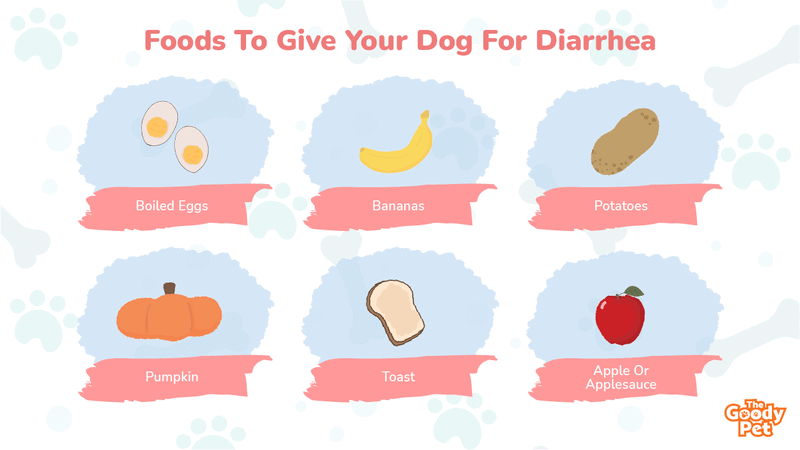
- Plain canned pumpkin (not pie filling) – helps firm up stool
Additional Helpful Additions:
- Plain yogurt with active cultures (provides probiotics)
- Commercial probiotics formulated for puppies (ask your vet for recommendations)
How to Introduce the Bland Diet
When your puppy has diarrhea, following the right feeding schedule is almost as important as what you feed them:
- Start small – Begin with just a tablespoon or two of the bland diet to see if they can keep it down
- Feed frequently – Small amounts every 2-3 hours is better than one large meal
- Gradually increase – Over the next day or two, slowly increase portion size as diarrhea improves
- Transition back – Between days 3-5, start blending in small amounts of their regular food
- Return to normal – By day 7, most puppies should be back on their regular food
I always tell my clients that it’s much better to offer too little food than too much when dealing with puppy diarrhea. Your pup might look at you with those big sad eyes begging for more, but their digestive system will thank you for the restraint!
When to Be Concerned About Puppy Diarrhea
Not all cases of puppy diarrhea require an immediate vet visit, but some definitely do. Here’s when you should be concerned:
Call Your Vet Immediately If:
- Your puppy is under 3 months old with diarrhea
- Diarrhea is accompanied by vomiting
- Your puppy seems lethargic or very weak
- There’s blood in the diarrhea
- Your puppy is refusing to eat or drink
- Diarrhea persists for more than 24-48 hours
- Your puppy shows signs of dehydration (dry gums, sunken eyes)
- Your puppy has a known health condition
Remember, puppies can dehydrate quickly, so don’t wait too long if you’re seeing concerning symptoms. When in doubt, call your vet!
Preventing Future Episodes of Diarrhea
While you can’t prevent every bout of puppy diarrhea, here are some steps to minimize the risk:
- Stick to a consistent diet – Avoid sudden food changes
- Supervise outdoor time – Prevent your puppy from eating strange things
- Keep garbage secured – Puppies are notorious for getting into trash
- Stay up-to-date on vaccinations – Prevents serious diseases that cause diarrhea
- Regular deworming – Follow your vet’s parasite control recommendations
- Minimize stress – Maintain consistent routines when possible
- Avoid giving table scraps – Human food can upset puppy tummies
Long-Term Solutions for Chronic Diarrhea
If your puppy experiences recurring bouts of diarrhea, a homemade bland diet isn’t a long-term solution. These diets are extremely deficient in many nutrients necessary for growing puppies.
For puppies with chronic digestive issues, your vet might recommend:
- Prescription gastrointestinal diets – These are specially formulated to be complete and balanced while being gentle on the digestive system
- Specific testing – To identify underlying conditions like food allergies, inflammatory bowel disease, or chronic infections
- Probiotic supplements – To help maintain healthy gut bacteria
Popular prescription diets for digestive issues include Hill’s Prescription Diet i/d, Purina EN, and Royal Canin Gastrointestinal.
My Personal Experience
As a pet owner who’s been through this multiple times, I can tell you that puppy diarrhea is super stressful! My Lab puppy once had the worst diarrhea after finding and eating half a bag of bird seed (don’t ask how). I was worried sick, but the bland chicken and rice diet worked wonders after just a day.
What surprised me most was how SMALL the portions needed to be at first. I was giving him just a tablespoon every couple of hours, which seemed cruel given his sad puppy eyes, but it really helped his system recover without overloading it.
The Bottom Line
So, should you feed a puppy with diarrhea? In most cases, yes! Puppies need nutrients to grow and develop, even when their digestive systems are upset. The key is feeding the right foods in the right amounts until their tummies settle down.
Remember these key points:
- Feed small, frequent meals of a bland diet
- Always provide fresh water
- Call your vet if symptoms are severe or don’t improve quickly
- Gradually transition back to regular food as diarrhea resolves
Have you dealt with puppy diarrhea before? What foods worked best for your furry friend? Share your experiences in the comments below!
Disclaimer: This article is intended as general guidance and does not replace professional veterinary advice. Always consult with your veterinarian for your puppy’s specific health needs, especially for very young puppies or those with existing health conditions.
Monitor Your Dog’s Symptoms
Pay close attention to your dog and their bowel movements when they’re experiencing diarrhea. As symptoms resolve or worsen, dog owners should report changes to their veterinarian while providing hydration and comfort.

Three Steps for Caring for Your Puppy’s Diarrhea
If the cause of your puppy’s sudden diarrhea isn’t obvious, follow these steps to help make sure you don’t both have a health emergency on your paws.
You’re Feeding Your Dog With Diarrhea WRONG (Home Treatment Vet Advice)
FAQ
What do you give a puppy to stop diarrhea?
Should my puppy skip a meal if he has diarrhea?
If a dog only has diarrhea and is not vomiting, there is no need to withhold food because it may make them not want to eat when you start to feed them again.May 16, 2025