
 Rabies is one of the most devastating viral diseases affecting mammals, including dogs and humans. It is a fatal disease caused by infection with the rabies virus. When signs of rabies occur, it is an almost invariably fatal disease.
Rabies virus is found throughout the world, including North America, Central and South America, Asia, Africa, the Middle East, and some parts of Europe.
However, there are areas in the world that are rabies-free, including Antarctica, Australia, Fiji, Finland, Iceland, the Republic of Ireland, Japan, New Zealand, Norway, Sweden, and the United Kingdom (England, Scotland, Wales, and Northern Ireland).
These rabies-free countries have relied on strict quarantine laws to keep the disease out and to stop the virus from getting into the wildlife of those countries. This list is subject to change as a country’s rabies status is constantly under review.
Rabies is one of those words that sends shivers down the spine of any pet owner As a veterinarian who’s worked with countless dogs and their worried owners, I’ve seen the fear in people’s eyes when they ask me that difficult question “Will my dog die if it has rabies?”
I’m not gonna sugarcoat this – the answer is tough to hear. In almost all cases yes a dog will die if it develops clinical rabies. But there’s a lot more to understand about this disease, including prevention, symptoms, and what to do if you suspect exposure.
The Harsh Reality of Rabies in Dogs
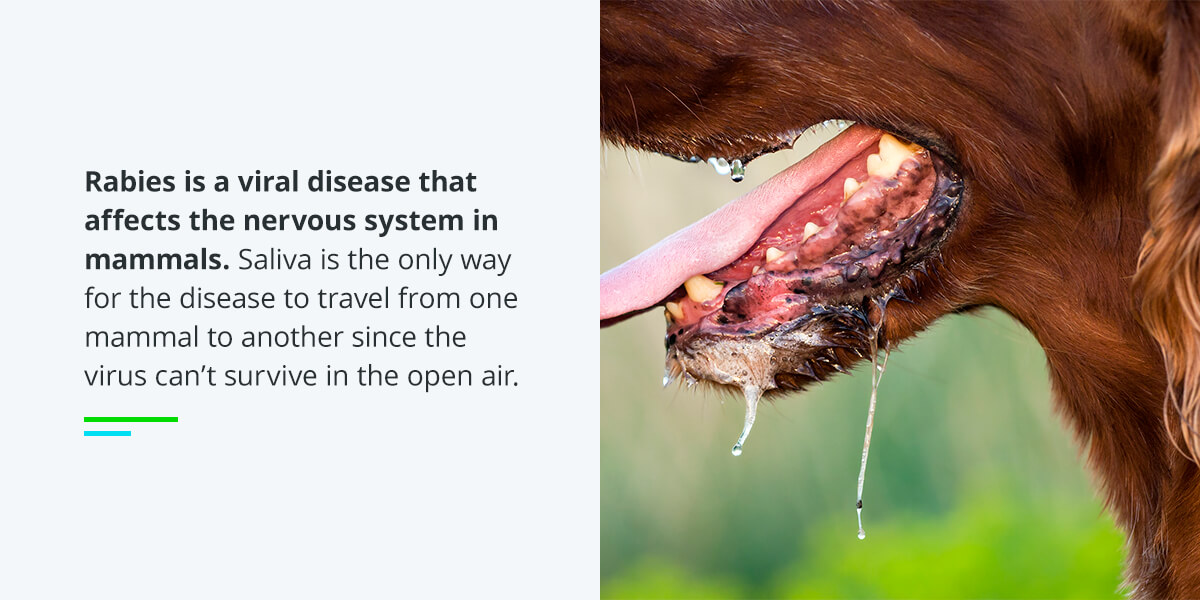
Rabies is a viral disease that attacks the central nervous system of mammals, including our beloved canine companions. It’s transmitted primarily through the bite of an infected animal, with the virus present in their saliva
Here’s the difficult truth: Rabies is almost always fatal in dogs once clinical signs appear. Without immediate intervention before symptoms develop, the mortality rate approaches 100%. This is why prevention through vaccination is absolutely critical.
According to veterinary infectious disease specialists, once a dog starts showing symptoms of rabies, the disease progresses rapidly, typically leading to death within 7-10 days. There are extremely rare exceptions, but they are so uncommon that they don’t change the general understanding that clinical rabies is fatal.
Incubation Period: The Silent Danger
What makes rabies particularly tricky is its variable incubation period – the time between infection and when symptoms start to show:
- In most cases, dogs display signs within two weeks of exposure
- However, the virus can lie dormant for months before symptoms appear
- During this time, the infected dog might seem perfectly healthy
- Even scarier, a dog can transmit rabies to other animals and humans up to 10 days before showing any symptoms
This unpredictable timeline is one reason why public health authorities take potential rabies exposures so seriously, often requiring quarantine for observation.
Recognizing the Signs of Rabies in Dogs
Knowing the symptoms of rabies can help you seek immediate veterinary attention if you suspect your dog has been exposed. The virus affects the central nervous system, causing various concerning symptoms:
- Overreacting to light, sound, or touch – your normally calm dog might become startled by ordinary stimuli
- Excessive drooling – due to difficulty swallowing as the virus affects throat muscles
- Licking or biting at the wound site where exposure occurred
- Staggering or falling, with eventual paralysis
- Loss of appetite or difficulty drinking/eating
- Behavior changes – ranging from unusual aggression to uncharacteristic friendliness
- Seizures and disorientation
In the later stages, paralysis sets in, making it impossible for the dog to swallow or breathe properly, which ultimately leads to death.
Can Rabies in Dogs Be Treated?
I wish I had better news here. Currently, there is no effective treatment for rabies once clinical signs develop. While there have been a handful of documented human survivors of rabies (using an aggressive treatment protocol called the Milwaukee Protocol), this approach has not been successfully adapted for dogs.
If your veterinarian suspects rabies in your dog, the most humane option is typically euthanasia to prevent suffering and eliminate the risk of transmission to humans or other animals.
What Happens if Your Dog is Exposed to Rabies?
If your dog has been bitten by a potentially rabid animal but isn’t showing symptoms yet, there’s still hope:
- Immediate veterinary care is essential – don’t wait to see if symptoms develop
- If your dog is up-to-date on rabies vaccinations, they’ll likely receive a booster shot
- For unvaccinated dogs, your vet and local public health authorities will determine the appropriate course of action
- Quarantine may be necessary to monitor for any developing symptoms
Remember that time is absolutely critical here – the sooner intervention occurs after exposure, the better the chances of preventing the virus from reaching the brain.
Prevention: The Only Real Solution
Since rabies is almost always fatal once symptoms appear, prevention becomes incredibly important. Here’s how to protect your dog:
- Keep rabies vaccinations current – most areas require rabies vaccines every 1-3 years
- Supervise your dog outdoors, especially in areas with wildlife
- Avoid contact with stray animals or wildlife, particularly those acting strangely
- Report any animal bites to your veterinarian and local health department
- Don’t attempt to capture wild animals that might be infected
I can’t stress enough how important regular rabies vaccination is. It’s not just about protecting your dog – it’s about protecting you, your family, and your community from this deadly disease.
The Public Health Concern
Rabies isn’t just a concern for our pets – it’s a significant public health issue. Humans can contract rabies from infected dogs through bites or scratches that break the skin. This zoonotic potential is why rabies control programs exist worldwide.
If you’ve been bitten by a dog suspected of having rabies, seek medical attention immediately. Post-exposure prophylaxis (a series of shots) can prevent the disease from developing in humans if administered promptly after exposure.
Can My Dog Still Get Rabies After Vaccination?
While no vaccine is 100% effective, the rabies vaccine provides substantial protection. Vaccinated dogs rarely contract rabies, but it is technically possible. This is why:
- Keeping your dog’s vaccines up-to-date is crucial
- Following quarantine protocols after potential exposure is still necessary
- Observing your dog for any unusual symptoms remains important
What Happens if a Vaccinated Dog Bites Someone?
If your vaccinated dog bites someone, the protocols vary by location but typically include:
- A 10-day quarantine period to observe for any rabies symptoms
- Verification of current vaccination status
- Monitoring by local health authorities
These precautions are taken even with vaccinated dogs because, while extremely unlikely, transmission remains theoretically possible.
Important Facts About Rabies Testing
One complicating factor with rabies is that definitive diagnosis requires examination of brain tissue. Unfortunately, this means:
- Testing can only be done after death
- There is no reliable blood test for rabies
- Diagnosis in living animals is based on clinical signs and exposure history
This limitation makes prevention through vaccination even more critical.
Global Perspective on Rabies
While rabies has been largely controlled in domestic animals in the United States and many developed countries, it remains a significant problem globally. According to the World Health Organization:
- Dogs are the main source of human rabies deaths worldwide
- Approximately 59,000 people die from rabies annually
- 95% of human cases occur in Africa and Asia
- Most human deaths are due to bites from infected dogs
These statistics highlight why international rabies control efforts focus heavily on dog vaccination programs.
What Should You Do If You Suspect Rabies?
If you believe your dog has been exposed to rabies or is showing symptoms, follow these steps:
- Don’t panic, but act quickly – time is critical
- Contact your veterinarian immediately – describe the situation and follow their guidance
- Isolate your dog from other pets and people if possible
- Do not handle the dog without protection if they’re showing neurological symptoms
- Report the incident to local animal control or health department
My Personal Experience with Rabies Cases
In my years as a vet, I’ve unfortunately had to deal with several suspected rabies cases. I remember one particularly heartbreaking situation where a family’s unvaccinated puppy was exposed to a rabid raccoon. Despite immediate intervention, we couldn’t save that puppy.
This is why I’m so passionate about rabies prevention. I’ve seen firsthand the devastation this disease causes, and I know that simple preventive measures can spare families this heartache.
Final Thoughts
So, will a dog die if it has rabies? The sobering answer is yes, in virtually all cases. But this grim reality should motivate us to take prevention seriously.
Keeping your dog’s rabies vaccination current is the most effective way to protect them from this deadly disease. It’s a simple step that can literally save their life – and potentially human lives as well.
As pet owners, we have the responsibility to protect our furry family members from preventable diseases. Rabies is scary, but with proper precautions, we can keep our dogs safe from this ancient and deadly threat.
Remember: when it comes to rabies, prevention isn’t just important – it’s everything.
What are the clinical signs of rabies?
 Following a bite from a rabid animal, the disease progresses through three stages. In the prodromal phase (first phase), the dog undergoes a marked change in temperament. Quiet dogs become agitated and active pets become nervous or shy. This phase can last 2–3 days. Following this stage, there are two recognized forms of the clinical disease:
- Furious rabies occurs when the rabid dog becomes aggressive, highly excitable, and displays evidence of a depraved appetite, eating and chewing stones, earth, and rubbish (pica). Paralysis eventually sets in and the rabid animal may be unable to eat and drink. Hydrophobia (fear of water) is not a sign of rabies in dogs. This is a feature of human rabies. The dog finally dies in a violent seizure.
- Dumb rabies is the most common form in dogs. There is progressive paralysis involving the limbs, distortion of the face and difficulty swallowing. Owners will frequently think the dog has something stuck in the mouth or throat. Care should be taken in examination since rabies may be transmitted by saliva. Ultimately, the dog becomes comatose and dies.
How is rabies diagnosed?
Rabies can only be diagnosed by direct examination of the brain. It is not possible to diagnose this disease in a living animal. If there is a high suspicion that the animal has rabies, or if an animal showing symptoms of rabies dies suddenly, your veterinarian may recommend submission of the appropriate brain samples for testing. If there has been human exposure, this may be required.
Why do dogs with rabies die after biting humans?
FAQ
How long will a dog survive with rabies?
A dog with rabies will typically die within 7 to 10 days after symptoms of the disease appear, as there is no cure for rabies once symptoms manifest. The virus attacks the brain and spinal cord, leading to rapid, fatal neurological decline. Due to the fatality of the disease, if rabies is suspected in a dog, the kindest option is often euthanasia to prevent suffering and the further spread of the virus.
Do dogs with rabies die after biting?
Why do dogs not die of rabies?
Although extremely uncommon, there have been some poorly documented and isolated cases where dogs have survived rabies. This may be due to the rabid animal having very little rabies virus in the saliva at the time of the bite.
Can you save your dog if it has rabies?
Unfortunately, there is no cure for rabies in dogs. The dog must be euthanized. It’s best to do this at the earliest signs of infection, as it’s the most humane decision. Additionally, it will prevent the dog from infecting others. Contact your vet to discuss your options for euthanizing the dog.