
Dog trainers and dog owners alike regularly use dog treats and other kinds of dog food to train a dog. It’s a form of positive reinforcement that is very easy to use and typically gets quick results.
Animal behaviorists and dog trainers all agree that positive reinforcement is the best way to train a dog, but you don’t have to use food as positive reinforcement. You can also use praise and loving treatment to get your dog to do the desired behavior.
Most dog owners, however, use food rewards because they are typically effective. What happens, though, if you’re dog isn’t interested in food treats? What should you do in that case? Let’s take a look at why you’re dog might not be responding to food rewards and a few dog training tips on what you can do about it.
Have you ever waved a treat in front of your dog’s face only to be met with complete indifference? It’s downright confusing when your furry friend—who should theoretically do backflips for food—just stares at you like you’re offering them a math problem instead of a tasty morsel.
As someone who’s worked with countless pups, I can tell you that a dog turning down treats isn’t as rare as you might think. In fact it’s one of the most common training roadblocks pet parents face.
Let’s dive into why your pup might be snubbing those treats and what you can actually do about it!
The 6 Main Reasons Your Dog Isn’t Food Motivated
1. They’re Simply Overfed
One of the most common reasons dogs don’t respond to food rewards is because—well—they’re already full!
Dr. Rebecca MacMillan veterinary expert explains that “If your dog knows that food is freely available throughout the day, or if they are fed large quantities at mealtimes, they are less likely to be driven by treats.”
Think about it: would you be excited about chocolate cake right after Thanksgiving dinner? Probably not!
What you can do:
- Check that you’re feeding appropriate portion sizes
- Make sure family members aren’t sneaking extra treats
- Consider measuring out your dog’s daily food allowance and setting aside a portion specifically for training
2. Stress or Anxiety Is Affecting Their Appetite
Just like humans who lose their appetite when nervous, dogs often can’t focus on food when they’re feeling anxious or stressed.
Lisa Desatnik, certified dog trainer, notes that “A medically healthy dog’s willingness and interest in food tells us a lot about its emotional state.”
At that outdoor event with dozens of dogs and hundreds of people, some pets took treats readily while others completely ignored them—showing signs of anxiety like excessive panting and hypervigilance.
What you can do:
- Work on creating positive associations with stressful environments
- Start training in quiet, low-distraction areas before moving to more challenging settings
- Look for signs of stress (panting, whale eye, stiff posture) and reduce demands when you see them
3. Health Issues Are Interfering
If your normally food-loving dog suddenly loses interest in treats, there might be something medical going on.
“If your dog is generally inappetent then make sure you get them checked over by a vet as soon as possible,” advises Dr. MacMillan. “There is a whole array of different illnesses that could cause them to be disinterested in food.”
What you can do:
- Schedule a vet check if your dog’s appetite has changed suddenly
- Watch for other symptoms like lethargy, vomiting, or changes in drinking habits
- Consider possible food sensitivities that might be making certain treats unappetizing
4. It’s in Their Genetics
Some dog breeds are simply less food-motivated than others!
“Labradors and beagles are known for being highly food-motivated, whereas some terrier breeds and collies prefer being rewarded in other ways,” explains Dr. MacMillan.
If you’ve got a collie who’s more interested in herding than eating, or a terrier who’d rather chase a ball than eat a treat, you’re not alone.
What you can do:
- Identify what DOES motivate your dog (toys, praise, play)
- Work with their natural preferences rather than against them
- Use food for initial training, then transition to their preferred rewards
5. There Are Too Many Competing Reinforcers
Your dog might be ignoring treats because something more exciting has captured their attention.
“In busy and stimulating environments you might find that your treats no longer hold your dog’s interest,” says Dr. MacMillan. “There is simply too much else going on, with other sights and smells taking their attention away from you.”
Desatnik adds, “If there is a strong, established history with competing reinforcers from the environment, which are more valuable to the dog than paying attention to you, it will be very difficult if not impossible for the skill of focusing on you to compete.”
What you can do:
- Use higher-value treats (stinkier and tastier) in distracting environments
- Practice gradually increasing environmental distractions
- Build a strong foundation of attention in low-distraction settings first
6. Food Has Become Associated With Negative Experiences
Has food become a trap in your dog’s mind? Desatnik points out that if you’ve used food to lure your dog into situations they find aversive—like going to the vet, getting in a crate they don’t like, or approaching people they fear—they may learn to be suspicious of treats.
“Experience will have taught your dog that the presence of food comes before something negative,” she explains.
What you can do:
- Never use food to trick your dog into something unpleasant
- Work on creating positive associations with previously negative experiences
- Be honest with your dog—treats should predict good things, not bad ones
How to Train a Dog That’s Not Food Motivated
Ok, so your dog isn’t particularly food motivated. Does that mean training is impossible? Absolutely not! Here are some effective alternatives:
1. Try Different Types of Treats
Before giving up on food completely, experiment with different options:
- High-value proteins: Tiny bits of chicken, cheese, or freeze-dried liver
- Novel textures: Some dogs prefer crunchy treats, others like soft and chewy
- Smelly stuff: The stinkier the better for many dogs (think fish-based treats)
- Commercial options: There are specialized high-value training treats designed to be irresistible
Sometimes it’s not that your dog isn’t food motivated—they’re just not motivated by the particular food you’re offering!
2. Use Toys as Rewards
Many dogs are more motivated by play than food. Dr. MacMillan suggests:
“If your dog gets very excited by certain toys, then these can be used as a reward during training. Being rewarded with their favorite toy or some play time works well for many dogs during training.”
Toy ideas that work well for training:
- Tennis balls for retrievers
- Tug toys for terriers
- Squeaky toys for many breeds
- Frisbees for high-energy dogs
3. Use “Life Rewards”
Some dogs work beautifully for rewards that are built into everyday life:
- Freedom: Getting to run off-leash after walking nicely
- Sniffing: Allowing a “go sniff” break after practicing obedience
- Access: Opening the door after sitting politely
- Attention: Petting and praise for many dogs is highly rewarding
These “life rewards” can be extremely powerful when used consistently.
4. Try Verbal Praise and Affection
Some dogs are genuinely motivated by your approval and affection. Dr. MacMillan advises making verbal praise more effective by:
“Ensuring that your tone has the desired effect, most dogs recognize high-pitched or enthusiastic praise. Make sure the timing of your verbal praise is right too, it should be instantaneously given to them upon completing your desired task.”
5. Use Reserved Meal Portions for Training
One clever technique is to measure out your dog’s daily food allowance and set aside a portion specifically for training:
“This will mean their meal size becomes decreased, making them a bit hungrier and more motivated for their food during training,” explains Dr. MacMillan. “It also has the advantage of keeping your dog’s diet balanced, whereas cutting your dog’s meals and feeding more treat items could cause issues.”
6. Consider Clicker Training
Clicker training can be a fantastic bridge between behavior and reward:
“A clicker is a great way of bringing some consistency to your training,” says Dr. MacMillan. “It makes the same sound each and every time you use it, meaning that different family members can all utilize it.”
The click marks the exact moment your dog does something right, helping them understand precisely what earned the reward.
Common Mistakes to Avoid
When dealing with a dog that isn’t food motivated, watch out for these training pitfalls:
-
Showing them the money: Desatnik warns about inadvertently teaching stubbornness: “If you give your dog a piece of kibble and it refuses; and then you give it something better. You have just reinforced your dog’s decision to refuse kibble with the ‘something better.'”
-
Free feeding: “Putting food in your dog’s bowl and leaving it there all day is a great way to devalue that food,” Desatnik points out.
-
Training when they’re too stressed: If your dog is showing signs of stress or over-arousal, it’s not the right time for training.
-
Forcing the issue: Trying to make a dog take food when they’re not interested can increase stress and create negative associations.
When to See a Vet
While many food motivation issues are behavioral or training-related, sometimes there’s more going on. See your vet if:
- Your dog’s appetite has suddenly changed
- They’re showing other signs of illness
- They’ve always been food motivated and suddenly aren’t
- You notice weight loss, lethargy, or other concerning symptoms
The Bottom Line
A dog that isn’t food motivated isn’t broken or untrainable—they’re just different! By understanding why your dog might not be responding to food rewards and exploring alternative training methods, you can still build a wonderful relationship and teach important skills.
Remember that dogs, like humans, are individuals with unique preferences and motivations. The key is to discover what makes YOUR dog tick and use that knowledge to communicate effectively with them.
So, next time your pup turns their nose up at that treat, don’t despair. You’ve now got a whole toolkit of alternatives to try!
What have you found motivates your dog? I’d love to hear about your experiences in the comments!

How to Train a Dog Who’s Not Interested in Food Rewards
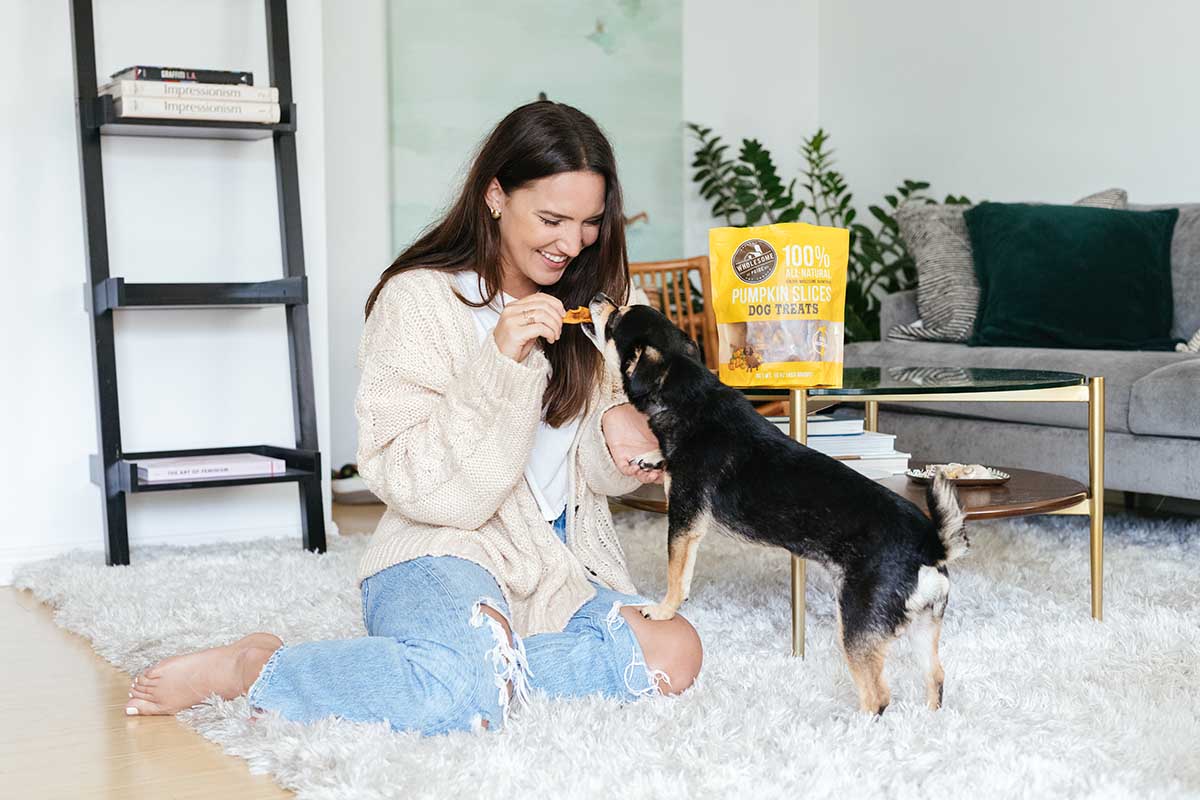
If you are using food/treats as a form of positive reinforcement training and your dog is not responding to them, there are several things you can do. Let’s look at some of your options.
The first thing to do is simply try different foods. You want to try to use foods your dog wants as a form of food motivation. Just like humans, dogs have different tastes, and they like some things and don’t like others.
For that reason, you can experiment with different food rewards until you find what works best. That’s your dog’s high-value treat, and that’s what you can use with his training. You might also try foods your dog doesn’t normally get.
Peanut butter, hot dogs, and other kinds of safe, tasty foods that your dog doesn’t normally get can be used in small amounts as food rewards. Just make sure you give them small pieces or amounts and never use any brands that have xylitol in the ingredients.
Your Dog Is Overweight
Obesity is a growing problem in our furry friends. As much as 25 – 30% of all dogs in North America are obese, and in dogs older than 5 to 11 years old, that increases to 40 – 45%!
Obese dogs may have less interest in food treats because they’re obviously getting enough kibble in their diet. Getting your chubby pooch back to optimal weight is critical for both his physical and behavioral health.
Before you do that, however, you’ll want to get him checked out by your DVM to ensure he isn’t obese because of a medical condition like thyroid disease or diabetes.
Once you are able to help him lose weight, it’s probably a good idea to avoid food treats altogether in your training sessions with him since you know he is prone to obesity. We’ll talk about what you can do instead below. If that’s not an option, at least use low-calorie training treats.
Puppy Training When Your Dog Isn’t “Interested” In Treats
FAQ
Is it normal for my dog to not be food motivated?
Yes, some dogs are not as intrinsically food motivated as others, but “not food motivated” often indicates underlying issues like medical problems, anxiety, stress, or a lack of interest in the specific treats offered. Health issues, pain, or anxiety can decrease a dog’s desire to eat, while environmental distractions or competition from more stimulating factors can also make food seem less appealing. Training solutions involve finding alternative motivators like toys or play, ensuring the treats are high-value, or addressing medical conditions with a veterinarian.
How do I get my dog food motivated?
Which dog breeds are not food motivated?
Why is my dog suddenly not interested in food?
Your Dog Might Be Sick
If your dog suddenly stops eating their regular food but will eat treats, it could indicate an underlying health problem. Dental issues, gastrointestinal problems, or other medical conditions can cause a loss of appetite for regular food while leaving the desire for treats intact.