
Blue Nose Pitbulls are a unique and captivating breed of dogs, known for their distinctive coat color and affectionate temperament. They are a type of American Pitbull Terrier, which is a breed that has been historically misunderstood and often faces negative stereotypes. However, Blue Nose Pitbulls, like all other Pitbulls, are loyal, intelligent, and gentle when raised with love and proper care. This comprehensive guide will take you through the ins and outs of Blue Nose Pitbulls, debunking common myths and shedding light on their endearing qualities. Join us as we explore their origin, characteristics, temperament, and much more, to help you better understand and appreciate these beautiful dogs.
The short answer is no, a true blue nose Pitbull cannot have a brown nose. According to Coat Color Genetics, it’s genetically impossible for a blue dog to have a brown nose. Blue nose Pitbulls are characterized by their gray-bluish coat and nose pigmentation, which is the result of specific recessive genes.
What Exactly is a Blue Nose Pitbull?
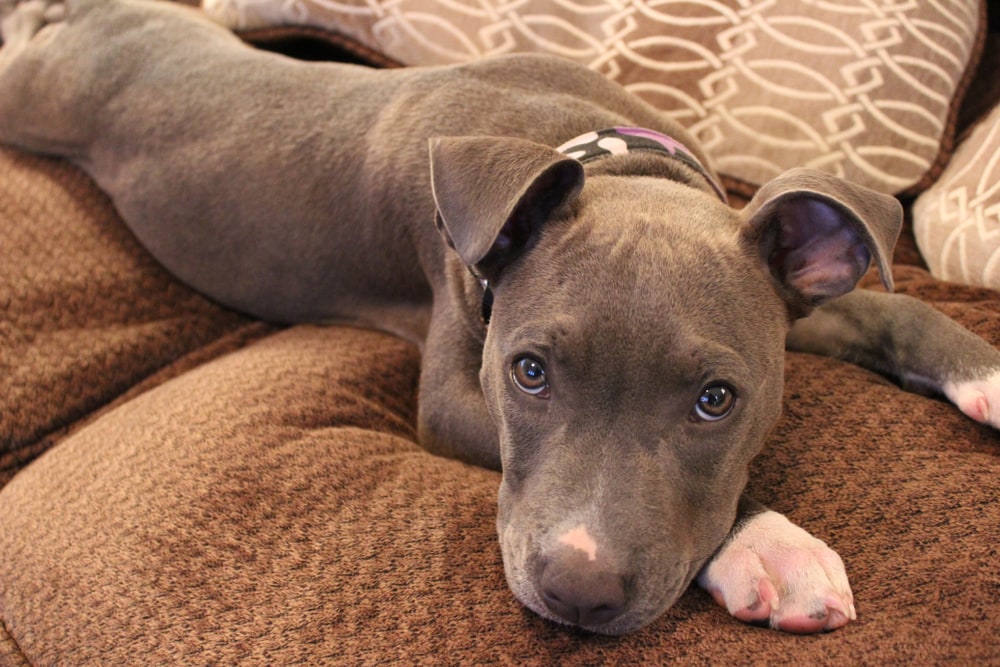
Despite their name, blue nose Pitbulls don’t actually have a truly blue nose Instead, they have a nose with more of a gray tone with a bluish tint, different from the typical black nose of standard Pit bulls.
Blue nose Pitbulls are typically either American Pitbull Terriers or American Staffordshire Terriers, or sometimes a cross between the two. Important to note, they aren’t a separate breed from Pit bulls – the blue coloration is simply a genetic variation.
The Genetics Behind Blue Nose Pitbulls
The blue coloration in these dogs is caused by a homozygous recessive gene. This means:
- Both parent dogs must carry the recessive gene for a blue nose to appear in puppies
- The blue color is actually a dilution of black pigment
- For a blue nose to appear, a puppy needs to inherit the recessive gene from both parents
Using a simple genetic model, if both parents have black noses but carry the recessive blue gene (represented as Bb), their puppies would have approximately:
- 25% chance of having blue noses (bb)
- 25% chance of having black noses with no recessive gene (BB)
- 50% chance of having black noses while carrying the recessive gene (Bb)
Color Changes in Pitbull Puppies
Many blue Pitbull owners notice that their dogs’ coats sometimes appear brownish in certain lighting. According to the sources many blue dogs have brown tips to their fur or fur that changes color depending on the lighting. This is a natural phenomenon and not something that can be changed.
Additionally, Pitbull puppies often change color as they grow. Don’t be surprised if your little blue puppy appears to turn brownish after a few weeks. This change is completely normal and primarily caused by an increase in the pigment in their coat.
Standard Pit Bull Colors
According to Spark Paws, Pit Bulls come in a wide variety of colors, including:
- Black – Striking with glossy, jet-black coats due to a dominant gene
- White – Eye-catching with pure, snowy coats, sometimes with distinct markings
- Blue – Silvery-grey coat that can look blue in certain lights
- Fawn – Ranges from light tan to deeper reddish-brown
- Red – Rich copper or reddish-brown coat
Rare and Unique Pit Bull Colors
Some of the rarer Pit Bull colors include:
-
Brindle – A unique tiger-stripe pattern with various color varieties:
- Blue Fawn Brindle
- Reverse Brindle
- Red Brindle
- Black Brindle
- Blue Brindle
-
Blue Fawn – A rare variation with a fawn coat that appears diluted, giving it a silvery-blue sheen
-
Chocolate – Deep, rich brown color resulting from a recessive gene
-
Lilac – One of the rarest colors, a stunning mix of blue and brown with a silvery sheen
-
Tricolor – Typically a mix of black, white, and tan, but can include other shades
Blue Nose vs. Red Nose Pitbulls
There’s often confusion between blue nose and red nose Pitbulls:
- Blue Nose Pitbulls have striking blue or grayish noses, often with a matching silvery-blue coat
- Red Nose Pitbulls have warm, reddish-brown noses that complement their amber-to-red-toned coats
It’s important to understand that these color traits are purely cosmetic and don’t indicate any difference in temperament or health compared to other Pitbulls.
Personality of Blue Nose Pitbulls
Despite their sometimes intimidating appearance, blue nose Pitbulls are:
- Devoted and loving
- Good with kids
- Incredibly sociable and kind
- Very sensitive and understanding
- Strong-bonding with their owners
The blue nose Pitbull’s personality makes them excellent family dogs when properly trained and socialized. They’re often described as “enormous teddy bears” despite their confident posture.
Health Considerations for Blue Nose Pitbulls
It’s worth noting that breeding specifically for the blue nose trait can sometimes lead to health issues. Since the blue coloration is recessive, some breeders have begun exclusively mating blue nose Pitbulls to produce more blue nose puppies. While these dogs are beautiful, this practice can potentially lead to health problems due to genetic narrowing.
Common Misconceptions About Pitbulls
Many misconceptions surround Pitbulls, particularly that they were bred to be aggressive. In reality:
- Pit bulls gained a negative reputation because some were raised and trained to fight by criminals
- This has led to discrimination against the breed
- Properly raised and trained Pitbulls are loving, intelligent, and loyal family pets
Is a Blue Nose Pitbull Right for You?
Before bringing a blue nose Pitbull into your home, consider:
- Exercise needs – They’re one of the most energetic dog breeds and need plenty of exercise
- Training requirements – They’re intelligent but can be stubborn
- Socialization – Early socialization with other dogs is important
If you provide a loving home with a nutritious diet and proper training, a blue nose Pitbull can become your best friend and loyal companion for life.
Rarity of Blue Nose Pitbulls
The blue nose Pitbull is considered rare because it takes two Pitbulls carrying the recessive gene to produce one. This genetic requirement makes them less common than standard Pitbulls with black noses.
Final Thoughts
While a blue nose Pitbull cannot truly be brown, variations in lighting and coat development can sometimes make their fur appear brownish. The distinctive blue-gray coloration of these dogs makes them striking and unique, but remember that color is just one aspect of these wonderful dogs. Their personality, loyalty, and love make them special companions regardless of their coat color.
If you’re considering adding a Pitbull to your family, focus less on the nose color and more on finding a well-bred, properly socialized dog from a responsible breeder who prioritizes health and temperament over appearance.
Are Blue Nose Pitbulls aggressive?
Blue Nose Pitbulls, like any other dog breed, have a range of individual temperaments. Generally, they are not inherently aggressive dogs. Instead, they are known for their loyalty, affection, and intelligence. Blue Nose Pitbulls can be loving family pets if they are well-socialized, properly trained, and cared for.
Factors that may contribute to aggression in some Pitbulls include poor breeding practices, lack of socialization, inadequate training, and abuse or neglect. It is crucial to remember that any dog, regardless of breed, can exhibit aggressive behavior under certain circumstances.
Pitbull Attacks and Safety
In this section, we will discuss how to handle a situation where a Pitbull attacks, the bans and restrictions that exist for the breed, and addressing their reputation.
How to know if you have a REAL Blue Nose Pit bull!
FAQ
Do Pitbulls have a blue nose?
A blue nose Pitbull is notable for its bluish-grey nose and bluish-grey coat. Their eyes come in an array of colors, including blue, hazel, green, and brown. This is a huge contrast to the red nose Pitbull’s striking red hues.
Do Blue Nose Pitbulls need a coat?
A hero indeed. The impressive sleek, muscular body does come with a disadvantage. Without a thick, fluffy coat and layers of insulating body fat, Blue Nose Pitbull don’t tolerate extremely cold temperatures well. A dog coat may be necessary in colder weather.
Are blue nose Pitbulls aggressive?
A common misconception about blue nose Pitbulls is that they are aggressive. However, under all that muscle, the blue nose Pitbull is not an aggressive dog. In fact, a lot of blue nose Pitbulls today are being trained to be therapy dogs since they are sensitive to people’s emotions. Do Blue Nose Pitbulls Shed a Lot?
How big do Blue Nose Pitbulls get?
Blue nose pitbulls vary in terms of weight and height as this is dependent on their parents’ genes. However, these dogs hover between 30 to 60 lbs. in weight and reach approximately 18 to 21 inches in height. Like other dogs, females are generally smaller than males. Training Consult Today! No credit card required. Free means free.
How to choose a blue nose Pitbull breeder?
A quality breeder will also ask you questions to ensure you’ll make a good pet parent. They should also be able to provide documentation such as health certificates and vaccination records. Can You Adopt a Blue Nose Pitbull?
Are blue nose pit bulls dangerous?
Despite an unwarranted bad reputation of being dangerous (which is beginning to fade away slowly), Pit Bulls, including the Blue Nose variety, are very friendly, loving dogs. Remember, they were bred to be gentle with people, a trait that still remains strong today in well-bred dogs.
Are blue nose pitbulls brown?
The blue nose pitbull has the same appearance as other pitbull terriers, except their coat is bluish-gray. While the coat is usually a solid color, they can also have a brindle or tiger stripe appearance. Sometimes, blue noses can have white markings around the nose and eyes and on their chest and feet.
What is the rarest pitbull color?
The Merle and Lilac colors are generally considered the rarest Pitbull colors, with Merle being a pattern of irregular patches of color and Lilac being a cool-toned mix of blue and brown. However, solid white Pitbulls are also quite rare, though they can be associated with health issues like deafness if they are albino.
Can pit bulls be brown?
Chocolate Pit Bulls are deep, rich brown in color, much like the sweet treat they’re named after. This color is rarer than the standard brown due to a recessive gene, making chocolate Pit Bulls a unique find.
How can I tell if my dog is a blue nose pitbull?