
Canine parvovirus (CPV, or parvo) is the most serious virus that dogs and puppies can get. Thankfully, it’s preventable with proper vaccination—though it’s still widely prevalent, especially in puppies and poorly vaccinated adolescent dogs.
Let’s look at everything you need to know about parvo in dogs and puppies—how to protect your pup, parvo symptoms to look for, and what to do if your dog gets sick.
Yes, a dog can absolutely get parvo without ever coming into direct contact with another dog. This shocking truth is something every dog owner needs to understand to protect their furry friend from this potentially deadly disease.
The Sneaky Ways Parvo Spreads Without Dog-to-Dog Contact
Parvovirus is incredibly contagious and surprisingly resilient. As a dog owner myself, I was stunned to learn just how easily this virus can reach our pets even when they’re completely isolated from other dogs.
Here’s the reality: your dog doesn’t need to meet other dogs to catch parvo – they just need to encounter the virus itself, which can happen in numerous unexpected ways.
The Human Connection: An Unwitting Carrier
One of the most common ways dogs get parvo without meeting other dogs is through human contact. Yes, we humans can be parvo carriers without even knowing it!
- A person steps in contaminated soil or feces
- The virus attaches to their shoes, clothing, or hands
- They bring the virus into your home
- Your dog comes into contact with the contaminated items
I remember when my neighbor’s puppy got parvo despite never leaving their yard. The vet explained that someone probably tracked the virus in on their shoes after walking through a contaminated area. It was a harsh reminder that isolation alone isn’t enough protection.
Environmental Exposure: The Hidden Danger
The parvovirus is remarkably hardy and can live in these environments for extended periods:
- Soil (can survive up to a YEAR!)
- Grass and outdoor areas
- Sidewalks and public spaces
- Snow and mud
- Indoor surfaces like rugs and floors
According to the American Veterinary Medical Association (AVMA), “The virus is resistant to heat, cold, humidity, and drying, and can survive in the environment for long periods.” This resilience makes parvo particularly dangerous, as your dog might encounter it during a simple bathroom break in your own backyard.
Everyday Items That Can Transmit Parvo
The virus doesn’t just live outdoors – it can hitch a ride on almost any object:
| Common Parvo Carriers | How They Get Contaminated |
|---|---|
| Food and water bowls | Contact with infected dogs elsewhere |
| Toys and bedding | Shared spaces or items |
| Leashes and collars | Used in contaminated areas |
| Kennels and carriers | Previous exposure to infected dogs |
| Grooming equipment | Used on multiple dogs |
I once heard about a family who adopted a new puppy after their previous dog had parvo. They’d cleaned everything thoroughly (or so they thought), but the new puppy still contracted the virus from contaminated items in the home. The virus is THAT persistent!
Who’s Most at Risk? Understanding Vulnerability
Not all dogs face the same level of risk when it comes to parvovirus. Certain factors significantly increase vulnerability:
Age Matters Tremendously
Puppies between 6 weeks and 6 months old are at highest risk. Their immune systems aren’t fully developed, and maternal antibodies (if their mother was vaccinated) may have started to fade before their own immunity kicks in.
Vaccination Status is Critical
Unvaccinated or incompletely vaccinated dogs have little to no protection against this deadly virus. The vaccination series requires multiple shots to provide full immunity, so partially vaccinated puppies remain vulnerable.
Breed Predispositions Exist
Some breeds appear more susceptible to severe parvovirus infections:
- Rottweilers
- Doberman pinschers
- Bull terrier breeds
- German shepherds
- English springer spaniels
How to Tell if Your Dog Has Parvo: Warning Signs
Recognizing parvo symptoms early can save your dog’s life Watch for these warning signs
- Severe, often bloody diarrhea – This is often the most obvious sign
- Persistent vomiting – May be projectile and frequent
- Lethargy – Unusual tiredness or weakness
- Loss of appetite – Refusing to eat
- Dehydration – Dry gums, sunken eyes
- Fever or low body temperature – Depending on the stage of infection
- Abdominal pain – Visible discomfort when touched
- Depression – Lack of interest in normal activities
- Weight loss – Rapid and concerning
If your dog shows ANY of these symptoms, contact your vet immediately! Parvo progresses rapidly, and most deaths occur within 48-72 hours after symptoms appear.
Prevention: Your Dog’s Best Defense
Since we now know dogs can get parvo without meeting other dogs prevention becomes even more crucial. Here’s how to protect your furry friend
Vaccination is Non-Negotiable
The most effective protection against parvo is proper vaccination:
- Puppies need a series of vaccines at 6-8 weeks, 10-12 weeks, and 14-16 weeks
- Adult dogs need booster shots as recommended by your vet
- Even older dogs should be vaccinated if they haven’t been before
Environmental Awareness is Essential
Be mindful of where your dog goes and what they might encounter:
- Avoid areas frequented by unknown dogs until vaccination is complete
- Be cautious at dog parks, pet stores, and training classes
- Research facilities that require vaccination records
- Keep puppies away from public areas until fully vaccinated
Home Hygiene Practices Matter
Maintain cleanliness to reduce virus transmission risk:
- Clean up your dog’s waste promptly and properly
- Use parvo-killing disinfectants on contaminated areas
- Wash your hands after handling other dogs
- Change shoes or use foot baths when entering your home after being in public areas
If the Worst Happens: Treatment Options
If your dog does contract parvo, immediate veterinary care is essential. Treatment typically involves:
- Intensive supportive care
- IV fluids to combat dehydration
- Anti-nausea medications
- Antibiotics to prevent secondary infections
- Nutritional support
- Pain management
- 24/7 monitoring
The good news is that with prompt and appropriate treatment, many dogs survive parvo. Most puppies that make it through the first 3-4 days will fully recover within about a week.
Real Talk: The Financial Reality
I won’t sugarcoat it – treating parvo is expensive. Hospitalization, IV fluids, medications, and round-the-clock care can cost thousands of dollars. This is yet another reason why prevention through vaccination is so important.
My friend spent over $2,000 treating her puppy’s parvo infection, and that was considered relatively inexpensive compared to what some owners face. The emotional toll was enormous too – days of uncertainty, watching her beloved pet suffer, and fearing the worst.
After Parvo: Cleaning Up Properly
If your dog has had parvo, proper cleanup is essential to protect other dogs:
- Use bleach solutions (1:30 ratio) or specialized parvo disinfectants
- Clean all surfaces thoroughly, including outdoor areas
- Dispose of items that cannot be properly disinfected
- Keep infected dogs isolated until they’re no longer shedding the virus
- Wash all bedding, toys, and other items with appropriate disinfectants
Final Thoughts: Vigilance is Key
So, can a dog get parvo without being around other dogs? Absolutely yes. The virus is incredibly persistent and can reach your dog through numerous indirect routes.
This doesn’t mean you should panic, but it does mean being informed and vigilant. Proper vaccination, careful environmental management, and awareness of how this virus spreads are your best defenses.
Remember – when it comes to parvo, prevention is always easier, cheaper, and less heartbreaking than treatment. Keep your dog’s vaccinations current, be mindful of where they go and what they encounter, and don’t hesitate to contact your vet if you notice any concerning symptoms.
Your dog is counting on you to be their first line of defense against this dangerous virus. With the right knowledge and precautions, you can help keep them safe and healthy for years to come.
How Do Dogs and Puppies Get Parvo?
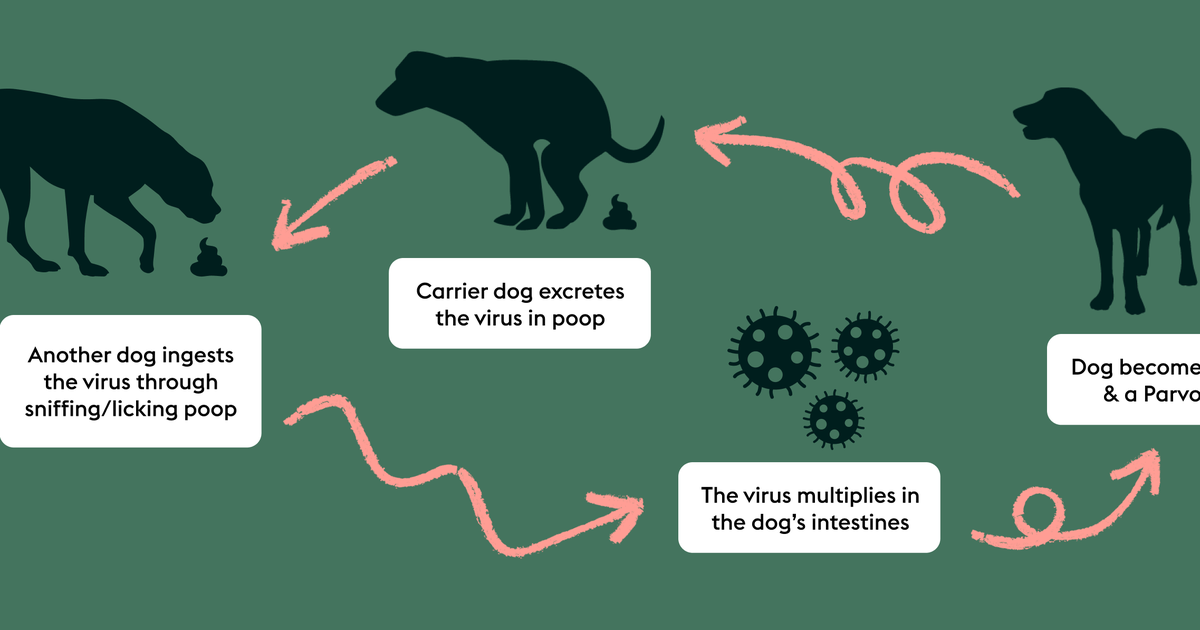
Parvo in dogs and puppies is spread by contact with contaminated feces, but you don’t have to see feces for the virus to be present. It can live on surfaces that have been contaminated, including on:
- The ground
- Kennels
- Peoples’ hands
- Objects
- Clothing
Dogs can also carry parvovirus on their fur or paws if they’ve encountered contaminated material.
Parvovirus in dogs is a highly contagious disease that spreads quickly and efficiently.

Parvovirus can survive in a dog’s environment for months—if not years—and it’s resistant to many disinfectants.
However, it is susceptible to diluted bleach and some specialized cleaners commonly used in veterinary hospitals.
Stages of Parvo in Dogs and Puppies
There are three stages of parvo in dogs and puppies—infection, incubation, and illness.
The puppy (or adult dog) is exposed to parvovirus via fecal material from an infected dog.
It’s important to note that a dog can be infected from the environment (ground or surface) or an object that encountered an infected dog even when the presence of feces is undetected.
There is an incubation period (usually three to seven days) in which the dog is infected with parvovirus but not yet showing symptoms.
During this period, the virus specifically seeks out the most rapidly dividing cells in the body—typically, it starts attacking the tonsils or lymph nodes in the throat. By targeting these rapidly dividing cells, the virus can multiply effectively and efficiently to invade other parts of the dog’s body.
Once parvovirus has multiplied and entered the bloodstream, the virus will seek out other sources of rapidly diving cells. The most hard-hit affected areas are:
- Bone marrow
- Cells that line the walls of the small intestines
In very young puppies, parvovirus can also infect the heart, which causes inflammation of the heart muscle, poor heart function, and arrhythmias.
When parvovirus infects the bone marrow, it attacks the young immune cells, which leads a drop in protective white blood cells.
This weakens the body’s ability to protect itself and allows the virus to invade the gastrointestinal (GI) tract more easily, where the worst damage occurs. The virus attacks the lining of the small intestine, which prevents the dog’s GI tract from being able to:
- Absorb nutrients
- Prevent fluid loss into the stool
- Stop bacteria from moving into the gut wall and then into the bloodstream
This leads to serious health issues.
While parvo in dogs is not always fatal, those that do not survive typically die from dehydration or shock—along with the damage caused by the septic toxins from the intestinal bacteria escaping into the bloodstream.
You NEED To Do This If You Want To Save Your Dog Suffering From Parvo! | Vet Explains
FAQ
Can a dog randomly get parvo?
Can dogs get parvo in their own yard?
To answer your question simply: Yes. If your dog has not been vaccinated and a dog who is carrying the parvo virus has been in the grass, your dog can absolutely get the disease.
Can one dog get parvo and not the other in the house?
Absolutely! Parvo is extremely contageous and will spread to any other dogs who haven’t been vaccinated. And it remains in the soil for a very long time, so if you have Parvo on your premises, make sure any dogs/puppies coming in there are vaccinated.
How does a dog catch parvo at home?
Parvovirus is spread through direct contact with a dog or by contact with contaminated objects. Young puppies are particularly susceptible to the disease as they are more likely to lick or sniff infected objects and also have no immunity prior to their vaccination course.