
If your dog has recently been diagnosed with hip dysplasia, you may be worried about what this means. The good news is that most dogs with hip dysplasia live normal, active lives without any significant impact on their longevity. Its one of the most common hip and joint issues in dogs, and it is treatable in many cases.
Nevertheless, hip dysplasia is a progressive disease and must be managed appropriately to ensure your dog maintains a good quality of life.
The word “dysplasia” is a medical term that means abnormal growth or development. Animals with hip dysplasia are born with normal hip joints, but they experience structural changes to the joints as they grow and develop. Over time, these changes cause problems like joint instability, erosion of the cartilage that cushions the joint, and the development of bone spurs.
Hip dysplasia most commonly affects large breed dogs like German Shepherds, although smaller breeds and cats can also be affected. Symptoms of hip dysplasia can begin in young dogs as early as 5-6 months of age, although many dogs do not develop noticeable signs until later in life.
This condition is most common in large, stocky breeds such as the American Bulldog, St. Bernard, and the Basset Hound. Popular breeds such as German Shepherds, Labs, and Golden Retrievers also have a high incidence of hip dysplasia.
Hip dysplasia—two words that make dog owners’ hearts sink. When my German Shepherd was diagnosed at just 18 months old, I was devastated But guess what? Six years later, he’s still chasing balls (albeit more carefully) and enjoying life! So if you’re wondering if your furry friend can live with hip dysplasia, the answer is a resounding yes—and often for many happy years.
Let’s dive into everything you need to know about managing hip dysplasia in dogs, from understanding what it actually is to practical ways you can help your pup live their best life despite this condition.
What Exactly is Hip Dysplasia in Dogs?
Hip dysplasia isn’t just arthritis or an old dog problem—it’s a specific skeletal condition where the ball and socket of the hip joint don’t fit together properly.
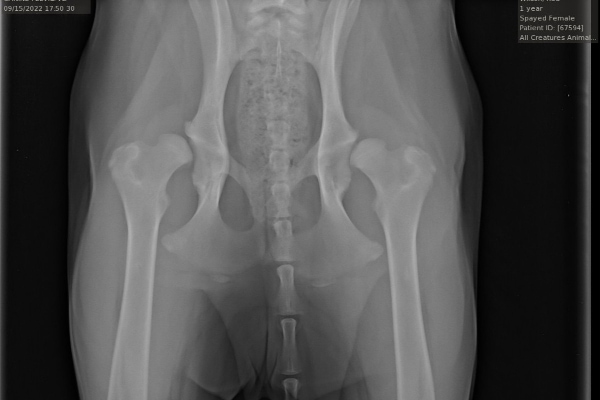
In a normal canine hip, the ball (head of the femur) fits snugly in the socket (acetabulum) of the pelvis and can only move by rotation. But with hip dysplasia, the socket is too shallow, allowing the ball to slip around. This creates abnormal movement that wears away cartilage, eventually leading to painful osteoarthritis.
The condition starts during growth, but you might not notice symptoms until your dog is older—sometimes as young as 4 months, or not until they’re seniors developing arthritis
Can Dogs Actually Live a Normal Life with Hip Dysplasia?
Absolutely! Hip dysplasia is not a death sentence. With proper management, many dogs with hip dysplasia live full, happy lives with a normal life expectancy.
As one rehabilitation vet shared about her patient Vera, a mastiff diagnosed with hip dysplasia as a puppy: “When I last saw Vera she was 4 years old and had no clinical signs of hip dysplasia. She was able to participate in all the activities she enjoyed, and no one observing her would ever know she wasn’t a completely normal dog!”
The truth is, dogs don’t think about being “disabled.” They care about whether they can play, go outside, eat, and be with you. Meeting those needs is what matters most to them.
What Breeds Are Most Likely to Develop Hip Dysplasia?
While any dog can develop hip dysplasia, it’s especially common in larger breeds. Some of the most frequently affected breeds include:
- German Shepherds
- Labrador Retrievers
- Great Danes
- Saint Bernards
- Bulldogs
- Mastiffs
But small breeds can get it too! The condition has a strong genetic component, which is why responsible breeders screen for it.
Recognizing Hip Dysplasia: Signs Your Dog Might Be Suffering
Dogs are masters at hiding pain, so it’s important to know what to look for. Common signs of hip dysplasia include:
- A “bunny-hopping” gait (moving both back legs together)
- Limping that worsens after activity
- Morning stiffness that improves with gentle movement
- Trouble getting up from lying down
- Difficulty climbing stairs
- Decreased muscle mass in back legs compared to front legs
- Reluctance to run or jump
- Standing with rear legs close together
- Loss of thigh muscle mass
- Pain and stiffness
If you notice any of these symptoms, a visit to your vet is in order. They’ll likely perform a physical exam and take X-rays to confirm the diagnosis.
The Stages of Hip Dysplasia
Hip dysplasia typically progresses through three stages, though every dog is different:
Early Stage
- Usually seen in puppies or young adult dogs
- May walk normally but tire quickly
- Occasional limping after play
- Joint looks slightly loose on X-rays
- No major pain, just early joint wear
Moderate Stage
- Limping becomes more frequent
- Noticeable muscle loss in back legs
- Stiffness after rest
- Difficulty jumping or climbing stairs
- Joint damage visible on X-rays
Severe Stage
- Daily pain
- Struggles to stand or walk
- Weak back legs
- Significant muscle loss
- May fall or drag one or both back legs
7 Ways to Help Your Dog Live Better with Hip Dysplasia
The good news? There’s a ton you can do to keep your dog comfortable and mobile for years. Here are my top recommendations:
1. Keep Your Dog at a Healthy Weight
This might be THE most important factor in managing hip dysplasia. Extra pounds put more stress on already painful joints.
Studies have shown that even modest weight loss (just 2-6% of body weight) significantly decreases lameness in dogs with hip dysplasia. For a 50-pound dog, that’s just 1-3 pounds!
I’ve seen dramatic improvements in my clients’ dogs just from shedding a few pounds. Work with your vet to determine your dog’s ideal weight and a safe weight-loss plan if needed.
2. Provide Good Traction
Slippery floors are the enemy of dogs with hip dysplasia! Preventing falls and slides is crucial. Some practical solutions include:
- Carpet runners or yoga mats on slippery floors
- Dog-specific nail grips like Dr. Buzby’s ToeGrips
- Non-slip rugs throughout the house
One of my clients put cheap yoga mats throughout her home, creating “highways” for her Lab with hip dysplasia. It looked a bit silly, but her dog could navigate safely!
3. Start Joint Supplements Early
Several supplements can support joint health and reduce inflammation:
- Omega-3 fatty acids (fish oil)
- Glucosamine and chondroitin
- Green-lipped mussel extract
- Deer antler velvet
While research is still limited, many vets and owners report improvements with consistent use of these supplements. They’re generally safe for long-term use and may help reduce symptoms.
4. Consider Medication Options
For dogs in pain, medications can be lifesavers. Your vet might recommend:
- NSAIDs like Rimadyl or Galliprant
- Adequan injections (a joint fluid modifier)
- Pain medications like gabapentin, amantadine, or tramadol
My dog takes a daily NSAID, and the difference in his mobility is amazing. Don’t hesitate to discuss pain management with your vet—our pups shouldn’t have to suffer!
5. Try Physical Rehabilitation
Rehab (similar to physical therapy for humans) can be incredibly beneficial. A rehab professional might use:
- Laser therapy to reduce joint pain and inflammation
- Massage and joint mobilizations
- Underwater treadmill therapy for low-impact exercise
- Specific exercises to build strength and stability
These approaches can help dogs enjoy better quality of life and may extend their life expectancy following diagnosis.
6. Use Assistive Devices When Needed
As the condition progresses, mobility aids can help:
- Support harnesses like the Help ‘Em Up harness
- Ramps for getting in/out of cars or on furniture
- Dog wheelchairs for rear support
Don’t wait until your dog can no longer walk to consider a wheelchair! Using one part-time during longer walks or when symptoms flare can help preserve muscle and reduce pain.
7. Modify Exercise Appropriately
Dogs with hip dysplasia still need exercise—just the right kind:
- Swimming is excellent (no impact on joints)
- Short, frequent walks on soft surfaces
- Avoid jumping, rough play, and stairs when possible
Surgery Options: When Might They Be Considered?
For some dogs, surgery provides the best outcome. Common surgical options include:
For young dogs (under 10 months):
- Triple pelvic osteotomy (TPO)
- Juvenile pubic symphysiodesis (JPS)
For older dogs with established arthritis:
- Femoral head ostectomy (FHO)
- Total hip replacement (THR)
Surgery isn’t right for every dog, but for those with severe dysplasia, it can dramatically improve quality of life. Talk with your vet about whether your dog might benefit.
Quality of Life: Knowing When to Make Tough Decisions
While many dogs live long, happy lives with hip dysplasia, there may come a time when the condition significantly impacts quality of life.
How do you know? Start by keeping a diary of good days versus bad days. If bad days consistently outnumber good ones despite all treatment efforts, it might be time for a heart-to-heart with your vet.
Signs that might indicate declining quality of life include:
- Uncontrolled pain despite medications
- Inability to get up or move around independently
- Loss of interest in food, family, or favorite activities
- Incontinence related to mobility issues
Remember, euthanasia is sometimes the last kind thing we can do for our beloved companions—but many dogs with hip dysplasia never reach this point and live full lives with proper management.
The Bottom Line: A Positive Outlook
Hip dysplasia doesn’t have to define your dog’s life! With early diagnosis, appropriate management, and lots of love, most dogs with hip dysplasia can live long, happy lives.
I’ve seen countless dogs thrive despite this condition. They adapt remarkably well, especially when we make small accommodations to keep them comfortable and mobile.
So if your pup has just been diagnosed, take a deep breath. With the right approach, there are likely many wonderful years ahead for both of you!
Have you had a dog with hip dysplasia? What worked best for managing their condition? I’d love to hear your experiences in the comments below!
What Causes Hip Dysplasia in Dogs?
Hip dysplasia is a genetic condition, meaning it is passed from parents to offspring. However, its mode of inheritance is complex, and sometimes even normal parents can produce offspring with hip dysplasia.
In addition to genetics, several environmental factors can increase a dog’s risk of developing hip dysplasia. Studies have shown that rapid rates of growth will significantly increase an at-risk puppy’s likelihood of developing hip dysplasia. Feeding puppies diets that are too high in calories, protein, or calcium can predispose them to develop hip dysplasia, as well as several other orthopedic diseases.
Other studies have found that too much or too little exercise during puppyhood may also play a role in this disease.
How to Treat Hip Dysplasia in Dogs
Unfortunately, hip dysplasia is a progressive condition and there is no cure. Your dog may experience worsening symptoms as the joints continue to degenerate. However, there are steps you can take to help slow the progression of the disease and ensure your dog maintains a good quality of life.
Most cases of hip dysplasia are treated medically with supportive therapy. The primary goals of hip dysplasia treatment are to reduce pain and improve mobility. To achieve this,
your veterinarian may recommend treatments such as:
- Anti-inflammatory medications such as NSAIDs
- Medications for pain control
- Joint supplements to reduce inflammation and improve joint health
- Low-impact exercise
- Physical therapy
- Acupuncture
Maintaining a healthy weight is especially important in dogs with hip dysplasia. Because the hip joints are malformed, carrying extra weight on them can be painful for your dog. If your dog is overweight or obese, gradual weight loss using a high-quality diet and strict portion control can significantly improve mobility and quality of life.
In severe cases of hip dysplasia, your veterinarian may recommend surgical procedures to reduce pain and improve function in the damaged joint. There are several different surgeries used for patients with hip dysplasia, and your veterinarian can help you decide which option is best for your dog.
How To Treat Hip Dysplasia In Dogs Without Surgery? | Dr. Wooten Answers…
FAQ
What happens if you don’t treat hip dysplasia in dogs?
What is a non surgical treatment for hip dysplasia?
Can hip dysplasia cause bursitis?
Yes, hip dysplasia can cause bursitis, as the altered joint mechanics and abnormal hip loading that occur with untreated hip dysplasia can lead to inflammation of the hip bursa, a common secondary condition. Specific types of bursitis, like iliopsoas bursitis, are commonly associated with hip dysplasia and may require treatment for the underlying hip condition.
Can hip dysplasia be fixed?
Yes, hip dysplasia can be fixed with treatments that vary by age, including non-surgical methods like bracing and closed reduction for infants and young children, and surgical procedures like periacetabular osteotomy (PAO) for adolescents and adults. The goal of these interventions is to reposition the hip socket (acetabulum) to improve coverage of the ball (femoral head), restore joint function, and prevent future problems like arthritis and the need for hip replacement.