
Is your dog limping or slowing down? Discover 13 early signs that may indicate your dog needs TPLO surgery for a torn cruciate ligament
Let’s face it – watching your furry best friend go through TPLO surgery is stressful enough. The last thing any of us want is to worry about them reinjuring that leg after all the money, time, and emotional energy we’ve invested in their recovery. As someone who’s been through this journey with my own pup, I totally get your concerns about whether a dog can injure a TPLO repair.
The short answer? Yes, but it’s complicated. While the actual TPLO procedure makes it unlikely your dog will tear the same ACL twice in the exact same way, there are other types of injuries that can happen. I’m gonna break down everything you need to know about potential reinjuries how to prevent them, and what to watch for after your dog’s TPLO surgery.
Understanding TPLO Surgery: What Exactly Are We Dealing With?
Before we dive into potential reinjuries, let’s make sure we’re all on the same page about what TPLO surgery actually does.
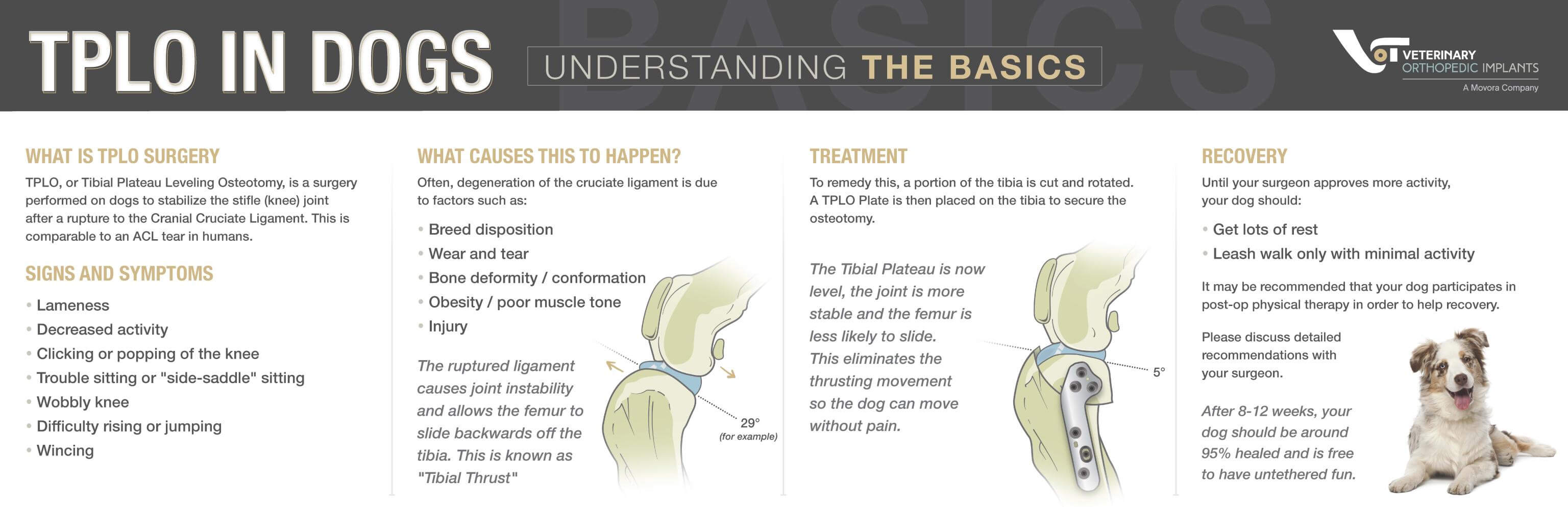
TPLO (Tibial Plateau Leveling Osteotomy) is a surgical procedure designed to treat ACL injuries in dogs Unlike human ACL repairs that typically reconstruct the ligament, TPLO actually changes the biomechanics of your dog’s knee so it can function without the torn ligament The surgeon cuts and rotates the top of the tibia (shin bone), then secures it with plates and screws to create a more level surface.
This is why a dog can’t technically “re-tear” the same ACL after TPLO – the surgery doesn’t repair the ligament but rather changes how the knee works altogether. Pretty clever, right?
Can a Dog Injure a TPLO Repair? The Real Risks
While the original ACL tear won’t happen again in the same way, there are several ways a dog can injure a TPLO repair:
1. Implant Complications
One of the most direct ways a TPLO can be compromised is through problems with the hardware itself:
- Loosening of screws or plates
- Infection around the implants
- Fractures near the implant site
These issues typically happen within the first few months after surgery when the bone is still healing and the hardware is doing most of the work.
2. Micro-Injuries and Repetitive Motion Damage
Dogs can suffer from what veterinarians call “micro-injuries” – small, repeated stresses to the surgical area that might not be noticeable at first but accumulate over time. These can happen from:
- Too much activity too soon
- Jumping or running before fully healed
- Slipping on slick floors
3. Secondary Injuries to Surrounding Structures
Even with a successful TPLO, your dog might injure other parts of the same leg:
- Meniscus tears (the cartilage in the knee)
- Muscle strains around the knee
- Inflammation of the joint
The Bigger Risk: Injuring the OTHER Leg
Here’s the real kicker that my vet warned me about – and I wish I’d taken more seriously. While reinjury of the TPLO leg is possible, the statistics show something even more concerning:
Between 40-60% of dogs who rupture one ACL will rupture the OTHER one within a year.
Why? Well, during recovery, your dog shifts more weight to the “good” leg, putting extra stress on it. Plus, whatever factors caused the first tear (genetics, conformation, activity level) often affect both legs.
This happened to my Bailey – just 8 months after her right leg TPLO, the left one went too. I shoulda been more careful with her activity levels during that critical period!
5 Essential Steps to Prevent Reinjury After TPLO Surgery
1. Follow Your Vet’s Recovery Protocol Exactly
I cannot stress this enough – the recovery timeline exists for a reason! Your dog might look and act fine long before they’re fully healed internally.
Typical TPLO recovery phases:
- First 2 weeks: Strictly limited movement, bathroom breaks only
- Weeks 2-8: Very short, controlled leash walks gradually increasing in duration
- Weeks 8-12: Longer walks but still no running or jumping
- 3-4 months: Gradual return to normal activity if X-rays show proper healing
2. Prevent Slipping at All Costs
This was a game-changer for us. We lined our hardwood floors with yoga mats and non-slip rugs to create “safe pathways” throughout the house. Slipping is one of the most common ways dogs reinjure themselves after TPLO.
Essential slip-prevention measures:
- Carpet runners or yoga mats on slippery floors
- Booties with grip for outdoor walking
- Ramps instead of stairs when possible
- Support harnesses for bathroom breaks
3. Manage Weight Aggressively
Extra weight puts enormous stress on healing joints. Even a few pounds over ideal weight can significantly increase the risk of complications.
During recovery, my vet had us:
- Reduce food portions by about 20%
- Choose lower-calorie treats
- Measure food precisely instead of eyeballing it
- Do weight checks every two weeks
4. Use Proper Support Equipment
The right gear makes a huge difference in preventing reinjury:
- Support harnesses with handles (especially for larger dogs)
- Properly fitted knee braces
- Ramps for getting in/out of cars or onto furniture
- Elevated food and water bowls to reduce strain
5. Consider Supplementation and Physical Therapy
Work with your vet to develop a comprehensive joint support plan:
- Glucosamine/chondroitin supplements
- Omega-3 fatty acids for inflammation control
- Professional canine rehabilitation therapy
- Therapeutic exercises specifically designed for TPLO recovery
Warning Signs Your Dog Has Injured Their TPLO Repair
Keep a close eye out for these red flags that something might be wrong with your dog’s TPLO:
- Sudden return of limping or reluctance to use the leg
- Holding the leg in a partially bent position while standing
- Swelling around the surgery site (some is normal initially, but new swelling later is concerning)
- Noticeable pain when touching the area
- Muscle loss in the affected leg (atrophy)
- Difficulty walking or getting up
- Unusual clicking or popping sounds from the knee
If you notice ANY of these signs, don’t wait – contact your vet immediately. Early intervention can prevent minor issues from becoming major setbacks.
Our Experience with TPLO Complications
I’ll share something personal – when my lab mix Daisy had her TPLO, we thought we were being SO careful. But about 6 weeks post-op, she saw a squirrel during a short potty break and lunged. That one moment set her recovery back by weeks and required additional medication and rest.
The lesson? Even the most vigilant pet parents can face setbacks. The recovery period requires almost superhuman vigilance, especially with young or active dogs.
Long-Term Care to Protect Your Dog’s TPLO
Once your dog is fully recovered (typically 4-6 months post-surgery), the risk of reinjury decreases substantially. But there are still things you should do long-term to protect both knees:
- Maintain ideal body weight (this is probably the MOST important factor)
- Continue joint supplements as recommended by your vet
- Avoid extremely high-impact activities like frisbee catching with sudden stops
- Consider regular low-impact exercise like swimming
- Provide warm-up time before vigorous play
- Use ramps for getting in/out of high vehicles
- Keep up with regular vet check-ups
Is TPLO Worth the Risk of Potential Reinjury?
Despite the possibility of complications, TPLO surgery remains one of the most effective treatments for canine ACL tears, especially in medium to large breed dogs. The success rate is impressive – around 90-95% of dogs return to good or excellent function.
When we compare TPLO to other options:
- Conservative management (rest and medication) – Often results in continued instability and arthritis
- Traditional extracapsular repair – Less effective for large dogs and more likely to fail over time
- TTA (Tibial Tuberosity Advancement) – Similar success rates but different approach
For most dogs, the benefits of TPLO far outweigh the risks when proper post-operative care is followed.
Frequently Asked Questions About TPLO Reinjury
Can a dog tear the same ACL twice after TPLO?
Not exactly. Since TPLO surgery changes the mechanics of the knee so it functions without the ACL, the same ligament can’t be torn again. However, other injuries to the surgical area can occur.
How soon can my dog walk normally after TPLO surgery?
Most dogs can start taking short, controlled walks about 2 weeks after surgery, but normal walking without restrictions typically isn’t recommended until at least 8-12 weeks post-op, depending on your vet’s assessment.
What happens if my dog is too active after TPLO surgery?
Too much activity too soon can cause implant failure, bone fractures, delayed healing, or damage to other structures in the knee. This could potentially require additional surgery or extended recovery time.
Does my dog need physical therapy after TPLO?
While not absolutely required, canine rehabilitation therapy significantly improves outcomes for many dogs. Professional therapy can help build muscle, improve range of motion, and reduce the risk of complications.
How do I know if my dog’s TPLO surgery failed?
Signs of TPLO failure include persistent or returning lameness, inability to bear weight on the leg, visible deformity of the leg, or infection at the surgical site. X-rays would be needed to confirm a failure.
Final Thoughts: Balancing Caution and Quality of Life
Living with a dog recovering from TPLO can feel like walking a tightrope – you’re constantly balancing the need for healing with your dog’s desire to be active and happy. I know from experience that the constant vigilance can be exhausting!
Remember that most TPLO surgeries are successful, and most dogs do not experience serious complications when proper post-operative care is followed. The key is finding that middle ground where you’re protecting the repair while still allowing your dog to enjoy life.
We made it through two TPLOs with our girl, and while the journey wasn’t perfect, seeing her run and play again without pain made every cautious moment worth it. Your dog can get there too with patience, diligence, and the right supportive care.
Have you been through TPLO surgery with your dog? Share your experience in the comments – I’d love to hear what worked (or didn’t work) for your furry friend!
Nerve Damage Leading to Limb Numbness
Nerve damage after TPLO surgery is rare but can happen due to surgical manipulation near major nerve pathways. The peroneal nerve, which controls foot and lower limb function, is most at risk during tibial surgery. In some cases, swelling after surgery can also temporarily affect nerve function.
Symptoms of nerve damage include dragging the paw (knuckling), reduced sensation in the affected leg, lack of response to touch, or an unusual way of walking. Dogs may seem unable to place their foot properly on the ground. In severe cases, they may develop muscle wasting due to not using the limb for a long time.
Prognosis and recovery depend on how severe the nerve injury is. Mild nerve compression from swelling often gets better within weeks as the swelling goes down. Physical therapy, gentle massage, and controlled movement exercises can help with nerve recovery.
Severe nerve damage, such as a completely severed nerve, has a poorer outlook and may require assistive devices or surgery. Close monitoring and early rehabilitation improve the chances of functional recovery.
Help Your Dog Walk Safely
Only allow your dog to walk when absolutely needed, such as going outside for bathroom breaks. Always use a short leash and walk slowly. You can support your dogâs rear end using a towel or sling under the belly, especially for larger dogs.
This reduces strain on the healing leg. Avoid any sudden movements, pulling, or distractions during walks. Controlled support prevents accidents and keeps pressure off the surgical site while your dog gains confidence in using the leg again.