
NOTE: It’s always best to contact your veterinarian for guidance before administering any medication to your pet, including Benadryl.
Benadryl, also known by its generic name, diphenhydramine, is one of the few over-the-counter drugs designed for people that veterinarians may have pet parents administer at home.
You might be looking at using Benadryl for dogs to keep your pup calm, or maybe your dog was stung by an insect and is having a mild allergic reaction.
But while Benadryl is generally well tolerated by dogs and has a wide safety margin, it’s not necessarily the answer to your dog’s issue.
For some dogs, giving Benadryl to calm them may have the opposite effect and make them more anxious. In addition, Benadryl should not be given to animals with certain health conditions or pups taking certain medications.
So, when is Benadryl for dogs effective and safe, and when does your dog need a different treatment?
Benadryl is an antihistamine that prevents H-1 receptors in the body from reacting to histamine. It can also ease nausea and vomiting by inhibiting the chemoreceptor trigger zone (vomiting center) in the brain and reducing the way that the vestibular apparatus (the balance center in the ear) responds to motion.
Veterinarians most commonly recommend that pet parents give their dogs Benadryl to prevent or treat mild allergic reactions and to reduce nausea and vomiting associated with motion sickness or vestibular disease.
Hey fellow dog parents! Today I wanna talk about something that’s been on my mind lately – using Benadryl for our furry friends. If you’ve got a dog with allergies or anxiety, you might have heard about using this common human medication for your pup. But the big question is: can Benadryl make a dog sick? Let’s dive into this topic and explore everything you should know before giving your pooch this medicine.
What Exactly is Benadryl?
Before we get into the nitty-gritty, let’s understand what we’re dealing with. Benadryl is a brand name for diphenhydramine HCl, which is a first-generation antihistamine. It works by blocking histamine receptors in the body, which helps reduce allergy symptoms like itching, sneezing, and inflammation.
Vets often use diphenhydramine for dogs to treat
- Allergies (seasonal, food, environmental)
- Itchy skin and hives
- Insect bite reactions
- Travel anxiety
- Motion sickness
Yes, Benadryl Can Make Dogs Sick – Here’s How
While Benadryl is generally considered safe for dogs when used correctly, it absolutely can make your dog sick in certain situations. There are several ways this can happen:
Common Side Effects of Benadryl in Dogs
Even when given at appropriate doses, Benadryl can cause these side effects:
- Drowsiness – This is probably the most common side effect and can make your dog seem unusually tired or lethargic
- Dry mouth – Your dog might drink more water than usual
- Urinary retention – Some dogs may have difficulty peeing
- Increased heart rate – You might notice your dog’s breathing seems faster
- Hypersalivation – Excessive drooling can occur
- Vomiting and diarrhea – Gastrointestinal upset isn’t uncommon
- Decreased or increased appetite – Your dog’s eating habits might change
Most of these side effects occur within the first hour after giving Benadryl, so keep a close eye on your pup during this time.
Serious Concerns: Allergic Reactions and Overdose
This is where things get more serious. According to an update from July 30, 2025, some dogs can develop an allergic reaction to Benadryl itself. If your dog shows signs of an allergic reaction, you need to seek veterinary care immediately.
Signs of Benadryl allergic reactions may include
- Hives
- Facial swelling
- Difficulty breathing
- Collapse
An overdose of Benadryl is even more dangerous. Signs of Benadryl poisoning include:
- Agitation and aggression – Your normally calm dog might become anxious or aggressive
- Abnormal heart rate – This could be either too fast or irregular
- Dilated pupils – The dark centers of your dog’s eyes might appear larger
- Muscle tremors – You might notice shaking or trembling
- Seizures – In severe cases, your dog might have convulsions
- Difficulty breathing – Watch for labored breathing or respiratory distress
- Fever – An elevated body temperature
- Hyper-excitability – This can actually be fatal in severe cases
Dosage Matters: How Much is Too Much?
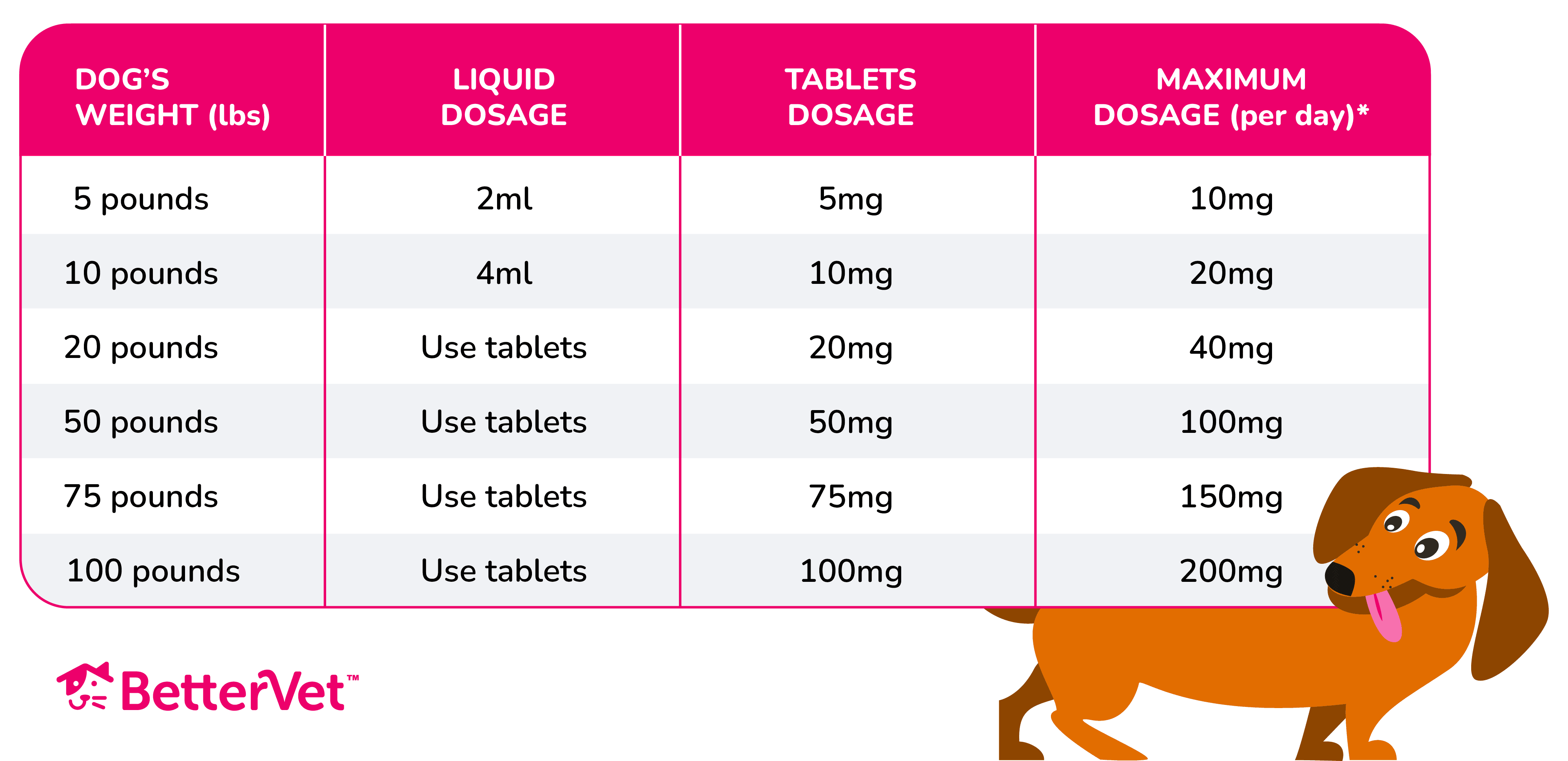
The correct dosage of Benadryl for dogs is generally 2-4 milligrams per kilogram of body weight, given 2-3 times daily. However, this can vary depending on your dog’s specific situation.
I once gave my terrier just a tiny bit more than the recommended dose (totally by accident!), and he was walking into walls for hours. It was scary! This is why it’s super important to follow your vet’s guidance exactly.
Overdose Scenarios
Benadryl overdoses in dogs typically happen in one of two ways
- Accidental ingestion – Your dog gets into a box of Benadryl from the trash or medicine cabinet
- Owner error – Giving too high a dose or too frequent administration
In one case I read about on a veterinary site, a 15-pound Chihuahua ate 5 Benadryl tablets that fell on the floor. While the dog was okay (just extra sleepy), this was definitely more than the recommended dose and could have been dangerous.
When Benadryl Might Not Be Safe for Your Dog
Benadryl isn’t appropriate for all dogs. You should never give Benadryl to dogs with these conditions without veterinary approval:
- Glaucoma
- Cardiovascular disease
- Hypertension (high blood pressure)
- Hypothyroidism
- Seizure disorders
- Pregnancy
- Allergic lung disease
- Liver disease
- Urinary retention disorders
Also, Benadryl can interact with other medications, including:
- Tranquilizers
- Heparin
- Epinephrine
- Barbiturates
Always tell your vet about any other medications your dog is taking!
What To Do If Benadryl Makes Your Dog Sick
If you suspect your dog is having a reaction to Benadryl or has consumed too much, here’s what to do:
- Call your vet immediately – Don’t wait to see if symptoms improve
- Gather information – Know how much they took and when
- Bring the packaging – This helps your vet understand exactly what was consumed
- Don’t induce vomiting without veterinary guidance – This can sometimes make things worse
Treatment for Benadryl Poisoning
If your dog does experience Benadryl poisoning, treatment may include:
- Activated charcoal to absorb the toxin
- Gastric lavage (stomach pumping) in severe cases
- IV fluids to prevent dehydration
- Medications to control tremors and heart rate
- Close monitoring of vital signs
The cost of treating Benadryl poisoning typically ranges from $200 to $500, according to veterinary sources. This is definitely not a cost any of us want to incur if we can avoid it!
Safer Alternatives to Consider
If you’re concerned about Benadryl making your dog sick, there are alternatives:
- Other antihistamines – Chlorpheniramine, Clemastine, or Hydroxyzine may be better options for some dogs
- Natural remedies – Some pet owners find success with CBD oil or herbal supplements (with vet approval)
- Environmental management – Reducing exposure to allergens through frequent bathing, air purifiers, etc.
- Prescription medications – Your vet might recommend specialized medications for allergies
My Personal Experience
I’ve used Benadryl for my Lab mix when she had a reaction to a bee sting, and it worked great with no side effects. But my neighbor’s Beagle got super drowsy and wobbly after taking it for seasonal allergies. Each dog is different!
The most important thing I’ve learned is to ALWAYS consult with my vet before giving any medication – even one that’s commonly used like Benadryl.
Important Precautions When Using Benadryl
If you and your vet decide Benadryl is appropriate for your dog, follow these tips:
- Never use time-release capsules – These are absorbed differently in dogs and can cause overdose
- Avoid liquid Benadryl containing sodium – This can cause additional side effects
- Always check the ingredient list – Some Benadryl products contain additional ingredients like phenylephrine that can be dangerous for dogs
- Never use Benadryl products containing xylitol or alcohol – These are toxic to dogs
- Keep all medications out of your dog’s reach – Many overdoses happen when dogs get into medicine cabinets or purses
Final Thoughts: Balancing Benefits and Risks
So, can Benadryl make a dog sick? Absolutely. But when used correctly, under veterinary guidance, it can also be a helpful tool for managing certain conditions in dogs.
The key takeaways:
- Always consult your vet before giving Benadryl to your dog
- Follow dosage instructions precisely
- Monitor your dog carefully after administration
- Be aware of potential side effects and know when to seek help
- Consider alternatives if your dog has had negative reactions
Remember that what works for one dog might not work for another. Your vet is your best resource for determining if Benadryl is right for your furry friend.
Have you ever given your dog Benadryl? I’d love to hear about your experiences in the comments below! And if you’ve found this article helpful, please share it with other dog owners who might benefit from this information.
Stay safe and give your pups a belly rub from me!
Disclaimer: I’m not a veterinarian, just a passionate dog owner sharing research and experiences. This article isn’t meant to replace professional veterinary advice. Always consult with your veterinarian before giving your dog any medication.
Can Benadryl Be Used for Dog Allergies?
Taken orally, Benadryl for dogs can help ease mild allergic symptoms to common triggers such as pollen, mold, and house mites, particularly if it’s used in combination with other allergy treatments.
Benadryl can also be used for mild allergic reactions to insect bites or stings. Oral or injectable Benadryl can be used as a pre-treatment for mild allergic vaccine reactions.
But if your pet is having an acute allergic reaction with facial swelling or difficulty breathing, take them straight to the vet. Severe allergic reactions can be life-threatening in dogs.
Dogs often require aggressive supportive care and treatment with steroids and epinephrine in addition to Benadryl.
Is Benadryl Safe for Dogs?
Typically, Benadryl is very well-tolerated in dogs, with few side effects and a low risk of overdose when used correctly.
But the reason why you still need to check with your veterinarian is because there are safety risks if your dog has certain health conditions or takes certain medications.
Some instances in which Benadryl should not be used (or should be used with caution) include:
- Cardiac conditions (cardiovascular disease)
- Some lung conditions
- Difficulties urinating
- In conjunction with certain medications, including monoamine oxidase inhibitors, and some drugs used to treat fungal infections
Benadryl For Dogs? Dr. Dan Explains
FAQ
Can you give a dog too much Benadryl?
While Benadryl can be safe for dogs when given in the appropriate dosage, too much of this medication can have serious side effects on your furry friend. One of the most common side effects of giving your dog too much Benadryl is drowsiness. Just like in humans, an overdose of Benadryl can cause your dog to become extremely sleepy and lethargic.
Can Benadryl cause fear in dogs?
Dr. Selmer: The most common side effects of Benadryl are lethargy, dry mouth and urine retention. Diarrhea, vomiting and decreased appetite are possible, but not common. There is no evidence that Benadryl will cause fear in dogs. Interestingly enough, there is evidence of excitement as a side effect in some cats.
Can I give my Dog Benadryl If I have allergies?
Yes, Benadryl can be used to help alleviate allergies in dogs. However, it is essential to consult with a veterinarian for proper dosage and monitoring of side effects. 2. How much Benadryl can I give my dog? The recommended dosage of Benadryl for dogs is 1 mg per pound of body weight, given every 8-12 hours.
Can dogs eat Benadryl cream?
Here’s why it’s best to avoid the cream: Risk of Ingestion: Dogs are naturally inclined to lick at their itchy spots, and if Benadryl cream is applied to their skin, they may ingest it accidentally. This can lead to mild to severe side effects like gastrointestinal upset or, in rare cases, toxicity.
Can Benadryl cause diarrhea in dogs?
4. Rapid heart rate: In some cases, Benadryl can cause an increased heart rate in dogs, which can be concerning for pet owners. Monitoring your dog’s heart rate while on Benadryl is important. 5. Vomiting and diarrhea: Benadryl can also cause gastrointestinal upset in dogs, leading to symptoms such as vomiting and diarrhea.
What are the side effects of Benadryl for dogs?
Although considered a safe medication, your dog can still experience negative side effects on Benadryl, including: Central nervous system depression, including lethargy and sedation. Constipation, dry mouth and urinary retention. Gastrointestinal effects, including diarrhea, vomiting and anorexia.
Can Benadryl make a dog throw up?
Benadryl (diphenhydramine) at 25 mg can cause drowsiness, dry mouth, or mild stomach upset in a 19 lb dog. Monitor for excessive sedation, vomiting, or agitation. Ensure fresh water is available and avoid additional doses without veterinary advice.
How much Benadryl is too much for a dog?
There is not a known lethal dose of Benadryl for dogs (ie no dog has ever died of Benadryl) but dogs can tolerate up to 20-30 mg/kg with mild sedation and gastrointestinal upset being the only adverse effects expected. Pheobe received a 5.6mg/kg dose, so no where near the dose at which symptoms would be expected.
What dog breeds are sensitive to Benadryl?
Certain breeds, such as bulldogs, pugs and other brachycephalic dogs, are more sensitive to antihistamines. If your dog takes other medication, seek veterinary guidance before giving it Benadryl.