
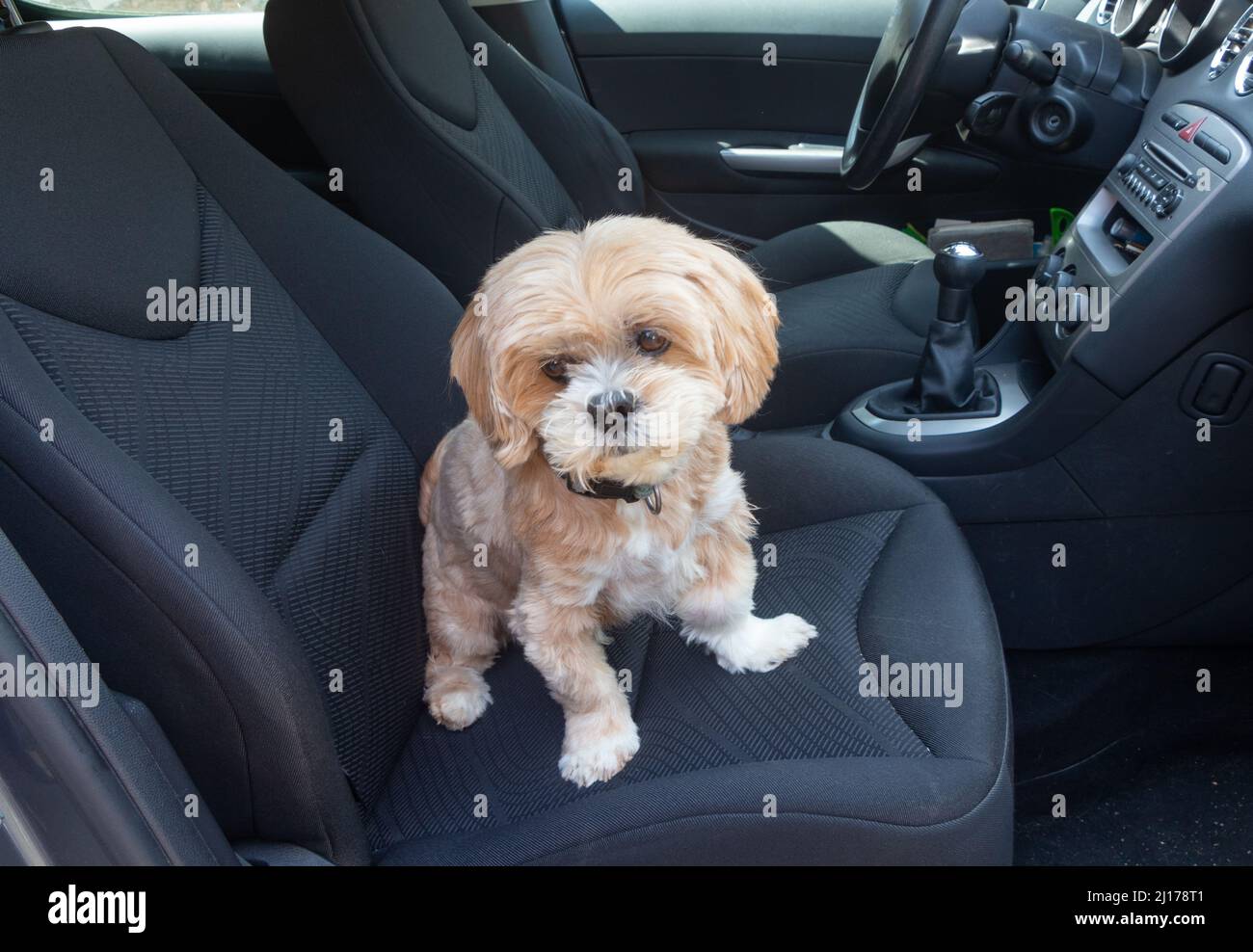
Few activities are as satisfying as adventuring with your dog on the open road. With the windows down, you and your faithful companion can breathe in natures bouquet while leaving your cares behind. But can your dog sit in the front seat while traveling?
Adventuring doesnt mean you forget about safety. Whether making a quick trip to the nearest ice cream shack or driving to the other side of the country on a weeks vacation, traveling safely with your beloved pet should be first and foremost in your mind.
Have you ever glanced over at a car next to you and spotted a happy doggo with its head out the window in the front passenger seat? It’s an adorable sight, but is it actually safe or legal? As a pet parent who loves road trips with my furry companion, I’ve always wondered about this common practice that so many of us do without thinking twice.
The short answer? While it’s not explicitly illegal in most states for your dog to sit in the front passenger seat, it’s generally not the safest option for your pet or for you as the driver. Let’s dig deeper into this topic so you can make the best decision for your four-legged friend on your next adventure.
The Legal Side: State Laws and Local Regulations
When it comes to the legality of having your pup ride shotgun, there’s no single federal law dictating where dogs can sit inside vehicles. Instead, this is governed at the state level, with approaches varying significantly across the country.
State-Specific Laws to Be Aware Of
- New Jersey requires pets to be properly restrained in moving vehicles
- Hawaii specifically prohibits drivers from having an animal on their lap
- Most other states don’t have specific restraint laws for the passenger cabin
- Many states do have laws about animals in open-air vehicles like truck beds
Beyond state laws, local ordinances from cities and counties might impose stricter rules. For example, a city might prohibit transporting an animal in an open pickup bed even if the state law is less restrictive. This patchwork of regulations means you should check the specific rules for areas where you’ll be driving.
Distracted Driving Laws Can Still Apply
Even in places without specific pet transportation laws, having an unrestrained dog in the front seat could still lead to a traffic citation under broader statutes against:
- Distracted driving
- Obstructed view
- Interference with vehicle controls
Law enforcement officers have discretion to determine if your pet’s presence is creating a hazard. If your dog jumps on your lap, blocks your view, or interferes with your ability to steer, you could face consequences even without breaking a specific “dog in car” law.
Safety Concerns: Why the Front Seat is Risky
Legal considerations aside, there are several important safety reasons why the front passenger seat isn’t ideal for your furry friend:
The Airbag Danger
The most significant safety risk comes from passenger-side airbags These safety devices are designed for human adults and deploy with tremendous force during a collision
- Airbags can deploy at speeds as low as 8-14 mph
- The force is strong enough to seriously injure or even kill a dog
- Smaller dogs are at even greater risk due to their size
As one pet safety expert put it: “An airbag doesn’t only inflate; it actually explodes due to built-up gases. Adults often experience burns, fractures, and eye injuries when an airbag deploys. Imagine what can happen to your fluffy companion that’s significantly smaller in stature than you.”
Distraction Factor
Even the most well-behaved dogs can be unpredictable in a vehicle. Your dog might:
- Suddenly move or jump
- Bark at something outside
- Try to climb on your lap
- Swat their tail in excitement
Any of these normal dog behaviors can momentarily distract you from the road, which is all it takes for an accident to happen. Studies have shown that drivers with unrestrained pets are significantly more distracted than those without pets or with properly secured animals.
Risk of Injury in Sudden Stops
Without proper restraint, even a minor sudden stop can send your dog flying within the vehicle, potentially causing:
- Injuries to your pet
- Injuries to you or passengers
- Increased risk if your dog bolts after an accident
Potential Penalties for Violations
If you do decide to let your furry friend ride in the front passenger seat against regulations be aware of the possible consequences
Financial Penalties
- In New Jersey, fines for unrestrained pets range from $250 to $1,000
- Hawaii imposes a $97 fine for driving with a dog on your lap
- Under broader distracted driving laws, tickets can cost up to $500 in some states
Insurance Implications
If an accident occurs and your unrestrained pet is found to have contributed to it, your insurance company might deny your claim, leaving you financially responsible for damages.
Animal Cruelty Considerations
There’s also a more serious legal aspect to consider: if your unrestrained pet is injured or killed in an accident, you could potentially face animal cruelty or neglect charges. Penalties can include:
- Fines up to $5,500
- In severe cases, potential jail time
Safer Alternatives for Traveling With Your Dog
So if the front passenger seat isn’t ideal, what are the better options for bringing your furry friend along for the ride?
Pet-Specific Car Seats and Restraints
Several products are specifically designed to keep your dog safe during car travel:
Safety Car Seats
- Elevate smaller dogs for better views
- Secure to the vehicle’s seat belt system
- Include tethers to attach to your dog’s harness
- Provide stability to reduce car sickness
Dog Seat Belts and Harnesses
- Work with your vehicle’s existing seat belt system
- Distribute force across your dog’s body in case of sudden stops
- Allow some freedom of movement while maintaining safety
Crates and Carriers
For many dogs, especially those already crate-trained, a secured travel crate is an excellent option:
- Provides a sense of security for anxious dogs
- Prevents movement around the vehicle
- Offers protection in case of an accident
- Should be secured to prevent sliding
Backseat Barriers
If you have a larger dog that doesn’t fit well in a crate or carrier, consider:
- Travel safety barriers that prevent access to the front seats
- Cargo area covers for SUVs and hatchbacks
- Door protectors to prevent damage from your dog’s nails
Solutions for Different Dog Sizes
Your dog’s size will impact which safety solution works best:
Small Dogs (under 20 lbs)
Small pups have several good options:
- Booster seats that allow them to see out the window
- Portable pet console carriers
- Secured carriers in the backseat
Medium Dogs (20-50 lbs)
Medium-sized dogs might benefit from:
- Larger backseat boosters designed for their weight
- Safety harnesses with vehicle seat belt attachments
- Secured medium-sized crates
Large and X-Large Dogs (50+ lbs)
For those giant fluffballs like Great Danes or Newfoundlands:
- The cargo area of SUVs with proper protective covers
- Heavy-duty vehicle barriers
- Extra-large crash-tested crates (if they fit)
As one product description notes: “Humongous dogs will be hard to pack into a pet safety seat, much less your back seat. Consider turning the back end of your car into a cozy and protected area for your dog while protecting your car.”
Benefits of Properly Securing Your Dog
Taking the time to secure your dog properly during travel offers several advantages:
- Reduced Anxiety: Many dogs actually experience less stress when properly secured, as they’re not sliding around with every turn
- Less Car Sickness: A stable position reduces the motion that can trigger nausea
- Easier Control: A secured dog can’t jump into the front seat or interfere with driving
- Peace of Mind: You can focus on driving knowing your pet is safe
Tips for Training Your Dog to Accept Car Restraints
If your dog isn’t used to being restrained in the car, here are some tips to help with the transition:
- Start Slow: Begin with short trips to positive destinations like parks
- Use Treats and Praise: Create positive associations with the restraint system
- Practice at Home First: Let your dog get comfortable with the harness or carrier before using it in the car
- Gradual Introduction: Start with just a few minutes of restraint, then gradually increase the time
Final Thoughts: Making the Right Choice for Your Furry Friend
While it might be tempting to let your dog ride shotgun and enjoy those adorable moments together, the potential risks—both legal and safety-related—make it worth considering safer alternatives.
Remember that adventuring with your dog should be fun and relaxing, but safety has to come first. Keeping your pup secure in the backseat helps ensure everyone has a more enjoyable and safe experience. And isn’t your furry travel buddy worth that little bit of extra effort?
I’ve personally switched to using a backseat dog hammock with a harness attachment for my Lab mix, and though she initially seemed disappointed not to ride shotgun, she quickly adapted and now seems much more relaxed during our road trips. Plus, I no longer worry about her flying forward if I have to brake suddenly!
Whether you’re making a quick trip to the dog park or heading out on a cross-country adventure, taking the time to properly secure your dog is an act of love that helps ensure many more happy travels together in the future.
What method do you use to keep your dog safe during car rides? I’d love to hear about your experiences in the comments below!
Pet Safety for Large and X-Large Dogs
Humongous dogs, like an English Mastiff, Great Dane, St. Bernard, or Newfoundland, will be hard to pack into a pet safety seat, much less your back seat. So what do you do for your giant fluffball? Consider turning the back end of your car into a cozy and protected area for your dog while protecting your car.
The K&H Quilted Cargo Cover is the perfect protector for your cars cargo area. It gives your “larger-than-life” pup a place to relax while on the go and protects your car from anything your dog might leave behind. The K&H Travel Safety Barrier keeps your dog in the backseat where she belongs and offers a safety barrier between the driver and your dog at all times. And the K&H Vehicle Door Protector protects your cars doors against damage from your dogs large, thick nails.
Keep Your Pup Safe with a Car Seat
So what is the best way to travel safely with your dog? Crates are a good option, especially if your dog is comfortable with crate training. However, a crate may move around in the back of a vehicle, and an untethered dog is more likely to get car sick or injured. One of the better options for pet travel is using a pet-specific car seat, specifically one that tethers your dog to a belted carrier. Pet seats help keep your dog stationary and secure during travel.
With all the options available, its essential you do your research to find the best pet car seat for your dog. K&H dog car seats and pet booster seats provide distraction-free driving and enhance your pets quality of life by giving them a secure and comfortable place near you when youre on the go. A few seats to consider include:
- The K&H Travel Safety Carrier buckles into the seatbelt and folds flat for easy transport and storage. Its mesh panels allow for multiple viewing angles — perfect positioning for a dog to enjoy the views!
- The K&H Bucket Booster Pet Seat elevates your pet, providing a better view of the open road. The seat is secured into any vehicles seatbelt, features removable, washable covers, and includes tethers to secure your pets harness. Because this seat is compatible with any car seat, buckling your pet securely to your vehicles interior is easy. Its curved back ensures a more secure fit in any car.
- The K&H Bucket Booster Rectangle Pet Seat comes in sizes small and large. The small bucket booster is recommended for small pets, and the large booster can fit two small pets or one medium-sized dog. The seat buckles into the seatbelt and includes two adjustable tethers to attach to your dogs harness for added safety.
- The K&H Buckle n Go Pet Seat is quick to install and includes a tether that fastens to the seatbelt and connects to your dogs harness. This seat works for larger dogs because it doesnt have a weight limit.
- The K&H Portable Pet Console Booster Dog Car Seat is an excellent option if you and your small dog are constantly on the go. This seat allows for effortless transport. This carrier sits perfectly secure on any console and doubles as a fully enclosed mesh carrier.
Can My Dog Ride in the front seat?
FAQ
Is it safe for a dog to sit in the passenger seat?
If you allow your dog to sit in the front passenger seat, it is advised to turn off the passenger airbags. The airbags are very powerful when deployed, and that is why it is unsafe for dogs to ride there due to accidents happening suddenly.
Can you ride a car with a dog in the front seat?
Many states have laws against having a pet with you at the front seat, as it is referred to as distracted driving. The front passenger seat is a no-go zone for dogs and pets in general. There are safer ways to ride in the car with your dogs, such as a travel harness, carrier, or even a crate. Be sure to be wise when riding the car with your dog!
Where should a dog sit on a car ride?
However, the best and recommended place for your dog to ride is in the back seat. 3. Comfort Sitting upright during a car ride, especially if it is a long one, would not be the most comfortable posture for your dog. The front passenger seat is only equipped for sitting upright.
Can a dog sit upright during a car ride?
Sitting upright during a car ride, especially if it is a long one, would not be the most comfortable posture for your dog. The front passenger seat is only equipped for sitting upright. When going on long car rides, dogs need just as much comfort and support as we do for their bodies to prevent them from starting to lash out.
Can a dog sit in the front seat?
In addition to legal concerns, you should note that pets sitting in the front seat can be a distraction that could result in an accident. Keep reading to learn more about how to drive safely and legally with your companion animal.
What happens if a dog eats a passenger seat?
For example, if you have your dog in the front passenger seat and then get into an accident, your dog’s weight on the passenger seat will signal to the airbag that is in front of that seat that it needs to inflate. Which will cause serious injuries to your dog, especially because the airbags deploy at a force of 200 miles per hour.
Is it illegal for a dog to sit in the front seat?
That may mean using a dog seat belt or ensuring that your dog is in a crate in the back of the vehicle, depending on your dog’s size and comfort level. Having your dog ride in the front seat unrestrained may violate those laws.
Can my dog be in the front passenger seat?
Dogs are not generally allowed in the front seat for safety reasons. Airbags can be dangerous for pets, and the front seat can be distracting for drivers. It’s safer for your dog to ride in the back seat, either in a crate, carrier, or using a seat belt harness designed for dogs.
What are the laws around dogs in cars?
Legal obligations when travelling with dogs
It is illegal to: put dogs in the boot of a sedan type car. leave an animal unattended inside a car for more than 10 minutes when outside temperatures are at or above 28 degrees Celsius. transport a dog if it is not appropriately tethered or caged on back of ute or trailer.
Where should your dog sit in the car?
Dogs should ride in the back seat or cargo area of a car, secured with a crash-tested harness and tether, a crate, or a carrier. This placement prevents driver distraction, protects your dog from potential injury by airbags and during an accident, and ensures they don’t get ejected from the vehicle.