
If youâve ever wondered if your dog can eat carrots, the answer is yes! Carrots are not only safe for dogs, but they also offer lots of health benefits for your pup.
Carrots have good amounts of essential vitamins, minerals, and fiber, making them a nutritious and low-calorie snack for dogs, no matter the breed or size. Their natural crunch creates an entertaining dining experience for our dogs. Whether they are served raw, cooked, or frozen, carrots can be a healthy and tasty part of your dogâs diet .
But just like with any other treat, there are some risks to consider. While carrots are generally safe, they can be dangerous if not prepared well. Additionally, feeding too many carrots at once can lead to stomach pain because of the fiber content.
Fortunately, weâre here to help you know all about carrots and how to prepare them for your pup.
Have you ever shared your crunchy orange snack with your furry friend, only to deal with a messy aftermath? If you’re wondering “can carrots give dogs diarrhea,” you’re not alone! As a dog owner myself, I’ve faced the confusing world of canine nutrition and those unexpected tummy troubles that leave us cleaning up messes and worrying about our pups
Carrots are often touted as a healthy treat for dogs – low in calories, crunchy, and packed with nutrients. But can too many carrots send your pooch running for the backyard multiple times? Let’s dig into this orange veggie dilemma and find out what’s really going on!
The Truth About Carrots and Your Dog’s Digestive System
Carrots are generally safe and healthy for dogs to eat They contain beneficial nutrients like beta-carotene (which converts to vitamin A) and are relatively low in calories compared to commercial dog treats, Many veterinarians actually recommend them as a healthier alternative to processed treats
BUT – and this is important – carrots can potentially cause digestive upset including diarrhea in some dogs Here’s why this happens
Why Carrots Might Cause Diarrhea in Dogs
-
High Fiber Content: Carrots are rich in fiber, which is normally a good thing! However, if your dog consumes a large quantity of fiber suddenly, especially when they’re not used to it, their digestive system might respond with loose stools or diarrhea.
-
Sudden Dietary Changes: Dogs have sensitive stomachs, and introducing any new food abruptly – even healthy ones like carrots – can trigger digestive upset. This is particularly true if they eat “a lot” of carrots at once.
-
Individual Sensitivity: Just like humans, dogs have unique digestive systems. Some pups might be more sensitive to certain foods than others. Your neighbor’s dog might happily munch carrots all day with no issues, while your pooch might get the runs from just a few pieces.
I remember when my Lab mix, Cooper, got into the vegetable drawer and helped himself to almost a pound of baby carrots. Let’s just say the next 24 hours were… eventful. Lesson learned about securing the fridge door!
How Many Carrots Can Dogs Safely Eat?
The key to avoiding carrot-related diarrhea is moderation. But what exactly does “moderation” mean when it comes to feeding carrots to your dog?
Here’s a simple guideline to follow:
| Dog Size | Recommended Carrot Amount |
|---|---|
| Small (under 20 lbs) | 1-2 baby carrots or 2-3 small slices |
| Medium (20-50 lbs) | 3-4 baby carrots or 4-5 slices |
| Large (over 50 lbs) | 5-6 baby carrots or a few more slices |
Remember, these amounts are for occasional treats, not daily consumption. Treats of any kind (including carrots) should make up no more than 10% of your dog’s daily caloric intake.
Safe Ways to Feed Carrots to Dogs
How you prepare and serve carrots can make a difference in whether they cause digestive issues for your dog. Here are some vet-approved ways to serve carrots:
Raw Carrots
- Wash thoroughly to remove dirt and pesticides
- Cut into appropriate-sized pieces to prevent choking (especially important for small dogs!)
- Start with small amounts to see how your dog’s stomach responds
Cooked Carrots
- Steamed or boiled carrots (no seasonings, especially no onions or garlic)
- Allow to cool completely before serving
- May be easier to digest for some dogs than raw carrots
Frozen Carrots
- Can be soothing for teething puppies
- Should be size-appropriate to prevent choking
- Monitor your dog while they enjoy this crunchy treat
I’ve found that my older dog prefers slightly steamed carrots – they’re easier on his teeth but still have that satisfying crunch he loves!
What to Do If Your Dog Gets Diarrhea from Carrots
If you’ve given your dog carrots and now they’re experiencing diarrhea, don’t panic! Here’s what you should do:
Immediate Steps:
-
Remove Carrots From the Diet: Stop giving carrots (and any other new foods) immediately.
-
Ensure Hydration: Make sure your dog has access to plenty of fresh water. Diarrhea can lead to dehydration, which can be dangerous.
-
Offer a Bland Diet: A temporary diet of plain boiled chicken and white rice (in a 1:2 ratio) can help settle your dog’s stomach.
-
Monitor Closely: Keep an eye on your dog’s condition and stool consistency. Most mild cases of diarrhea resolve within 24-48 hours.
When to Call the Vet:
- Diarrhea persists for more than 24 hours
- You notice blood in the stool
- Your dog appears very lethargic or uncomfortable
- Vomiting occurs alongside diarrhea
- Your dog shows signs of dehydration (dry gums, loss of skin elasticity)
Prevention is Better Than Cure
To avoid carrot-related tummy troubles in the future, follow these simple guidelines:
1. Introduce Gradually
Start with just a small piece of carrot and observe how your dog responds over the next 24 hours before offering more.
2. Proper Preparation
Always cut carrots into appropriate sizes:
- For small dogs (under 20 lbs), carrots should be cut into small, thin slices or tiny cubes
- Baby carrots can be a choking hazard for small breeds if not cut up
- Even large dogs should have carrots cut or broken into manageable pieces if they tend to gulp their food
3. Consider Your Dog’s Dental Health
If your dog has dental issues, lightly steamed carrots might be gentler on their teeth while still providing nutritional benefits.
4. Variety is Key
Don’t make carrots the only vegetable you offer. Other safe veggies for dogs include:
- Green beans
- Cucumber slices
- Peas (avoid canned due to sodium)
- Broccoli (in small amounts)
Beyond Diarrhea: Other Benefits of Carrots for Dogs
When fed properly, carrots offer several health benefits for dogs:
- Dental Health: The crunchy texture can help clean teeth naturally
- Eye Health: Beta-carotene supports vision health
- Low-Calorie Treat: Great for dogs on weight management plans
- Mental Stimulation: Frozen carrots can provide engaging chewing activity
We use carrot pieces in our dog’s puzzle toys, and he loves the challenge of fishing them out!
Real-Life Experience: My Carrot Catastrophe
I think sharing my own experience might help illustrate why moderation matters. Last summer, I was prepping a big batch of carrot sticks for a party and dropped a handful on the floor. My beagle mix, Lucy, swooped in like a vacuum cleaner before I could stop her. She probably ate about 5-6 whole carrots in under a minute!
That night and the next morning were… rough. She had diarrhea several times, and looked pretty miserable. I called my vet, who reassured me that it was likely just too much fiber at once and to monitor her. After a day of chicken and rice and plenty of water, she was back to normal.
The lesson? Even healthy foods can cause problems when consumed in excessive amounts!
FAQs About Carrots and Dog Diarrhea
Q: Can puppies eat carrots safely?
A: Yes, puppies can eat carrots, but they should be cut into very small pieces to prevent choking. Introduce any new food gradually and in small amounts.
Q: Are cooked or raw carrots better for dogs?
A: Both are safe, but some dogs digest cooked carrots more easily. Raw carrots provide more dental benefits but might be more likely to cause digestive upset if eaten in large quantities.
Q: Can carrot tops (greens) give dogs diarrhea?
A: Carrot tops are actually safe for dogs to eat in moderation. Like the orange part, they’re high in fiber and should be introduced slowly.
Q: How long does carrot-induced diarrhea typically last?
A: If diarrhea is caused solely by eating too many carrots, it typically resolves within 24 hours once the carrots are out of the system. If it lasts longer, consult your veterinarian.
Q: Are there any dogs who shouldn’t eat carrots?
A: Dogs with certain gastrointestinal conditions might need to avoid high-fiber foods like carrots. Always check with your vet if your dog has existing health issues.
Final Thoughts on Carrots and Canine Digestion
So, can carrots give dogs diarrhea? The answer is yes, they can – but usually only when fed improperly or in excessive amounts. When introduced gradually and fed in appropriate quantities, carrots are a nutritious, low-calorie treat option for most dogs.
Remember the golden rule of pet nutrition: moderation is key! Keep treats (including healthy ones like carrots) to no more than 10% of your dog’s daily caloric intake, and you’ll be on the right track.
At our house, we’ve found the sweet spot with carrots – just enough to make our pups happy without any digestive drama. With the right approach, you can make carrots a healthy part of your dog’s treat rotation too!
Have you experienced any carrot calamities with your furry friend? Or have they benefited from adding this crunchy veggie to their diet? We’d love to hear your stories in the comments!
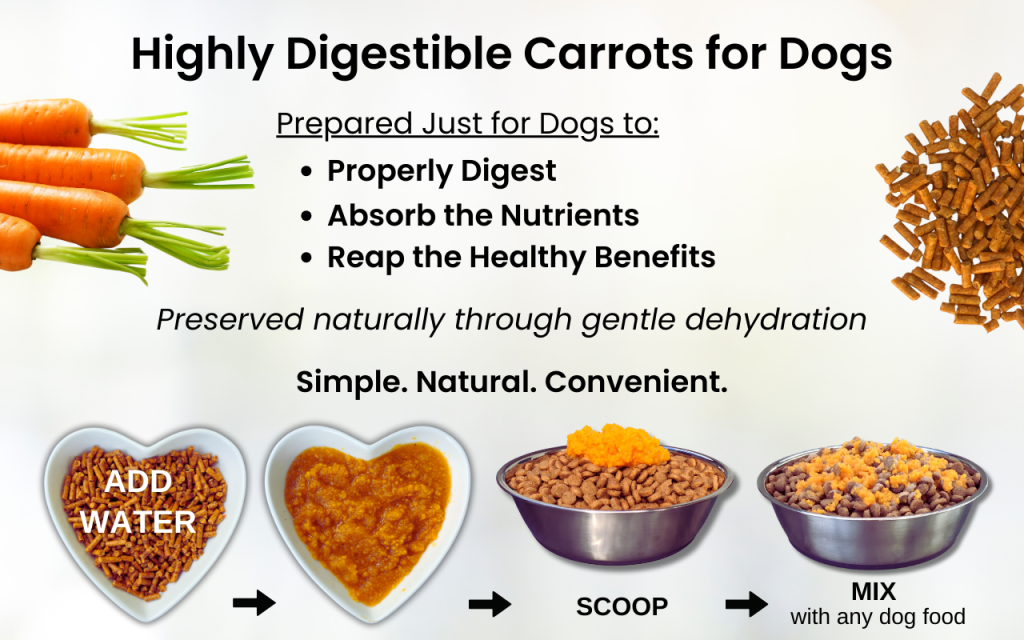
How to Safely Prepare Carrots for Your Dog

Carrots can be good for dogs. You just have to prepare them properly. This makes sure your dog is safe and gets the maximum amount of health benefits. Hereâs how you can safely prepare carrots for your dog :
Digestive Upset from Too Much Fiber
Carrots are high in fiber, which is great for digestion but can cause problems if eaten in large quantities. Some dogs, especially those with sensitive stomachs, can have gas, bloating, or diarrhea after eating too many carrots. This digestive discomfort can cause a range of problems.
To avoid this, introduce carrots gradually and feed them in moderation. Help your dog eat the carrots slowly. If your dog shows signs of digestive pain, reduce the portion size and amount of carrots you give.