
Navigating the world of dog nutrition can be tough for pet parents. There are just so many options out there when it comes to dog food – from grain-free, kibble and wet food (to name a few), the choices are seemingly endless.
To make things more complicated, even food that is good for humans, such as some vegetables, can be toxic to dogs. Onions, for example, are always to be avoided. This is because they hold sulphur-containing oxides, which are dangerous for dogs because they destroy their red blood cells.
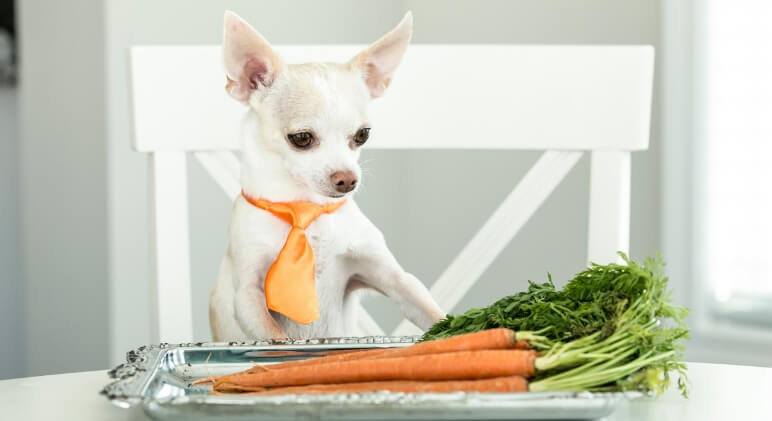
However, if instead of onions you’re wondering, if dogs can eat carrots and if they are safe for dogs, then you’re in luck. Because the answer is yes, carrots are a safe and healthy treat for your dog.
There are, however, a few exceptions to the “carrots are good for dogs” statement. We will go into these below, alongside the many benefits of this orange vegetable for your pup.
Why are carrots good for dogs? Carrots contain vital vitamins, nutrients, and fibre, all of which can do wonders for your dog.
Heard that carrots can help you see in the dark? Well, that’s not strictly true. However, they do contain vitamins and nutrients which are good for the eyes, both in humans and dogs.
This is largely down to the beta-carotene in carrots – the pigment that gives carrots their colour – which is converted into vitamin A, a vitamin crucial for healthy vision.
Potassium is important in a dog’s diet because it affects nerve impulses, heart function, and brain and muscle activity.
Vitamin B6 helps to maintain a potassium-sodium balance in your dogs body. Another plus is that it may help them maintain proper bladder health.
Vitamin K is a fat-soluble vitamin. It is very important because it activates your dogs bloods ability to clot.
Carrots also contain lots of fibre which is essential for maintaining a well-balanced gut. A strong, healthy gut ensures pups’ poops stay normal, and supports everything from their skin and fur to their long-term wellbeing.
On top of all that, dogs that consume more leafy green vegetables and yellow-orange vegetables (such as carrots!) have been found to be less susceptible to certain diseases and cancers. For example, according to a 2005 study by the Purdue School of Veterinary Medicine, Scottish terriers (a breed particularly prone to bladder cancer) were 70 – 90 percent less likely to develop bladder cancer when fed more of these types of vegetables.
Most of us have heard that carrots make excellent healthy treats for our furry friends. But is this orange veggie always a good choice? While carrots offer many benefits for dogs there are situations where they might not be the best option. Let’s dig deeper into whether carrots can sometimes be bad for dogs and what you need to know before sharing this crunchy snack with your four-legged companion.
The Benefits of Carrots for Dogs
Before we talk about potential downsides, I want to highlight why carrots are generally considered a healthy treat for most dogs:
Nutritional Powerhouse
Carrots pack a serious nutritional punch! They contain:
- Vitamin A (great for eye health)
- Vitamin K (supports blood clotting and bone health)
- Vitamin B6 (helps with metabolism)
- Potassium (supports heart and muscle function)
- Calcium (for bone health)
- Iron (helps carry oxygen in the blood)
- Beta-carotene (powerful antioxidant)
- Fiber (supports digestive health)
Digestive Health Benefits
The fiber in carrots can be really helpful for your dog’s tummy. Carrots contain both soluble and insoluble fiber, each with their own benefits:
- Insoluble fiber doesn’t dissolve in water and helps draw water into the intestines, which can help dogs with constipation
- Soluble fiber (like pectin in carrots) dissolves in water and creates a gel that improves digestion and can firm up loose stools
Carrots also contain magnesium, which can help improve bowel movements, especially for constipated pups.
Disease Prevention
The antioxidants in carrots (beta-carotene, lutein, lycopene, anthocyanins, and vitamin C) help reduce oxidative stress that can lead to chronic diseases like:
- Diabetes
- Arthritis
- Premature aging
- Chronic inflammation
- Cancer
Low-Calorie Treat Option
For dogs that need to lose weight, carrots can be a great low-calorie snack option that helps them feel full without adding many calories.
When Carrots Might Be Bad for Dogs
Despite all these benefits. there are some situations where carrots might not be the best choice for your dog
1. Choking Hazard
One of the biggest risks with carrots is the potential choking hazard they present, especially with large pieces Dogs who gulp down their food without much chewing are particularly at risk Always cut carrots into appropriate-sized pieces for your dog.
2. Digestibility Issues
Raw carrots can be difficult for dogs to digest properly. Ever notice orange chunks in your dog’s poop after giving them carrots? That’s because dogs can’t break down the cell walls of raw carrots very effectively. Their digestive systems aren’t designed to process raw vegetables as efficiently as we can.
This doesn’t mean carrots are harmful, but it does mean your dog might not be getting all the nutritional benefits from raw carrots.
3. High Sugar Content
Carrots have a relatively high natural sugar content compared to other vegetables. While this isn’t typically a problem for healthy dogs in moderation, it can be an issue for:
- Dogs with diabetes: The sugar content could potentially affect blood glucose levels
- Overweight dogs: Extra sugar can contribute to weight gain
- Dogs prone to dental issues: Sugar can contribute to dental problems if teeth aren’t regularly cleaned
4. Vitamin A Toxicity Risk
Carrots are rich in beta-carotene, which converts to vitamin A in the body. While vitamin A deficiency is more common than toxicity, it’s theoretically possible for dogs to get too much vitamin A if they eat huge amounts of carrots or other vitamin A-rich foods regularly, especially if they’re already eating a commercial diet with added vitamin A.
5. Not the Best Dental Chew
Despite popular belief, carrots aren’t actually the best choice for dental health. While chewing on carrots might mechanically disrupt some plaque, they’re not as effective as purpose-designed dental chews or raw bones for cleaning teeth.
How Many Carrots Can Dogs Safely Eat?
Moderation is key! Treats, including carrots, should only make up about 10% of your dog’s diet. The rest should come from a nutritionally balanced dog food.
Here’s a general guideline for safe carrot portions based on your dog’s size:
- Extra-small dogs (2-20 lbs): 1-2 carrot slices (¼-inch thick)
- Small dogs (21-30 lbs): Up to 3 carrot slices
- Medium dogs (31-50 lbs): 5-6 carrot slices
- Large dogs (51-90 lbs): A handful of carrot slices
- Extra-large dogs (91+ lbs): A large handful of carrot slices
Signs Your Dog Ate Too Many Carrots
If your pup got into the carrot stash and ate too many, watch for these symptoms of digestive upset:
- Decreased appetite
- Fatigue
- Depression
- Discomfort
- Gulping or excessive licking
- Gas or bloating
More serious symptoms that warrant an immediate vet visit include:
- Vomiting
- Excessive diarrhea
- Blood in vomit or stool
- Weakness
- Collapse
Best Ways to Serve Carrots to Your Dog
To maximize the benefits and minimize any potential issues, here’s how I recommend serving carrots to your furry friend:
1. Cooked vs. Raw
While raw carrots aren’t harmful, lightly cooking them can make them more digestible and increase the availability of nutrients. One study showed raw carrots released only 41% of their beta-carotene, while cooking increased this to 65%.
Try these preparation methods:
- Steamed: Cut into small pieces and lightly steam (best option for nutrient retention)
- Grated or pureed: Makes raw carrots more digestible
- Frozen: Can be refreshing on hot days (but supervise closely)
2. Size Matters
Always cut carrots into appropriate sizes for your dog:
- Small bite-sized pieces for regular treats
- Thinner slices for small dogs
- Never give whole carrots to small dogs
3. Plain is Best
Never add butter, oils, seasonings, or spices to carrots for your dog. Some common human food seasonings like garlic and onion are toxic to dogs.
4. Introduce Gradually
If your dog isn’t used to fiber-rich foods, introduce carrots slowly to prevent digestive upset.
Better Alternatives for Specific Needs
If you’re considering carrots for specific health benefits, here are some alternatives that might work better:
For Dental Health
Raw bones are more effective than carrots for removing plaque and tartar. Studies have shown that “chewing raw bovine bones was an effective method of removing dental calculus (tartar) in dogs.”
For Fiber and Antioxidants
While carrots provide these benefits, consider these alternatives with less sugar:
- Butternut squash
- Kale
- Apples (remove seeds)
- Cranberries
My Experience with Carrots and Dogs
I’ve been feeding my golden retriever, Max, carrots as occasional treats for years. He absolutely loves them! I typically steam a bunch of carrot slices on Sunday and keep them in the fridge for the week. Sometimes I’ll mix them into his regular food as a topper, and other times I’ll use them as training treats.
When I first started giving Max carrots, I did notice orange chunks in his poop (TMI, I know!), which is when I learned about cooking them to improve digestibility. Now I always steam them lightly, and that problem has resolved.
The biggest benefit I’ve seen is having a healthy, low-calorie treat option that Max gets excited about. It’s been especially helpful as he’s gotten older and needed to watch his weight more carefully.
For most healthy dogs, carrots are not bad at all—they’re actually a nutritious treat option when fed properly and in moderation. However, they might not be ideal for dogs with diabetes or obesity due to their sugar content, and they present a potential choking hazard if not properly prepared.
The key takeaways:
- Cut carrots into appropriate sizes to prevent choking
- Consider lightly cooking carrots to improve digestibility
- Feed in moderation (no more than 10% of diet)
- Be cautious with diabetic or overweight dogs
- Don’t rely on carrots alone for dental health
Remember, every dog is different. What works great for one dog might not be ideal for another. If you have any concerns about adding carrots to your dog’s diet, especially if they have existing health conditions, it’s always best to check with your veterinarian first.
So go ahead and share this crunchy orange veggie with your furry friend—just do it wisely!
Have you tried giving your dog carrots? What was their reaction? Share your experiences in the comments below!
Carrots can clean a dog’s teeth
While dogs can swallow food whole, a larger piece of carrot will force your dog to bite into it. This chewing mechanism acts as an abrasive on your dog’s teeth, cleaning plaque and any remaining food from the teeth. Celery and apple are two other great teeth cleaning options if you don’t have a carrot handy.
Are carrots bad for dogs?
As all owners know, dogs can be greedy and guzzle down food without chewing once!
This means carrots can pose a choking hazard to dogs, especially if they are the wrong size for the breed. Questioning whether to feed your dog those baby carrots? Doctors warn they are the “perfect size to get stuck in the esophagus of a 20-pound dog like a Pomeranian or Shih Tzu”.
This means it is important to cut carrots into the right sized chunks for your dog before feeding it to them. If in doubt, ask your vet!
Carrots, whilst good for dogs, also contain calories and naturally occurring sugars. This makes it important to count carrots into your dog’s overall calorie consumption for the day and adjust the rest of their meals accordingly.
Are CARROTS Good for DOGS? (Possible Benefits)
FAQ
Can carrots cause a blockage in dogs?
Raw carrots can be a healthy low-calorie chew treat but pose risks if large pieces are swallowed whole, causing choking or intestinal blockage. Symptoms include gagging, vomiting, lethargy, or abdominal pain. To prevent issues, cut carrots into small, manageable pieces and supervise chewing.
Why can’t dogs have carrots?
Dogs digest food differently than humans, and too many carrots at once may cause digestive upset due to their fiber content.
How many carrots per day can I give my dog?
Small dogs: 1–2 baby carrots or a few slices. Medium dogs: 3–4 baby carrots. Large dogs: Up to ½ cup chopped carrots. Too much can cause gas, so start slow.Apr 3, 2025