
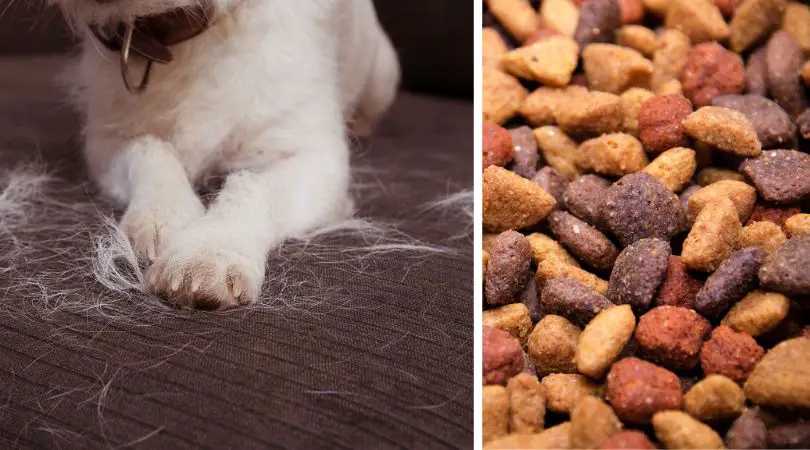
Is your home starting to look like a furry snow globe? Are you finding dog hair in places you didn’t even know your dog could reach? You’re not alone! As a dog owner myself, I’ve spent countless hours vacuuming, lint-rolling, and wondering if I should just give up and make a dog hair sweater already.
But here’s something many pet parents don’t realize – that mountain of fur might have something to do with what’s in your dog’s bowl! Yep, your dog’s food could be contributing to that furry situation. Let’s dig into the hairy details!
The Scoop on Shedding: Normal vs. Excessive
Before we blame it all on kibble, let’s get something straight – ALL dogs shed. Even those so-called “hypoallergenic” breeds your neighbor brags about. It’s a natural process that helps dogs get rid of old or damaged hair.
But there’s a difference between normal shedding and turning your black couch into a furry rainbow. Normal shedding typically follows predictable patterns while excessive shedding might indicate something’s up with your furry friend.
What’s Normal Shedding Look Like?
- Seasonal changes (heavier in spring and fall)
- Breed-specific patterns (some breeds are just hairier than others!)
- Consistent, even shedding across the body
Red Flags for Abnormal Shedding:
- Sudden increase in hair loss
- Patchy shedding or bald spots
- Skin issues like redness, flaking, or irritation
- Dull, dry, or brittle fur
Yes, Dog Food CAN Cause Excessive Shedding!
I was shocked when my vet told me that my Lab’s constant shedding wasn’t just “normal Lab stuff” but potentially related to his diet. According to veterinary experts, diet is actually one of the primary factors that can influence your dog’s coat health and shedding patterns
How Poor Quality Dog Food Leads to More Shedding
The #1 reason for excessive shedding in dogs is often a poor diet, according to many veterinarians. When you feed your pup cheap food that barely meets minimum nutritional requirements, it might be lacking essential nutrients their skin and coat desperately need.
Here’s what happens:
- Low-quality proteins fail to provide the amino acids needed for healthy hair growth
- Missing essential fatty acids lead to dry, brittle fur that breaks easily
- Nutrient imbalances disrupt the natural hair growth cycle
- Poor digestion means nutrients aren’t being properly absorbed
My neighbor was complaining about her German Shepherd’s shedding for months. She tried everything – special brushes, more baths, even those weird shedding suits. Then she switched from the discount store brand to a premium food with real salmon as the first ingredient, and within weeks noticed way less fur tumbleweeds rolling across her floor!
Food Allergies: The Hidden Shedding Trigger
It’s not just low-quality food that can cause shedding – sometimes even good food can be the culprit if your dog has food sensitivities or allergies.
Common food allergens for dogs include:
- Chicken
- Beef
- Dairy
- Eggs
- Wheat/gluten
- Soy
- Corn
If your dog is allergic to an ingredient in their food, it can cause an immune response that affects their skin health. This often leads to itchy skin, skin infections, and yep – excessive shedding or even patches of total hair loss.
The Omega Factor: Fatty Acids Are Your Friend
One of the most important elements in your dog’s diet for controlling shedding is omega fatty acids. Dogs can’t produce these essential nutrients on their own – they must get them through their food.
Types of Omega-3s That Help Control Shedding:
| Fatty Acid Type | Sources | Benefits for Coat |
|---|---|---|
| Alpha-linolenic Acid (ALA) | Flaxseed, chia seeds, canola oil | Supports skin health but not well converted by dogs |
| Docosahexaenoic Acid (DHA) | Salmon, sardines, herring | Excellent for skin, coat, brain and eye health |
| Eicosapentaenoic Acid (EPA) | Fatty fish like salmon, mackerel, cod | Direct benefits to skin and coat condition |
It’s important to note that dogs need a balance of omega-3 and omega-6 fatty acids. Too many omega-6s (which are abundant in most commercial dog foods) without enough omega-3s can actually contribute to inflammation and make shedding worse!
Other Diet-Related Causes of Excessive Shedding
It’s not just the quality of food or allergies that can affect shedding. Several other diet-related factors can contribute:
Dehydration
If your dog isn’t drinking enough water, their skin gets dry, which leads to more shedding. Always make sure your pup has access to fresh water, especially if they eat mostly dry kibble.
Sudden Diet Changes
Switching your dog’s food too quickly can stress their system and trigger increased shedding. Always transition to new foods gradually over 7-10 days.
Nutritional Imbalances
Too much or too little of certain vitamins and minerals can affect coat health. Vitamin A, E, zinc and copper are particularly important for healthy skin and fur.
Beyond Food: Other Causes of Excessive Shedding
While we’re focusing on diet, it’s worth noting that food isn’t the only culprit behind excessive shedding. Other common causes include:
- Seasonal changes – Most dogs shed heaviest during spring and fall
- Stress – Changes in routine, new family members, or even vet visits can trigger stress shedding
- Parasites – Fleas, ticks, and mites can cause intense itching and hair loss
- Hormonal imbalances – Including pregnancy, after giving birth, or following spaying/neutering
- Underlying health conditions – Thyroid issues, Cushing’s disease, and other medical problems
- Overbathing – Which strips natural oils from the coat
Best Dog Foods for Controlling Shedding
If your pup is shedding excessively and you suspect their diet might be to blame, these types of dog food might help:
1. Foods Rich in Omega-3 Fatty Acids
Look for foods with salmon, fish oil, or flaxseed high on the ingredient list. Our top picks include JustFoodForDogs Joint & Skin Support and BLUE True Solutions Perfect Skin & Coat.
2. Limited Ingredient Diets
If food allergies are the culprit, a limited ingredient diet like Wellness Simple Limited Ingredient Diet or Natural Balance LID can help identify and avoid triggers.
3. Fresh or Fresh-Frozen Foods
Fresh foods like NomNom provide excellent nutrition with higher bioavailability, meaning your dog can actually use more of the nutrients they consume.
4. High-Quality Protein Sources
Diamond Naturals Skin & Coat uses real salmon as its primary ingredient, providing both flavor and skin support at an affordable price.
How I Fixed My Dog’s Shedding Problem
When my Golden Retriever started leaving more hair around than usual, I decided to make some changes to his diet. Here’s what worked for us:
- Switched to a high-quality food with salmon as the first ingredient
- Added a fish oil supplement (after checking with our vet)
- Ensured he was drinking plenty of water
- Gradually introduced fresh foods as toppers to his kibble
Within about 4-6 weeks, I noticed a significant difference. His coat became shinier, the shedding reduced dramatically, and as a bonus, his occasional scratching stopped too!
When to See a Vet About Shedding
While changing diet can help many shedding issues, sometimes you need professional guidance. Schedule a vet visit if:
- Your dog’s shedding is accompanied by skin lesions, redness, or irritation
- There are bald patches or areas of complete hair loss
- You notice behavioral changes along with increased shedding
- Your dog is excessively itching, licking, or biting their skin
- The shedding started suddenly and is extreme
- Your dog shows other symptoms like increased thirst, weight changes, or lethargy
Quick Tips to Reduce Shedding (Beyond Diet)
While we’re focusing on food, here are some additional ways to manage the fur situation:
- Regular brushing – Use appropriate tools like slicker brushes, FURminators, or hand mitts
- Proper bathing – Use dog-specific shampoos and don’t overwash
- Supplements – Fish oil or omega supplements (with vet approval)
- Reduce stress – Maintain consistent routines and provide adequate exercise
- Parasite prevention – Keep up with regular flea and tick treatments
Final Thoughts: You Are What You Eat (And So Is Your Dog’s Coat!)
The connection between diet and shedding is real! While you can’t stop shedding completely (unless you adopt a reptile instead), proper nutrition can make a huge difference in how much fur ends up on your floors, furniture, and clothing.
Remember that changes to coat condition don’t happen overnight – give any dietary modifications at least 4-6 weeks to show results as your dog’s hair growth cycle catches up to the nutritional improvements.
Have you noticed changes in your dog’s shedding after switching foods? Drop a comment below – I’d love to hear about your experiences with finding the right diet to control the fur situation!
Disclaimer: While diet can significantly impact shedding, always consult with your veterinarian before making major changes to your dog’s food, especially if you suspect allergies or other health concerns. This article is based on research and personal experience but isn’t meant to replace professional veterinary advice.
Can Diet Affect German Shepherd Shedding? – PetGuide360.com
FAQ
Can dog food contribute to shedding?
In some cases, dog food can contribute to shedding. If you feed your dog a poor-quality diet or they have food allergies, the food you’re giving them might cause excessive hair loss. To prevent this, always feed them a high-quality diet that meets AAFCO guidelines and consult your vet if the problems persist.
Is your dog shedding excessively?
If your dog is shedding excessively, you may want to consider switching to a food rich in omega-3 fatty acids to support her skin and coat health. Our favorite fresh food recommendation is JustFoodForDogs Joint & Skin Support, while BLUE True Solutions Perfect Skin & Coat is a great kibble option.
What dog food can help reduce shedding?
To reduce shedding, consider adding a skin-friendly wet food to your dog’s diet, such as Wellness Simple Limited Ingredient Diet. Some dogs may require a prescribed food like Hill’s Prescription Diet d/d for serious skin issues. Always consult your vet to determine the best food for your dog.
Can a dog’s diet cause hair loss?
If you feed your dog a poor-quality diet or they have food allergies, the food you’re giving them might contribute to their excessive hair loss. This is why it is important always to feed them a high-quality diet that meets AAFCO guidelines and work with your vet if the problems persist.
Does a grain-free diet reduce shedding in dogs?
While a grain-free diet isn’t necessarily better for reducing shedding in most dogs, for some dogs, a grain-free diet can help to reduce shedding because they might tolerate it better. The most crucial thing is that the dog’s diet is high-quality, balanced, and meets AAFCO guidelines.
Is Purina a good dog food for shedding?
Purina Pro Plan Sensitive Skin is an excellent quality diet that is chock full of the nutrition dogs need to maintain healthy coat and skin. It can provide a powerful support in reducing the amount of hair loss a dog experiences, easily making it among the best dog foods for shedding.
Can dog food cause more shedding?
Food allergies or intolerance is a common cause of excessive shedding in dogs. This often causes itchy skin and skin infections, which will contribute not only to more shedding but also areas of total hair loss in these pups.
What can I feed my dog to reduce shedding?
Can changing dog food help with shedding?
Can dog food cause hair loss in dogs?