
As a dog owner myself, I’m always on the lookout for nutritious food options that will keep my furry friend healthy and happy. Ground turkey has become increasingly popular as a protein source for dogs, but many pet parents wonder: can dogs eat ground turkey everyday? Let’s dig into this meaty question and explore the benefits, risks, and best practices for including ground turkey in your dog’s diet.
The Quick Answer
Yes, dogs can eat ground turkey everyday in moderation as part of a balanced diet However, it shouldn’t be the only food your pup receives, as dogs need a variety of nutrients from different sources to thrive
Benefits of Feeding Your Dog Ground Turkey
Ground turkey offers several nutritional advantages that make it an excellent protein option for your canine companion
-
Lean Protein Source: Ground turkey contains less fat than beef or pork, making it ideal for dogs that need to maintain a healthy weight.
-
Rich in Essential Nutrients: Turkey provides important vitamins and minerals including:
- Protein
- Iron
- Zinc
- B vitamins (B6, B12, niacin)
- Selenium
- Phosphorus
- Choline
- Magnesium
- Potassium
-
Easy to Digest: Many dogs with sensitive stomachs tolerate ground turkey well, making it a good option for pups with digestive issues.
-
Low in Allergens Turkey is considered a low-allergen food which can be beneficial for dogs with food sensitivities or allergies.
-
Supports Muscle Development: The high-quality protein in turkey helps maintain and build strong muscles, especially important for active or working breeds.
-
Affordable Option: Compared to some other protein sources, ground turkey is often more budget-friendly, which is great for pet parents watching their spending.
Potential Risks of Daily Ground Turkey Consumption
While ground turkey has many benefits, there are some potential downsides to feeding it to your dog every day:
1. Nutritional Imbalance
Dogs need a balanced diet that includes proteins, carbohydrates, fats, vitamins, and minerals. Feeding only ground turkey without other nutrients can lead to deficiencies.
2. Food Safety Concerns
Raw or undercooked turkey may contain harmful bacteria like salmonella. Always make sure to cook ground turkey thoroughly (to an internal temperature of 165°F) before feeding it to your dog.
3. Seasoning and Additives
Many prepared turkey products contain seasonings, preservatives, or other ingredients that can be harmful to dogs. Ingredients like onions, garlic, salt, and certain spices can be toxic to our canine friends.
4. Gastrointestinal Issues
Some dogs might experience digestive upset if their diet changes suddenly or if they consume too much turkey at once. This can lead to symptoms like diarrhea or vomiting.
How to Safely Include Ground Turkey in Your Dog’s Diet
If you want to feed your dog ground turkey regularly, follow these guidelines:
Preparation Tips
-
Choose lean options: Select ground turkey that’s 93% lean or higher to minimize fat content.
-
Cook thoroughly: Always cook the turkey completely to kill any harmful bacteria.
-
Skip the seasonings: Prepare the meat plain, without any salt, spices, oils, or other additives.
-
Remove excess fat: Drain any fat after cooking to further reduce the fat content.
-
Let it cool: Make sure the turkey has cooled to a safe temperature before serving it to your dog.
Serving Suggestions
The amount of ground turkey you should feed your dog depends on their size, age, and activity level. Here’s a general guideline for serving fully cooked, white turkey meat:
| Dog Size | Daily Serving Size |
|---|---|
| Extra-small (2-20 lbs) | 1/2 piece (1/2 inch cube) |
| Small (21-30 lbs) | 1-2 pieces |
| Medium (31-50 lbs) | 3-4 pieces |
| Large (51-90 lbs) | 5-6 pieces |
| Extra-large (91+ lbs) | Handful of pieces |
Remember that treats, including ground turkey, should only make up about 10% of your dog’s daily caloric intake. The other 90% should come from a complete and balanced dog food.
Creating a Balanced Diet with Ground Turkey
If you’re serious about incorporating ground turkey into your dog’s everyday diet, consider these approaches:
Option 1: Turkey as a Food Topper
Add a small amount of cooked ground turkey as a topper to your dog’s regular food. This adds flavor and protein without disrupting their nutritional balance.
Option 2: Homemade Dog Food with Turkey
If you’re preparing homemade meals, ensure you’re including:
- Ground turkey (protein source)
- Dog-safe vegetables like carrots, green beans, or pumpkin
- A carbohydrate source like brown rice or sweet potatoes
- A small amount of healthy fats
Important: If you’re making homemade dog food regularly, consult with a veterinary nutritionist to ensure your recipes meet all of your dog’s nutritional needs.
Option 3: Mix and Match Proteins
Rather than feeding ground turkey every single day, rotate between different protein sources throughout the week. This helps ensure a wider range of nutrients and prevents potential food sensitivities from developing.
Signs Your Dog Might Not Tolerate Ground Turkey Well
Watch for these symptoms that could indicate your dog isn’t doing well with their turkey diet:
- Vomiting or diarrhea
- Itchy skin or ear infections (possible signs of food allergies)
- Lethargy
- Loss of appetite
- Abdominal discomfort or pain
If you notice any of these signs, discontinue feeding turkey and consult your veterinarian.
What Veterinarians Say About Ground Turkey for Dogs
Veterinary experts generally agree that ground turkey can be a healthy protein source for most dogs. However, they emphasize that:
- It should be part of a balanced diet
- It should be properly prepared (thoroughly cooked without seasonings)
- The amount should be appropriate for your dog’s size and needs
- Any diet changes should be made gradually to prevent digestive upset
Special Considerations for Different Dogs
Puppies
Puppies have specific nutritional needs for proper growth and development. While ground turkey can be included in their diet, puppies should primarily eat a complete puppy food formulated for their age and size.
Senior Dogs
Older dogs may benefit from the lean protein in ground turkey, especially if they need to maintain muscle mass while managing their weight. The easier digestibility can also be helpful for seniors with sensitive digestion.
Dogs with Health Conditions
For dogs with certain health issues, ground turkey might be particularly beneficial:
- Weight management: The lean protein can help dogs lose or maintain weight
- Allergies: As a novel protein, turkey might work well for dogs with allergies to more common proteins
- Digestive issues: The mild flavor and digestibility make it suitable for sensitive stomachs
Always consult with your vet before making dietary changes for dogs with health conditions.
Alternatives to Ground Turkey
If you want to provide variety in your dog’s diet or if turkey isn’t working out, consider these alternatives:
- Ground chicken (similar nutritional profile to turkey)
- Lean ground beef
- Fish like salmon (cooked and deboned)
- Eggs (cooked)
- Commercial fresh or raw dog food options
My Personal Experience
I’ve been feeding my Border Collie mix ground turkey as part of her diet for over two years now. We typically mix it with her regular kibble about 3-4 times per week, and I’ve noticed her coat seems shinier and she maintains a healthy weight. However, I learned the hard way that sudden diet changes can cause tummy troubles – so we introduced turkey gradually over a couple weeks!
So, can dogs eat ground turkey everyday? The answer is yes, with some important caveats. Ground turkey can be a healthy, nutritious part of your dog’s daily diet when:
- It’s properly prepared (fully cooked, no seasonings)
- It’s served as part of a balanced diet with other nutrients
- The portions are appropriate for your dog’s size and needs
- You’re monitoring for any adverse reactions
Remember that every dog is different. What works wonderfully for one pup might not be ideal for another. Pay attention to how your dog responds to ground turkey and adjust accordingly.
Before making any significant changes to your dog’s diet, it’s always best to consult with your veterinarian. They can provide guidance specific to your dog’s unique nutritional needs and health status.
Have you tried feeding your dog ground turkey? I’d love to hear about your experiences in the comments!
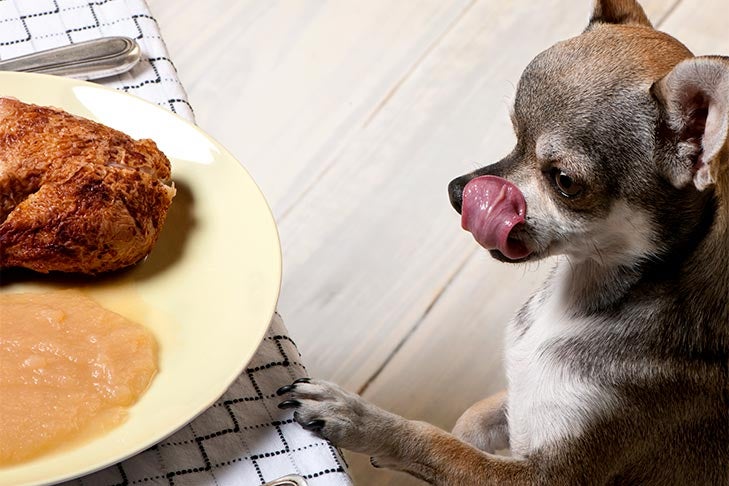
How Much Turkey Can My Dog Eat?
Turkey should be considered a treat, not a regular part of your dog’s daily meals. All treats combined should make up no more than 10% of your dog’s overall diet, with the remaining 90% coming from a complete and balanced dog food.
How much that 10% actually amounts to depends on your dog’s size. Here’s a general guide:
| Dog Size | Serving Size | Frequency |
|---|---|---|
| Extra-small dogs (2–10 pounds) | 1/2 ounce | Daily |
| Small dogs (11–20 pounds) | 1 ounce | Daily |
| Medium dogs (21–50 pounds) | 2 ounces | Daily |
| Large dogs (51–90 pounds) | 2.5 ounces | Daily |
| Extra-large dogs (91+ pounds) | 3 ounces | Daily |
Keep in mind these are rough estimates, and it’s always best to check with your vet for personalized feeding recommendations, especially if your dog has underlying health issues or food sensitivities.
How To Safely Feed Turkey to Your Dog
When it comes to feeding your dog turkey, the key is keeping it plain and simple. Here are preparation tips to follow when feeding turkey to dogs, according to Dr. Sinn:
- Stick to lean meat. Dark meat is higher in calories and fat, which can be harder for your dog to digest and can throw off their normal diet.
- Remove the turkey skin and bones. The skin is high in fat, and the bones can splinter and cause serious health issues.
- Serve only plain, unseasoned turkey. Avoid salt, dressings, marinades, and spices like garlic and onion, which can be toxic to dogs.
- Don’t serve raw turkey. Raw-food diets can increase the risk of food poisoning from bacteria like salmonella, so cook the turkey thoroughly before giving it to your dog.
Once the meat is properly prepped, you can offer turkey on its own as an occasional treat or mix it into your dog’s regular food for a protein boost.
What happens when you eat ground turkey every day for a month?
FAQ
Can dogs eat ground turkey?
After all, dogs need a balanced diet just like humans do. Ground turkey can be an excellent source of protein for dogs. It contains less fat than beef or pork and has high levels of essential nutrients such as iron, zinc, and B vitamins. However, it’s important to understand that dogs have different nutritional requirements than humans.
Is Turkey meal in dog food safe for dogs?
Turkey meal in dog food is beneficial for your canine’s health and growth. It is a protein concentrated meal that contains only about 10% of water and the rest is accompanied by proteins, minerals, and some vitamins. It is safe for dogs.
Can dogs eat turkey from a table?
It’s often included in dog food, but is giving them a piece of turkey from your table the same thing? While turkey is safe for dogs–good for them, too, actually–it doesn’t mean you should go overboard with the table scraps (yes, that includes during Thanksgiving!).
Can dogs eat skinless turkey?
Click to jump to each section. Skinless turkey is also lower in fat than other forms of meat (like ham, for example) so your dog’s gastrointestinal system can tolerate it better and it’s less likely to cause digestive issues. This also makes it more suitable for dogs on a low-fat diet or those prone to weight gain, says Dr. Hsia.
Can a dog eat turkey meal without bones in it?
Turkey meal in dog food can contain or not contain bones. It is a protein concentrated meal that contains only about 10% of water and the rest is accompanied by proteins, minerals, and some vitamins.
Can a dog eat turkey if it is allergic?
If your dog is reacting to turkey with symptoms such as hair loss, skin rashes, scratching, paw biting, or vomiting, then it is probably best for the dog not to eat turkey. Visit your vet for further advice.
How often can I feed my dog ground turkey?
| Dog Size | Serving Size | Frequency |
|---|---|---|
| Extra-small dogs (2–10 pounds) | 1/2 ounce | Daily |
| Small dogs (11–20 pounds) | 1 ounce | Daily |
| Medium dogs (21–50 pounds) | 2 ounces | Daily |
| Large dogs (51–90 pounds) | 2.5 ounces | Daily |
Is ground turkey gentle on a dog’s stomach?
Yes, lean, plain, boiled ground turkey is an excellent choice for a dog with an upset stomach, as it’s easy to digest and a good source of protein. Combine it with bland, low-fiber carbohydrates like plain white rice or pure canned pumpkin, which adds helpful fiber and electrolytes to soothe the digestive tract. Avoid added fats, seasonings, and skin from the turkey, as these can worsen digestive issues.
What is the #1 meat you should never feed your dog?
Dogs should not eat some cured meats such as Salami, Prosciutto, Soppressata, Pepperoni, Chorizo, Turkey cuts because they are highly processed, has a high salt and fat content and can contain nitrates and spices that are extremely dangerous for dogs according to Dog Leash Pro.
Is ground chicken or ground turkey better for dogs?