
Pork products are a staple part of many households’ diets, from bacon and sausages to mince and chops; there are many tasty options. However, did you know that not all of these are safe for dogs to eat? As dogs are omnivores (animals that can eat both animal protein and plants) too, we often don’t think twice about sharing our food with them, but here are some essential things to consider before you offer your pup pork-based table scraps.
As a dog owner, I’ve faced that moment – finishing off some delicious BBQ ribs and seeing my furry friend giving me those pleading eyes. It’s tempting to share the leftover pork rib meat with them, but is it actually safe? The short answer is yes, dogs can eat pork rib meat in moderation, but there are some important safety considerations to keep in mind.
In this comprehensive guide, I’ll walk you through everything you need to know about feeding pork rib meat to your canine companion, including potential risks, benefits, and safer alternatives
The Difference Between Pork Rib Meat and Rib Bones
Before we dive deeper let’s make an important distinction
- Pork rib meat: The actual muscle tissue attached to ribs, which can be safe for dogs when properly prepared
- Rib bones: The hard, skeletal structures that should NEVER be given to dogs
This distinction is crucial because while the meat can be okay in certain circumstances, the bones pose serious health risks to your dog regardless of your dog’s size or breed.
Can Dogs Safely Eat Pork Rib Meat?
Dogs can eat pork rib meat if it’s
- ✅ Thoroughly cooked (never raw)
- ✅ Plain (no spices, seasonings, sauces, or marinades)
- ✅ Removed completely from the bone
- ✅ Given in small amounts as an occasional treat
- ✅ Not fatty (trim excess fat before serving)
Why Rib Bones Are Dangerous for Dogs
While the meat might be okay in moderation, the bones are a definite no-go. Here’s why:
-
Risk of broken teeth – Rib bones are hard enough to fracture your dog’s teeth, which can be painful and require expensive veterinary treatment
-
Choking hazard – Bones can get lodged in your dog’s throat, causing them to choke
-
Splintering danger – Especially when cooked, rib bones can splinter into sharp fragments that can:
- Injure your dog’s mouth, throat, and gums
- Puncture the digestive tract
- Cause life-threatening peritonitis (inflammation of the abdominal lining)
-
Intestinal blockage – Bone fragments may create blockages in your dog’s digestive system, potentially requiring emergency surgery
The risks associated with rib bones are simply not worth it, no matter how much your dog might enjoy gnawing on them.
Potential Risks of Feeding Pork Rib Meat to Dogs
Even when we’re talking just about the meat (not the bones), there are still some concerns to consider:
1. High Fat Content
Pork rib meat is typically high in fat, which can cause:
- Pancreatitis – A painful inflammation of the pancreas that can be triggered by fatty foods
- Weight gain – Leading to obesity and related health issues
- Digestive upset – Including diarrhea, vomiting, and discomfort
2. Seasonings and Sauces
Most human-prepared ribs contain:
- Garlic and onions – Toxic to dogs and can cause anemia
- Salt – Excessive amounts can lead to sodium ion poisoning
- Spices – May irritate your dog’s digestive tract
- BBQ sauce – Contains sugar, preservatives, and other ingredients that aren’t good for dogs
3. Allergies and Sensitivities
Some dogs may have allergies or sensitivities to pork. Watch for symptoms like:
- Itching
- Digestive issues
- Ear infections
- Skin problems
How to Safely Prepare Pork Rib Meat for Dogs
If you still want to share a small amount of pork rib meat with your dog, follow these safety guidelines:
- Cook thoroughly – Raw pork can contain harmful bacteria and parasites
- Remove ALL bones – Double-check to ensure no bone fragments remain
- Skip seasonings – Prepare a separate, plain portion for your dog before adding any spices or sauces
- Trim fat – Cut away visible fat to reduce the risk of pancreatitis
- Serve in moderation – Make it an occasional small treat, not a regular part of their diet
Signs Your Dog May Have Eaten Rib Bones
If your dog manages to snatch a rib bone, watch for these warning signs:
- Choking, gagging, or difficulty breathing
- Vomiting or retching
- Drooling more than usual
- Lethargy or unusual behavior
- Loss of appetite
- Constipation or difficulty defecating
- Bloody stool
- Abdominal pain or swelling
- Whining or signs of discomfort
If you notice any of these symptoms, contact your veterinarian immediately. This is a potential emergency situation that requires prompt medical attention.
Healthier Alternatives to Pork Rib Meat
Instead of pork rib meat, consider these safer protein options for your dog:
- Plain, cooked chicken (no bones, skin, or seasonings)
- Lean ground beef (cooked and drained of fat)
- Commercial dog treats specifically designed for canine consumption
- Vegetables like carrots, green beans, or sweet potatoes (cooked and plain)
What About Commercial Dog Bones and Chews?
If your dog loves to chew, there are many safer alternatives to rib bones:
- Products approved by the Veterinary Oral Health Council (VOHC)
- Dental chews designed to clean teeth without splintering
- Rubber or nylon chew toys that satisfy the urge to gnaw
- Bully sticks made from dried beef muscle (though these should still be given under supervision)
Frequently Asked Questions About Dogs and Pork Ribs
Can puppies eat pork rib meat?
Puppies have more sensitive digestive systems than adult dogs, so it’s best to avoid giving them pork rib meat. Stick to puppy-appropriate foods and treats while they’re still developing.
Can dogs eat BBQ pork ribs?
No, dogs should not eat BBQ pork ribs. The seasonings, sauces, and bones make them unsafe for canine consumption.
What if my dog accidentally ate a small piece of rib bone?
Monitor your dog closely for signs of distress. Small bone fragments might pass through their system without issues, but larger pieces can cause problems. When in doubt, call your vet for guidance.
Are some dogs more at risk than others when it comes to rib bones?
Yes, small breeds may be at higher risk for choking, while dogs who tend to gulp their food without chewing are at increased risk for internal injuries from bone fragments.
How much pork rib meat can I give my dog?
If you’re giving plain, cooked pork rib meat, it should make up no more than 10% of your dog’s daily caloric intake. For most dogs, this means just a small piece as an occasional treat.
What To Do If Your Dog Eats Rib Bones
If your dog manages to get hold of rib bones despite your best efforts:
- Don’t panic, but act quickly
- Check their mouth and remove any visible bone fragments if you can do so safely
- Call your veterinarian immediately for advice
- Monitor for symptoms of obstruction or perforation
- Do not induce vomiting unless specifically instructed by your vet, as bone fragments could cause more damage coming back up
Remember that veterinary advice is always better than waiting to see if problems develop. An ounce of prevention is worth a pound of cure, especially when it comes to potentially dangerous situations like bone ingestion.
My Personal Experience
As a dog owner myself, I’ve learned that it’s just not worth the risk to feed my pups any kind of bones. Once, my Lab mix got hold of a rib bone that fell on the floor during a family BBQ. We ended up in the emergency vet clinic at 11 PM on a Saturday night. Thankfully, everything turned out okay, but the stress and vet bill definitely taught me a lesson!
I now make sure any bones are disposed of securely, and if I want to give my dogs a taste of what we’re eating, I’ll set aside a small portion of plain meat before any seasonings are added.
Conclusion: Better Safe Than Sorry
While dogs can technically eat plain, cooked pork rib meat in small amounts, the risks often outweigh the benefits. Between the high fat content, potential for seasoning toxicity, and the extreme danger posed by the bones themselves, there are simply better and safer treats you can offer your furry friend.
If you’re looking to add variety to your dog’s diet or give them a special treat, consult with your veterinarian about safe options that won’t put their health at risk. Our pets rely on us to make good decisions for their wellbeing, and sometimes that means saying “no” to those pleading puppy eyes.
Remember, what’s tasty for us humans isn’t always safe for our canine companions. When in doubt, stick to foods specifically formulated for dogs to ensure they stay happy and healthy for years to come.

Which types of cooked pork are safe for dogs to eat and which ones aren’t?
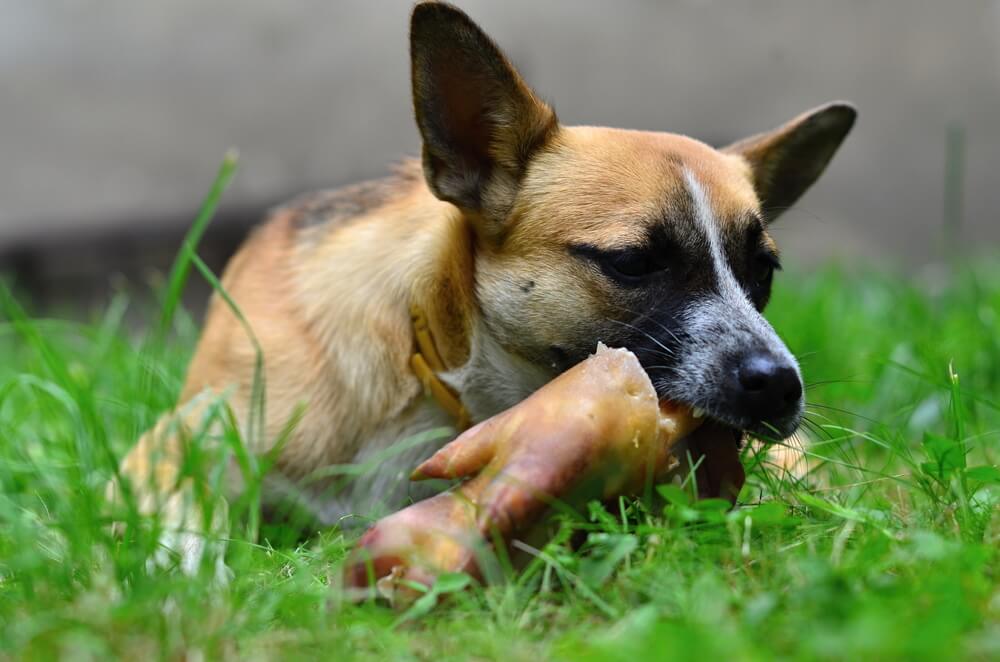
It is no secret that dogs love to chew on bones. They are highly flavored and satisfy your dog’s urge to chew but did you know it is not a safe practice for your pup? Cooked bones become drier and brittle, making them more likely to splinter. These bone splinters can obstruct or even rupture your dog’s delicate digestive tract. Raw bones are less likely to break, but they are more likely to damage your dog’s teeth as they chew. Tooth fractures are painful for your dog and put them at risk of severe infections. They often require expensive dental treatment under a general anesthetic to treat.
Pork chops are often high in fat. High-fat foods can lead to tummy upset or even inflammation of the pancreas.
Pork rinds are usually high in both salt and fat. If swallowed whole, they may obstruct your dog’s food pipe. They are not suitable for your dog.
Cooked ribs contain bones that can represent a risk of gut obstruction or even rupture for your dog. They are also usually cooked in highly flavored sauces, which can contain ingredients toxic to your dog. Ribs are not suitable for your dog.
As tasty as sausages and bacon are to us humans (and dogs alike!), they are high in fat and salt, meaning they are unsuitable for your dog’s diet.
As discussed, pork fat can be challenging for your dog to digest, which can lead to tummy upsets or put undue strain on the pancreas leading to inflammation. Fat is also extremely calorific, which may mean it causes your dog to pile on the pounds. Canine obesity is a rising pandemic globally and has many significant effects on your pup’s health.
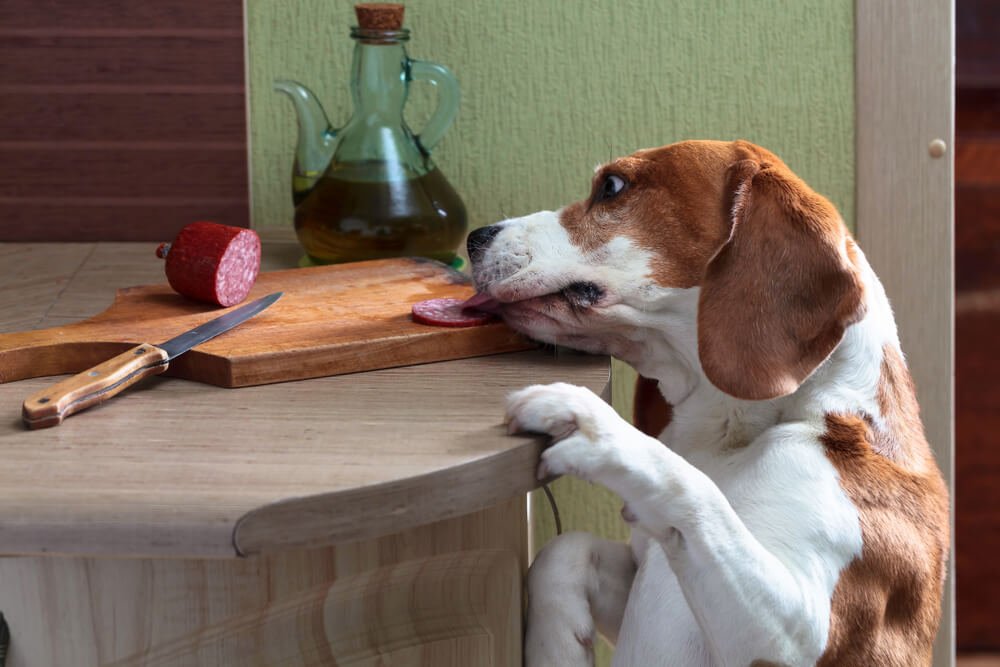
Another time that pork may not be suitable for your pup is if they have a sensitivity or allergy to it. Some dogs have a condition called ‘food-responsive enteropathy” or FRE. FRE is a condition that leads to chronic signs of tummy upset such as vomiting and diarrhea. FRE can sometimes be triggered by the proteins in pork meat. If your veterinarian suspects FRE, they will advise some initial investigations followed by a trial to eliminate specific proteins from your pet’s diet, such as pork. Blood tests for food allergies are not considered reliable. We’ve covered French Bulldog food allergies and Shih Tzu food allergies in separate articles.
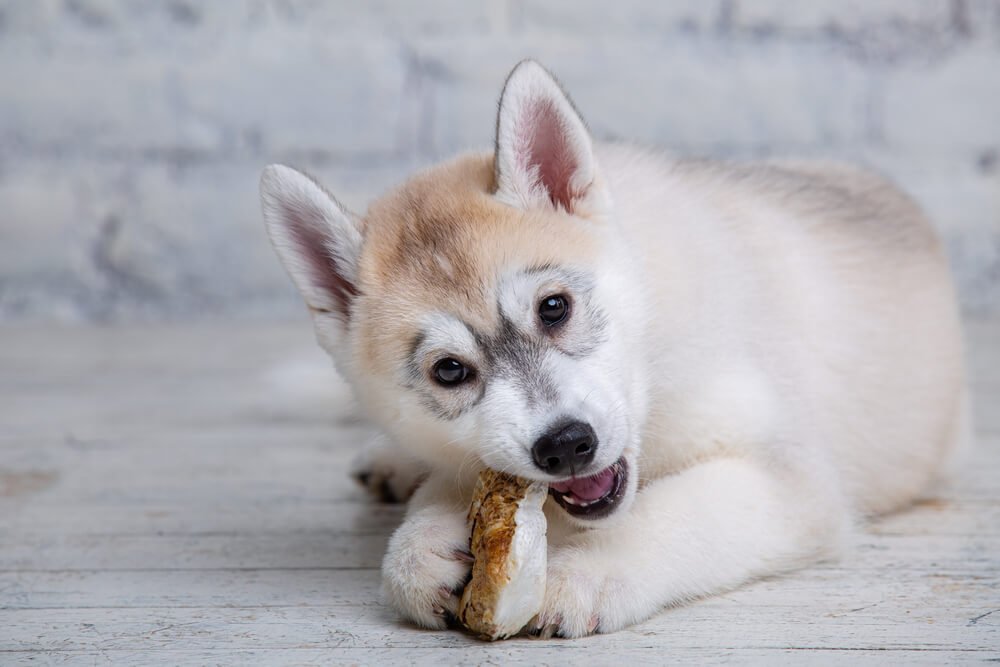
A final note when considering when or how to feed pork to dogs is how we go about cooking it. As humans, we love to heavily season and flavor our foods, but some of these products can be very bad or even toxic for dogs. For example, onion powders and garlic can lead to red blood cell damage, which can be fatal. BBQ sauces and other similar products are also not recommended. They can be high in salt and contain onion and garlic flavors. If you are making pork for your dog, they don’t need a gourmet meal; just cook it plain, or add a dash of spearmint, for example. Similar rules apply when it comes to cooking chicken, turkey or beef for your dog.
Is pork safe for dogs to eat?
The answer to this question is not as straightforward as yes or no. Certain pork products, thoroughly cooked in a dog-safe fashion, are safe to eat. However, there are many caveats to this which will consider below.