
Canine parvovirus (CPV) infection, or parvo, is a relatively new disease that first appeared in dogs in 1978. Because of the severity of the disease and its rapid spread through the canine population, CPV has aroused a great deal of public interest. The virus that causes this disease is similar to feline panleukopenia (feline distemper); the two diseases are almost identical. It has been speculated that the canine virus is a mutation of the feline virus. However, that has never been scientifically proven.
The most significant canine parvovirus strains are CPV-2, CPV-2a, CPV-2b, and CPV-2c; they all cause the same disease, and vaccines protect against all strains. CPV-2 and CPV-2c are associated with the most severe disease. Fortunately, diagnostic tests for parvovirus will detect all strains of the virus.
Worried about your furry friend getting sick from sniffing around other dogs’ poop? You’re not alone As a dog owner, I’m constantly concerned about my pup’s health, especially when it comes to dangerous diseases like parvovirus. Let’s dive into this important topic and answer the burning question can dogs actually get parvo from smelling poop?
The Short Answer: Yes, They Can
Unfortunately, yes – dogs can contract parvovirus from smelling infected feces Parvo is a highly contagious viral infection that spreads primarily through contact with contaminated feces When your dog sniffs, licks, or comes into contact with infected poop, they’re at risk of catching this potentially deadly disease.
What Exactly is Parvovirus?
Parvovirus (or parvo) is a dangerous viral infection caused by the canine parvovirus type 2 (CPV-2). This virus attacks your dog’s gastrointestinal tract and immune system, making it particularly harmful to puppies and unvaccinated dogs.
The virus works by
- Attacking rapidly dividing cells, especially in the intestines
- Damaging the gut lining, causing severe diarrhea and vomiting
- Compromising the immune system by attacking white blood cells
- In young puppies, it can even attack the heart
How Parvo Spreads Through Poop
Parvo is primarily transmitted through the fecal-oral route. Here’s how your dog might contract it:
- Direct contact: Sniffing, licking, or eating infected feces
- Indirect contact: Playing with contaminated objects (toys, bowls, leashes)
- Environmental exposure: Walking in areas where infected dogs have defecated
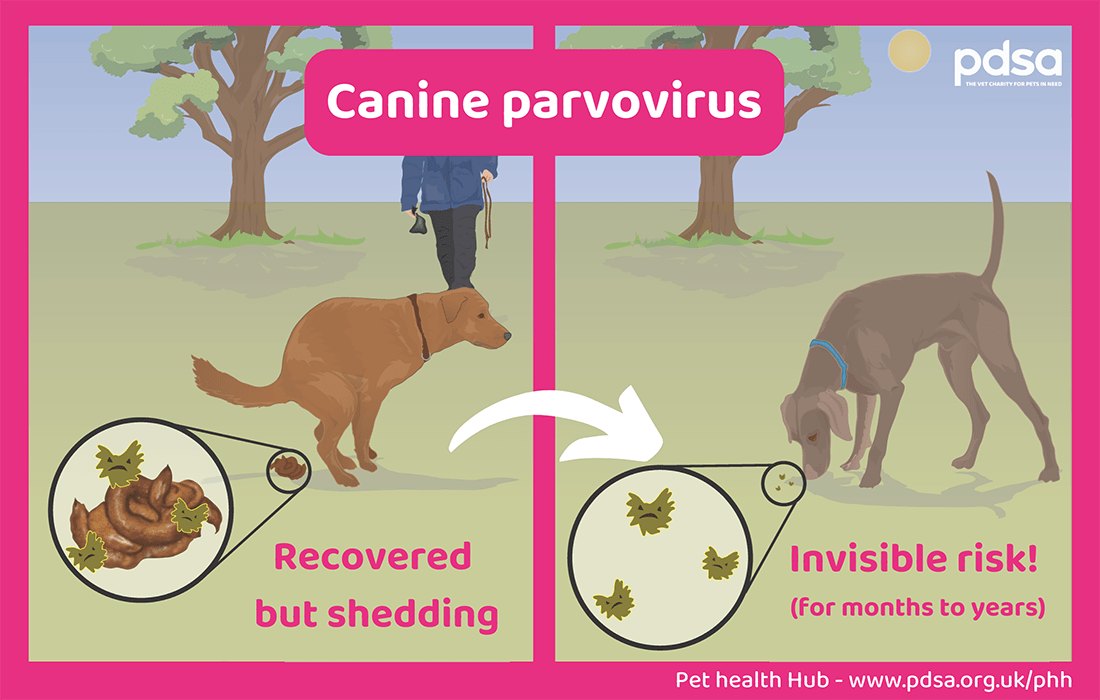
What makes parvo particularly dangerous is its resilience. The virus can survive in the environment for up to a year or longer, resistant to many cleaning products, weather conditions, and temperature changes. This means your dog could get infected from smelling poop that’s been sitting around for months!
The Unmistakable Smell of Parvo Poop
Parvo-infected poop has a distinctive odor that’s hard to forget. If you’ve ever smelled it, you’ll know what I mean. Parvo poop typically has:
- A strong metallic smell (from blood in the stool)
- An intense rotting odor
- A somewhat sweet but foul scent
- Visible blood and mucus
This distinctive smell comes from the virus damaging the intestinal walls, causing bleeding and the release of proteins and other substances into the stool. The smell is so strong that it often persists even after thorough cleaning.
Recognizing Parvo Symptoms
After exposure, symptoms usually take about 5-7 days to appear. By this time, your dog is already contagious, which is why prevention is so important. Watch for these warning signs:
- Severe, often bloody diarrhea
- Persistent vomiting
- Significant lethargy or depression
- Loss of appetite
- Rapid weight loss
- Fever or abnormally low body temperature
- Weakness and dehydration
If your dog shows any of these symptoms, especially if they’re unvaccinated or a puppy, contact your vet immediately. Parvo can be fatal if not treated promptly.
High-Risk Dogs: Who’s Most Vulnerable?
Not all dogs are equally at risk for contracting parvo. The most vulnerable include:
- Puppies aged 6 weeks to 6 months: Their immune systems aren’t fully developed
- Unvaccinated dogs: Without vaccine protection, dogs of any age can contract parvo
- Dogs with compromised immune systems: Due to other illnesses or conditions
- Certain breeds: Some studies suggest Rottweilers, Doberman Pinschers, and German Shepherds may be more susceptible
How Long is Parvo Contagious?
A dog infected with parvo begins spreading the virus approximately 5 days after exposure – often before showing any symptoms. After symptoms appear and treatment begins, they continue to shed the virus for about 10 additional days.
This means an infected dog can spread parvo for roughly two weeks, making isolation crucial to prevent transmission to other dogs.
Can Humans or Other Pets Get Parvo?
Good news! Canine parvovirus is species-specific, meaning:
- Humans cannot contract canine parvovirus
- Cats have their own version (feline panleukopenia) but don’t get the canine version
- Other pets like rabbits or guinea pigs aren’t susceptible
However, while humans can’t get sick from canine parvo, we can definitely spread it! The virus can hitch a ride on our clothes, shoes, and hands, allowing us to transfer it between dogs.
Treating Parvo: What to Expect
If your dog contracts parvo, be prepared for intensive treatment. There’s no direct cure for the virus itself – treatment focuses on supporting your dog until their immune system can fight off the infection.
Treatment typically includes:
- Hospitalization (often for 3-7 days)
- IV fluids to combat dehydration
- Anti-nausea medications
- Antibiotics to prevent secondary infections
- Nutritional support
- Regular blood tests to monitor progress
With prompt and aggressive treatment, the survival rate can approach 90%. However, treatment can be expensive, often costing $1,000-$3,000 or more.
Preventing Parvo: The Best Protection
The best way to protect your dog from parvo is through prevention:
Vaccination: Your First Line of Defense
Vaccination is the most effective way to protect your dog. The standard vaccination schedule includes:
- First vaccine at 6-8 weeks of age
- Boosters every 3-4 weeks until 16 weeks of age
- A booster at 1 year
- Additional boosters every 1-3 years afterward
Environmental Precautions
Until your puppy is fully vaccinated, take these precautions:
- Avoid dog parks and areas frequented by unknown dogs
- Limit contact with unvaccinated dogs
- Clean your shoes before entering your home
- Disinfect any areas where an infected dog has been
Proper Sanitation
If you’ve had a dog with parvo or suspect contamination:
- Clean contaminated areas with a bleach solution (1 part bleach to 30 parts water)
- Wash all bedding, toys, and food bowls thoroughly
- Dispose of feces promptly and carefully
- Consider that the virus can persist in soil for months or years
What About Older, Vaccinated Dogs?
If your adult dog is properly vaccinated, the risk of contracting parvo is significantly lower, but not zero. Vaccinations can occasionally fail, and some dogs may have incomplete protection.
For vaccinated adult dogs:
- Continue regular booster shots as recommended by your vet
- Be cautious in high-risk environments like shelters or kennels
- Watch for symptoms if exposed to a known parvo case
Real Life Scenario: My Experience with Parvo
I’ll never forget when my neighbor’s new puppy contracted parvo. They had just adopted her from a shelter and were waiting to complete her vaccination series. One day, during a walk, the puppy sniffed around an area where many dogs frequently relieved themselves.
Within a week, she became lethargic and started having bloody diarrhea. The distinct smell was unmistakable – metallic and sickeningly sweet. They rushed her to the vet, who confirmed it was parvo. After a week of intensive treatment and nearly $2,000 in vet bills, she thankfully pulled through.
This experience taught us all a valuable lesson about the importance of being vigilant until puppies are fully vaccinated. We now avoid common dog areas with our puppies until they’ve completed their vaccination schedule.
Common Questions About Parvo and Poop
How long does parvo live in the environment?
Parvo can survive in the environment for an incredibly long time – up to a year or even longer in ideal conditions. It’s resistant to heat, cold, humidity, and many disinfectants.
Can my dog get parvo from my yard if an infected dog pooped there years ago?
Potentially, yes. While the concentration of virus decreases over time, parvo can persist in soil for years, especially in shaded, protected areas. If you know your yard was previously contaminated, consider treating the soil or restricting access until your dog is fully vaccinated.
Can I track parvo into my home on my shoes?
Absolutely. The virus can stick to your shoes, clothes, and hands, then be transferred to your home environment. If you’ve been in an area where parvo might be present, it’s best to change shoes and clothes before interacting with unvaccinated dogs.
How do I clean parvo from my home?
Use a bleach solution (1:30 ratio with water) on hard, non-porous surfaces. For fabrics and other materials that can’t be bleached, hot water washing and steam cleaning may help reduce contamination. Remember that complete elimination is challenging – some items may need to be discarded.
Conclusion: Stay Vigilant and Vaccinate
So, can dogs get parvo from smelling poop? The answer is a definite yes. The virus primarily spreads through fecal matter, and even briefly sniffing contaminated poop can be enough for transmission.
Your best defense against this deadly disease is:
- Keeping up with vaccinations
- Being cautious about where your dog goes, especially puppies
- Practicing good hygiene and sanitation
- Being aware of symptoms and seeking immediate veterinary care if they appear
By understanding the risks and taking appropriate precautions, you can help ensure your furry friend stays healthy and happy for years to come. Don’t take chances with parvo – this is one disease where prevention truly is the best medicine.
Remember, if you suspect your dog has been exposed to parvo or is showing symptoms, contact your veterinarian immediately. Early intervention can make all the difference in your dog’s chances for recovery.
Can parvovirus be prevented?
Vaccination is the best method of protecting your dog against CPV infection. Puppies receive a parvovirus vaccination as part of their multiple-agent vaccine series. It is recommended to be given at 8, 12, and 16 weeks of age. In some high-risk situations, veterinarians will give the vaccine at two-week intervals, with an additional booster administered at 18 to 22 weeks of age. After the initial series of vaccinations, boosters will be required regularly. If an approved three-year parvovirus vaccine is used, the next booster vaccine will be routinely administered in three years.
Dogs in high exposure situations (e.g., kennels, dog shows, field trials, etc.) may be better protected with a booster every year. Breeding dogs should be up to date on their parvo vaccination before breeding; however, pregnant females may be able to be vaccinated with a parvovirus vaccine one week before whelping to transfer higher levels of protective antibodies to the puppies. You and your veterinarian should decide about the vaccination schedule that best fits your pets lifestyle.
How is parvovirus diagnosed?
The clinical signs of CPV infection can mimic many other diseases that cause vomiting and diarrhea; consequently, diagnosing CPV is often challenging for the veterinarian. The positive confirmation of CPV infection requires the demonstration of the virus or virus antigen in the stool or detecting anti-CPV antibodies in the blood serum.
There is a simple in-clinic test for CPV that will screen for this disease. Occasionally, a dog will have parvovirus but test negative for virus in the stool. Fortunately, this is an uncommon occurrence. A tentative diagnosis is often based on a reduced white blood cell count (leukopenia) and clinical signs. If further confirmation is needed, stool or blood can be submitted to a veterinary laboratory for additional tests. The absence of leukopenia does not mean that the dog does not have CPV infection. Some clinically ill dogs may not have a low white blood cell count.