
On a hot summer day, nothing quenches your thirst like a cool drink of water except maybe an ice cold bottle of beer. The same is true for our four-legged friends, though many of them prefer their beer at room temperature. Dog beer, that is, and let us quickly put any fears to rest when we tell you it is non-alcoholic. What a great way to experience late summer sunsets, snowy walks, or leaf viewing in autumn when you and your best buddy each have your own brew.
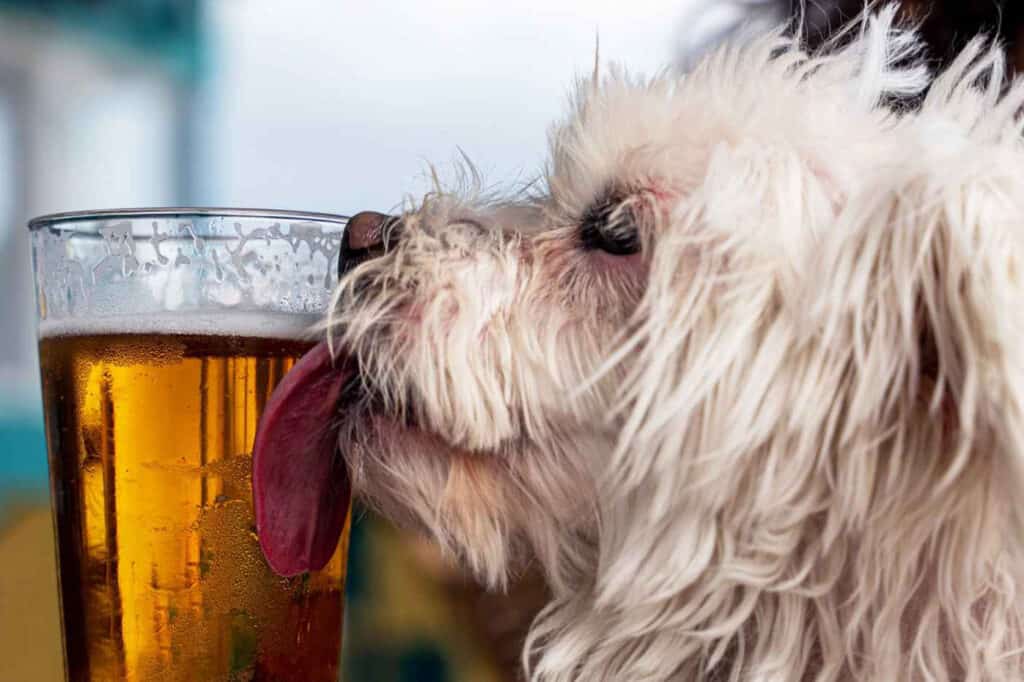
Let’s get straight to the point – NO, dogs should never drink beer or any alcoholic beverages. This isn’t just a suggestion; it’s a critical health warning for your furry friend. As a veterinarian who’s seen the consequences firsthand, I want to share why beer and dogs simply don’t mix.
The Quick Answer: Keep Beer Away From Your Dog
The short answer is absolutely not – dogs should never be allowed to drink beer. Beer contains alcohol (ethanol) which is toxic to dogs, and they have a much lower tolerance for it than humans do. Even small amounts can cause serious health problems.
Why Dogs Seem Attracted to Beer
Ever notice your dog getting curious when you crack open a cold one? There are several reasons for this behavior:
- Sweet Taste: Dogs are naturally drawn to sweet flavors, and beer often has a sweetness that appeals to them
- Enticing Aromas: Your pup’s powerful nose can detect subtle scents in beer that humans might miss
- Mimicking Behavior: Your dog wants whatever you’re having – if you’re enjoying it, they want to try it too!
- Begging Habits: Dogs who regularly beg for your food will likely try to sample your drinks as well
What Happens If Your Dog Drinks Beer?
Alcohol affects dogs much like it affects humans, but at a much more dangerous level. Dogs are significantly more sensitive to alcohol than people, and even small amounts can cause serious problems
Symptoms of Alcohol Poisoning in Dogs
If your dog manages to sneak some beer, watch for these warning signs:
-
Early signs
- Vomiting (sometimes multiple episodes)
- Disorientation and confusion
- Restlessness
- Excessive drooling
- Panting
-
More severe symptoms:
- Loss of coordination or inability to walk
- Lethargy or depression
- Muscle tremors
- Seizures
- Difficulty breathing
- Decreased respiratory rate
- Collapse
- Hypoglycemia (low blood sugar)
- Hypotension (low blood pressure)
- Hypothermia (low body temperature)
In the most severe cases, alcohol poisoning can lead to coma and even death if not treated promptly.
How Much Beer is Too Much?
Here’s the important part – ANY amount of beer is too much for dogs. Dogs have a much lower tolerance for alcohol than humans. The published lethal dose of ethanol in dogs is 5.5 to 7.9 g/kg of 100% ethanol, but problems can occur at much lower amounts.
To put it in perspective, consider this: a tiny sip of beer for a small dog would be like you drinking several beers in one go. The smaller your dog, the more dangerous even tiny amounts become.
Types of Alcoholic Beverages and Their Danger Levels
Dogs may be particularly attracted to these types of alcoholic drinks:
- Fruit-based drinks and cocktails
- Cider
- Seltzers
- Sweet mixed drinks
- Foods that contain alcohol as an ingredient
Here’s a breakdown of ethanol concentrations in common alcoholic beverages:
| Beverage | Proof | % Ethanol by Volume |
|---|---|---|
| Light beer | 5-7 | 2.5-3.5 |
| Regular beer | 8-12 | 4-6 |
| Wine | 20-40 | 10-20 |
| Liqueurs | 42-53 | 21-26.5 |
| Hard liquor (vodka, whiskey, etc.) | 80-90 | 40-45 |
What To Do If Your Dog Drinks Beer
If you know or suspect your dog has consumed beer or any alcoholic beverage:
- Contact a vet immediately – Call your regular vet, an emergency vet clinic, or a pet poison helpline right away
- Provide details – Be ready to tell them what and how much your dog drank
- Don’t induce vomiting unless specifically instructed by a veterinarian
- Monitor symptoms – Keep a close eye on your dog while getting veterinary guidance
- Seek emergency care if your dog shows signs of alcohol poisoning
Remember, time is crucial when dealing with potential poisoning. Don’t wait to see if symptoms develop – get professional help immediately.
Preventing Beer Accidents
Here are some practical ways to keep your furry friend safe:
- Keep drinks out of reach – Don’t leave alcoholic beverages unattended, especially at ground level
- Create separation – Consider putting your dog in another room or in their crate during parties or when you’re having drinks
- Educate guests – Make sure visitors know not to give your dog beer or leave their drinks where your dog can reach them
- Clean spills immediately – Don’t give your pup a chance to lick up spilled alcohol
- Be cautious with food – Many recipes include alcohol, so keep these dishes away from your dog
- Store alcohol properly – Keep beer and other alcoholic beverages stored safely away from curious paws
The “Dog Beer” Alternative
Wait, there’s actually dog beer? Yes! But it’s NOT real beer. “Dog beer” is a non-alcoholic beverage specifically made for dogs. These products contain zero alcohol and are usually made with dog-friendly ingredients like:
- Water
- Bone broth
- Vegetables (carrots, sweet potatoes, corn)
- Fruits
- Oats or barley
- Herbs
- Dog-safe nuts
Some varieties even include supplements like glucosamine for joint health. While these products are safe in moderation, they shouldn’t replace your dog’s regular meals or water. Think of them as an occasional treat rather than a dietary staple.
Myths About Dogs and Beer
Let’s bust some dangerous myths:
Myth #1: A little sip won’t hurt them
FACT: Even small amounts can be harmful, especially for smaller dogs.
Myth #2: My dog seems to like it
FACT: Dogs may be attracted to the taste or smell, but that doesn’t mean it’s safe for them.
Myth #3: Beer can help a dog relax
FACT: Alcohol is a dangerous depressant for dogs and can cause serious health problems.
Myth #4: It’s funny to see a dog get “tipsy”
FACT: What might look amusing is actually alcohol poisoning, which can be deadly.
The Bottom Line
I’ve seen too many panicked pet owners rush their dogs to emergency clinics after accidental alcohol ingestion. Trust me, it’s not worth the risk. Beer and all alcoholic beverages should be kept strictly away from your four-legged friends.
Remember that your dog relies on you to make responsible choices for their health and safety. While we humans can enjoy a beer responsibly, our canine companions simply cannot. Keep the beer in your glass and give your dog some fresh water or a dog-friendly treat instead!
FAQs About Dogs and Beer
Q: My dog accidentally licked a small amount of spilled beer. Should I be concerned?
A: While a tiny lick might not cause serious issues for larger dogs, it’s still best to monitor them closely and call your vet just to be safe. Small dogs are at much higher risk even from tiny amounts.
Q: Can dogs have non-alcoholic beer made for humans?
A: No, even non-alcoholic beers can contain small amounts of alcohol and other ingredients that aren’t safe for dogs. Stick to products specifically made for dogs.
Q: Are some dogs more sensitive to alcohol than others?
A: Yes, smaller dogs and puppies are at higher risk. Dogs with existing health conditions may also be more vulnerable to alcohol’s effects.
Q: What if my dog ate food cooked with beer?
A: Some alcohol may cook off during preparation, but not necessarily all of it. It’s best to avoid giving your dog any food prepared with alcoholic beverages.
Q: How quickly can alcohol affect a dog?
A: Effects can begin within 15-30 minutes of consumption, depending on the amount consumed and the size of your dog.
Remember, when it comes to your dog’s health, it’s always better to be safe than sorry. Keep the beer to yourself and give your furry friend appropriate treats instead!
How Much Water Should Dogs Drink?
In general, most dogs should drink about one ounce of water per pound of body weight, according to PetMD. That means an eight pound Papillon should drink about a cup of water per day, and a 64 pound Retriever should have closer to eight cups. These numbers are for an average weight adult dog with a low to medium activity level on a temperate day. If it is a hot day or you have an active dog, you will need to increase their water intake.
Fresh water is an important component of a dog’s health as it aids cell and organ function. While some pet owners may consider giving distilled water to their dogs, Dr. Peter Dobias, DVM, holistic vet and animal healthcare innovator, does not recommend distilled water, as beneficial minerals are removed from the water, which also offsets the electrolyte balance.
A major concern for dogs who do not get enough water is dehydration. Without water to sustain organs and remove toxins, a dog’s body will begin to shut down. There are other possible causes of dehydration such as illness, kidney disease and cancer so it’s important to look for the signs:
● Loose or wrinkled skin ● Loss of appetite ● Elevated heart rate ● Excessive urination/diarrhea ● Rapid weight loss ● Panting/drooling ● Lethargy ● Vomiting ● Dry, sticky gums
This list is provided by Dr. Karen Becker, DVM, best selling author and wellness advocate, as she points out that dehydrated dogs won’t always act thirsty but may exhibit some of the symptoms above.
Is Dog Beer Safe for Dogs?
Yes, not only is dog beer safe for canines, but it is healthy, too. Fetch Canine Pale Ale and Unleashed Hydrating Energy Brew are both made from unsalted beef bone broth which contains essential nutrients. Add in flavorful fruits and vegetables like apple, carrot and blueberry, and you have a dog beer that supports the immune system, joints and aids in digestion. All ingredients are locally sourced in Canada. Crafty Beasts Brewing Company ensures their dog brew is 100% alcohol free and contains no hops or preservatives.
It’s a taste that dogs will love, and you can pour the beer right into their water bowl. You can mix it in with dry kibble or raw or canned wet food. Make beer ice cubes in the freezer and give as a treat. Pop open a can to serve to your furry friend, and if they don’t drink it all in one sitting, the brew is good for up to 10 days in the refrigerator. Unopened cans of dog beer have a shelf life of one year from the date stamped on the bottom.