
Some families cant imagine taking a vacation without including their dogs. Approximately 37 percent of American families travel with their dogs each year. Â Many dogs love to travel, but it can be stressful for you and your pet if you arent prepared. By planning ahead, you can make sure your journey is safe and comfortable for you and your dog.Â
If youre planning on traveling with pets, whether its for pleasure or necessity, youll need to take some steps to prepare for your dogs needs along the way. Car travel with dogs, especially long trips, requires some forethought. You cant just assume youll be able to get everything you need for your pet during your trip.Â
Have you ever wondered if your furry friend can handle that cross-country road trip you’ve been planning? The good news is that yes dogs can travel long distance in cars – but it takes some preparation to make the journey enjoyable for both of you!
As someone who’s traveled thousands of miles with my own four-legged co-pilot, I can tell you that proper planning makes all the difference Around 37% of American families travel with their dogs each year, so you’re definitely not alone in wanting to bring your pup along for the adventure
Should You Take Your Dog on a Long Distance Road Trip?
Before packing up the car, ask yourself these important questions:
- Does your dog actually enjoy car rides? If they get anxious or car sick on short trips, a cross-country journey might be miserable for both of you.
- Will your itinerary allow enough time for your dog’s needs? Regular breaks, exercise, and attention are essential.
- Are your destinations dog-friendly? If you’ll be attending events where dogs aren’t welcome, you’ll need alternative arrangements.
Sometimes, leaving your pup with a trusted friend or boarding service might be the kinder option. But if you’ve decided your dog is ready for adventure, let’s get planning!
Pre-Trip Planning Essentials
1. Prepare Your Dog
If your dog isn’t used to long car rides, start with some practice runs a few weeks before the big trip. These “test drives” should:
- Be a couple hours long to simulate the real experience
- Include proper restraint methods (more on this later)
- Feature regular rest stops for bathroom breaks and stretching
- End somewhere fun so your dog associates car trips with positive experiences
2. Visit Your Vet
Schedule a check-up before hitting the road to:
- Ensure all vaccinations are up-to-date
- Discuss motion sickness prevention if needed
- Get a health certificate (required when crossing some state lines)
- Address any health concerns specific to your destination
3. Research Dog-Friendly Accommodations
Trust me, there’s nothing worse than arriving exhausted at a hotel only to discover they don’t accept pets! Research and book pet-friendly accommodations in advance.
- Call to confirm pet policies and any additional fees
- Be honest about your dog’s size (some places have weight restrictions)
- Check if there are specific rules about leaving dogs in rooms
The Ultimate Dog Travel Packing List
I’ve forgotten essential dog items too many times, so I now keep a dedicated “doggy go bag” for trips. Here’s what should be in yours:
Food and Water Essentials
- Extra food: Pack more than you think you’ll need in case of delays
- Your dog’s regular food: Switching brands on the road can cause stomach upset
- Bottled water: Unfamiliar water sources can cause digestive issues
- Collapsible bowls: These take up less space than regular bowls
- Dog water bottle: Great for quick drinks during rest stops
Safety Items
- Leash and collar with ID tags: Update tags with your cell phone number
- Harness or pet restraint system: For car safety
- Microchip information: Ensure it’s current before traveling
- Vaccination records: Carry proof of rabies vaccination when crossing state lines
- Pet first-aid kit: Include bandages, antiseptic wipes, and tweezers
Comfort Items
- Familiar bedding: The scent of home provides comfort
- Favorite toys: Pack security toys and chew toys for distraction
- Towels or shammies: For cleaning muddy paws before getting back in the car
- Thunder Shirt: If your dog gets anxious during travel
- Stain and odor eliminator: For cleaning up accidents in hotel rooms
Other Necessities
- Medications: Pack extra in case of delays
- Waste bags: Lots of them!
- Treats: For rewards and distractions
- Grooming supplies: Especially for longer trips
- Protective clothing: If traveling to different climates
Safety First: Restraining Your Dog in the Car
This is super important, folks! An unrestrained dog isn’t just a distraction – they can become a dangerous projectile in an accident.
Best Options (from safest to least safe):
- Crash-tested dog crate: Secured with a seatbelt or anchor strap
- Dog car seat: Less ideal than a crate but better than nothing
- Dog seat belt/harness: Can help prevent distraction but offer limited crash protection
What to NEVER Do:
- NEVER let your dog ride in the front seat (airbags can be deadly)
- NEVER let your dog stick their head out the window (debris can cause eye injuries)
- NEVER put your dog in the back of a pickup truck (even in a crate)
- NEVER leave your dog unrestrained in the car
On the Road: Daily Travel Tips
Before Departure
- Exercise your dog thoroughly before getting in the car
- Feed your dog 3-4 hours before leaving to prevent motion sickness
- Let them use the bathroom right before departure
During the Journey
- Take frequent rest stops (every 2-3 hours) for stretching, bathroom breaks, and water
- Keep your dog leashed at all rest stops – these busy areas are terrible places to lose a pet
- Maintain your dog’s regular feeding schedule as much as possible
- Be cautious about interactions with other dogs at rest areas (potential disease transmission)
The #1 Rule: Never Leave Your Dog Alone in a Car!
I can’t stress this enough – a car can heat up to dangerous temperatures in minutes, even with windows cracked. In many places, it’s illegal to leave your dog in the car regardless of weather, with 31 states having specific laws against this practice.
If you absolutely must leave your dog for a minute (like to use the bathroom):
- Park in shade
- Crack windows slightly (but not enough for someone to reach in)
- Lock the car
- Keep your dog properly restrained
- Make it as brief as possible
Better alternatives:
- Travel with a companion who can stay with the dog
- Use drive-through services when possible
- Visit dog-friendly stores (many allow leashed, well-behaved dogs)
Overnight Accommodations
Hotels and Motels
- Never leave your dog alone in a hotel room (stress can cause barking or destructive behavior)
- Bring your dog’s crate or bed to provide comfort
- Don’t bathe your dog in the hotel tub
- Clean up any messes promptly and report any damage
- Request housekeeping skip your room or crate your dog when they come
Camping
Campgrounds can be a fantastic alternative to hotels when traveling with dogs – they’re usually more affordable, more dog-friendly, and give your pup space to explore. Just be sure to:
- Research pet policies in advance
- Keep your dog leashed at all times
- Clean up waste immediately
- Respect quiet hours (prevent barking)
- Bring appropriate gear for your dog’s comfort
Special Considerations for Different Types of Dogs
Not all dogs have the same needs when traveling. Consider these factors:
Senior Dogs
- May need more frequent rest stops
- Might benefit from joint supplements for the journey
- Could require extra padding in their travel area
Puppies
- Need more bathroom breaks
- May have more energy to burn during stops
- Could be more prone to motion sickness
Anxious Dogs
- Might benefit from natural calming supplements (consult your vet)
- Will need extra comfort items from home
- May do better with shorter travel days
Final Thoughts
Long distance car travel with dogs is totally doable with proper planning and preparation. The key is maintaining as much of your dog’s normal routine as possible while being flexible enough to adapt to the challenges of the road.
Remember, our idea of adventure is different from our dogs’. While we might love the changing scenery and new experiences, dogs thrive on consistency and familiar routines. Balance adventure with comfort, and you’ll have a happy travel companion for miles to come!
Have you taken any epic road trips with your dog? I’d love to hear about your experiences in the comments below!
Safe travels and happy tails!
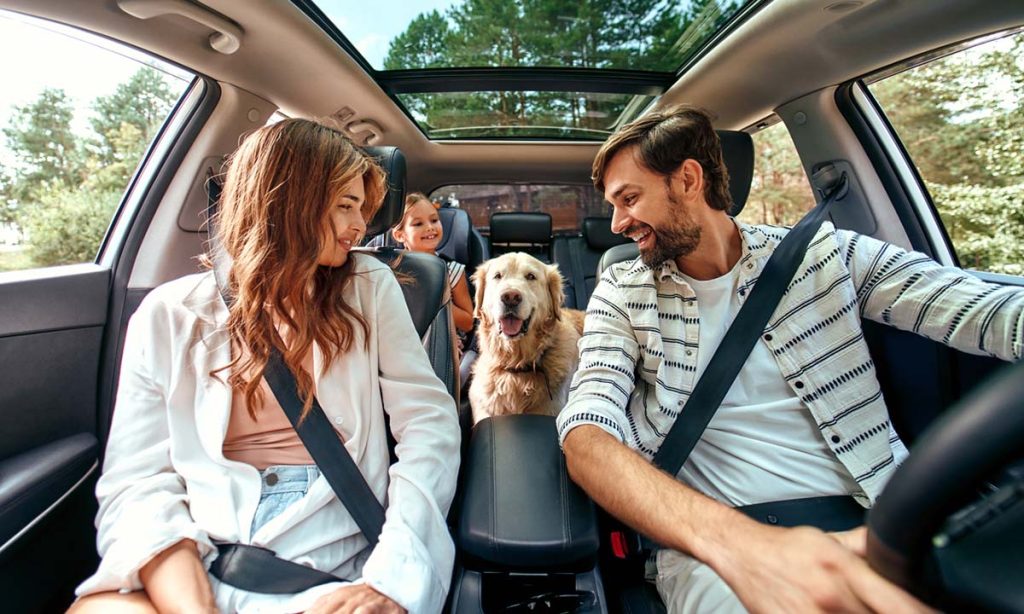
10 Tips for Safe Car Travel
- Keep your pet restrained during the ride. It isnt safe for you or your dog if they are hopping around the car while youre driving. You need to focus on driving, and your dog may distract you if they get excited or scared. Airbags are great for you, but they can kill your pet if you have an accident with them in the front seat. Because of this, pets should be in the back seat. The safest way for your pet to travel is in a carrier that has been strapped to the seat with a seatbelt or other anchor. Make sure the carrier is large enough for your dog to stand up, turn around, and lie down. You can also use a pet seatbelt, but these have not been proven to protect animals during a car crash.
- Take several short trips with your dog to get them accustomed to riding in the car before you take off on a long trip. Gradually increase the length of these shorter trips to work up to long-distance travel with dogs.Â
- Feed your pet a light meal three to four hours before you leave. While youre on the road, always stop to feed your dog. Dont feed them in a moving vehicle. This may help avoid pet car sickness.Â
- Never leave your dog alone in a parked car. It is a safety concern at temperatures higher than 70°F or lower than 35°F. However, passersby may decide to break your window to free your dog if they think they are trapped inside at any temperature.Â
- Pack a travel kit for your pet. Make sure to include your pets health records, including proof of recent immunizations. Bring your pets regular food, water, medications, and bowls. You should also include the supplies you need to clean up after your pet, such as waste bags and a scoop. To keep your pet happy and occupied during the trip, pack a few toys, including some new ones for novelty and a few old favorites. Lastly, dont forget a pet first-aid kit.Â
- Identify your pet. While your pet should have a microchip, make sure they have a collar with an ID tag with your home address and cell phone number as well. For longer trips and vacations, get a temporary tag with the phone number of the destination where youll be staying in case your pet gets lost while youre traveling. All collars should be flat, and never use a choke collar on your dog. Â
- Dont let your dog ride with their head out the window. Theres no denying this makes some dogs happy, and its cute to see. However, your pet risks getting struck by passing debris or thrown out the window in case of a collision or if you have to unexpectedly slam on brakes or turn. If youre following tip #1, this wont be an issue, but its worth repeating.Â
- Carry your pets important documents with you. If youre traveling across state or international borders, a health certificate may be required in addition to proof of rabies vaccination.
- Bring your own water or provide your dog with bottled water. Drinking water from an unfamiliar source may cause an upset stomach. Â
- Prepare your car for your dog. There are many car seats and floor covers that protect your car and add comfort for your dog. If you find yourself frequently traveling with dogs, you may want to invest in some of these. Â
Other Types of Travel With Your Pet
Plane Travel. Traveling by plane can be complicated with a pet. Flying with dogs poses a risk to animals with short nasal passages such as bulldogs and pugs. They are more likely to have problems with oxygen deprivation and heat stroke. If you must fly with your pets, see if they can travel in the cabin with you. This may be an option for smaller pets, but it will require advanced planning. Dont wait until the last minute.Â
You will also need to visit your vet and get a health certificate that is dated no earlier than 10 days before you travel. Check with the airline to make sure you have the right type of carrier.
Train Travel. Amtrak trains only allow dogs who weigh under 25 pounds, so traveling with a dog may not be an option. Smaller train companies may allow pets, and many European railways allow pets. Check with the train company you want to travel with to make sure you have all of the required documentation.Â
Boat Travel. Some cruise lines allow pets to travel with you, but usually only on ocean crossings. Check to make sure your pet will be allowed in your cabin with you, as some ships confine pets to onboard kennels.Â
Top 5 Tips for Safe Car Travel with Your Dog
FAQ
Is it safe to travel with a dog on a car?
Car travel with dogs, especially long trips, requires some forethought. You can’t just assume you’ll be able to get everything you need for your pet during your trip. Keep your pet restrained during the ride. It isn’t safe for you or your dog if they are hopping around the car while you’re driving.
Should you take a long distance road trip with your dog?
Depending on your dog’s temperament and experience traveling by car, the thought of taking a long distance road trip with your pal can either conjure up feelings of freedom and adventure on the open road, or instill dread or even panic. Not to worry. We have you covered from start to finish of your journey.
How do you travel with a dog?
Take several short trips with your dog to get them accustomed to riding in the car before you take off on a long trip. Gradually increase the length of these shorter trips to work up to long-distance travel with dogs. Feed your pet a light meal three to four hours before you leave. While you’re on the road, always stop to feed your dog.
What to do with your dog on a long car trip?
To keep your dog entertained during a long car trip, consider taking them to a dog park, going for a walk or run together, or having a big play session. This should help them be a well-behaved passenger throughout the journey.
Is it safe to ride a car with a dog?
Keep your pet restrained during the ride. It isn’t safe for you or your dog if they are hopping around the car while you’re driving. You need to focus on driving, and your dog may distract you if they get excited or scared. Airbags are great for you, but they can kill your pet if you have an accident with them in the front seat.
Can a dog travel on a plane?
Plane Travel. Traveling by plane can be complicated with a pet. Flying with dogs poses a risk to animals with short nasal passages such as bulldogs and pugs. They are more likely to have problems with oxygen deprivation and heat stroke. If you must fly with your pets, see if they can travel in the cabin with you.
How long can a dog be in a car for a road trip?
… by car, stop every few hours to let your pet relieve themselves, drink water, and stretch their legs, and try to limit your travel day to about seven hours …
Are long car rides ok for dogs?
It is safe if your dog enjoys long drive. Some dogs have severe motion sickness issues and its not advisable to travel for such long hours. While some dogs love traveling. Try to take him on a drive for a couple of hours first and see how he takes it. You can gradually train him for longer periods in the car.
How to travel long distance with a dog in a car?
Falsetta recommends using a dog sling or hammock in the back seat to create a safe and comfortable space for your travel buddy. These tools can keep your pet safe in the car—and may also save your car’s upholstery from fur and claw marks.
Do dogs get tired from long car rides?
Yes, dogs absolutely get tired from long car rides, as they are physically and mentally stimulating and can cause anxiety or discomfort if left unaddressed. Just like humans, dogs need regular breaks to relieve themselves, stretch their legs, and drink water, typically every two to four hours. To help your dog cope with a long journey, take them for a long walk or run before getting in the car, and provide familiar items like a blanket to create a sense of comfort and security.