
Lyme disease is a tick-borne illness that can cause a wide range of symptoms– affecting both humans and their pets. Lyme is transmitted through the bite of infected deer ticks. As summer quickly approaches, cases of Lyme disease are starting to rise in our communities. In this blog post, we’ll explore whether or not it’s possible to get Lyme disease from your dog and provide more information on how to prevent the infection.
For same-day tick bite & Lyme care, visit AFC Urgent Care Louisville. The walk-in clinic is open seven days a week, making healthcare accessible to those with the busiest schedules. Simply walk-in or pre-register online today!
Worried about catching Lyme disease from your furry best friend? You’re not alone! As someone who’s spent years researching pet health topics, I’ve seen this question pop up repeatedly among concerned dog owners. Let’s dive into what science actually tells us about whether humans can get Lyme disease from dogs.
The Short Answer: Not Directly, But There’s More to the Story
No, humans cannot get Lyme disease directly from dogs – but that doesn’t mean your dog’s Lyme disease diagnosis isn’t relevant to your health Confused? Don’t worry, I’ll explain everything in detail below!
What Exactly Is Lyme Disease?
Lyme disease is an infection caused by bacteria called Borrelia burgdorferi (and rarely B. mayonii in the United States). This disease gets its name from Lyme Connecticut, where it was first identified in 1975.
The disease affects both humans and animals, including our canine companions. It’s transmitted through the bite of infected blacklegged ticks (also called deer ticks, Ixodes scapularis) in the northeastern, mid-Atlantic, and north-central United States, and western blacklegged ticks (Ixodes pacificus) along the Pacific Coast.
How Lyme Disease Spreads: The Tick Connection
To understand whether you can get Lyme disease from your dog, we need to understand the transmission cycle:
- Tick Life Cycle: Blacklegged ticks have a 2-3 year life cycle with four stages: egg, larva, nymph, and adult.
- Infection Process: Larval and nymphal ticks become infected when they feed on infected wildlife hosts (usually rodents).
- Transmission to New Hosts: The infected nymphs or adult females then spread the bacteria during their next blood meal – whether that’s on a dog, human, or other mammal.
The key point? Ticks are the vectors that spread Lyme disease – not dogs themselves.
Can Dogs Give Humans Lyme Disease? The Real Risk
According to the Centers for Disease Control and Prevention (CDC), there is no evidence that Lyme disease can be directly transmitted from dogs to humans. You cannot get Lyme disease from:
- Petting your dog
- Being licked by your dog
- Sleeping with your dog
- Touching your dog’s blood
However, here’s where it gets tricky: dogs can serve as “tick taxis,” bringing infected ticks into your home or yard. These ticks could then detach from your dog and bite you or other family members.
As one veterinarian puts it: “While the risk of direct transmission of Lyme disease from dogs to humans is low, it is important for pet owners to be proactive in protecting their pets from ticks to prevent potential exposure to the disease.”
Why Your Dog’s Lyme Disease Diagnosis Matters to Your Health
If your dog tests positive for Lyme disease, consider it a warning sign! According to a 2011 CDC study mentioned by the Companion Animal Parasite Council (CAPC):
- Human Lyme disease incidence was effectively zero when canine seroprevalence was less than 1.3%
- In states where more than 5% of dogs tested positive, human Lyme disease was about 100 times higher
In other words, where dogs are getting Lyme disease, people are getting it too – not FROM the dogs, but from the same ticks in the same environments.
The Real Danger: Time Matters With Tick Bites
Here’s some reassuring news: in most cases, a tick must be attached for more than 24 hours before the Lyme disease bacteria can be transmitted. This means prompt tick removal can significantly reduce your risk!
But there’s a catch – nymphal ticks (about the size of a poppy seed) are particularly dangerous because they’re incredibly difficult to spot. Many Lyme disease patients don’t even remember being bitten by a tick before getting sick.
7 Ways to Protect Yourself and Your Dog From Lyme Disease
- Use year-round tick prevention for your dog – talk to your vet about the best options
- Check yourself and your dog for ticks after outdoor activities, especially in wooded areas
- Remove ticks promptly using fine-tipped tweezers, grasping close to the skin and pulling straight out
- Consider Lyme vaccination for your dog if you live in a high-risk area
- Reduce tick habitat in your yard by keeping grass short and removing leaf litter
- Wear protective clothing when in tick-prone areas (long sleeves, pants tucked into socks)
- Get your dog tested yearly for Lyme disease if you live in an endemic area
Common Questions About Dogs and Lyme Disease
Should I be worried if my dog has Lyme disease?
While you can’t catch it directly from your dog, it means ticks in your area are carrying the disease. Monitor your dog’s health closely and take precautions against ticks for both of you.
What are the symptoms of Lyme disease in dogs?
Dogs typically show lameness, fever, lethargy, and swollen joints. Some dogs test positive but never show symptoms.
Can indoor dogs get Lyme disease?
Yes, though the risk is lower. Ticks can hitch a ride inside on humans or other pets.
Is Lyme disease fatal for dogs?
With prompt treatment, it’s rarely fatal. However, untreated cases can lead to serious complications including kidney damage.
Can Lyme disease be cured in dogs?
With appropriate antibiotic treatment prescribed by your vet, most dogs respond well. Early detection improves outcomes.
What About Other Transmission Routes?
Let’s clear up some common misconceptions about how Lyme disease spreads:
- Sexual contact: There is no credible scientific evidence that Lyme disease spreads through touching, kissing, or sexual contact.
- Pregnancy: Untreated Lyme disease during pregnancy can possibly lead to placental infection, but this is extremely rare. With appropriate antibiotics, there’s no increased risk of adverse birth outcomes.
- Breastfeeding: No reports exist of Lyme disease spreading to infants through breast milk.
- Blood transfusion: While no cases have been linked to blood transfusions, the bacteria can survive in stored blood. People being treated for Lyme disease should not donate blood.
- Food/water/air: There is no credible evidence of transmission through air, food, or water.
- Other insects: Mosquitoes, flies, fleas, and lice cannot transmit Lyme disease.
Other Ticks That Don’t Spread Lyme Disease
Not all ticks transmit Lyme disease. These ticks cannot transmit Lyme disease bacteria:
- Lone star ticks (Amblyomma americanum)
- American dog tick (Dermacentor variabilis)
- Rocky Mountain wood tick (D. andersoni)
- Brown dog tick (Rhipicephalus sanguineus)
However, these ticks can transmit other diseases, so prevention remains important!
The Bottom Line: Dogs Are Warning Systems, Not Sources
To sum everything up: your dog can’t give you Lyme disease directly, but if they’ve been diagnosed with it, take it as a serious warning that you’re in an area where infected ticks are present.
I’ve always told my readers that our pets can be like canaries in the coal mine when it comes to environmental health threats. If your dog tests positive for Lyme disease, it’s time to double down on tick prevention for everyone in the family – both two-legged and four-legged members!
Remember, the best protection against Lyme disease is preventing tick bites in the first place. Stay vigilant, check for ticks regularly, and enjoy the outdoors safely with your furry friend.
Have you ever found a tick on your dog? What tick prevention methods work best for your family? I’d love to hear your experiences in the comments below!
Resources for More Information
- Centers for Disease Control and Prevention (CDC)
- Your local veterinarian
- American Veterinary Medical Association
- Companion Animal Parasite Council (CAPC)
Disclaimer: This article is for informational purposes only and is not a substitute for professional medical or veterinary advice. If you suspect Lyme disease in yourself or your pet, please consult a healthcare professional or veterinarian.
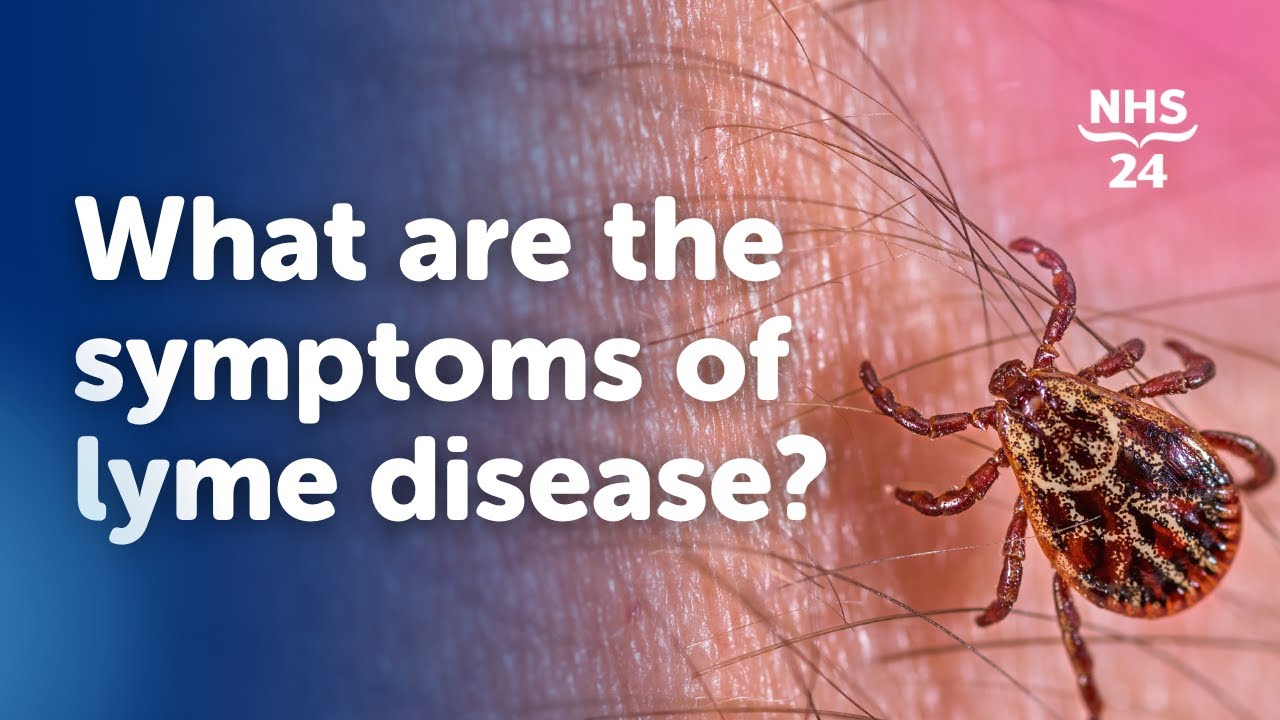
Signs and Symptoms of Lyme Disease
Lyme disease symptoms can be particularly debilitating and develop into complications if left untreated. Lyme is typically treated with antibiotics. Early detection and treatment is crucial for a full, healthy recovery.
Common Lyme symptoms include:
- Bull’s eye rash
- Fatigue
- Fever
- Joint pain
Is It Possible To Contract Lyme Disease From Pets?
It’s important to understand how Lyme disease spreads. A common misconception about Lyme disease is that the infection is contagious, which is not the case. Both humans and pets can only get Lyme disease from an infected ticks bite. This being said, dogs are fairly susceptible to Lyme disease. They can become infected after spending time in wooded, grassy areas where a tick may latch onto their skin.
While your dog cannot directly infect you with Lyme, it’s quite possible that they can carry ticks into the home. If your dog brings an infected tick inside your living space, they could potentially transmit the bacteria to anyone living there. This means it’s crucial to perform regular tick checks on not only yourself, but your dog as well!