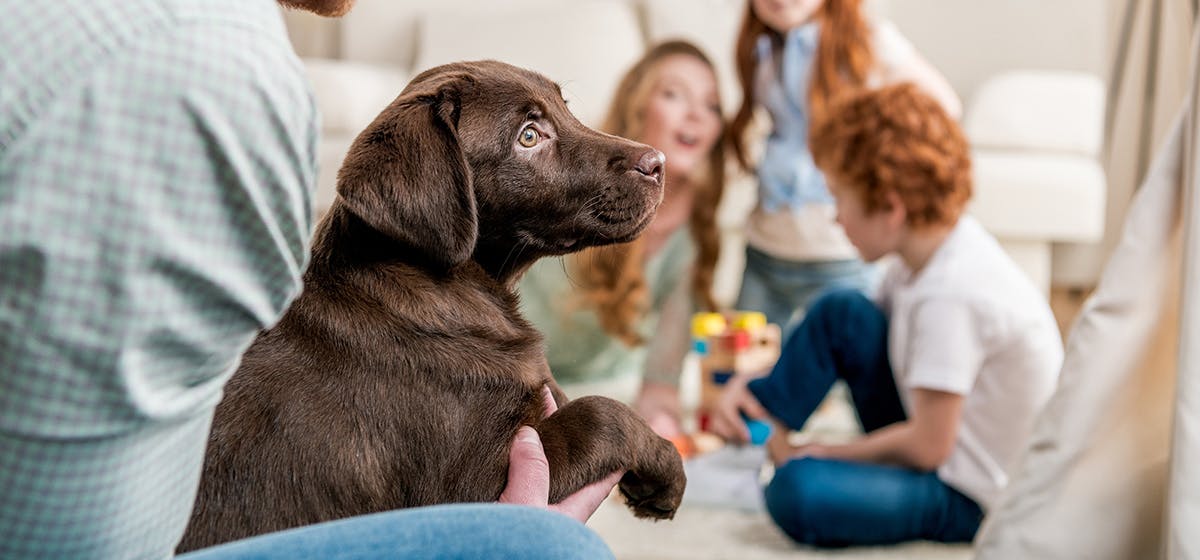
Have you ever walked through the door after a long day and been greeted by your furry friend with a level of excitement that seems reserved just for you? Or noticed how your dog behaves differently around various family members? These observations might have left you wondering: can dogs really tell who your family is?
As a dog owner myself I’ve always been fascinated by how my pooch seems to have a special connection with certain people in my household. Let’s dive into this intriguing topic and explore how our four-legged companions recognize their human family members.
The Science Behind Dog Recognition
Dogs have evolved alongside humans for thousands of years, developing remarkable abilities to understand and interact with us. Their recognition skills are quite sophisticated, using multiple senses to identify who’s who in their human pack.
The Power of Scent
When it comes to recognizing family members a dog’s nose leads the way
- Superior smelling ability: Dogs have 10,000 to 100,000 times more sensitive noses than humans
- Unique scent signatures: Each person has a distinct scent profile that dogs can detect and remember
- Scent memory: Dogs form lasting memories associated with these unique smells
This incredible olfactory ability explains why your dog might recognize your scent on clothing or why they seem to know you’re coming home before you even walk through the door!
Visual Recognition
Despite what many believe, dogs can actually recognize human faces:
- Research from the University of Helsinki found that dogs can distinguish between familiar and unfamiliar faces
- Dogs pay special attention to the eyes when looking at faces
- Dogs living with families showed more interest in human faces than dogs living in kennels
However, their visual recognition isn’t quite as developed as their sense of smell. They might struggle more with visual recognition in certain situations, such as when faces are presented upside down.
Sound Recognition
Your dog’s ears are also helping them identify family members:
- Dogs can recognize specific vocal tones, pitches, and inflections
- They can distinguish between different family members’ voices
- Even subtle sounds like your footsteps or the jingle of your keys can help them identify who’s approaching
How Dogs Build Bonds with Family Members
Recognizing family members goes beyond just identifying them—it involves forming emotional connections too.
Bonding Through Routine
Dogs are creatures of habit who thrive on routine and consistency:
- Regular feeding, walking, and playtime create strong associations
- Daily interactions build trust and familiarity
- Consistent care helps your dog view you as their primary caretaker
Emotional Connection
Dogs are remarkably attuned to human emotions:
- They can sense when family members are happy, sad, or stressed
- This emotional intelligence strengthens the bond between dogs and their owners
- They often respond differently to family members based on emotional states
Social Hierarchy
As pack animals, dogs naturally establish social hierarchies:
- They typically view their primary caregiver as the “pack leader”
- Different family members may hold different positions in this hierarchy
- Dogs look to their “leader” for guidance and direction
Can Dogs Recognize Blood Relatives They’ve Never Met?
This is where things get really interesting! Many dog owners wonder if their pets can somehow sense when they meet human relatives who share their owner’s DNA.
To date, there’s no concrete evidence to suggest that dogs have an innate ability to identify family members they have never met based purely on genetic markers or scent. Does that mean it’s impossible? Not necessarily. But further research would be needed to make such a claim.
What might happen instead:
- Dogs may react to similar mannerisms, voices, or appearances shared by family members
- They might pick up on your own comfort level and body language around relatives
- Shared household scents could create some familiarity
Factors That Affect How Dogs Recognize Family
Not all dogs recognize family members in the same way. Several factors influence their recognition abilities:
Age and Development
- Puppies are more impressionable and form recognition patterns quickly
- Older dogs may rely more on established cues
- Aging can affect sensory abilities, potentially impacting recognition
Breed Differences
While all dogs can recognize family members, certain breeds might excel at different aspects:
- Scent hounds may rely more heavily on smell
- Working breeds often pay close attention to visual cues
- Some breeds may form stronger attachments to primary caregivers
Individual Experience
A dog’s personal history plays a huge role:
- Early socialization affects how dogs interact with people
- Previous experiences (positive or negative) shape future interactions
- The quality and frequency of interactions with family members matter
Signs Your Dog Recognizes Family Members
How can you tell if your dog recognizes someone as family? Look for these telltale signs:
Positive Recognition Signs
- Excited barking: Dogs often have a distinct “happy bark” for family
- Tail wagging: Enthusiastic, full-body wags indicate recognition and joy
- Physical contact: Jumping up, licking, or leaning against family members
- Relaxed posture: Ears up, body relaxed, open mouth “smile”
- Bringing toys: Offering toys is a sign of comfort and trust
Signs of Uncertainty
When meeting unfamiliar people, dogs might show:
- Cautious approach and sniffing
- More reserved behavior initially
- Looking to their owner for reassurance
Practical Tips to Help Your Dog Recognize Family
Want to strengthen your dog’s bond with family members? Try these strategies:
For Immediate Family
- Consistent interaction: Regular quality time helps reinforce recognition
- Positive reinforcement: Rewards and affection create positive associations
- Shared activities: Walking, training, and playing together strengthen bonds
- Feeding duties: Having different family members participate in feeding can build connections
For Extended Family or New Members
- Gradual introduction: Allow for calm, positive first meetings
- Scent familiarity: Having the person offer treats or toys can create positive associations
- Respect boundaries: Let your dog approach new people at their own pace
- Consistency: Regular visits help your dog recognize extended family over time
Frequently Asked Questions
Can my dog recognize relatives they haven’t seen in years?
Yes! Dogs have impressive long-term memory, especially for people who were significant in their lives. They may recognize family members after long absences through scent, appearance, and voice.
Do dogs prefer certain family members over others?
Absolutely. Dogs often form stronger bonds with those who feed them, play with them, or spend the most time with them. This doesn’t mean they don’t recognize other family members—they just might have a favorite!
Can my dog tell if someone is related to me?
While dogs don’t understand the concept of genetic relatedness, they might notice similarities in scent, appearance, or mannerisms between family members. However, there’s no evidence they can detect blood relations purely through scent or instinct.
Will my dog recognize my baby as family?
Dogs generally adapt well to new family members, including babies. They’ll learn to recognize the baby’s scent and associate them with the family unit. Always supervise interactions and introduce your dog to the baby gradually and positively.
Conclusion
So, can dogs tell who your family is? The answer is a resounding yes—but through their own unique canine perspective. They use a combination of scent, sight, sound, and emotional connections to identify and bond with family members.
Our dogs don’t understand family trees or genetic relationships the way we do. Instead, they build their understanding of “family” through daily interactions, consistent care, and emotional bonds. To them, family is about who feeds them, walks them, plays with them, and makes them feel safe and loved.
Next time your pup greets you with unbridled enthusiasm, remember that they’re not just excited to see any human—they’re recognizing YOU, their beloved family member, through a complex web of sensory information and emotional connection. It’s just one of the many ways these amazing animals have adapted to live alongside us as cherished members of our families.
And honestly, isn’t that just paw-some? (Sorry, couldn’t resist a dog pun to end this article!)