
Heartworm disease is a serious condition that can lead to irreparable organ damage in dogs. In this article, staff at Carolina Veterinary Specialists explain what pet owners should be prepared for during their dogs heartworm treatment.
Let’s face it – as dog parents, we’re constantly worried about keeping our furry friends safe from nasty parasites like heartworms. But what if the very medicine meant to protect them could actually make them sick? It’s a scary thought, but one we need to address.
After researching this topic extensively, I’ve discovered some concerning information about heartworm medications that your vet might not be telling you. Let’s dive into the real risks and side effects these drugs can have on your beloved pup.
The Truth About “Preventative” Heartworm Medication
First things first – that “preventative” label on heartworm medicine? It’s a bit misleading Here’s why
- These medications don’t actually prevent heartworms from entering your dog’s body
- Instead, they kill heartworm larvae that may already be present after a mosquito bite
- They’re actually treatment drugs, not preventative drugs
- They treat a condition your dog may not even have!
As the folks at Dogs Naturally Magazine point out, heartworm drugs are essentially pesticides that work by paralyzing the worm’s nervous system. That doesn’t sound so great for your dog’s own nervous system, does it?
Common Side Effects of Heartworm Medications
Yes, heartworm medicine absolutely can make your dog sick. The FDA has received thousands of Adverse Drug Experience (ADE) reports for popular heartworm medications. Here are some of the most common side effects reported:
Digestive Issues
- Vomiting (sometimes with blood)
- Diarrhea (sometimes with blood)
- Loss of appetite
- Hypersalivation
Neurological Problems
- Seizures
- Ataxia (loss of coordination)
- Trembling
- Weakness
- Depression/lethargy
Skin Reactions
- Itching
- Hair loss (especially at application sites for topical treatments)
- Urticaria (hives)
Severe Reactions
- Anaphylaxis
- Collapse
- In some extreme cases, death
And get this – many veterinarians don’t even report these side effects to the FDA, either because they don’t recognize them as being related to the heartworm medication or because they’re too busy to file a report. So these adverse reactions are likely much more common than the official numbers suggest!
Major Heartworm Medications and Their Specific Risks
Let’s break down some of the most popular heartworm drugs and their reported side effects
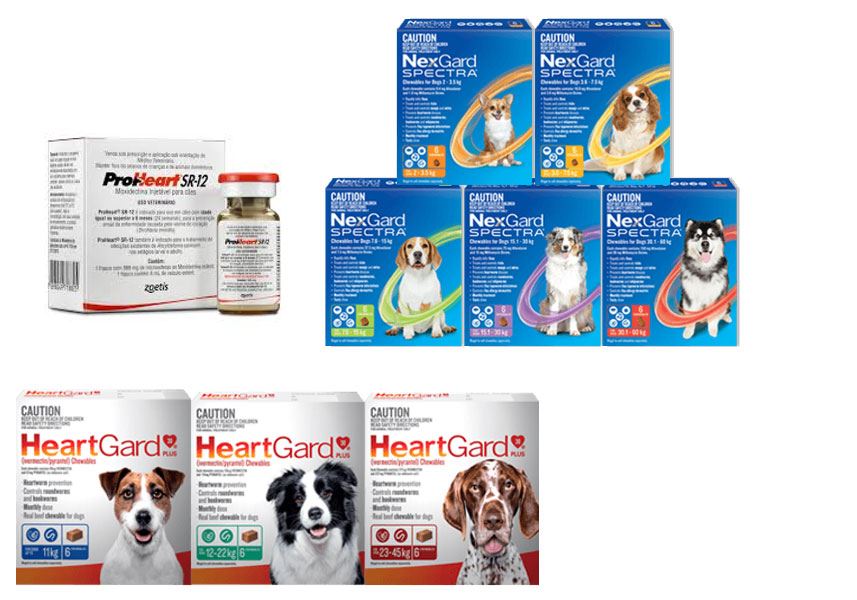
Heartgard Plus, Iverhart Plus, and TriHeart Plus
These medications all contain ivermectin and pyrantel pamoate. According to ADE reports, top issues include:
- Ineffectiveness against parasites (yes, sometimes they don’t even work!)
- Vomiting
- Diarrhea
- Depression/lethargy
- Seizures
- In some cases, death
Sentinel and Interceptor
These meds contain milbemycin oxime (Sentinel also includes lufenuron). Common problems reported:
- Ineffectiveness against parasites
- Vomiting
- Depression/lethargy
- Diarrhea
- Itching
- Trembling
- Seizures
Trifexis
This controversial drug combines milbemycin oxime with spinosad. It’s gotten so much negative attention that there’s even a Facebook page called “Does Trifexis Kill Dogs?” Reported issues include:
- Vomiting
- Depression/lethargy
- Lack of effectiveness against fleas
- Loss of appetite
- Seizures
- Trembling
Revolution and Advantage Multi
These topical options aren’t necessarily safer. Revolution (selamectin) reports include:
- Ineffectiveness
- Vomiting
- Depression/lethargy
- Skin issues
Advantage Multi (imidacloprid and moxidectin) has been linked to
- Depression/lethargy
- Vomiting
- Loss of appetite
- Skin problems
- Behavioral changes
ProHeart 6 and ProHeart 12
These injectable medications deserve special attention. ProHeart 6 was actually recalled in 2004 after over 5,500 adverse events were reported, including approximately 500 deaths! It’s back on the market now, along with a longer-lasting version, but the manufacturer’s own prescribing information lists a shocking array of potential side effects, including:
- Immune system reactions (anaphylaxis, shock)
- Gastrointestinal problems
- Neurological issues (seizures, trembling)
- Liver problems
- And much more
The worst part? Since these are injectable medications that last 6-12 months, if your dog has a bad reaction, you can’t just stop giving the medicine. It’s already in their system for the duration.
Why the Risks May Outweigh the Benefits
So why do vets still recommend these medications? Well, heartworm disease is certainly serious and can be fatal if left untreated. But there are some important facts to consider:
- The medications don’t always work – ineffectiveness is one of the most commonly reported issues
- Your dog may be exposed to toxic chemicals monthly for a disease they might never get
- Long-term use puts strain on your dog’s liver and kidneys as they work to remove these toxins
- The weakened immune system after taking these pills may make your dog more susceptible to other diseases
Natural Alternatives to Consider
The good news is that you don’t have to choose between heartworm disease and potentially harmful medications. There are natural approaches to consider:
Strengthen Your Dog’s Immune System
- Feed a nutrient-rich diet
- Ensure regular exercise
- Reduce exposure to environmental toxins
Prevent Mosquito Bites
- Use natural mosquito repellents (diluted essential oils like lemongrass or eucalyptus)
- Keep your yard free of standing water
- Limit outdoor time during peak mosquito hours
Consider Herbal Options
- Some holistic vets recommend herbs like black walnut, wormwood, and small amounts of garlic
Test More Frequently
- Rather than giving preventative medicine year-round, consider more frequent testing (every 3-6 months)
- This allows for early detection while avoiding unnecessary medication
Special Considerations for Sensitive Dogs
Some dogs are more prone to medication sensitivities than others. According to VetInfo, certain breeds like shelties and dobermans seem to show increased sensitivity to heartworm medications. If your dog has:
- A history of seizures
- Previous reactions to medications
- Liver or kidney issues
- Breed-specific sensitivities
…you should definitely consult with your vet before giving any heartworm medications, and perhaps look into alternative approaches.
My Personal Take
I’ll be honest – I’ve struggled with this decision for my own dogs. After seeing one of my pups have a scary reaction to a heartworm pill (vomiting and lethargy that lasted for days), I started researching alternatives.
What I’ve learned is that there’s no one-size-fits-all approach. The right choice depends on:
- Where you live (heartworm risk varies by region)
- Your dog’s individual health status
- Your comfort level with different approaches
For me, I’ve moved to a more natural approach with more frequent testing, and I feel good about that decision. But whatever you choose, make sure it’s an informed choice!
Final Thoughts
Yes, heartworm medicine can definitely make your dog sick. While heartworm disease is serious, the medications used to prevent it come with their own set of risks that shouldn’t be ignored.
The most important thing is to be aware of these potential side effects so you can make an informed decision and keep a close eye on your dog after administering any medication. And remember – there are alternatives that might be worth exploring with your holistic vet.
Your dog depends on you to make the best healthcare decisions for them. By educating yourself about both the benefits AND risks of heartworm medications, you’re being the advocate your furry friend deserves.
Have you experienced side effects from heartworm medications with your dog? I’d love to hear your experiences in the comments below!
What is heartworm disease?
Heartworm is spread through the bite of an infected mosquito, which can pass a parasitic worm called dirofilaria immitis into a dogs bloodstream. Heartworm is not contagious, and cannot be passed from one host dog to another, it is only through Mosquito bites that heartworm passes. Do not make the mistake of thinking that means the risk of heartworm is low; heartworm has been reported in all 50 states while being especially common between New Jersey and the Gulf of Mexico, as well as along the Mississippi River and its major tributaries.
If your pet is bitten by an infected mosquito, the worms will mature into adults, mate, and produce offspring while living inside your pets heart, lungs, and blood vessels.
What is heartworm treatment in dogs?
The team at Carolina Veterinary Specialists cannot stress enough that, when it comes to heartworm, prevention is vastly superior to treatment. We recommend contacting your vet post-haste to formulate a preventative treatment plan for your canine companion if you have not already. Most commonly Heartworm prevention is administered through a monthly medication that can be prescribed by your vet.
In the cases Where preventative measures fail to prevent infection, there are treatment options available for your pet, though all come with the possibility for serious side effects and health complications, though fatalities are rare.
Because Heartworm is undetectable until at least 5 months after infection, many dogs are suffering from advanced Heartworm Disease by the time they are diagnosed, requiring swift and intense treatment. In rare cases, the damage to the dogs internal organs may be so severe by the time the condition is detected that it is better to treat the damage and keep the patient comfortable rather than assume the additional risks associated with attempting to kill the heartworms. Dogs in this advanced condition have a life expectancy of only a few weeks or months.
Thankfully, a new medication has been developed for killing adult heartworms while having fewer dangerous side effects. Melarsomine is an injectable drug that kills adult heartworms that is administered over the course of multiple injections. Typically your dog will be given a 30 day rest period after their first injection, after which they will receive two more injections 24 hours apart. Antibiotics will also be prescribed to combat any infectious bacteria the heartworms may be carrying. With this new medication, 95% of dogs with heartworms are now able to be successfully treated.
Your dog will also receive treatment to kill juvenile heartworms (microfilaria) either before or after their Melarsomine treatment. Your dog may need to spend the night in the hospital for observation on the day this treatment is administered.
Is Heartworm Medicine for Dogs Necessary?
FAQ
Do dogs get sick after heartworm treatment?
Does heartworm medicine have any side effects?
Why is my dog acting weird after a heartworm shot?
Panting, trembling, and restlessness after a heartworm shot can indicate a mild vaccine reaction or stress. Symptoms usually resolve within a few hours.
Can heartworms cause diarrhea?