
Bathing your dog is a crucial aspect of pet care that ensures their skin and coat remain healthy, clean, and free from potential irritants. However, many pet owners are often left wondering, “How often should you bathe your dog?” The frequency of baths depends on various factors, including your dog’s breed, coat type, lifestyle, and overall health. This comprehensive guide will walk you through the essential considerations, helping you determine the best bathing routine for your furry friend.
As a dog owner, I’ve often wondered if I could skip the shampoo and just give my furry friend a quick rinse. Maybe you’re in the same boat – your pup got a bit muddy, but you’re out of dog shampoo or perhaps you’re concerned about using too many products on your pet’s sensitive skin. Whatever your reason the question remains can I bathe my dog with just water?
The short answer? Yes, sometimes you can bathe your dog with just water, but it’s not ideal for regular cleaning. Let me break this down for you with everything I’ve learned about canine hygiene.
Understanding Dog Bathing Basics
Before diving into water-only bathing, it’s important to understand why we bathe our dogs in the first place. Regular bathing serves several important purposes
- Removes dirt, debris, and parasites from your dog’s coat
- Helps distribute natural skin oils
- Reduces allergens and dander
- Provides an opportunity to check for skin issues
- Keeps your furry friend smelling fresh (well, fresher!)
Dogs have different skin pH than humans (between 55 and 75, which is slightly acidic to neutral), and their bathing needs vary based on breed, coat type, lifestyle, and health conditions.
The Role of Water in Dog Bathing
Water is obviously the foundation of any bath, but its quality and temperature matter more than you might think:
- Temperature matters: Always use lukewarm or cool water. Hot water can strip natural oils and irritate your dog’s skin.
- pH level counts: The pH level of your water can affect your dog’s skin. Ideally, water should be neutral to slightly acidic to match your dog’s skin pH.
- Thorough rinsing: Whether using shampoo or not, thorough rinsing is crucial to remove all residue.
When Water-Only Bathing Works Well
There are definitely situations where a water-only bath makes perfect sense:
-
Quick rinses after muddy walks: If your dog just got a bit dirty from playing outside but isn’t truly filthy, a water rinse might be sufficient.
-
Dogs with extremely sensitive skin: Some dogs have such sensitive skin that even gentle shampoos cause irritation.
-
Between regular baths: To extend the time between full shampoo baths, water rinses can help keep your dog fresher.
-
After swimming: If your dog has been swimming in clean water, a fresh water rinse to remove chlorine or salt might be all that’s needed.
My neighbor’s Border Collie has super sensitive skin, and she’s found that rinsing him with just warm water after light exercise helps keep him clean without triggering any skin issues.
The Limitations of Water-Only Bathing
While water can help in some situations, it does have significant limitations:
-
Oil removal: Water alone doesn’t effectively break down oils on your dog’s coat. It’s like trying to clean a greasy pan with just water – some things just need soap!
-
Odor control: Water can rinse away some surface odors, but won’t eliminate stronger doggy smells.
-
Parasites and allergens: Water doesn’t effectively remove or kill fleas, ticks, or allergens that may be in your dog’s coat.
-
Deep cleaning: For truly dirty dogs, water simply can’t penetrate and clean as effectively as a proper dog shampoo.
Bathing Frequency by Coat Type
Different dogs need different bathing schedules. Here’s a handy reference:
| Dog Breed Type | Coat Type | Recommended Bathing Frequency |
|---|---|---|
| Short-haired breeds (Beagle, Boxer) | Short, smooth coat | Every 2-3 months |
| Long-haired breeds (Afghan Hound, Old English Sheepdog) | Long, thick coat | Every 1-2 months |
| Curly-haired breeds (Poodle, Bichon Frise) | Curly, thick coat | Every 1-2 months |
Remember that these are just guidelines – your dog’s individual needs matter most!
Alternatives to Regular Shampoo Baths
If you’re concerned about using regular shampoo but find water-only baths insufficient, there are several alternatives:
Waterless Shampoos and Dry Shampoos
These products can be applied without water and brushed through your dog’s coat. They’re great for:
- Dogs who hate water
- Quick freshening between baths
- Winter months when full baths are less practical
Medicated Shampoos and Conditioners
If your dog has skin issues, your vet might recommend specialized products. These address specific problems like:
- Allergies
- Skin infections
- Excessive dryness or oiliness
- Parasite control
Natural Rinse Additives
Some natural additives can enhance a water-only bath:
- A splash of apple cider vinegar (diluted) can help balance skin pH
- Oatmeal water (strained) can soothe itchy skin
- A very small amount of coconut oil can be moisturizing for dry coats
The Risks of Using Human Products
I’ve definitely been tempted to use my own shampoo on my dog when I’ve run out of pet shampoo, but this is a bad idea. Human shampoos:
- Have the wrong pH balance for dogs
- Often contain fragrances that irritate canine skin
- May include ingredients toxic to dogs
- Strip essential oils from your dog’s coat
Even “gentle” baby shampoos aren’t formulated for dogs and should only be used in absolute emergencies.
My Experience with Water-Only Bathing
Last summer, my Labrador Retriever got into a muddy puddle during our hike. With no dog shampoo on hand, I gave him a thorough rinse with just water when we got home. While it removed the visible mud, I noticed his coat didn’t have that truly clean feel, and by the next day, he had that distinct “dog smell” again.
Now I keep some dog-safe wipes and dry shampoo for these situations, but I’ve learned that water-only baths do have their place in our routine – especially for quick clean-ups between proper baths.
A Step-by-Step Guide to Water-Only Bathing
If you do decide to give your dog a water-only bath, here’s how to make it as effective as possible:
-
Brush thoroughly first: Remove loose fur and debris before getting your dog wet.
-
Use lukewarm water: Too hot or too cold will make the experience unpleasant for your pup.
-
Wet thoroughly: Make sure water penetrates all layers of the coat, especially for double-coated breeds.
-
Massage vigorously: Use your fingers to massage down to the skin, mimicking the mechanical action of shampooing.
-
Rinse completely: Even without shampoo, ensure all dirt and debris is rinsed away.
-
Dry properly: Towel dry and, if your dog tolerates it, use a blow dryer on a low, cool setting.
-
Brush again: Once dry, brush through the coat to distribute oils and remove any remaining loose fur.
Signs Your Dog Needs More Than Water
How do you know if water-only bathing isn’t enough? Watch for these signs:
- Persistent odor: If your dog still smells after a water bath
- Visible dirt or greasiness: If the coat looks or feels dirty after drying
- Scratching or skin irritation: Could indicate parasites or buildup that water alone isn’t addressing
- Matting or tangling: Especially in long-haired breeds, suggesting oils aren’t being properly removed
Additional Tips for Keeping Your Dog Clean
Beyond bathing, try these strategies for maintaining your dog’s hygiene:
- Regular brushing: This removes loose fur and distributes natural oils
- Wipe down after walks: Use dog-safe wipes on paws and underbelly
- Clean bedding regularly: This prevents recontamination after bathing
- Proper diet: Good nutrition contributes to healthier skin and coat
- Clean ears and paws: These areas need special attention beyond general bathing
When to Consult Your Veterinarian
If you’re considering water-only bathing because of skin issues, consult your vet if your dog shows:
- Excessive scratching or licking
- Redness, bumps, or rashes
- Hair loss or bald patches
- Unusual odor from the skin (not just regular dog smell)
- Scabs, flakes, or other skin abnormalities
Your vet can recommend appropriate bathing products and frequencies for your dog’s specific needs.
So, can you bathe your dog with just water? Yes, in certain situations it’s perfectly fine, especially for quick clean-ups or for dogs with very sensitive skin. However, for regular maintenance and thorough cleaning, most dogs benefit from proper dog shampoo used on an appropriate schedule.
The key is finding the right balance for YOUR dog based on their breed, coat type, lifestyle, and skin condition. Water-only baths can definitely be part of your dog’s hygiene routine, but probably shouldn’t be your only approach to keeping them clean.
Remember, proper grooming isn’t just about keeping your dog looking and smelling nice – it’s an important part of their overall health care. And honestly, nothing beats the feeling of cuddling with a clean pup!
What’s your experience with bathing your dog? Have you tried water-only baths? I’d love to hear about your experiences and what works for your furry friend!
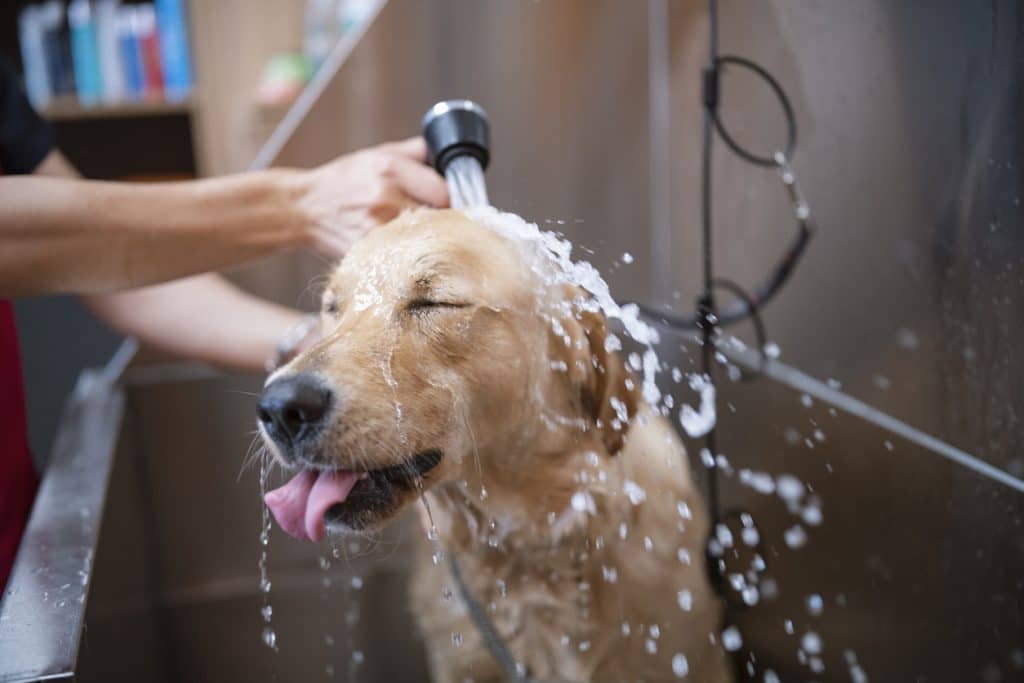
How Often Should an Indoor Dog Be Bathed?
Indoor dogs typically require less frequent baths than their outdoor counterparts. However, even indoor dogs can accumulate dust, allergens, and natural oils that necessitate regular bathing.
- Every 4-6 Weeks: For most indoor dogs, a bath every 4 to 6 weeks is sufficient. This frequency helps maintain skin health without stripping away natural oils.
- Between Baths: Regular brushing can help reduce the need for frequent baths by removing loose hair, dirt, and allergens from your dog’s coat.
- Breed and Coat Type: Some indoor dogs, particularly those with long hair or a double coat, may still need more frequent grooming.
- Health Considerations: Dogs with allergies or sensitive skin might benefit from more or less frequent baths depending on the advice of a veterinarian.
DHPS offer customized pet bathing services to meet the specific needs of your indoor dog, ensuring their coat and skin stay healthy and clean.
Can I Bathe My Dog with Just Water?
Sometimes, you may wonder if you can bathe your dog with just water. While water alone can rinse off some dirt, it’s not always enough for a thorough clean.
How to BATHE a DOG Who HATES WATER (Tips)
FAQ
How do you bathe a dog outside?
Loosely place one or two cotton balls in each ear. If you are bathing your dog outside, note that hose water can be surprisingly chilly. Preparing a basin of water beforehand to warm in the sun is a good idea. 3. Wet your dog’s coat
Should you bathe your dog?
Even if your pooch isn’t prone to rolling around in the mud, baths are a vital part of any healthy pet grooming routine as well as a chance to check your dog’s skin and coat. Whether prepping your pup for the runway or simply looking to keep dirt and excess fur from floating around your home, you will need to know how to properly bathe your dog.
How can I help my dog get a good bath?
Some dogs love bath time, while for others, it can be a stressful experience. To help bathtime run smoothly, follow these tips. Allow plenty of time — Rushing through a bath can make even the calmest dog nervous. Be sure to take your time. Going for a good walk first — This will help your dog be less bouncy and more patient at bath time.
How often should you bathe a puppy?
You can bathe a puppy as needed if they get particularly dirty or smelly. As with any dog, if your puppy has any skin issues or allergies, you should consult with your veterinarian on how often to bathe them. Just like humans like to be clean, dogs enjoy being clean too.
Should you bathe a dog if you’re stressed out?
Bathing can be a bonding experience for both you and your dog. Take baby (or puppy) steps, introducing them to water and working up to a full bath. Don’t take the plunge right away. Be patient and gentle. If your dog senses you are stressed out, they will be too. Make sure you reward with treats and show lots of love and affection.
How do you wash a dog with a wet coat?
Wet your dog’s coat Dogs have sensitive skin, so with lukewarm or warm water, gently wet your pup’s coat from the rear forward, slowly working your way up to your dog’s face. Be careful to never pour water directly over your dog’s head. Instead, use a wet washcloth or towel to dampen the area around the eyes, ears, and nose.
How to wash a dog if I don’t have dog shampoo?
I don’t have dog shampoo what can I use? Combine 1/2 cup natural, unscented dishwashing detergent, 1/2 cup apple cider vinegar, and 1/2 cup water in a plastic bottle. Shake until well combined. Use like regular dog shampoo avoiding eyes and ears. RInse well.
Is it okay to wash a dog with water every day?
Bathing a dog daily is generally not recommended unless specifically advised by a veterinarian. Frequent bathing can strip the dog’s skin of natural oils, leading to dryness and irritation.
What can I use instead of shampoo for dogs?
If pet shampoo is unavailable, you can use a mild human baby shampoo diluted with water. Another option is a mixture of baking soda and water. Ensure to rinse thoroughly to remove all residues. For more tips on dog care, visit my Quora Profile!
Can dogs shower without shampoo?
Yes, you can wash your dog with just water, but it may not be as effective as using shampoo, especially if your dog has a lot of dirt, oil, or odor. Here are some points to consider: Frequency: Washing your dog with just water can be suitable for quick rinses or if they get into something mildly dirty.