
While many people will take their dog periodically to the doggie parlour to be clipped and washed, this can quickly become rather expensive if done on a regular basis. If you live in a rural area and your dog likes going out and rolling around in mud or going swimming, then your dog is going to need to be given a wash much more often than a dog that spends most of its time inside.
For washing your dog at home then a common question is whether or not its suitable to do this in the bathtub? While the answer is technically yes, there are a few things to take into consideration when deciding to do this.
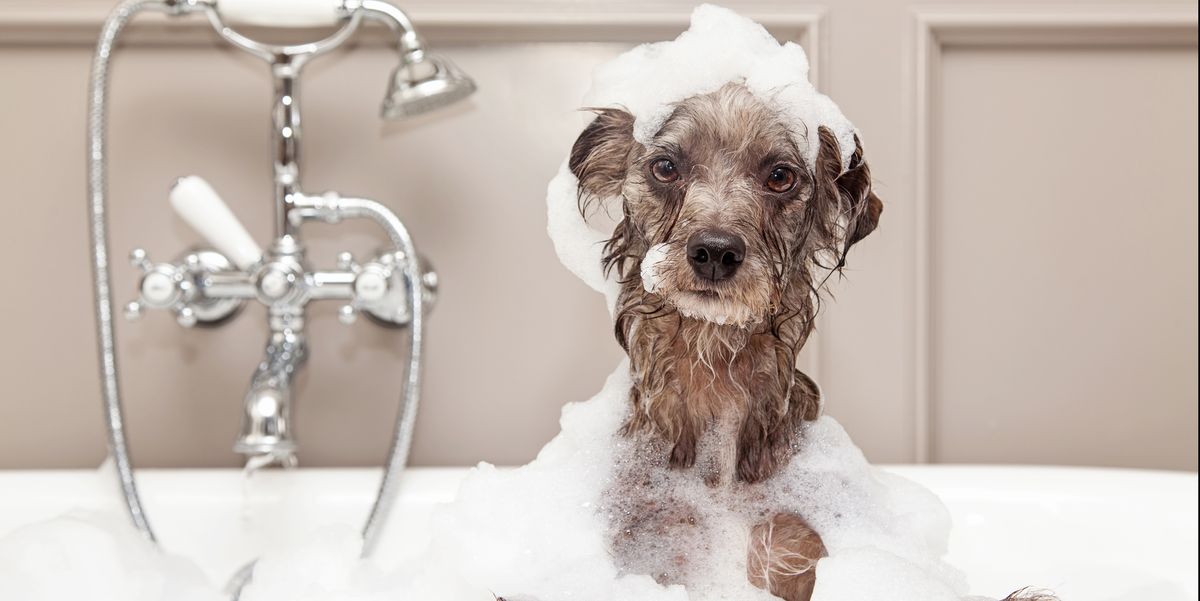
Yes, you absolutely can bathe your dog in your bathtub! It’s one of the most convenient and practical ways to keep your furry friend clean, especially when the weather isn’t suitable for outdoor bathing As a dog owner myself, I’ve been bathing my dogs in my home tub for years, and with a little preparation and the right techniques, it can be a smooth experience for both you and your canine companion.
Benefits of Bathing Your Dog in the Bathtub
Bathing your dog in your tub offers several advantages:
- Convenience: No need to travel to a groomer or find an outdoor location
- Temperature control: Warm water makes the experience more comfortable for your dog
- Easier handling: The enclosed space helps keep your dog contained
- Cost-effective: Save money on professional grooming services
- Bonding time: Create a positive routine with your furry friend
But before you grab your pup and head to the bathroom, there are some important considerations and steps to follow to make the experience successful and prevent any potential issues.
Preparing Your Bathroom for Dog Bathing
Essential Supplies to Gather
Before you begin make sure you have everything you need within reach
- Dog-specific shampoo (never use human shampoo as it can disrupt your dog’s skin pH)
- Several absorbent towels
- Non-slip mat for the tub floor
- Brush appropriate for your dog’s coat type
- Drain strainer or hair catcher (extremely important!)
- Washcloth for face cleaning
- Treats for positive reinforcement
- Handheld shower sprayer (if available)
- Conditioner (optional, especially for long-haired breeds)
Having all these items prepared beforehand means you won’t have to leave your wet dog unattended in the tub while you search for something you forgot
Preventing Drain Clogs – A Major Concern
One of the biggest challenges of bathing dogs in bathtubs is dealing with potential drain clogs. Dog hair is thicker than human hair and tends to clump together with soap scum, creating stubborn blockages.
To prevent this:
- Install a quality drain strainer or hair catcher before starting the bath
- Brush your dog thoroughly before the bath to remove loose fur
- Clean the hair catcher mid-bath if your dog sheds heavily
- Flush the drain with hot water after each bath
- Consider a baking soda and vinegar treatment periodically (1 cup baking soda followed by 1 cup vinegar, let sit for 30 minutes, then flush with hot water)
Remember that preventing clogs is much easier than dealing with them after they’ve formed!
Step-by-Step Guide to Bathing Your Dog in the Tub
Pre-Bath Preparations
- Brush your dog thoroughly to remove loose fur and mats
- Place a non-slip mat in the tub to prevent your dog from slipping
- Install your drain strainer/hair catcher
- Fill the tub with lukewarm water (about halfway for medium-sized dogs, less for small breeds)
- Gather your supplies within arm’s reach
The Bathing Process
1. Getting Your Dog Into the Tub
For small and medium-sized dogs, gently lift them into the tub. Larger breeds might need to be coaxed in with treats or trained to enter on their own. Speak in a calm, reassuring voice throughout the process.
2. Wetting Your Dog
Use lukewarm water—never hot or cold. If using a handheld shower sprayer, keep it close to your dog’s body to minimize noise and splashing. Start wetting from the neck down, avoiding the face initially.
As the Wag Walking website explains, “Using dog shampoo, wash your dog from head to tail and top to toe. Reach underneath his body to clean his tummy and potty areas as well.”
3. Applying Shampoo
Work the shampoo into a lather, massaging it into your dog’s coat. Pay special attention to dirty areas like paws, belly, and around the tail. Use a washcloth for a gentle wipe around the face, being careful to avoid the eyes.
4. Rinsing Thoroughly
This step is crucial! Any leftover shampoo can irritate your dog’s skin. Use clean, running water rather than the dirty bath water. Rinse until the water runs clear with no soap bubbles.
5. Drying Your Dog
While still in the tub, use a towel to remove excess water. Most dogs will naturally try to shake off water—this is a good time to hold up a towel as a shield! For long-haired breeds, you might need multiple towels and possibly a blow dryer on a low, cool setting.
Health and Safety Considerations
Infection Control Concerns
According to veterinary experts at the Worms & Germs Blog, there are some infection control considerations when bathing dogs in bathtubs:
“Overall, the risks from a healthy pet in a household full of healthy people are probably exceedingly low.”
However, there are certain situations where extra caution is warranted:
Higher risk pets include those with:
- Diarrhea
- Skin infections or wounds
- Fecal contamination on their coat
- Very young puppies (more likely to carry certain parasites)
Higher risk people include those who are:
- Immunocompromised
- Very young or elderly
- Pregnant
- Have open wounds or chronic skin conditions
In these cases, it might be better to bathe your dog elsewhere, such as at a groomer or vet clinic.
Proper Cleaning After Dog Baths
To maintain good hygiene:
- Remove all pet items from the bathroom before cleaning
- Clean the tub thoroughly with soap and water
- Rinse all surfaces with hot water
- Allow surfaces to dry completely
- Consider using a disinfectant in high-risk situations, allowing it to sit for at least 15 minutes
Tips for Making Bath Time Enjoyable
Many dogs aren’t naturally fond of baths, but you can make the experience more positive:
- Start young: Introduce puppies to baths gradually with positive associations
- Use treats liberally: Reward calm behavior throughout the process
- Speak soothingly: Keep your voice calm and reassuring
- Protect the ears: Place cotton balls in ear canals to prevent water entry
- Have patience: Never rush or force your dog if they’re anxious
- Be consistent: Regular bathing (appropriate for your dog’s breed) creates familiarity
As the experts at Wag Walking suggest, “Don’t turn bath time into a ruff time. Bathing in your bathtub should be fairly simple and easy. You can make your dog look paw-some with a little time, patience, and some bathtub grooming.”
Special Considerations for Different Dogs
Small Breeds
Small dogs can sometimes be bathed in kitchen sinks, but bathtubs work well too. Fill the tub with less water and be extra careful about water temperature, as smaller dogs can chill more quickly.
Medium-Sized Dogs
These dogs are perfect candidates for bathtub bathing. They’re manageable in size but might need help getting in and out of the tub.
Large Breeds
Bathing large dogs can be challenging but doable. You might prefer a walk-in shower if available, but a tub can work if your dog can get in and out safely. Expect more splashing and a wetter bathroom!
Dogs with Special Needs
For dogs with arthritis or mobility issues, consider placing a rubber mat both inside and outside the tub. For anxious dogs, try smearing peanut butter on the wall as a distraction during bath time.
Frequently Asked Questions
How often should I bathe my dog in the tub?
Most dogs only need bathing every 1-3 months, depending on their coat type, activity level, and any skin conditions. Over-bathing can strip natural oils and cause dry skin.
My dog hates baths. What can I do?
Start with positive associations—treats, toys, and praise. Consider using a lick mat with peanut butter on the wall to distract them. For extremely anxious dogs, consult your veterinarian about calming aids.
Is it OK to use my regular shampoo on my dog?
No! Human shampoos have a different pH level that can irritate your dog’s skin. Always use a shampoo specifically formulated for dogs.
How do I prevent my dog from jumping out of the tub?
Close the bathroom door, use a tether if necessary (never leave unattended), and keep one hand on your dog while bathing. Having a helper is ideal for squirmy pups.
What if my drain gets clogged despite prevention?
Try pouring boiling water down the drain, followed by a plunger. If that doesn’t work, a bent wire hanger or drain snake can help remove hair clogs. For persistent clogs, you might need professional plumbing assistance.
Conclusion
Bathing your dog in your bathtub is definitely doable and can be a convenient option for keeping your furry friend clean. With proper preparation, the right supplies, and attention to drain care, you can make bath time a positive experience for both you and your dog.
Remember, the key elements are: preparation, prevention of drain clogs, gentle handling, thorough rinsing, and proper cleaning afterward. Follow these guidelines, and you’ll have a clean, happy pup without plumbing problems!
Now go ahead and give your doggo that bath—they might not thank you during the process, but they’ll be happier (and certainly smell better) afterward!
Germs, disease and infection
While there is no doubt that you love your dog, think about whether you are happy to wash yourself or members of your family in the same tub as youve been washing your dog.
Dogs can pick up a lot of germs and bacteria in their fur during the course of the day, whether it be from the tight spaces they squeeze into, sniffing around rubbish or simply by interacting with other dogs. Of course, the risks of actually catching something from your dog is pretty low, but its not impossible so definitely worthy of consideration.
Some reasons you might want to wash your dog elsewhere than in the bath is if you or any other members of you family have any of the following:
- Open skin wounds
- Skin infections
- Autoimmune disease
- Pregnant
- More prone to infection, like babies or the elderly
You also need to think about whether your dog has been poorly, with such things as an upset stomach, worms, fleas or if it has been rolling in something particularly unpleasant like fox poo.
Non of this is too say that you cant wash your dog in the bat, these are simply points to keep in mind if your dog or anyone in your family hasnt been at peak health recently.
If you have the luxury of a utility room with a large sink, then this could be a great alternative place to wash your dog. A utility room is not where you would normally bath yourself, nor would it be a place where food is prepared, so could be a great option.
If your dog is too big or you dont have a utility room, then another good option is to wash your dog outside by an outdoor tap. A hose with a trigger and shower-type attachment would make it easy to wash your dog without making a mess outside. Using something like an old steel bath or large plastic container would be a useful place o stand your dog some that it cant easily squirm away and will keep the water and suds contained.
Comprehensively clean your bath
It may very well be the case that your bathtub is the only convenient place to wash your dog, so who are we to tell you you cant do it, especially when its a case of personal preference?!
The only thing we would recommend is that you clean your bath with hot water and an antibacterial bathroom cleaner. This will ensure that any germs your dog has picked up outside wont be transferred to you or any other member of your family hen you next use it
As over-washing dogs is not good for the natural oils in their fur, you might not be washing your dog in your bathtub very often anyway, so the occasional doggie bath time is probably not something you need to worry about too much! If it needs to be done, get it out of the way and clean the bath thoroughly afterwards!