
As a dog owner, I’ve faced many situations where my furry friend got a small cut or scrape, and I reached for whatever first aid supplies I had on hand It’s natural to wonder can I use Savlon on my dog when they have a minor wound? This is actually something many pet parents ask, and the answer isn’t as straightforward as you might think
The short choice ultimately falls on you as the pet parent. However, before you grab that tube of Savlon cream from your medicine cabinet, it’s essential to understand the potential risks and proper usage when treating your doggo. In some emergency situations, the benefits might outweigh any potential risks, but there are important safety considerations you need to know about.
What is Savlon?
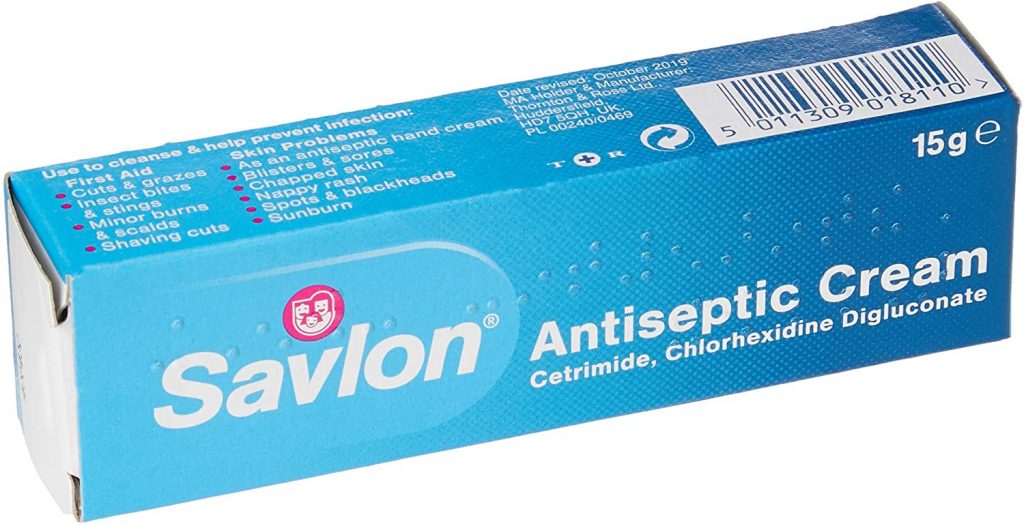
Savlon is a medicated antiseptic cream manufactured by Imperial Chemical Industries (ICI), a British chemical company. It’s widely used across the world to treat minor human wounds, burns, and skin reactions. The cream helps prevent infection in cuts, scrapes, blisters, and sores. Many people also use it for treating blackheads and spots.
Understanding the Ingredients in Savlon
Savlon contains two main active ingredients that give it its antiseptic properties:
-
Cetrimide A quaternary ammonium compound with antiseptic properties, commonly used in topical creams and solutions to prevent or treat microbial infections
-
Chlorhexidine gluconate A chemical compound used as an antiseptic or disinfectant often found in topical products to treat or prevent bacterial infections.
Both ingredients are effective at treating and preventing infections, but they weren’t specifically designed for dogs and can potentially be harmful if ingested in large quantities.
What Makes Savlon Potentially Toxic to Dogs?
Savlon wasn’t made with our four-legged friends in mind, and its ingredients can be harmful if your dog ingests them in large amounts. Since dogs have a natural tendency to lick their wounds (and anything you put on them), this creates a potential problem.
The main concern is that dogs might lick off the cream and ingest it. While small amounts probably won’t cause serious harm, larger quantities could lead to:
- Vomiting and diarrhea
- Skin irritation, redness, and swelling
- Difficulty breathing in severe cases
- Lethargy and weakness
- Seizures (in rare cases)
When Is It Appropriate to Use Savlon on My Dog?
Savlon should only be used in urgent situations that require immediate treatment when alternative dog-specific creams aren’t readily available. I wouldn’t recommend using it as a long-term solution for your pup’s skin issues.
If you do need to use Savlon in an emergency, follow these guidelines:
- Apply only the necessary amount
- Ensure your dog is supervised after application
- Restrict use to specific body areas (more on this below)
- Avoid sensitive areas like eyes, mouth, nose, and inner ears
- Consider using an Elizabethan collar (cone) to prevent licking
Safe Application Areas for Savlon on Dogs
Never use Savlon in or around your dog’s:
- Eyes
- Mouth
- Nose
- Inside ears
You can use it safely on your dog’s:
- Back
- Base of tail
- Belly
- Bum (external area)
- Dog wrinkles
- Head (away from sensitive areas)
- Legs
- Neck
- Outside of ears
- Paws
- Tail
- Around the genitals (external only)
How to Apply Savlon Safely
If you need to use Savlon on your dog in an emergency situation:
- Clean the affected area gently with warm water
- Pat dry with a clean towel
- Apply a very small amount of Savlon
- Massage it gently into the skin
- If the area is particularly sore, just dab the cream on rather than rubbing
- Monitor your dog to prevent licking
- Wash your hands thoroughly after application
Savlon for Dog Wrinkles
Some dog breeds like Bulldogs, Shar Peis, Pugs, and Basset Hounds have wrinkly skin that can sometimes develop irritation or infection in the folds. While Savlon might help in an emergency, it’s better to use products specifically designed for dogs with wrinkles.
If you absolutely must use Savlon on your dog’s wrinkles as a one-off treatment:
- Clean the wrinkles thoroughly first
- Apply a very thin layer
- Keep your dog from licking the area
- Seek veterinary advice as soon as possible
What to Do If Your Dog Licks Savlon
Despite your best efforts, your dog might still manage to lick off some of the Savlon you’ve applied. If this happens:
- Monitor your dog closely for any unusual symptoms
- If your dog shows signs of vomiting, weakness, diarrhea, or lethargy, contact your vet immediately
- Try to estimate how much they might have ingested
- Have the Savlon packaging available when speaking with your vet
Better Alternatives to Savlon for Dogs
Instead of using human antiseptic creams like Savlon, I’d strongly recommend using products specifically formulated for dogs. Here are some better options:
1. Lick-Safe Antiseptic Creams for Dogs
There are many dog-specific antiseptic creams available that are safe even if your dog licks them. These products are designed with your pet’s safety in mind and are typically more appropriate for regular use.
2. RenaSan First Aid+ Spray
This revolutionary antiseptic is clinically proven to kill 99.9999% of germs in seconds and is approved for veterinary use worldwide. It’s pain-free, sting-free, and skin-friendly, containing only water, salt, and hypochlorous – with no sodium hypochlorite (bleach), preservatives, alcohol, or harsh chemicals.
What’s great about RenaSan is that it’s safe to use in and around your dog’s mouth, ears, nose, and paws, as well as for skin disinfection, on insect bites, and for surface sanitation.
3. Natural Dog-Safe Antibacterial Creams
Look for creams that contain natural ingredients that are safe for dogs, such as:
- Aloe vera
- Coconut oil
- Manuka honey
- Calendula
- Tea tree oil (in small amounts and dog-specific formulations)
Signs of Savlon Toxicity in Dogs
If your dog has ingested a significant amount of Savlon, watch for these warning signs:
- Vomiting and diarrhea: The most common symptom of Savlon ingestion
- Skin irritation: Redness, swelling, or hives where the cream was applied
- Breathing difficulties: Wheezing, coughing, or labored breathing
- Lethargy: Unusual tiredness or weakness
- Seizures: In severe cases (rare)
If you notice any of these symptoms, don’t wait – contact your veterinarian immediately.
FAQ About Using Savlon on Dogs
Can Savlon be safely used on a dog’s ears?
Savlon can be used as a one-time application on the outer part of your dog’s ears, but it should never be applied inside the ears. Use only a small amount and monitor your dog closely after application.
Is Savlon safe for puppies?
I wouldn’t recommend using Savlon on puppies as they’re more likely to lick it off and their systems are more sensitive than adult dogs. Always consult with your vet before applying any human antiseptic to a puppy.
How long should I leave Savlon on my dog?
If you must use Savlon, apply it sparingly and try to keep it on for at least 30 minutes before your dog can lick it off. Using an Elizabethan collar can help prevent licking.
Are there any dog breeds that should never have Savlon applied?
While no specific breed is completely incompatible with Savlon, breeds with a tendency to lick themselves excessively or those with sensitive skin might be at higher risk for adverse reactions.
Can I use Savlon on my dog’s hot spot?
It’s not recommended to use Savlon on hot spots as these are often moist, irritated areas that dogs compulsively lick. A veterinary-prescribed treatment would be much more appropriate and effective.
The Bottom Line on Using Savlon on Dogs
When it comes to using Savlon on your dog, remember these key points:
- Savlon should only be used as a temporary, emergency solution
- Always supervise your dog after application to prevent licking
- Avoid contact with eyes, mouth, nose, and inside ears
- Contact your vet immediately if your dog consumes too much of the cream
- Whenever possible, use antiseptic products specifically formulated for dogs
While Savlon can be safe for dogs if used correctly and in small amounts, it’s ultimately up to you to decide whether to use it or wait for a cream specifically made for dogs. In most cases, it’s better to have dog-specific first aid supplies on hand so you don’t have to make this decision in an emergency.
Understanding Safe Treatment for Your Furry Friend
As a pet owner, witnessing your dog with a wound can be concerning. The immediate impulse might be to reach for your own first-aid supplies, including Savlon. However, its crucial to understand that using human medications on dogs can be harmful. In this blog, well explore the use of Savlon (and similar antiseptics) on dogs, providing guidance on safe and effective wound care practices for your furry friend.
Why Savlon Isn’t Recommended for Dogs?
While Savlon is a common antiseptic used in human first-aid, its not suitable for dogs for several reasons:
- Harshness: Formulated for human skin, Savlon can be too harsh for a dogs more sensitive skin and mucous membranes. This can cause irritation, burning, and even allergic reactions.
- Ingestion Risks: Dogs are curious creatures and may lick their wounds. Savlon, when ingested, can lead to stomach upset, vomiting, and even diarrhoea.
- Ineffectiveness: Certain ingredients in Savlon, like alcohol, might hinder the natural healing process of a wound. Additionally, its not as effective as veterinary-approved antiseptics in combating bacteria specific to dogs.
While you’re ensuring their well-being, why not treat yourself or a fellow dog lover to something special from deedoggy.com? Our breed-specific gifts range from cosy hoodies to adorable mugs and coasters, perfect for adding a touch of canine charm to your day. Explore our collection of gifts for dog lovers and discover the perfect way to celebrate your love for dogs!