
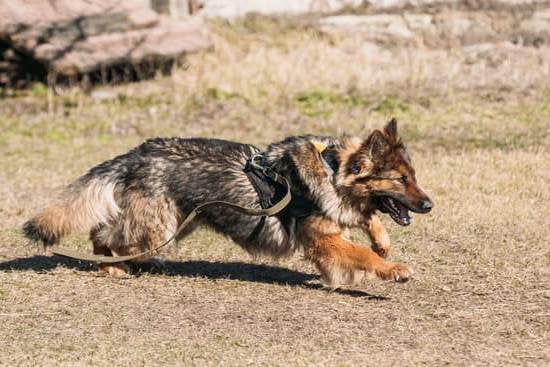
A dog barking and lunging at the end of their leash is an all-too-common occurrence. No doubt you’ve seen a dog like that in your neighborhood, or perhaps your own dog exhibits this disturbing behavior. But do you understand what’s motivating your dog? Are they frustrated, scared, or out to do harm? It’s tempting to label these outbursts as aggression, but it’s not that simple. Dogs that act out of proportion to the situation, such as barking hysterically at a dog on the other side of the fence, are exhibiting reactivity. Although reactivity can lead to aggression, it’s important to understand the difference between these two behaviors.
Are you living with a dog that lunges, barks, or shows aggressive behavior? I’ve been there, and it’s not just embarrassing—it’s downright scary. Many dog owners ask me the same question: “Can you train aggression out of a dog?” The short answer is yes, but it’s complicated.
As someone who’s worked with dozens of reactive and aggressive dogs, I can tell you that addressing canine aggression requires patience, consistency, and understanding what’s actually happening in your dog’s mind. Let’s dive into what aggression really is, how it differs from reactivity, and the steps you can take to help your furry friend.
Understanding the Difference: Reactivity vs. Aggression
Before we talk about training solutions, we need to get our terms straight. Many people see a dog barking and lunging and immediately label it as “aggressive,” but that’s not always accurate.
What Is Dog Reactivity?
Reactivity happens when dogs respond to normal situations with abnormal levels of excitement or arousal A reactive dog might
- Bark hysterically at another dog across the street
- Lunge at the end of the leash when seeing a stranger
- Pull frantically toward other dogs during walks
- Become completely unresponsive to commands when triggered
These dogs aren’t necessarily trying to cause harm—they’re just experiencing emotions so intensely that they can’t control their behavior. It’s like they’ve gone from 0 to 100 in seconds flat, and their normal good manners disappear completely.
What True Aggression Looks Like
Aggression, on the other hand, involves threatening or harmful behavior that aims to:
- Increase distance between the dog and whatever is triggering them
- Avoid conflict escalation
- Potentially cause damage to the target
Here’s something surprising: aggression is actually a normal dog behavior! While we don’t want our dogs behaving aggressively, it’s part of their natural behavioral repertoire. The problem arises when aggression becomes their go-to response or when it’s directed inappropriately.
The Root Causes of Dog Aggression
Understanding why your dog is aggressive is crucial for addressing the behavior I’ve found these are the most common causes
Fear: The #1 Culprit
Fear is by far the most common reason for aggression in dogs. When a dog is afraid, they’re trying to make the scary thing go away. It’s a defensive response, not an offensive one.
Other Common Causes
- Frustration: When normal desires (like greeting another dog) are repeatedly blocked
- Resource guarding: Protecting food, toys, or other valued items
- Territorial aggression: Defending what they consider “their” space
- Protective aggression: Guarding their human family members
- Pain-induced aggression: When a dog hurts and is trying to prevent more pain
- Maternal aggression: Mother dogs protecting their puppies
Can Reactivity Lead to Aggression?
Yes, and this is why addressing reactivity early is so important!
Reactive dogs are already in a heightened emotional state where the thinking parts of their brain shut down. When this happens regularly, and especially if the dog learns that aggressive displays successfully make the “scary thing” go away, reactivity can evolve into true aggression.
As Rachel Lane, a certified canine behavior consultant, points out in a recent AKC article, “while a dog may currently be performing reactive behaviors and has never injured another person or dog, these behaviors can morph into defensive aggression.”
This can happen gradually over time or sometimes during a single intense interaction. It’s like the dog learning “my barking didn’t work, so I need to try something more serious.”
The Truth About Training Out Aggression
Now for the big question: Can you completely train aggression out of a dog?
I’m gonna be honest with you—there are no quick fixes or magic solutions. But with the right approach, most aggressive dogs can improve significantly.
Here’s what you need to know:
- Aggression is manageable, but requires commitment
- Some dogs may always need management even after training
- Success depends on the cause, severity, duration of the problem, and your consistency
- Early intervention yields better results
My 4-Step Plan for Addressing Dog Aggression
After working with many aggressive dogs, I’ve found this approach works best:
Step 1: Rule Out Medical Issues
Always, always, ALWAYS start here! Pain, thyroid problems, neurological issues, and other medical conditions can cause or worsen aggression. One of my clients had a “suddenly aggressive” dog that turned out to have a painful ear infection—once treated, the aggression disappeared!
Step 2: Management Is Your First Priority
Before you can fix the problem, you need to prevent it from getting worse. This means:
- Avoid trigger situations when possible
- Use tools like basket muzzles when necessary (properly introduced, not as punishment)
- Create physical barriers in your home if needed
- Learn to read subtle body language signs that indicate your dog is becoming uncomfortable
Management isn’t a permanent solution, but it prevents your dog from practicing the aggressive behavior while you work on training.
Step 3: Implement Positive Behavior Modification
This is where the real work happens. Effective techniques include:
- Desensitization and counterconditioning: Gradually exposing your dog to their triggers at a level they can handle while creating positive associations
- Teaching incompatible behaviors: Training your dog to look at you instead of lunging at triggers
- Building emotional control: Teaching your dog to remain calm in exciting situations
- Reward-based training: Reinforcing calm, appropriate behavior around triggers
Remember: punishing aggressive behavior often makes it WORSE by increasing fear and anxiety.
Step 4: Consider Professional Help and Medication
For serious cases, don’t try to go it alone:
- Certified behavior consultants or veterinary behaviorists can create customized training plans
- Medication may help calm your dog enough to make them receptive to training
- Ongoing support is crucial for maintaining progress
Real-Life Success Factors
In my experience, these factors have the biggest impact on success:
1. Owner Consistency
The most important factor! Dogs thrive on routine and clear expectations. If you’re inconsistent with training or management, progress will be minimal.
2. Environmental Management
Sometimes, changing your dog’s environment makes a huge difference. I had a client whose dog was constantly aggressive toward visitors until we created a separate space where the dog could relax away from guests.
3. Realistic Expectations
Some dogs may never be completely “cured,” but can improve dramatically with proper training. Success might mean your dog can calmly walk past other dogs at a distance, not necessarily that they’ll become a social butterfly at the dog park.
Who’s Most at Risk for Aggression?
Research published in Scientific Reports found certain factors increase the likelihood of aggression:
- Older dogs
- Male dogs
- Small dogs
- Dogs without canine companions
- Dogs with novice owners
- Dogs with fearful personalities
Certain breeds also showed higher odds of aggressive behavior, including rough Collies, Toy Poodles, and Miniature Schnauzers, while Labs, Golden Retrievers, and Lapponian Herders had lower odds.
Prevention: Better Than Cure
If you’re reading this with a puppy or before getting a dog, here’s how to prevent aggression problems:
- Proper socialization: Expose puppies to many people, dogs, and situations before 16 weeks
- Positive experiences: Make sure early interactions are positive and non-threatening
- Emotional control training: Teach puppies to calm themselves when excited
- Gentle handling: Get puppies comfortable with being touched all over
- Force-free training: Avoid punishment-based methods that can create fear
Common Questions About Dog Aggression
Will neutering/spaying fix aggression?
While it may help with certain types of aggression (particularly in males), it’s rarely a complete solution and works best when combined with behavior modification.
Is my dog’s breed making them aggressive?
Breed can influence tendencies, but individual personality and experiences matter more. I’ve met aggressive Golden Retrievers and sweet pit bulls—genetics are just one factor.
How long does training take?
It varies widely. Minor issues might improve in weeks, while serious aggression could take months or years of consistent work. Progress is usually gradual rather than sudden.
Can adult dogs with a history of aggression really change?
Absolutely! I’ve seen dramatic improvements in dogs of all ages. Older dogs with long-standing issues may take longer to change, but meaningful progress is definitely possible.
The Bottom Line
So, can you train aggression out of a dog? In most cases, yes—but it requires understanding, patience, and consistent work. The key is addressing the underlying cause rather than just suppressing the symptoms.
Remember that while aggression can be improved, management will always play a role in keeping everyone safe. There’s no shame in using tools like muzzles, gates, or careful scheduling to prevent problems.
If you’re struggling with an aggressive dog, don’t lose hope! With the right approach and support, most dogs can learn better ways to cope with their triggers and live happier, more relaxed lives.
Have you dealt with aggression in your dog? What methods worked best for you? I’d love to hear about your experiences in the comments!
What Is Dog Reactivity?
Dogs who respond to normal, common occurrences with abnormal and excessive levels of arousal are often termed reactive. For example, seeing a stranger on a walk is an everyday occurrence for most dogs and, depending on the dog’s personality, may elicit no interest at all, a passing glance, or a friendly desire to approach. However, for a reactive dog, the sight of a stranger can lead to intense barking, lunging, cowering, pulling on the leash, and so on – behaviors out of proportion to the situation.
These dogs are overcome by whatever emotions a particular trigger has elicited and therefore find it hard to calm down or listen to their owner. If you’ve ever tried to walk a reactive dog, you’ll understand how challenging it is once they’ve been set off. Loose leash walking and good manners go out the window, and it’s all you can do to drag your dog away.

Although fear is a common motivator for reactive dogs, there might be a different underlying emotion, such as frustration or excitement. The important point is that a reactive dog responds faster and more intensely than a non-reactive dog. Rachel Lane, M.Sc., CBCC-KA, CPDT-KA, is the owner of Leash & Learn dog training and a certified canine behavior consultant with her master’s degree in applied animal behavior and welfare. She reminds people that reactivity can happen anywhere – on-leash, off-leash, indoors, and outdoors.
Dogs that become frustrated when their excitement to greet another dog or a stranger is thwarted by a leash, fence, or other barrier often lack emotional self-control. On the other hand, anxious dogs are often reactive due to a lack of socialization while they were a puppy. Things that would be no big deal to other dogs are overwhelming instead. Or a previous bad encounter, such as being attacked by another dog, can create fear later in life. Lane points out, “It is important to keep in mind that the threat a dog is reacting to may not be scary for the person on the other end of the leash. The threat simply has to be scary for the dog for them to display reactive behavior.”
What Is Aggression in Dogs?
Aggression can be characterized as any threatening or harmful behavior intended to avoid escalation of conflict, to increase distance between the dog and the target, or to cause damage to the target. Although aggression can lead to biting or the surrender or euthanasia of the dog, it’s a normal dog behavior which, depending on the context, can be adaptive or appropriate. If your dog attacked an intruder, for example, you would likely label them as courageous and loyal, but their behavior was aggressive, nonetheless.
According to Lane, “Aggression is a part of a dog’s natural and normal behavioral repertoire and has multiple causes. People often consider aggression socially unacceptable, but all dogs are/can be aggressive. Like any behavior trait, aggression is a complex interplay of genetic and environmental factors.”