Periods of hot weather coupled with dogs and children spending long periods outdoors, can lead to bite incidents taking place. Dogs can suffer heat exhaustion, a symptom of which is irritability, that along with the long school holidays meaning the presence of children racing around or squealing in a paddling pool can result in a bite incident, as can family barbecues where food and is present, perhaps music is blaring, and the dogs owners are otherwise engaged. A larger number of people than usual are present and enter and leave the premises at will, a door left open can lead to the dog escaping, being stolen or being involved in an incident or accident for which the owner will be legally responsible.Visitors may also not be comfortable with or know how to act around dogs. It is the owners responsibility both legally and morally to ensure that their dog is not put in the position where an incident could take place, and thought should be given to putting the dog into a quiet room during parties or gatherings.
As soon as the weather becomes warmer it seems as if the dog population has risen, dogs who have been walked around the block during the winter months are taken to the beach, local beauty spots or the countryside, but it’s important to remember that hot weather affects dogs in many ways. It can cause irritability leading to bite incidents and even death for your pet. Even a short walk during the hottest part of the day can cause heat stroke which causes the dogs core temperature to rise rapidly, unfortunately if this happens on a walk it often proves fatal before a dog can be taken to a vet. All breeds of dogs can suffer in the heat, white dogs or dogs with white ears or faces can suffer horrific sunburn. Black absorbs heat so black dogs can succumb to heat stroke far quicker than a different coloured dog in the same situation as can long coated breeds, and dogs with very short muzzles such as bulldogs or pugs who can struggle to breathe as the mucus membranes in the tongue , mouth and throat swell in order to attempt to cool them.
Foot pads can also be damaged due to being walked on extremely hot surfaces and tarmac. Yet still we see the seasonal droves of people heading out at midday for a stroll with a heavily panting dog trailing at the end of a lead. Please please please take dogs out only in the early morning or late evening, your dogs life is a very high price to pay for the sake of a midday stroll.
Heat exhaustion is often caused by over-exercising or running with a dog during hot weather. It can occur even in the early evening so care should be taken with the nature of the exercise given during the summer months. Both heatstroke and heat exhaustion can result in brain damage, heart failure or even death in a short period of time. Again short muzzled or thick-coated breeds and mixes are particularly vulnerable, although any breed may be at risk, particularly black dogs.
Always bring cool water along when walking with your dog during hot weather. To cool off an overheated dog, offer him plenty of water, then wet the dog’s body and paws with cool water, then fan. A dog’s normal internal body temperature is between 100.5 degrees F and 02 degrees F. Signs to watch for are: heavy, loud breathing, staggering gait, bright red gum tissue and tongue.
If heatstroke is suspected, try to cool your dog down as quickly as possible with cool but not cold water, so as not to shock the dogs system and seek veterinary care quickly as this is a serious medical emergency.
If your pet spends any length of time outdoors during summer, make sure he has a shaded place and plenty of fresh water to drink. Your pet will need much more water in the summer to replenish what he loses by panting. Many dogs also enjoy swimming for exercise and to cool down, though care should be taken if they are allowed to swim in canals or slow moving water as there is an increased risk of leptospirosis and although dogs are vaccinated against this as part of their vaccination course they are only vacced against the more common strains and there is doubt that the vaccination lasts more than six months, this is a terrible illness that is transferable to humans and often results in death for the dog.
Please do not allow your dogs off lead near a canal as the high sides prevent your dog being able to climb out if he should fall in.
Leaving your dog in a parked car in the summer (even with the window left a few inches open), can cause heatstroke within minutes. Note: Leaving your dog in a car parked in the shade does not assure that your dog will not become seriously overheated. Shaded cars may still get very hot due to the greenhouse effect, and the sun may also move enough to change shaded areas into sunny ones. Dogs left in parked cars also risk being stolen. Prevent your dog from hanging his head out of a moving car window when taking him for a ride. Bugs, small pebbles and other debris can injure his eyes, and he is at risk of jumping out of the vehicle.
During hot weather, many people leave a few windows open in their home to help create a nice cool cross-breeze. If you have a dog or cat at home, be certain to install secure window screens (or safety bars) in any of the windows which will be left open, or close all windows before leaving the house, if your dog sees or hears something exciting outside he may use an open window as an escape route even if he has never done so previously, also many companion animals fall out of windows, and fire-escapes every year and are often seriously injured or killed.
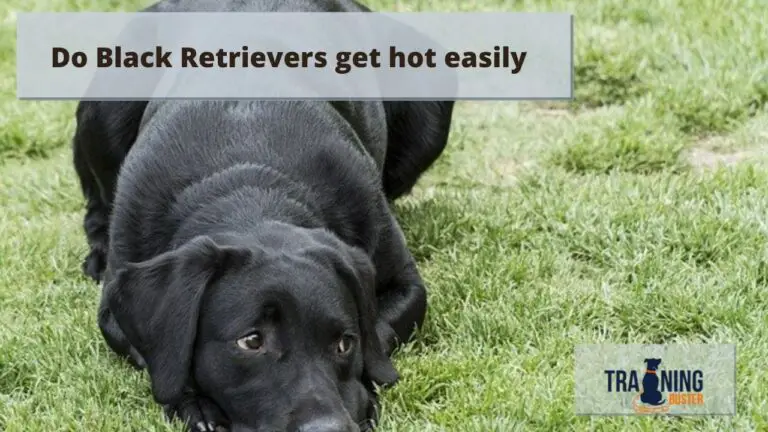
As a dog lover with a beautiful black Labrador, I’ve heard this question countless times at the dog park: “Don’t black dogs get hotter in the sun?” It’s a concern that many potential adopters and current owners of dark-furred dogs share, especially as summer temperatures rise. But is there any scientific truth to this belief, or is it just another pet myth? Today, I’m diving deep into this topic to separate fact from fiction.
The Quick Answer: Yes and No
Do black dogs get hotter than lighter-colored dogs? The answer is both yes and no, depending on the circumstances:
- In direct sunlight: Yes, black dogs absorb more heat from the sun than lighter-colored dogs
- In shade or indoors: No, a black dog and a white dog will heat up and cool down at the same rate
This distinction is crucial and explains why there’s so much confusion around this topic Let’s explore the science behind it
The Science: Why Black Dogs Absorb More Heat in Sunlight
The difference comes down to basic physics and color theory. Here’s what happens:
Light Absorption vs. Reflection
When sunlight hits your dog’s coat
- Black fur absorbs most light wavelengths and converts them to heat
- White fur reflects most light wavelengths away from the body
- Other colors fall somewhere in between
It’s the same reason why wearing a black t-shirt on a sunny day feels hotter than wearing a white one. The dark pigmentation in black fur contains high concentrations of eumelanin, which is highly efficient at absorbing light energy and converting it to heat.
The Albedo Effect
Scientists refer to this phenomenon as “albedo” – the proportion of light or radiation that an object reflects. Black objects have a higher albedo compared to lighter-colored objects, meaning they absorb more solar radiation.
Busting the Myth: When Color Doesn’t Matter
It’s important to understand that a dog’s coat color only affects temperature when they’re in direct sunlight. In all other situations, color makes virtually no difference:
- Inside your home
- In the shade
- At night
- On cloudy days
In these scenarios, a black dog and a white dog with similar coat thickness and length will heat up and cool down at exactly the same rate. This explains why scientific studies have found that the difference in body temperature between black dogs and lighter-colored dogs is actually negligible overall.
Other Factors That Matter More Than Color
While coat color can play a role in heat absorption, many other factors have a much greater impact on how hot your dog gets:
1. Coat Thickness and Length
A thick, double-coated black Husky will likely overheat faster than a thin-coated white Greyhound. The insulation provided by thick fur traps body heat regardless of color.
2. Breed Characteristics
Some breeds are simply more heat-sensitive than others:
- Brachycephalic breeds (those with short snouts like Bulldogs or Pugs) can’t pant efficiently
- Arctic breeds (like Huskies and Malamutes) are designed for cold weather
- Large breeds generally produce more body heat than smaller dogs
3. Physical Condition
- Overweight dogs overheat more easily
- Elderly dogs and puppies regulate temperature less efficiently
- Dogs with health issues (especially heart or respiratory problems) are more vulnerable
4. Activity Level
A highly active dog generates more internal body heat regardless of coat color. A black dog lounging in the shade will be cooler than a white dog running around in the same shaded area.
Keeping Your Black Dog Cool: Practical Tips
Since black dogs do absorb more heat in direct sunlight, here are some strategies to keep them comfortable during hot weather:
Provide Plenty of Shade
This is the #1 most important factor! When outdoors, make sure your black dog has access to shady areas where they can escape the direct sunlight. This single step negates the entire heat absorption issue.
Time Your Activities Wisely
- Walk early in the morning or late in the evening
- Avoid the hottest parts of the day (typically 2-5pm)
- Shorten outdoor playtime during extreme heat
Hydration is Key
- Always bring water on walks
- Consider a portable dog water bottle
- If your dog is playing hard, you may need to remind them to take water breaks
Cooling Options
- Allow access to cool tile floors indoors
- Consider a cooling mat or vest for hot days
- Set up a kiddie pool or sprinkler for outdoor fun
- Wet towels applied to their belly, ears, and armpits can help cool them down
Be Careful with Grooming
While it might seem logical to shave your black dog in summer, this can actually be counterproductive for some breeds:
- Double-coated breeds (like Labs, Shepherds, Huskies): Their undercoat provides insulation against both cold AND heat. Shaving can disrupt this natural regulation.
- Single-coated breeds: A moderate trim might help, but avoid shaving too close to prevent sunburn.
Always consult with a professional groomer or vet before making dramatic coat changes.
Warning Signs: Is Your Dog Overheating?
Regardless of coat color, all dogs can experience heat stress. Watch for these symptoms:
- Excessive panting or drooling
- Bright red gums or tongue
- Weakness or collapse
- Disorientation or confusion
- Vomiting or diarrhea
- Rapid heart rate
If you notice these signs, move your dog to a cool area immediately, offer water, and contact your vet. For severe cases, wet your dog with room temperature water (not ice cold) and get to an emergency vet right away.
Our Experience: Living with a Black Lab
We adopted our black Lab, Max, three years ago. During our first summer together, I was definitely concerned about how he’d handle the heat, especially since we live in a warm climate.
What I’ve learned is that while Max does seek shade more quickly than our neighbor’s golden retriever during sunny days, his overall heat tolerance isn’t dramatically different. The biggest factors are actually:
- How active he’s being
- Whether he has access to shade and water
- The time of day we’re outside
We’ve adjusted our routine to early morning walks and evening play sessions during summer months. I’ve also noticed he naturally gravitates toward cool tile floors when it’s hot, showing that dogs instinctively know how to regulate their temperature.
The Bottom Line
Yes, black dogs do absorb more heat when in direct sunlight compared to lighter-colored dogs. However, this factor alone shouldn’t discourage anyone from adopting a black dog or cause undue worry for current owners.
With some common-sense precautions—mainly providing shade and adjusting outdoor activities during extreme heat—black dogs can stay just as comfortable as their lighter-colored counterparts.
The most important thing is to understand your individual dog’s needs and responses to heat, regardless of their coat color. Every dog is unique, and paying attention to their behavior will tell you more about their comfort level than any general rule about coat color.
Have you noticed differences in how your black dog handles heat compared to lighter-colored dogs? Share your experiences in the comments below!
Remember: If you’re ever concerned about your dog’s ability to handle heat, consult with your veterinarian for personalized advice based on your dog’s specific needs and health status.
Is Your Dog Too Hot? Watch for These 3 Signs
FAQ
Do black dogs overheat more?
Additionally, the darker the dog’s fur, the more heat it will absorb, and dogs with black fur are at a higher risk of overheating.Jun 12, 2025
How to keep a black dog cool in the summer?
To keep black dogs cool in the summer, always provide plenty of fresh, cool water and offer shade, ideally with a cooling mat or wet towels. Limit outdoor activity to cooler hours like early morning or late evening and keep them off hot surfaces like pavement. Provide cooling accessories such as cooling vests or frozen treats, and groom them appropriately to help them shed heat.
What is special about black dogs?
Black dogs are cute and smart. Breeds like Labrador Retrievers, Spaniels, Shepherds and Terriers are some of the smartest dogs and often have black fur. Black dogs are easy to accessorize. They look great in any color.
Does black fur attract heat?
The relation between coat color and solar heating in birds and mammals varies greatly; darker colors either may increase or decrease heat gain. This relation depends upon a suite of environmental and organismal properties that may vary independently of color and be open to adaptive adjustment.