
Ever heard that familiar clink-clink as your dog crunches through kibble? Its a melody to every pet parents ears, a sign of happy chomping and good health. But just like our own pearly whites, those furry jaws arent invincible. Â
Dental problems are as common to dogs and cats as they are to human beings. Pets can break or crack a tooth from chewing on hard objects or from trauma such as being hit by a car. As pets get older, if dental disease is not regularly addressed and managed, teeth may become loose or wiggly. Below are some common questions and answers about tooth problems among pets.Â
Have you ever found a tooth on your floor and wondered if it belonged to your furry friend? As a dog parent, discovering your pup’s tooth can be alarming. But is it normal for dogs to lose their canine teeth? Let’s dive into this toothy topic and explore everything you need to know about your dog’s dental health.
Puppy Teeth vs. Adult Teeth: The Natural Cycle
Just like human children, puppies go through a teething phase where they lose their baby teeth to make room for permanent adult teeth.
Puppy Teeth Development
- Puppies are born without teeth
- Baby teeth (deciduous teeth) begin to erupt at 3-4 weeks of age
- By 3-5 months, puppies typically have all 28 puppy teeth
The Teething Process
When puppies reach about 4 months of age they begin losing their baby teeth as their adult teeth start growing in. This process continues until they’re about 6-7 months old. During this time it’s completely normal to find tiny puppy teeth around your home (though many puppies actually swallow their baby teeth).
Adult Dog Teeth Count
Once your dog has all their adult teeth, they should have:
- 42 permanent teeth in total
- 20 teeth in the upper jaw (maxilla)
- 22 teeth in the lower jaw (mandible)
This is actually more teeth than humans have (we only have 32)!
Types of Dog Teeth and Their Functions
Dogs have four types of teeth, each serving different purposes:
-
Incisors – The small teeth at the front (12 total, 6 top and 6 bottom)
- Used for grabbing objects, scraping food, and grooming
-
Canines – The four long, pointed teeth (2 top and 2 bottom)
- Used for tearing and puncturing food
- Also called “fangs” or “cuspids”
-
Premolars – Located behind the canines (16 total, 8 top and 8 bottom)
- Used for shearing and grinding food
-
Molars – The teeth at the very back (10 total, 4 top and 6 bottom)
- Used for grinding food into smaller pieces for digestion
Is It Normal for Adult Dogs to Lose Their Teeth?
Here’s the simple truth: No, it is NOT normal for adult dogs to lose their teeth (except during the puppy-to-adult transition).
If your adult dog is losing teeth, especially those important canine teeth, something’s wrong. Dr. Joanna Woodnutt, a veterinarian cited in PetsRadar, emphasizes that dogs should only lose their teeth once in their lifetime – when puppy teeth fall out to make way for adult teeth.
Common Reasons Why Adult Dogs Lose Their Teeth
1. Periodontal Disease
The most common reason for tooth loss in adult dogs is periodontal disease. This happens when:
- Bacteria in the mouth damage the gums
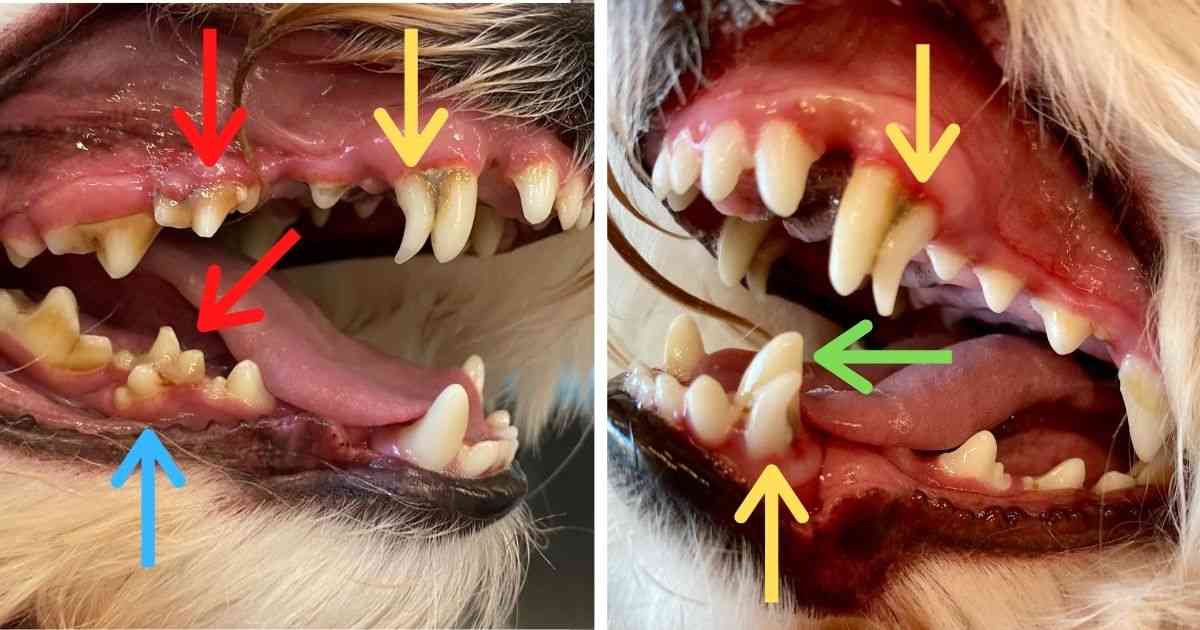
- Plaque and tartar build up on teeth
- Inflammation and infection develop in the gums
- The ligaments holding teeth to jaw bone become damaged
- Teeth become loose and eventually fall out
According to studies mentioned in the articles, over 80% of dogs over the age of three have some form of dental issues. That’s a staggering number!
2. Trauma or Injury
Dogs can lose teeth through accidents or injuries:
- Blow to the mouth during play or fights
- Chewing on objects that are too hard (like certain bones)
- Falls or other accidents
3. Genetic Factors
Some breeds are more susceptible to dental problems:
- Small and toy breeds
- Brachycephalic breeds (like Bulldogs and Pugs)
- Dogs with crowded teeth or misaligned jaws
Warning Signs of Dental Problems
Keep an eye out for these red flags that might indicate your dog is having dental issues:
- Bad breath (beyond normal “dog breath”)
- Red, swollen, or bleeding gums
- Visible tartar buildup (gray-green stains on teeth)
- Loose or missing teeth
- Difficulty eating or dropping food
- Pawing at the mouth
- Excessive drooling
- Blood on toys or chews
How to Prevent Tooth Loss in Dogs
Daily Dental Care
The best way to prevent your dog from losing those important canine teeth (or any teeth) is through daily dental care:
-
Brushing: Use a dog-specific toothbrush and toothpaste (NEVER use human toothpaste as it can be toxic to dogs). Many dogs can be trained to accept tooth brushing as a regular routine.
-
Dental Chews: Quality dental chews can help reduce plaque and tartar. Look for products with the Veterinary Oral Health Council (VOHC) seal.
-
Regular Vet Check-ups: Annual dental exams are essential for catching problems early.
-
Professional Cleanings: Sometimes, a professional cleaning under anesthesia is necessary to remove tartar buildup below the gumline.
What NOT to Give Your Dog
To protect your dog’s teeth from damage:
- Avoid hard bones (especially beef or pork bones) that can fracture teeth
- Skip ice cubes and very hard chew toys
- Don’t allow chewing on rocks or other hard objects
What To Do If Your Dog’s Tooth Falls Out
If you find your adult dog has lost a tooth:
- Look for the tooth and examine it for signs of decay or damage
- Check your dog’s mouth for bleeding, swelling, or signs of infection
- Call your vet – this isn’t normal and requires professional attention
- Keep any fragments of the tooth to show your vet
- Monitor your dog for signs of pain or difficulty eating
My Experience with My Dog’s Dental Health
I’ve had my fair share of doggy dental drama! When my Lab mix Bruno was about 7, I noticed his breath was getting particularly stinky. During our annual vet visit, the doc pointed out significant tartar buildup and some gum inflammation. Apparently, I’d been slacking on his dental care!
We scheduled a professional cleaning, and wouldn’t ya know it, the vet had to extract two teeth that were severely affected by periodontal disease. It was a wake-up call for me. Now, I brush Bruno’s teeth 3-4 times a week and provide dental chews. His breath is much better, and at our last check-up, the vet was impressed with his improved dental health.
The Cost of Dental Care for Dogs
Let’s be real – dental care for dogs can be expensive, but it’s cheaper than dealing with serious dental issues down the road:
- Annual dental exams: Usually part of your regular vet visit
- Professional cleanings: $300-$1,000 depending on your location and your dog’s needs
- Tooth extractions: Can add $100-$300 per tooth
- Daily home care: Toothbrush and toothpaste costs around $10-$20
Frequently Asked Questions
Can a dog’s tooth grow back if it falls out?
No, once an adult dog’s tooth falls out, it will not grow back. Unlike some other species, dogs don’t continuously grow or replace teeth throughout their lives.
Are some dog breeds more likely to have dental problems?
Yes, small breeds often have more dental issues because their teeth are crowded into a smaller space. Brachycephalic breeds (like Pugs and Bulldogs) are also more prone to dental problems due to their jaw structure.
Can dogs eat normally without teeth?
Surprisingly, yes! Dogs with missing teeth, even canines, can usually adapt their eating habits. However, they may prefer softer foods or need their kibble to be moistened.
How often should I brush my dog’s teeth?
Ideally, you should brush your dog’s teeth daily. If that’s not possible, aim for at least 3-4 times per week to make a significant difference.
Are anesthesia-free dental cleanings effective?
While anesthesia-free cleanings can remove some visible tartar, they cannot clean beneath the gumline where most periodontal disease develops. Most veterinarians recommend professional cleanings under anesthesia for thorough care.
Conclusion
Your dog’s teeth, especially those impressive canines, are essential for their quality of life. While it’s normal for puppies to lose their baby teeth, adult dogs should keep their permanent teeth for life with proper care.
If you notice your dog losing teeth, don’t wait – contact your vet right away. With regular dental care at home and professional check-ups, you can help ensure your furry friend keeps their chompers in top condition for years to come.
Remember, a healthy mouth contributes to a healthy dog overall – and who doesn’t love those toothy doggy smiles?
Will My Pet Be Able to Eat Kibble or Hard Food After Losing a Tooth?Â
Generally, adult dogs have 42 teeth, and adult cats have 30 teeth. Extracting or losing a few teeth is probably not going to affect them at all once the mouth has healed. The gums and roof of a cat or dogâs mouth is so tough that many pets can continue to eat hard food with few or no teeth at all. If your pet has been dealing with a tooth issue for a while, having the diseased tooth extracted may actually lead to your pet eating more, because he or she feels better.Â
My Pet Lost a Tooth! What Should I Do?Â
Uh oh, your dog lost a tooth! You might be wondering, “Do dogs teeth fall out?” or “Why did my dogs canine tooth fall out?” Its a common concern, and while losing a single tooth isnt usually an emergency, a trip to the vet is your best bet for peace of mind. Unfortunately, not much can be done for a tooth that falls out. In older pets, tooth loss may be the result of periodontal disease. In younger adult pets, tooth loss may be due to a traumatic event. You should take your pet to the veterinarian to ensure that the entire tooth fell out. If a tooth breaks below the gum line, this may lead to pain and infection over time. In these cases, extraction of the portion of the tooth left behind is often necessary.Â
While a missing tooth might not be the end of the world, a visit to the vet is always the safest and most reliable way to keep your furry friends mouth healthy and happy. Dont let those canine questions go unanswered â get your pups smile checked out and put those “dog lost tooth” worries to rest!Â